REVIEW · SPLIT
People of Split – meet the locals
Book on Viator →Operated by Walking tours with The Storyteller Croatia · Bookable on Viator
Split comes alive when locals talk. A native storyteller turns Roman ruins into real scenes, and I love the way you get practical photo-spot tips while walking from the harbor to the palace. The biggest watch-out is that the timing is tight, so you’ll trade deep wandering for smart stops.
I also like that this isn’t only monuments on autopilot. You’ll pause in places still tied to daily life, and you may sample local produce and meet artisans along the way. Plus, snacks are included, which makes the walk feel more like a hosted stroll than a rushed sightseeing hit.
With a route that runs about 1 hour 20 to 1 hour 35 and packs several landmarks in, short pauses are the name of the game. If you want long, unstructured time in each courtyard or square, this format may feel a bit fast.
In This Review
- Key highlights worth planning for
- A Split walking tour that’s about people, not just stones
- Getting started at the Split sign: fast orientation, easy photos
- Stop 1: Riva Harbor and the “welcome” moment
- Stop 2: Diocletian Palace substructures (and the Game of Thrones factor)
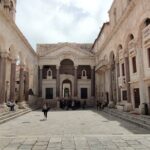
- Stop 3: Diocletian’s Peristyle—legends, myths, and palace life
- Stop 4: Dominisova ulica—when the city looks like home
- Stop 5: Gregory of Nin and the toe-rubbing tradition
- Stop 6: Narodni Trg and Pjaca—the square that lives with you
- What’s included (and why it adds real value)
- Price and value: $258.88 per group makes sense for private pacing
- Practical tips before you go (so you get more out of every stop)
- Who this People of Split tour is best for
- Final verdict: should you book this tour or skip it?
- FAQ
- How long is the People of Split walking tour?
- What is the price?
- Is this tour private?
- What language is the tour offered in?
- Where do we meet for the tour?
- Where does the tour end?
- What is included in the tour price?
- Is admission included for the stops?
- Are service animals allowed?
- What are the tour hours?
- Is free cancellation available?
Key highlights worth planning for
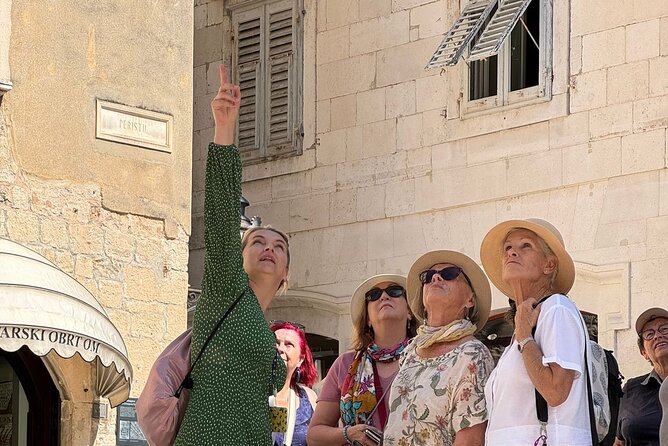
- A local native guide + heritage storyteller approach that connects stories to daily life
- Diocletian Palace substructures where Game of Thrones filming happened
- Peristyle photo time in the palace core, with legends and myths explained in plain language
- Dominisova ulica for the “live here” window-and-clothes-drying view
- Gregory of Nin’s statue and the toe-rubbing tradition’s meaning in Split
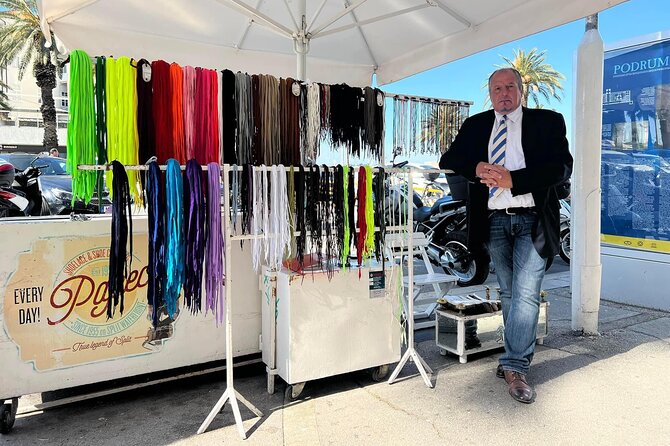
- Narodni Trg / Pjaca for trades, traditional craftsmen, and people-watching in the city’s social center
A Split walking tour that’s about people, not just stones
Some city tours teach facts. This one teaches how Split actually feels day to day. The best part is the mix: Roman structures are the stage, but locals are the actors.
You start with an easy visual anchor: the iconic Split sign by the water. From the first minutes, you’re not fumbling for your bearings. You’re set up for photos, then led into the warren of streets and palace spaces where the old city still functions.
The local emphasis also changes how you look at the monuments. Instead of seeing Diocletian’s Palace as a sealed-off museum block, you experience it as a living complex—full of routines, shops, and quiet conversations happening just a few steps from the biggest headlines.
You can also read our reviews of more tours and experiences in Split.



Getting started at the Split sign: fast orientation, easy photos
Your meetup is simple: in front of the Split sign in the Grad area. You’re there for a quick photo to mark the start, which sounds small, but it helps you remember where you began once you’re surrounded by Roman walls and tight lanes.
Right after that, you move into the city on foot. Since this is a private tour for your group (up to 8 people), the flow feels controlled. You’re not forced into a cattle-car rhythm where you can’t ask questions or ask for a slower moment to catch a view.
This is also a tour format that fits real travel schedules. It’s short enough to pair with a beach break or dinner plans, yet long enough to connect the dots between places that often feel unrelated when you see them alone.
Stop 1: Riva Harbor and the “welcome” moment
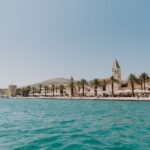
The tour kicks off at Riva Harbor, where the waterfront energy gives Split its first mood. It’s a great opener because it’s recognizable even before you get deep into the old city core.
You get about 15 minutes here. That’s plenty of time for a couple photos and a quick reset, without eating up your only morning or afternoon. I like that you don’t linger too long at the obvious view—by design, you’re gently guided into the older layers quickly.
Stop 2: Diocletian Palace substructures (and the Game of Thrones factor)
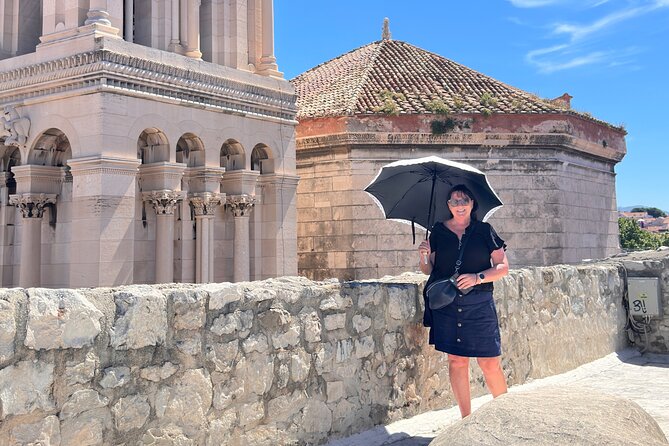
Next up is a standout: the Diocletian Palace substructures, a structure that’s still in use. That’s the key detail that makes this stop more than a history postcard.
You also get a pop of pop-culture context: this is where Game of Thrones was filmed. If you’re a fan, it gives you a mental shortcut for what to look for. If you’re not, it still works as a reason to pay attention to how spaces have been reused across centuries.
You’ll spend about 10 minutes here. It’s not a full architectural lecture, and that’s okay. The tour’s strength is storytelling and orientation—helping you see why these spaces matter, not trying to cover every stone like a textbook.
Stop 3: Diocletian’s Peristyle—legends, myths, and palace life
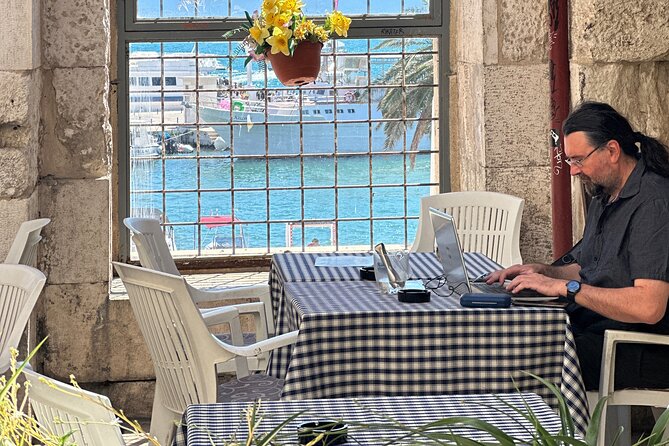
This is one of the most satisfying stops on the route. The Peristyle sits at the heart of Diocletian’s Palace: built in the 4th century as a retirement home for Emperor Diocletian. Today, it’s part of Split’s historic center, and it shows you how old power can turn into daily life.
You’ll get about 35 minutes here, which is long enough to slow your pace without feeling trapped. This stop is where the guide’s “storyteller” skill matters most. The myths and legends help your brain do the work of connecting architecture to human meaning.
What I like about this part of the tour is the balance. Yes, you’ll hear Roman context. But you’ll also be encouraged to notice the way people move through space now—how the palace is used, not just admired.
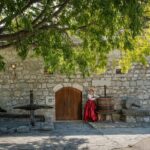
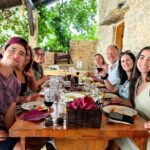
And it’s not only talk. The tour includes time for hidden corners and secret spots inside the palace area, plus opportunities to sample fresh produce from local vendors and meet artisans practicing their craft for generations. Even if you just take a small taste, it changes the tour from sightseeing into a small cultural exchange.

Stop 4: Dominisova ulica—when the city looks like home
Then you walk to Dominisova ulica, one of Split’s most beloved streets. This is the “stop and watch” segment, and it’s a big reason the tour feels different from a standard monument crawl.
Here, the guide points out the small signs of resident life: locals leaning out windows to enjoy the air and hanging laundry to dry. It’s one of those details that can look background-level until someone tells you to treat it like the story itself.
This stop is only about 10 minutes, so don’t expect a long ramble. But it’s enough time to do what the guide encourages: pause, look around, and understand the city as a place people inhabit—not just a place visitors photograph.
Stop 5: Gregory of Nin and the toe-rubbing tradition
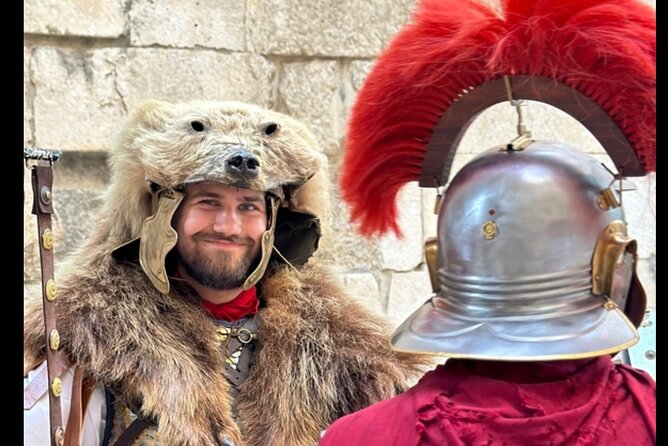
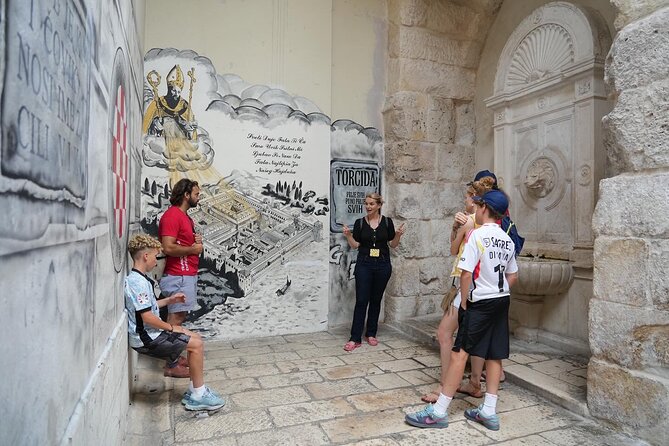
You then head to the statue of Grgur Ninski (Gregory of Nin). You’ll do the classic move here: rub a toe and hear why his statue is in Split.
This stop runs about 10 minutes. Again, it’s not long, but it’s memorable because it gives you a local ritual. And because you’re hearing the meaning, it doesn’t feel like a tourist gimmick.
One practical note: statues like this can be busy at peak hours. If it feels crowded when you arrive, keep your shoulders relaxed and follow the guide’s timing. The whole tour is designed around short windows to see, not long waits that drain your energy.
Stop 6: Narodni Trg and Pjaca—the square that lives with you
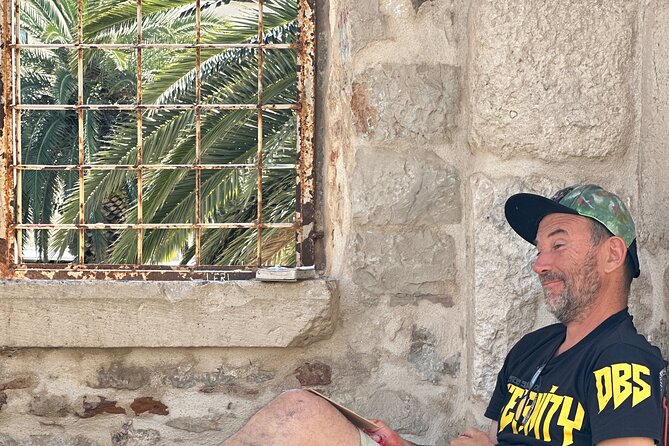
Finally, you reach Narodni Trg, arriving at Pjaca, described as the first square built outside the ancient city. This is a social hub where you can imagine everyday life continuing beyond Roman walls.
You’ll spend about 10 minutes in this area, which makes it feel like a closing loop: a last dose of city rhythm before you break away. The square is tied to old trades, and you may see traditional craftsmen at work in Split.
The guide also frames the square as a place with civic energy—a hub of activism that’s still alive and well. That matters because it helps you interpret what you’re seeing. When you understand a square’s role, you watch people differently. You notice conversations, motion, and purpose.
What’s included (and why it adds real value)
This tour includes a few things that make the experience feel more complete than a bare-bones walk.
You’ll have a heritage interpretation guide and storyteller, plus a local guide native to Split. That pairing is the sweet spot: one person keeps the history coherent, the other keeps the city human.
You also get suggestions for the best photo spots in town. This is a practical add-on, not a vague promise. It saves time. It also helps you avoid the classic mistake of taking photos from the wrong angle because you’re standing where the crowd funnels you.
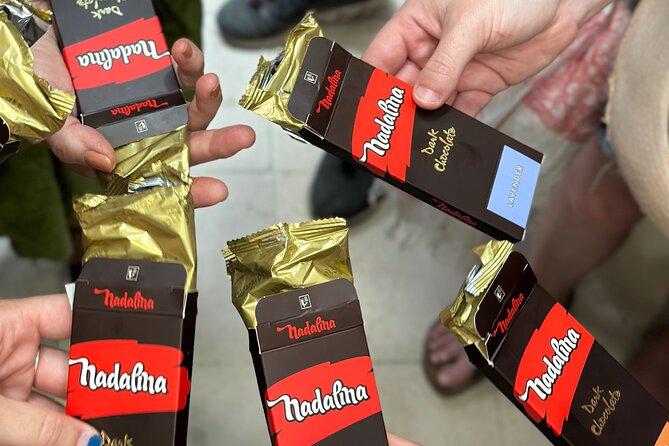
And then there are snacks. For a tour that’s all walking and no dining stop, that small inclusion is smart. It keeps your energy steadier and makes the cultural stops feel less like interruptions.
Price and value: $258.88 per group makes sense for private pacing
The price is $258.88 per group, up to 8 people, for about 1 hour 20 to 1 hour 35. That may sound steep if you compare it to a big-budget bus tour or an individual hostel walking group. But it’s built for a private-group feel.
Here’s the value logic I’d use to judge it:
- You’re not paying per person for a giant crowd experience; you’re paying for a guide-led route that works for your group size.
- The tour includes snacks and local stops that cost time and effort to organize.
- The guide’s focus on storytelling plus photo planning means you get more from every minute you’re already spending walking.
If you’re traveling as a couple, a small family, or a group of friends who want answers and context without crowd chaos, the per-group model often feels fair. If you’re solo and want the cheapest possible option, you might consider whether you’d rather pay less for a larger public tour.
Practical tips before you go (so you get more out of every stop)
This is a compact walking route through key areas of Split’s historic center and palace spaces. To enjoy it, plan for a pace that prioritizes movement and storytelling over long museum-style pauses.
A few practical ideas:
- Wear comfortable walking shoes for a city walk that loops through old streets and palace areas.
- Keep your phone charged for the mobile ticket and photos (the route is photo-forward).
- Come hungry enough for the included snacks, but expect that some cultural “tastes” during the walk may be part of the experience.
- Bring a curious mindset. The guide’s whole theme is noticing how residents live alongside the ruins.
Who this People of Split tour is best for
This tour fits best if you want:
- A guided way to understand Diocletian’s Palace without drowning in dates
- A stronger feel for local life than you’d get from a checklist
- Photo help that’s grounded in where you’ll actually be standing
It’s also a good pick if your group includes a mix of interests—Roman architecture fans, Game of Thrones fans, and people who just want the city’s everyday texture.
If you’re the type who prefers silence, free roaming, or slow-paced wandering with minimal talking, you may find the structure a bit directive. The tour is designed to keep momentum, so decide based on your travel style.
Final verdict: should you book this tour or skip it?
I’d book this tour if you’re visiting Split for the first time and you want a guided route that turns landmarks into lived-in places. The combination of Roman palace storytelling, local street observation on Dominisova ulica, and the toe-rubbing Gregory of Nin moment makes the walk feel like a full mini-story of the city.
I’d rethink if you’re on a tight schedule and hate any structured pace. This experience is short on purpose, with several stops that work best when you’re willing to move, look, and listen for the meaning behind what you’re seeing.
If you want Split with context and personality, this one delivers—fast, focused, and noticeably more human than a standard sightseeing walk.
FAQ
How long is the People of Split walking tour?
It runs about 1 hour 20 minutes to 1 hour 35 minutes.
What is the price?
The price is $258.88 per group, up to 8 people.
Is this tour private?
Yes. Only your group participates.
What language is the tour offered in?
The tour is offered in English.
Where do we meet for the tour?
Meet in front of the Split sign, 21000 Grad, Split, Croatia.
Where does the tour end?
It ends at Golden Gate, Dioklecijanova 7, 21000 Split, Croatia.
What is included in the tour price?
Included are a heritage interpretation guide & storyteller, a local guide native of Split, suggestions for the best photo spots, and snacks.
Is admission included for the stops?
The stop notes show admission tickets as free for the listed locations.
Are service animals allowed?
Yes, service animals are allowed.
What are the tour hours?
It’s listed as 8:00 AM to 6:00 PM, Monday through Sunday.
Is free cancellation available?
Yes. You can cancel for a full refund if you cancel at least 24 hours in advance of the experience start time.