REVIEW · SPLIT
Game od Thrones- Klis Tour_Authetich Local Food/Wine Tasting
Book on Viator →Operated by My Split Tours - travel agency · Bookable on Viator
Klis Fortress is drama in stone. This 5-hour Dalmatia drive pairs cliff-top history with a real food ritual tied to the UNESCO intangible heritage list. You’ll see how locals treat Soparnik as more than dinner—it’s a tradition with rules, timing, and a little theater.
I especially like the focus on Soparnik itself: how it’s shaped, how it’s cut, and how the host’s guest gets the first piece from the center. I also like that you don’t just eat and leave—you hear context in Gata and then watch the dish being made at a local family spot in Tugare.
One possible consideration: the schedule moves quickly—fortress, then Gata, then food and wine—so if you want long unstructured time in each place, you may feel a bit rushed in a 5-hour window.
In This Review
- Key Things I’d Bank On Before You Go
- Klis Fortress and the Views from the Kozjak–Mosor Passage
- Gata Village: Poljica Republic Life Above Omis
- Eko-etno Sela Tugare and the Soparnik Food Ritual
- Wine in the Bucara: How the Tasting Fits the Meal
- Price and Logistics: What $417.68 Gets You in Split
- Who This Klis–Gata–Tugare Tour Suits Best
- Should You Book This Tour?
- FAQ
- How long is the Klis, Gata, and Soparnik tour?
- Where does the tour start and end?
- Is pickup offered?
- What stops are included?
- Is there an admission fee for Klis Fortress?
- What food do you try on this tour?
- Is wine included?
- How big is the group?
- Can I cancel for a full refund?
Key Things I’d Bank On Before You Go
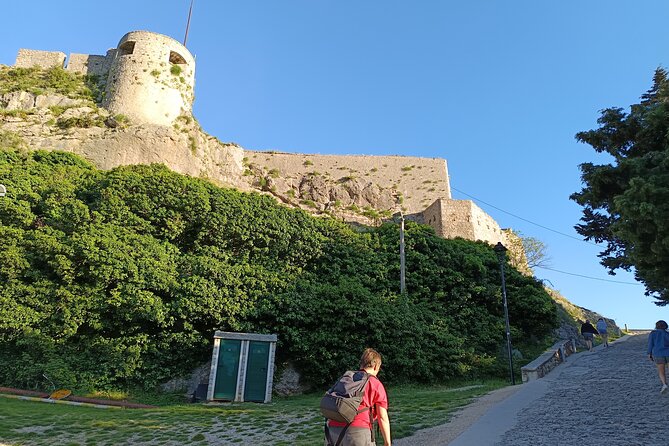
- Klis Fortress cliff views with a strategic-history introduction and free admission
- Gata village + Poljica republic context led by a local guide
- Handmade Soparnik ritual with the center-to-edge tradition and a guest honor moment
- Wine served alongside the Soparnik experience, with the wine placed at the dish’s center after cutting
- Small-group feel with a maximum of 14 people on the tour and pricing built around groups up to 8
Klis Fortress and the Views from the Kozjak–Mosor Passage
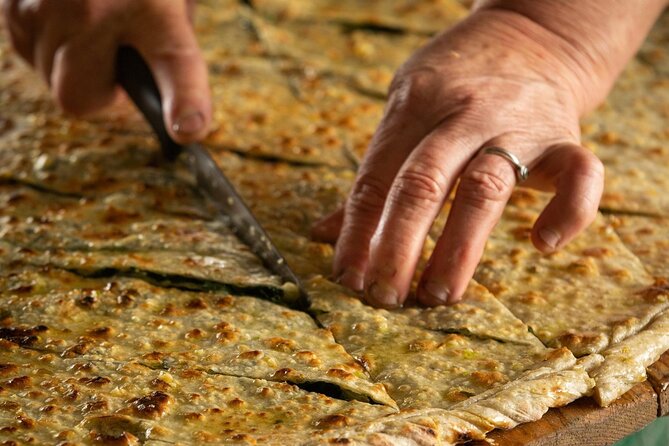
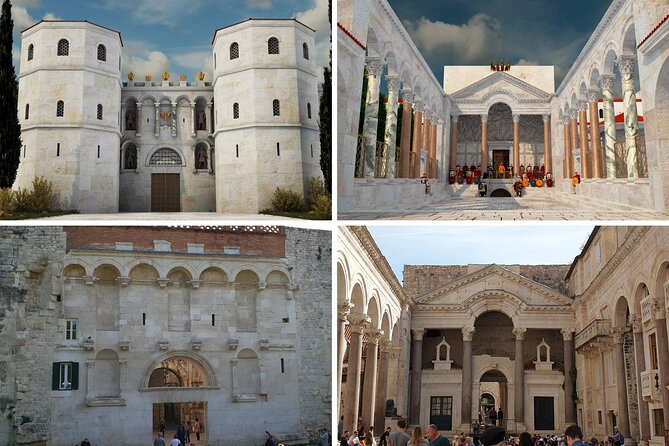
Your tour starts in Split and heads to Klis Fortress, built on a steep, hard-to-reach cliff at the passage between the Kozjak and Mosor mountain massifs. That choice of location isn’t random—it’s exactly why Klis mattered for centuries. From there, the place reads like a map: control the pass, control movement, control the region.
You get about 2 hours here, including time for the fortress setting and an on-site historical museum stop. The best part for most people is the mix of structure and scale: the fortress is compact enough to take in without needing a day-long hike, but dramatic enough that you immediately understand why it was strategic.
You’ll also appreciate the practical detail that admission is free for the fortress stop. That means your money goes to the core experience—food, wine, and local storytelling—rather than fees stacking up at each site. If you’re planning photos, build in a few minutes for changing light; the views from a cliff can shift fast depending on clouds and sun.
Tip for your comfort: wear shoes that handle uneven ground. Even if you’re not doing a big hike, fortress terrain tends to be old stone and slopes.
You can also read our reviews of more food & drink experiences in Split
Gata Village: Poljica Republic Life Above Omis
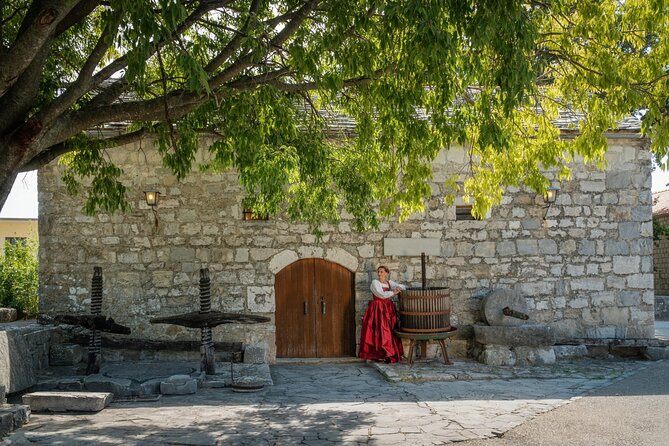
Next you drive to Gata, where you spend about 2 hours learning the local story around the Poljica republic. You arrive around 12:30, and a local guide meets you there. This is the kind of stop that turns place-names into people and practices, because you’re not just looking at a building—you’re hearing how a community organized itself and why that mattered.
Gata sits above Omis, and the setting gives you a sense of why communities developed in sheltered, defensible areas. The tour frames this part as a lifestyle story across time, from medieval roots through to today. Even in a short visit, the Poljica republic focus helps you connect the dots between fortress power and village life.
A small caution: because this segment is about context and explanation, it can feel more “talk-led” than “walk-led.” If you love being out in the open taking photos, you’ll still get scenery, but your attention will mostly be on the guide’s narrative.
The payoff is that you’ll carry that knowledge into the next stop. When you reach the food ritual in Tugare, it lands better because you’ve already learned how local culture preserved itself through family traditions.
Eko-etno Sela Tugare and the Soparnik Food Ritual
Around 15:00, you reach Eko-etno sela Tugare, which is where the tour’s biggest highlight happens: Soparnik, Croatian traditional food. The tour also calls Soparnik the Croatian version of pizza, but the name matters less than the method.
Here, you go to a local family restaurant where they make the Soparnik dish. This isn’t presented as a vague tasting. It’s a staged, step-by-step tradition with clear rules:
- Traditionally, the Soparnik is taken from the middle towards the edges
- The guest of honor gets the first rhombus from the middle
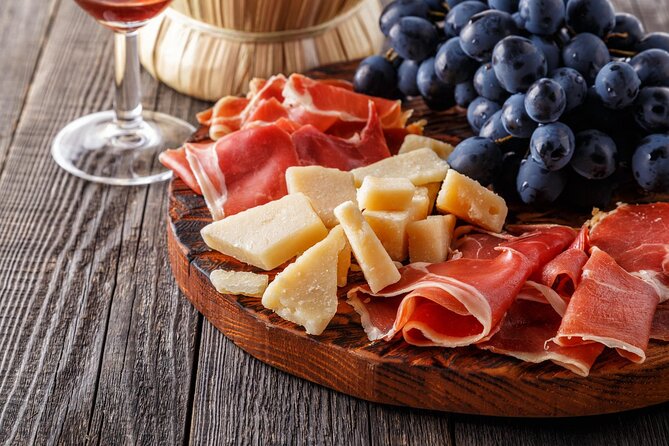
- The dish is served with wine in a bucara (a small wine vessel) placed in the middle of the steamer after cutting
That “center to edges” detail might sound small, but it’s exactly the kind of thing that makes this feel local instead of generic. It turns a meal into an event with roles, gestures, and a shared rhythm. If you’ve ever wondered why people care so much about food traditions, this is the answer: it’s about sequence and community, not just flavor.
And flavor is not left to chance. Based on the experience shared through past visitors, the Soparnik is genuinely tasty and satisfying—simple, but not boring. You also get wine alongside it, which helps you pace the meal and makes the experience feel complete.
Practical advice: eat at a reasonable pace. This is one main food stop, and the ritual format works best when you’re not rushing or trying to multitask.
Wine in the Bucara: How the Tasting Fits the Meal
Soparnik here isn’t served by itself. The tradition includes a bucara of wine that’s placed at the center after the dish is cut into pieces. That means you don’t just sip as an afterthought—you’re tasting as part of the presentation.
This matters for two reasons:
First, it sets a tempo. You taste alongside the serving moment, not after the fact. Second, it ties the wine directly to the dish. In other words, it’s not a separate “optional drink”—it’s built into how the meal is shared.
In past experiences, guides have been praised for making the food feel personal, not just procedural. One guide named Jure is specifically mentioned for making Klis Fortress feel vivid, while another named Ivan is noted for the same kind of impact. When a guide can connect fortress views to village life and then into food ritual, the day stops feeling like a checklist.
If you’re choosing what to drink, follow your own comfort. Wine is part of the meal, but you’re the one steering your pace—especially if you’ll still be walking and taking photos afterward.
Price and Logistics: What $417.68 Gets You in Split
The tour price is listed as $417.68 per group, with room for up to 8 people. At full capacity, that works out to about $52 per person. Even if your group is smaller, it’s still worth comparing against what you’d pay for a private fortress transfer plus a proper local food stop.
Here’s the value equation that makes sense in real life:
- No admission ticket cost at the main fortress stop
- A real food-making experience (not just a quick bite)
- A historical and cultural stop in Gata with a local guide
- Wine served as part of the Soparnik ritual
- Pickup offered, which matters in Split because parking and timing can get annoying
The tour runs for about 5 hours and ends back at the starting meeting point on the Split Riva. If you like efficient days that still feel human, this length is a good fit. It’s also a small group format: maximum 14 travelers total on the activity, which generally keeps the experience from turning into a cattle-line.
One more practical note: confirmation is received at booking time, and free cancellation is available up to 24 hours before the start. If your plans are flexible, that reduces stress while you pick dates.
You can also read our reviews of more tours and experiences in Split



Who This Klis–Gata–Tugare Tour Suits Best
This is best for people who want their Croatia trip to feel specific, not generic. If you like:
- fortress views with clear historical context
- village-level stories (like the Poljica republic) explained in plain language
- a food ritual that teaches you how locals actually do things
- wine paired with the meal, not tucked away as an afterthought
…then you’ll probably enjoy this day a lot.
It’s also a strong choice for couples or small groups who want a shared experience without going full private. And because you’re dealing with a cliff fortress and outdoor walking time, it’s smart to bring basics like water and sun protection, and to dress for changing weather.
If you’re coming with strict dietary needs, you’ll want to clarify in advance. The available information focuses on Soparnik and wine as part of the experience, so any substitutions aren’t guaranteed from the details provided here.
Should You Book This Tour?
I’d book it if you want a one-day package that mixes Klis Fortress, village history in Gata, and an authentic Soparnik experience with wine that’s part of the ritual. The strongest “yes” signals are the distinctiveness of the food method (center-to-edge and guest honor piece) and the way local guides have been praised for making the day coherent, not just stop-and-go.
I’d think twice if you crave long, slow exploration with lots of free time at each site. This itinerary is built for momentum in about 5 hours. It’s more “taste and learn” than “wander for hours.”
If you like guided structure and you’re excited to eat like locals in Dalmatia, this one is a solid bet.
FAQ
How long is the Klis, Gata, and Soparnik tour?
It’s about 5 hours total.
Where does the tour start and end?
It starts at Split Riva 21.000, 21000 Grad, Split, Croatia and returns to the same meeting point.
Is pickup offered?
Yes, pickup is offered.
What stops are included?
You visit Klis Fortress, Gata (with a local guide), and Eko-etno sela Tugare for the Soparnik experience.
Is there an admission fee for Klis Fortress?
No. The admission ticket is listed as free for the fortress stop.
What food do you try on this tour?
You get the chance to experience and taste Soparnik, a Croatian traditional dish made by local hosts.
Is wine included?
Yes. Soparnik is served with a bucara of wine, and the wine is part of the serving ritual.
How big is the group?
The tour has a maximum of 14 travelers. Pricing is listed as per group for up to 8 people.
Can I cancel for a full refund?
Yes. Free cancellation is available up to 24 hours before the experience starts for a full refund.