REVIEW · SPLIT
Small-Group Communist Tour of Split – Boutique group tour
Book on Viator →Operated by Pomalo tours · Bookable on Viator
Communism in Split is easier to see than you think. This tour gives you a focused way to understand Split’s Communist past through WWII context and stories tied to real neighborhoods, not just vague slogans. Two things I love here: the guide’s history-teacher clarity and the fact you ride in a private vehicle between dispersed sites. One possible drawback: if you mostly want the old-town highlights and beaches, this route leans heavily into architecture and 20th-century history, so it may feel less scenic.
You’ll spend about 3 hours 30 minutes with a small group (up to 8), in English, which keeps the pace human and the questions actually possible. And because the tour uses an air-conditioned, private vehicle, you’re not playing taxi-or-bus roulette in the middle of the day. You’ll even get a soft local soda/pop that connects today’s tastes with the communist-era vibe.
The final thing that makes this tour click is how it connects places to ideas. You’re not just looking at buildings; you’re walking through how housing, schools, health, work, and politics were meant to function under Tito’s Yugoslavia—then ending with a stark symbol at the railway station.
In This Review
- Key points to know before you go
- Why Split’s communist story is worth a dedicated tour
- The 3.5-hour format: small-group pace with private vehicle comfort
- Stop 1 at Trg Franje Tuđmana: WWII damage and the road to a new state
- Poljud Stadium and the China Wall: Yugoslav socialist architecture in two iconic forms
- Koteks shopping center: what “modern” meant in socialist consumer life
- Split 3 and the Cruiser: planned living, working, health, schools, and politics
- Kopilica railway station and the armored train: the breakup explained through a symbol
- Price and value: what $108 buys you in Split
- Practical tips so you get the most out of it
- Who should book this communist tour of Split?
- Should you book this communist tour of Split?
- FAQ
- FAQ
- How long is the communist tour of Split?
- What time does it start, and where does it meet?
- How big is the group, and is the tour in English?
- Do I need to buy tickets for the sites you visit?
- What’s included in the price besides the guide?
- What should I do if the weather is bad?
- Can most people participate, and what’s the cancellation option?
Key points to know before you go
- Small group, up to 8 people: easier conversation and better attention to details
- Private air-conditioned transport: you cover spread-out stops without wasting time
- WWII to Tito context: the guide explains how the communist state grew out of what came before
- Poljud Stadium plus the China Wall: bold Yugoslav socialist architecture, with MoMA-level connections
- Koteks mall and consumer life: you see what “modern shopping” looked like in socialist Yugoslavia
- Split 3 and the armored train ending: planned neighborhoods to the breakup era, explained through what you can see
Why Split’s communist story is worth a dedicated tour
Split has the classic face most visitors come for—stone, sea, and coastal charm. But there’s another Split that’s just as real: the one shaped by WWII, Yugoslavia’s communist system, and the planning mindset that produced entire districts instead of piecemeal changes.
This tour is built for people who want that side of the city in a clear order. You start with wartime damage and the chain of events that feeds into a new communist state. Then you move forward in time through iconic architecture and everyday-life ideas: stadium-building pride, “modern” consumer spaces, and a planned neighborhood designed around living, working, and resting.
The value for you is the way the guide ties form to function. Architecture here isn’t just pretty. It’s propaganda, policy, and social engineering—sometimes inspiring, sometimes uncomfortable, and always worth understanding if you want to get beyond postcard history.
You can also read our reviews of more tours and experiences in Split.
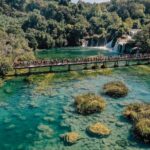

The 3.5-hour format: small-group pace with private vehicle comfort
The tour runs for about 3 hours 30 minutes and starts at 9:00 am at the Autobusno stajalište Sv. FraneTrg Franje Tuđmana area. It ends back at the same meeting point. That “return-to-start” setup matters because it means you’re not stuck planning your next hop after a history-heavy outing.
With a maximum of 8 travelers, you’re not just following along with a big crowd. You get a bit more flexibility for questions, and the guide can keep the stories connected instead of racing between talking points. English is offered, and you’ll get a mobile ticket, which is convenient for day-of entry and reduces fuss at the start.
The other practical win: you don’t need to coordinate between far-apart locations. The itinerary is spread out across Split, and the tour solves that with an air-conditioned vehicle. In warm weather, that difference can feel huge.
Stop 1 at Trg Franje Tuđmana: WWII damage and the road to a new state
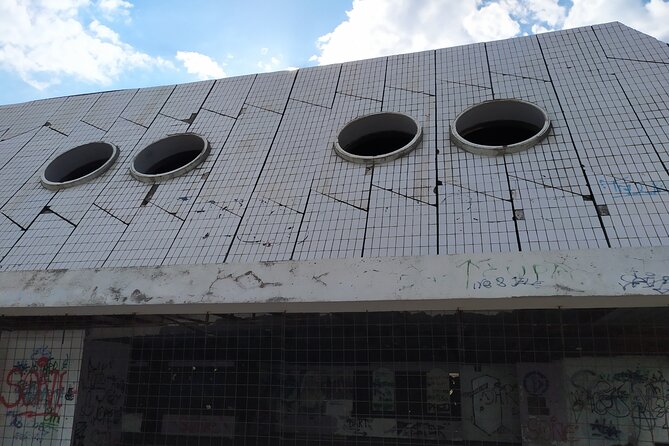
Your first stop is Trg Franje Tuđmana, where the group meets at the bus station on the square. This beginning is smart because it sets up the timeline before you start seeing buildings. You’ll get a quick orientation to the communist tour of Split, plus background on major WWII events in Split and Yugoslavia.
You’ll also see pictures showing damage in Split during the war. That visual starting point matters. It helps you understand why postwar Yugoslavia cared so intensely about rebuilding and reshaping society. The guide links those wartime shocks to how a new communist state formed, so you’re not stuck interpreting everything later on your own.
The practical downside: this is the most “intro and explanation” portion. If you prefer action and scenery first, you might feel a bit in lecture mode at the start. But it’s also the piece that makes the later stops click.
Poljud Stadium and the China Wall: Yugoslav socialist architecture in two iconic forms
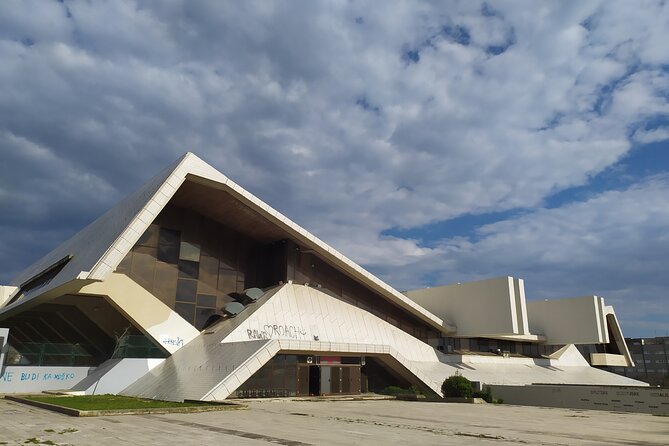
Next you move to Poljud Stadium for a short panoramic stop. Even without going inside, the stadium tells a story about ambition. The tour frames it as one of Split’s symbols and highlights that it was built to host major sporting moments in Yugoslavia, with the Mediterranean Games as a key reference point.
Here’s why you’ll probably enjoy this stop: you learn how Yugoslav architecture and public building were meant to project strength, modernity, and national pride—at a scale that reached beyond the region.
Right there you’ll also pay attention to the China Wall, described as the widest existing building in Split. It’s presented as part of Yugoslav socialist architecture, and the tour connects it to the broader style of the era.
One standout detail for anyone who’s into architecture history: the guide points out that Poljud Stadium and the later Split 3 project were among top exhibits in a Yugoslavia architecture exhibition at MoMA in New York. That little connection gives you a useful lens. You’re not just seeing “local old buildings.” You’re looking at design that gained international attention.
Time-wise, this is brief—around 10 minutes—so treat it like an architectural appetizer. The real meat comes later.
Koteks shopping center: what “modern” meant in socialist consumer life
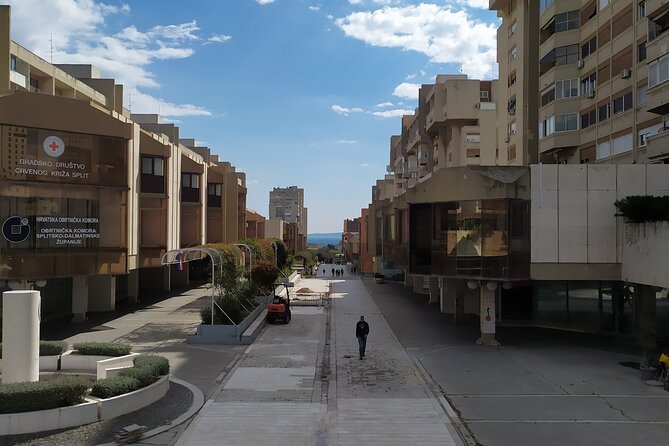
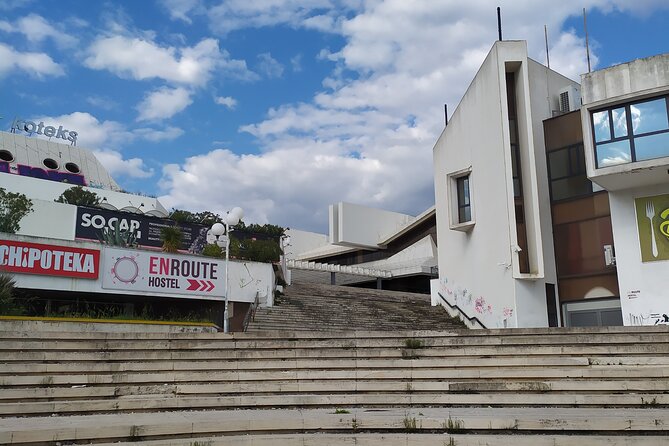
The tour then shifts from public spectacle to daily routine at Prodajni centar Koteks, described as the first shopping mall in Yugoslavia. You’ll walk around the area and hear how the idea of shopping worked in the communist state.
This stop is where the tour gets especially human. The guide explains that Yugoslav consumer life sat between two poles: an open West influence and a more closed East reality. That created a constant need for creativity in supplying goods and meeting everyday needs.
You’ll also hear what happened to this “modern” shopping concept over time: it gained popularity, then declined as years passed. That arc is useful for you because it prevents rose-tinted nostalgia. It shows that even within a planned system, the real world runs on shortages, expectations, and change.
How much walking? The itinerary calls for walking around the Koteks area for about 30 minutes, which is enough to absorb the setting without exhausting you. Still, bring comfortable shoes. This is not a sit-down museum tour.
Split 3 and the Cruiser: planned living, working, health, schools, and politics
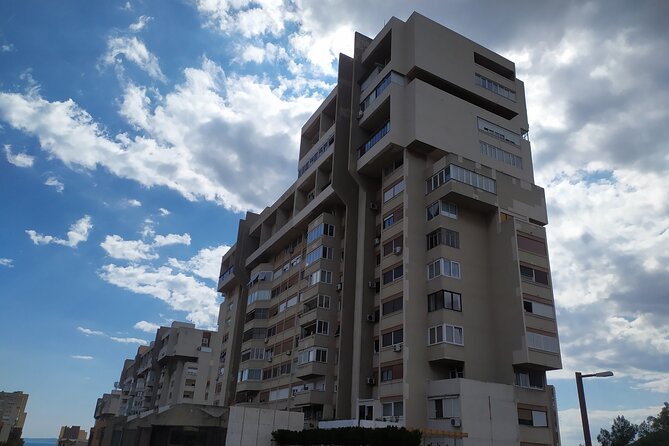
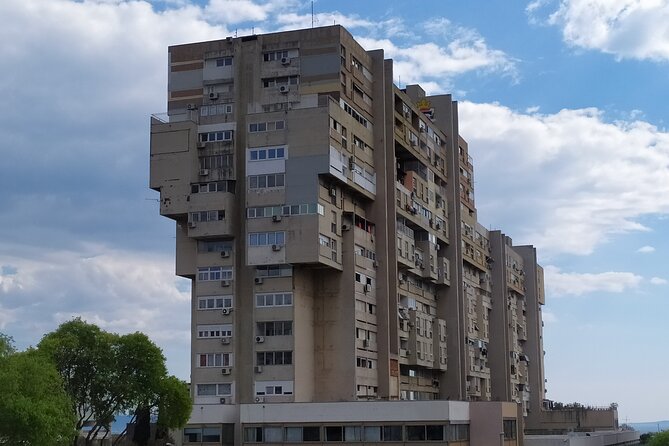
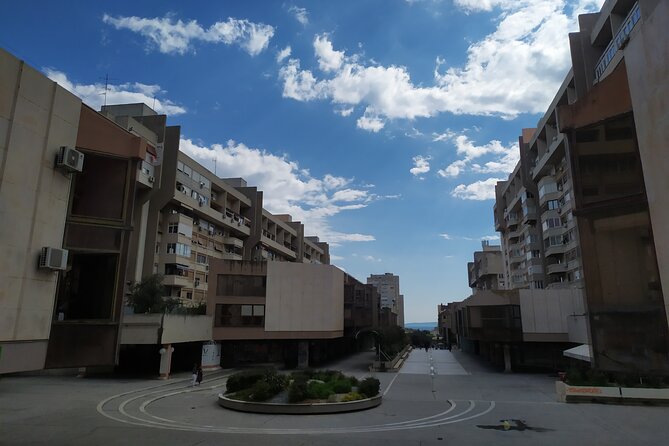
Stop 4 is the star if you like architecture and social policy in one place: Split 3, a modern communist Yugoslavia neighborhood purposely built to provide quality living, working, and resting for its habitants.
You’ll walk around to check different architecture styles and hear how local architects shaped buildings with signature touches, including a building called Cruiser. The guide also connects design to systems: housing policy, educational system, health system, economy, social life, and politics. Tito plays a big role here, especially the guide’s emphasis on the dictatorship of Yugoslav communist leader Tito, using examples tied to the Split area.
This is where the tour becomes more than a history lecture. You start seeing how a “neighborhood plan” becomes a framework for daily life. Even if you don’t agree with the ideology, you can still understand the logic: build a district with the institutions and rhythms people are supposed to follow.
You’ll also get time to breathe. The itinerary includes 1 hour 10 minutes at this location for free time, which is valuable. It lets you slow down and absorb the architecture without constant talking. If you want to step away from the group and just watch how the neighborhood functions, this is your moment.
The MoMA connection returns here too: Split 3 is described as one of the top exhibits in that same Yugoslavia architecture exhibition at MoMA in New York. That’s a great reminder that this isn’t only a niche local story; the planning has been studied as an example of residential projects.
Kopilica railway station and the armored train: the breakup explained through a symbol
You finish at Kopilica railway station, where the tour turns from what Yugoslavia built to what it couldn’t hold together.
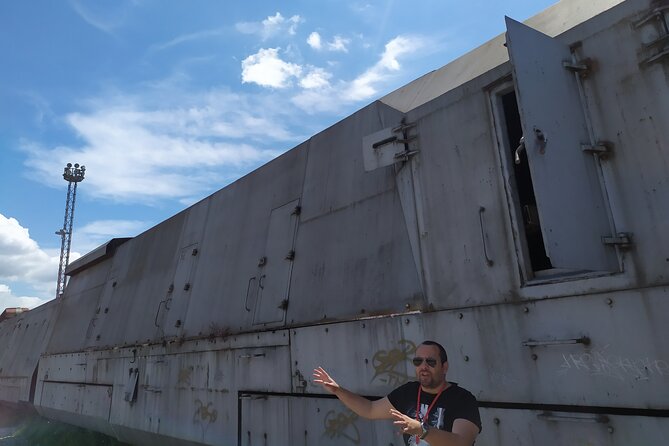
You’ll hear reasons Yugoslavia didn’t manage to survive, and why the end in the 1990s became violent, culminating in a bloody war. This isn’t just a “history facts” ending. The guide uses what you can see: an armored train exposed on the railway.
That armored train works as a symbol. The tour frames it as representing the beginning of the brutal end of Yugoslavia, with consequences that changed relations among nations and religions in southeast Europe again. You’ll likely feel the emotional weight of that as you stand there. It’s one thing to read headlines; it’s another to link them to a physical object that clearly signals conflict.
This stop runs about 30 minutes, so it lands firmly as a final chapter rather than a long wrap-up.
Price and value: what $108 buys you in Split
At $108.14 per person, this tour sits in the mid-range for a specialized history experience in Split. The main reason it can be good value is what’s included and what’s limited.
You get:
- Private transportation in an air-conditioned vehicle
- A local guide with in-depth, educational-style explanations
- A typical soft local drink (soda/pop) popular in communist Yugoslavia as it is today
- Stops where the admission is listed as free
For comparison, many city tours cost similar amounts but make you solve the transportation gap yourself. Here, the vehicle matters because the sites are dispersed, and the whole point is connecting them into one story.
The other value angle is group size. With a maximum of 8 travelers, your experience can feel more personal. In one highly rated run, the tour ended up effectively as a one-on-one experience with the guide Boris, which shows how the boutique structure can translate into more attention.
If you’re traveling with a tight schedule and you want a guided, structured look at Yugoslavia-era Split without hunting down scattered architecture on your own, this price can make sense.
Practical tips so you get the most out of it
A few simple moves will help you enjoy this tour more:
- Arrive a little early at the Trg Franje Tuđmana meeting area so you can get oriented before the stories start.
- Wear comfortable walking shoes. You’ll walk around Koteks and Split 3, even if stops are short.
- Bring a camera, but also pause. The tour’s strongest moments come from listening to context while you look at what the guide points out.
- Since the experience requires good weather, check the forecast. If the day is iffy, you may get offered another date or a full refund.
- If you care about architecture, ask the guide to explain how design connected to policy. The tour is set up to make that connection.
One more tip: drink the included soda/pop if it’s offered during your tour stop. It’s a small thing, but it’s a nice touch that links daily life then and now.
Who should book this communist tour of Split?
I’d book it if you:
- Want more than old town views and beaches
- Like architecture tied to politics and everyday life
- Enjoy a clear timeline (WWII context first, then Yugoslavia-era systems)
- Prefer a small group and a guided route that uses private transport
You might skip it if you want only light sightseeing with minimal history. This tour doesn’t pretend communist-era life was simple. It’s more thoughtful, more specific, and more focused on systems and symbols.
Should you book this communist tour of Split?
If your interests lean toward Yugoslavia history, Tito-era planning, and the architecture you can still see today, this is an efficient and satisfying way to get it in one morning. The itinerary is structured like a story, not a scavenger hunt: WWII context, emblematic public architecture, consumer-life reality, planned neighborhoods, then the symbolic ending at the railway.
The decision comes down to your style. If you enjoy learning while you walk and you’re okay trading some classic tourist sights for something sharper and less standard, book it. If you want relaxation and scenery only, you may feel the focus is too historical.
One last planning note: the tour is often booked about 10 days in advance, so if you’re set on a specific date, it’s smart to lock it in sooner rather than later.
FAQ
FAQ
How long is the communist tour of Split?
The tour lasts about 3 hours 30 minutes.
What time does it start, and where does it meet?
It starts at 9:00 am at Autobusno stajalište Sv. FraneTrg Franje Tuđmana, 21000, Split, Croatia, and it ends back at the same meeting point.
How big is the group, and is the tour in English?
The tour is offered in English and has a maximum of 8 travelers.
Do I need to buy tickets for the sites you visit?
Admission at the listed stops is free, so you shouldn’t need separate admission tickets for those specific stops.
What’s included in the price besides the guide?
The price includes air-conditioned private transportation and a typical soft local drink (soda/pop).
What should I do if the weather is bad?
The experience requires good weather. If it’s canceled due to poor weather, you’ll be offered a different date or a full refund.
Can most people participate, and what’s the cancellation option?
Most travelers can participate. You can cancel for a full refund if you cancel up to 24 hours in advance of the experience start time.