REVIEW · SPLIT
Split: Krka Waterfalls Tour, Boat Cruise, and Swimming
Book on GetYourGuide →Operated by BOOKER - Travel Agency · Bookable on GetYourGuide
Krka day trips turn your Split time into something outdoorsy. You get a bus ride into Krka National Park, a guided walk to the famous falls, then a panoramic boat hop to Skradin for a proper break and a swim where the river meets the sea. I like the mix of hands-on scenery (especially Skradinski Buk) plus a guided stop at the small ethno-village and power-plant sites. The one thing to keep in mind: the boat portion is short, so don’t expect a long, full-on cruise.
This is a well-paced 9-hour outing that also helps you dodge the hardest part of a visit: timing. You’ll meet the guide at Marulićeva ul. 4 (Booker Travel Agency office) and you’ll want to arrive about 15 minutes early so the day doesn’t start with a scramble. If you’re lucky with the timing, you’ll catch the falls at their best; guides can even adjust the day when weather or crowds shift.
In This Review
- Key things worth knowing before you go
- Why Krka feels like a reset from Split
- The bus ride out: 75 minutes of context and planning
- Krka National Park: Skradinski Buk and the ethno-village
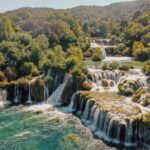
- Skradinski Buk: why it’s the payoff
- The ethno-village: the human layer
- Your free time inside the park
- Jaruga hydroelectric power plant: the engineering detour that actually fits
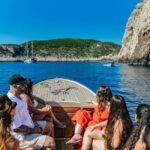
- Panoramic boat ride to Skradin: scenic, but not a long cruise
- Skradin at the river mouth: lunch, fortress views, and a real swim
- A walk through town (and what to aim for)
- Lunch and free time
- Swimming: this is where the water payoff happens
- Timing, crowds, and weather: how the day stays enjoyable
- Price and value: is $31 the real deal?
- What to bring (and what makes the day easier)
- Who should book this Krka day trip (and who might skip)
- Should you book Krka: boat, falls, and Skradin swim?
- FAQ
- Where do I meet the guide for the Krka tour?
- How long is the tour from Split to Krka and Skradin?
- Is swimming allowed in Krka National Park?
- Is the Krka National Park entry ticket included?
- What stops are included during the day?
- What should I bring to the tour?
- What language is the tour guide?
Key things worth knowing before you go
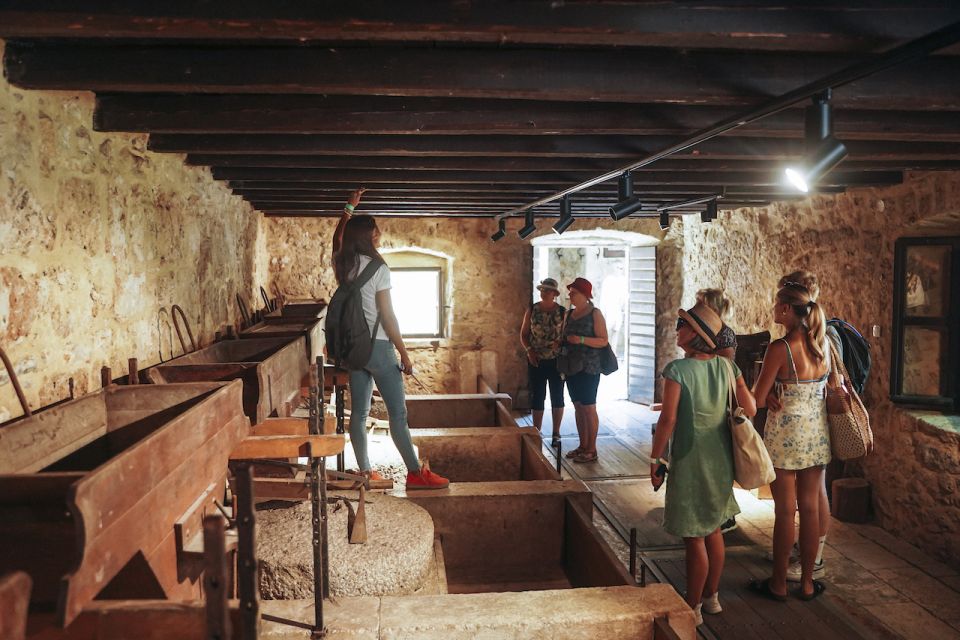
- Skradinski Buk is the star: your guided time focuses on the park’s biggest waterfall area and the best viewpoints.
- Small ethno-village stop: you’ll learn what daily life looked like in the region through a short, guided visit.
- Jaruga hydroelectric power plant: you’ll stop at a plant often cited as the second oldest in the world and the first in Europe.
- Panoramic boat ride to Skradin: it’s scenic, but it’s brief, so plan your expectations around a short transfer, not a long cruise.
- Swimming is in Skradin, not Krka: you’ll cool off on a beach where the Krka River meets the Adriatic.
- Guides can keep the day smooth: many guides run the logistics tightly and share updates through their group chat system.
Why Krka feels like a reset from Split
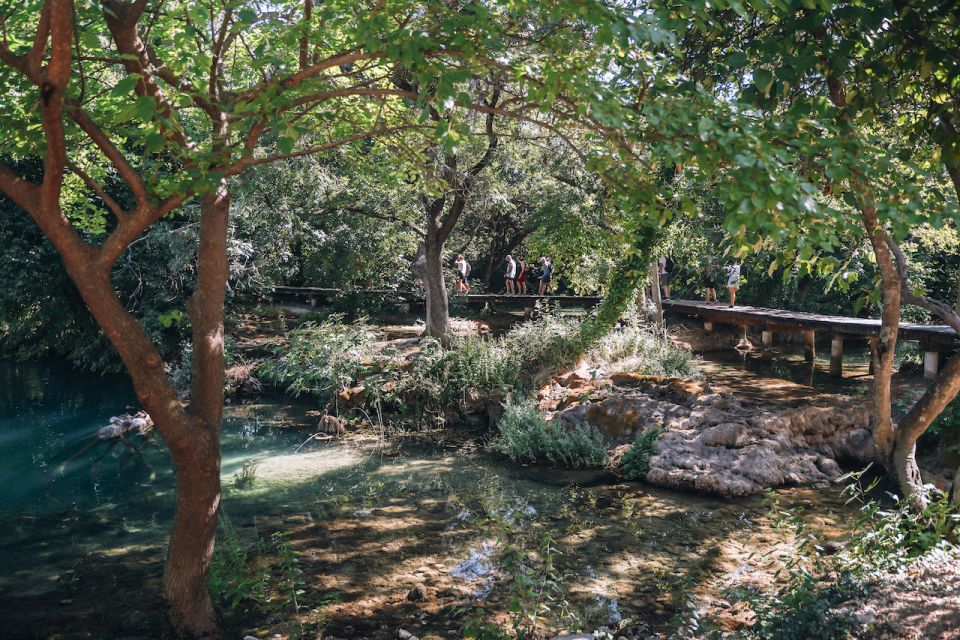
Split can be loud, hot, and crowded in the peak hours. This tour flips the script fast. After you leave the city, the day becomes about fresh air, moving water, and that steady rhythm of a guided plan plus free time.
What I like most is that you don’t just “see a waterfall.” You get context. The park isn’t random scenery; it’s a living river system with people, engineering, and protected nature all tied together. Even if you only have one day outside town, this tour gives you a full picture.
And the pacing is practical. You’re not stuck in a long transfer with nothing to do. The bus ride includes commentary along the way, then you get a structured park visit, and later you get a real break in Skradin.
You can also read our reviews of more boat tours in Split

The bus ride out: 75 minutes of context and planning
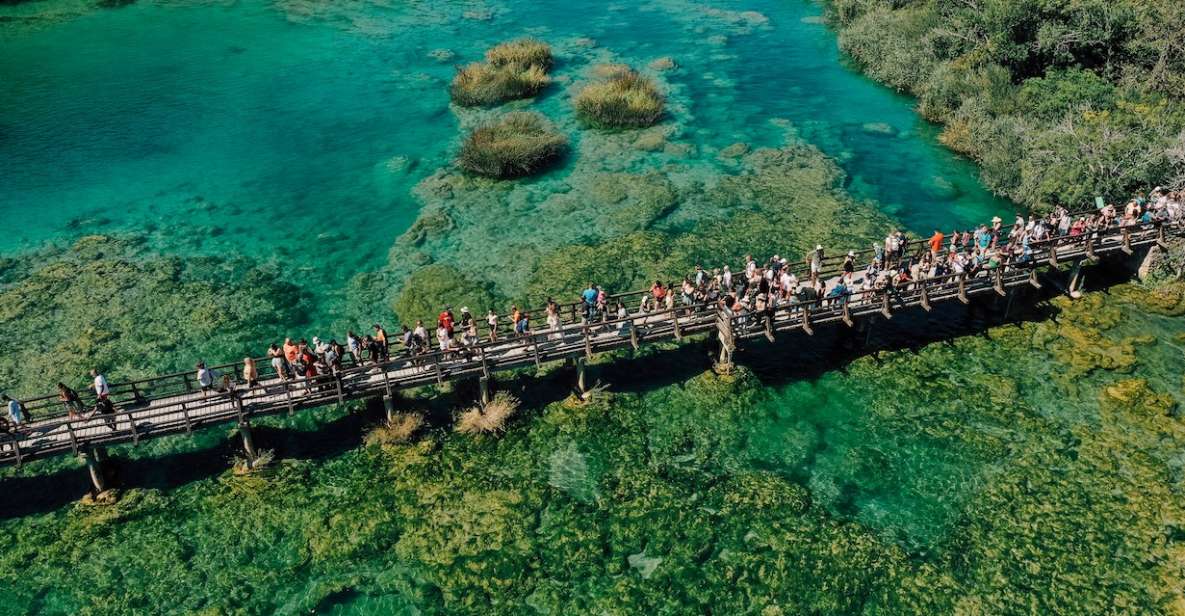
Your schedule starts with a bus/coach ride that’s about 75 minutes. That’s long enough to settle in, grab water, and get the first layer of context.
On this kind of trip, the guide matters a lot. In past groups, names like Luka, Ivana, Gabriella, Ela, Sanja, and Nikola have led the day with clear timing and lots of on-the-go explanations. You’ll usually learn what to watch for in the park, where the key sights sit, and what to do with your free time once you’re there.
Also, the communication style helps. Some guides use a WhatsApp group to send updates and keep people on track. If you’re traveling solo, that type of quick, direct messaging can calm the nerves fast—especially for a day that includes queues, walking paths, and a swim stop.
Krka National Park: Skradinski Buk and the ethno-village
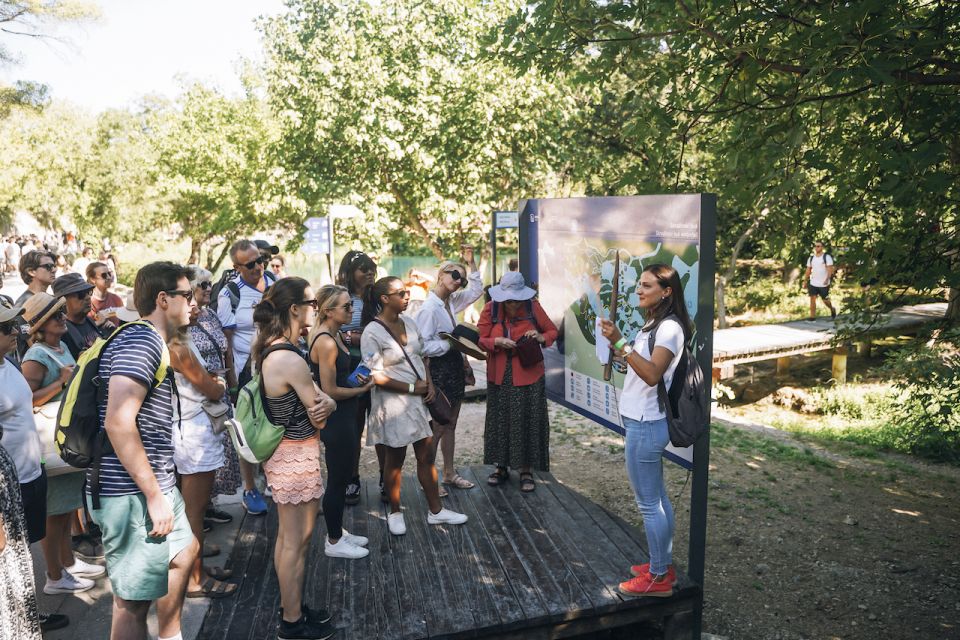
In Krka National Park, your guided time is about 2.5 hours. That usually includes the most dramatic waterfall area—Skradinski Buk—plus a stop at a small ethno-village.
Skradinski Buk: why it’s the payoff
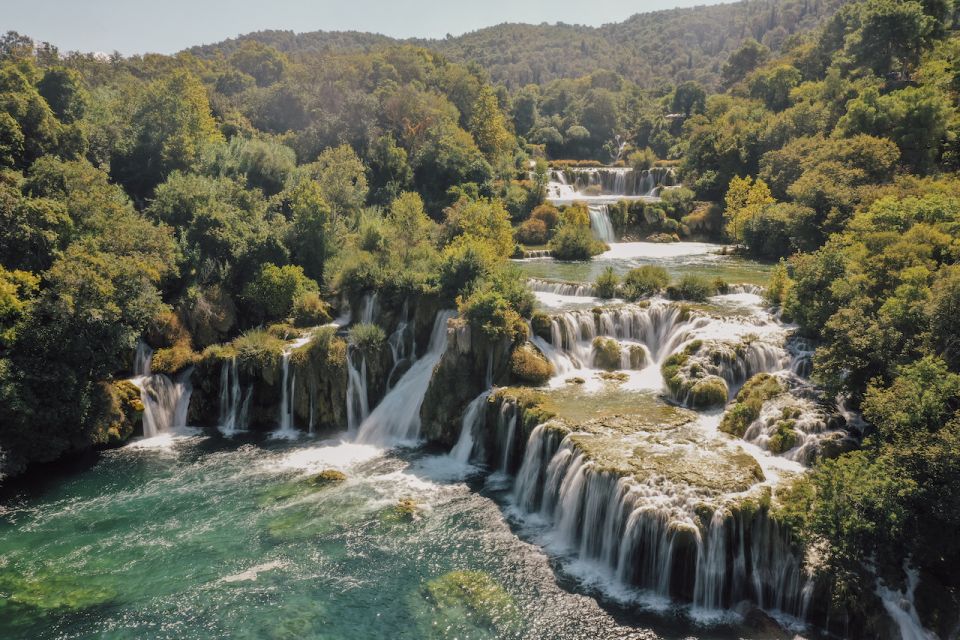
This is the moment most people are chasing. Skradinski Buk gives you that classic Krka view of cascades spilling over terraces. It’s the kind of place where you can stop, take pictures, and then keep walking just a bit to find a new angle.
The tour’s structure helps here. You get guided orientation first, then enough freedom to slow down. If you try to do this on your own without a plan, you can burn time figuring out paths and photo spots. On a day trip, that wastes daylight.
The ethno-village: the human layer
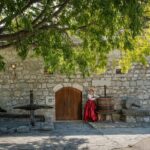
The ethno-village stop is brief, but it adds meaning. It’s not just a nature detour; it’s part of the story of how people shaped and lived around this region. You’ll hear the facts in a way that’s built for a group day—short, clear, and tied to what you’re seeing.
Even if you’re not a history museum person, I think this stop is worth it because it breaks the day into two moods: waterfall wow, then a slower cultural pause.
Your free time inside the park
After your guided sections, you’ll have time to wander. This is where your own decisions matter. If you want photos, prioritize the viewpoint flow first and then circle back for calmer spots. If you’re more “walk and breathe” than “shoot and dash,” take it slower and enjoy the sound of water up close.
Comfort tip: wear shoes you don’t mind getting damp. You’ll be on walkways near the falls, and the ground can be slick.
Jaruga hydroelectric power plant: the engineering detour that actually fits
Between the waterfall time and the rest of the day, you’ll continue to the Jaruga hydroelectric power plant. This is the second oldest hydroelectric plant in the world and the first in Europe—facts that instantly make the day feel bigger than just a scenic stop.
Here’s why this works for most visitors: you’re not hearing random engineering trivia. You’re seeing how water power fits the same river world you’re standing in. The scenery stays tied to the explanation, and the stop gives your brain a break from constant waterfall looking.
If you like real-world topics—how places function, how technology shaped regions—this is the kind of stop that turns a “pretty day” into a day with memories you can explain afterward.
Panoramic boat ride to Skradin: scenic, but not a long cruise
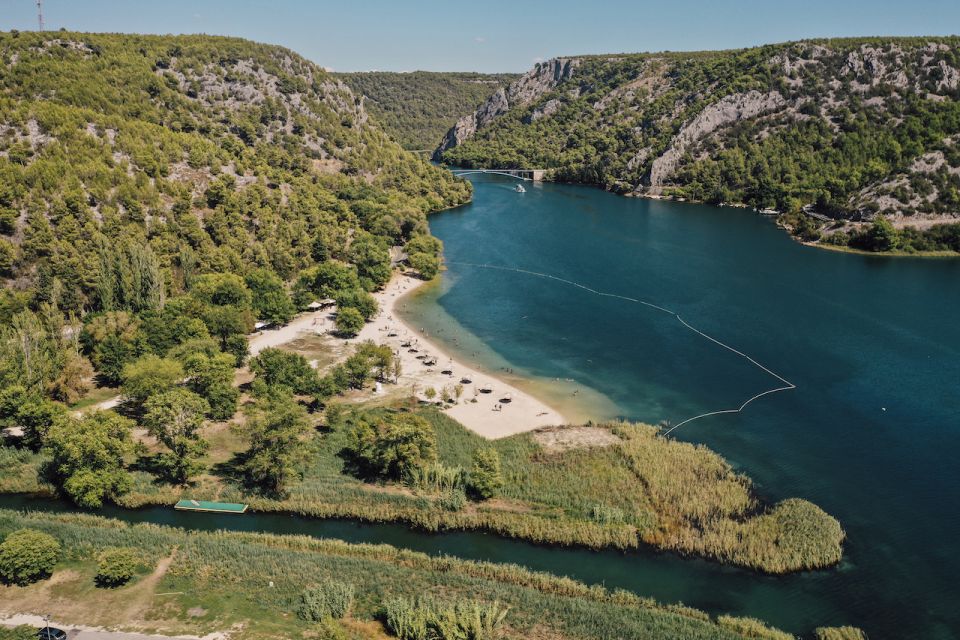
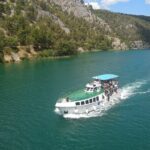
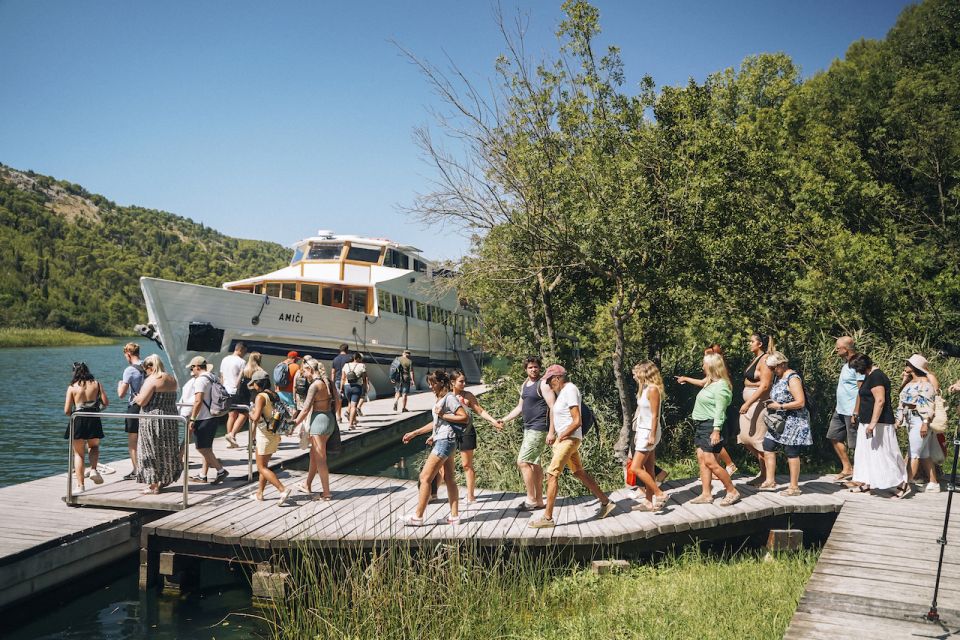
Then comes the river boat ride inside the park: about 30 minutes.
This is where you should reset expectations. The day is marketed as a panoramic boat experience, and it is scenic. But the boat segment is brief, so it won’t replace a full day cruise. Think of it as a moving viewpoint and a transition tool that gets you to Skradin efficiently.
Practically, that short duration is a plus. It keeps the schedule tight, and it means you can spend more time where you can linger—Krka on foot and Skradin on the ground.
If you’re the type who loves to maximize water views, treat the boat ride like your “grab the big picture” window. After that, you’ll have town time and beach time, which are the longer hang-out parts of the day.
Skradin at the river mouth: lunch, fortress views, and a real swim
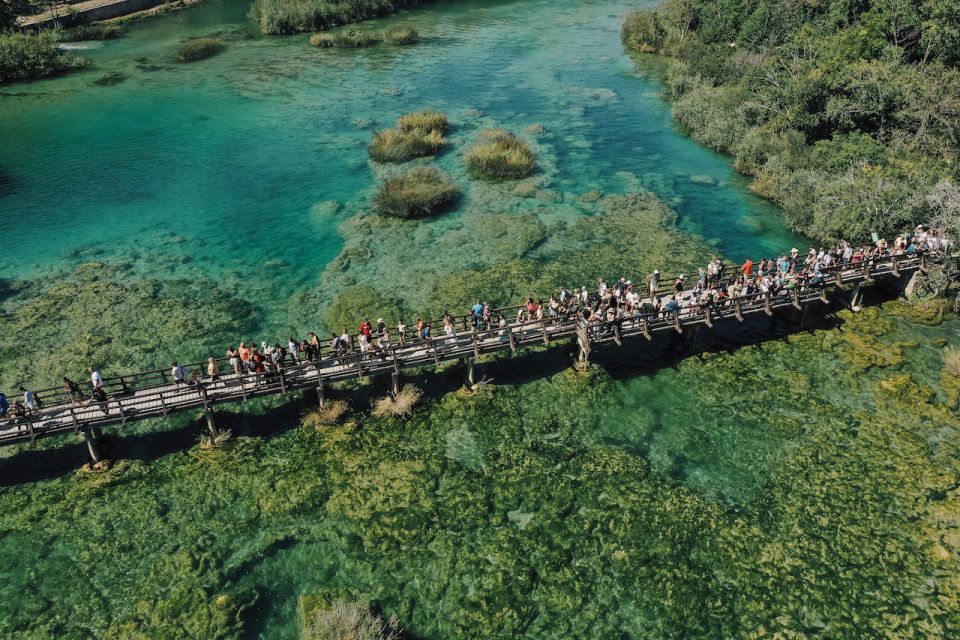
Skradin is where your day gets warmer and more social.
You’ll arrive for about 2 hours. That’s enough time to walk the city core, find a place for lunch, and still have a chunk of relaxed time by the river and sea.
A walk through town (and what to aim for)
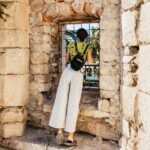
You’ll get some sightseeing time in the old core area, plus a visit to a small fortress. The fortress is the kind of stop where you’ll feel the geography instantly: the river channel, the coastline, and the way this town sits at the meeting point.
If you’re into easy photos, this is a good place to do it. You’ll also get a natural “pause” in your day—less walking than the falls, more places to stand and look.
Lunch and free time
Lunch isn’t included in what you provided, so you’ll be choosing food on site. Plan to budget for it as part of your overall day cost.
The upside: with this tour, you’re not rushed into a set meal. You can pick what fits your mood—something local, something simple, or just a cold drink and a sit-down break.
One more practical detail: card payments may not be accepted in every small spot. If you’re heading into town hungry, it’s smart to carry some cash.
Swimming: this is where the water payoff happens
Now the big rule: swimming inside Krka National Park is not allowed. Your swim time is in Skradin—on a beach where the Krka River meets the sea.
That’s a big difference. In the park, you’re sightseeing and standing near the falls. In Skradin, you can actually get in, cool off, and feel like you’re on vacation rather than on a walking tour.
Bring swimwear and a towel. And don’t forget sunscreen. This is Croatia summer logic: even if it’s perfect in the morning, the sun can catch up while you’re enjoying that late-day break.
Timing, crowds, and weather: how the day stays enjoyable
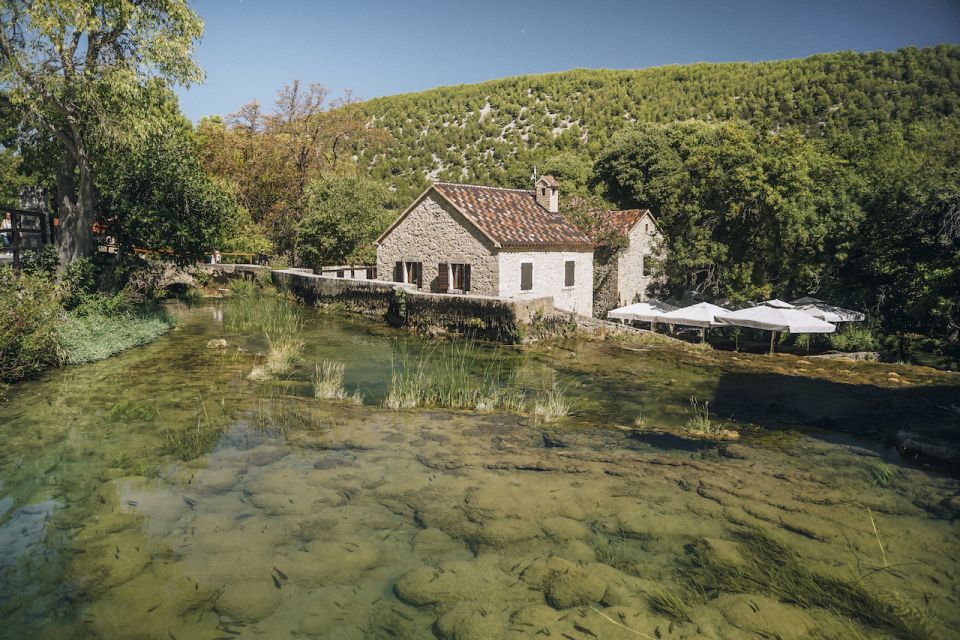
Krka can get busy, and the falls can look dramatically different depending on weather and light. What helps on this tour is that it’s built around a guided plan with room to breathe.
In real life, guides sometimes adjust the order to dodge worst crowd blocks or to improve the chance of sunshine at the waterfalls. Even if your day doesn’t get a perfect weather twist, you’re still set up to enjoy the day because you’ll have:
- park time with guided flow,
- an efficient boat transfer,
- and a longer stay in Skradin where you can relax even if the sky shifts.
Also, the total time is about 9 hours. That’s long enough for two major areas (park plus Skradin), but short enough that you won’t feel trapped all day.
Price and value: is $31 the real deal?
You’re looking at a price listed around $31 per person. That’s a strong value for what you typically get: an English-speaking guide, air-conditioned bus transfer, entry tickets when selected, a panoramic boat ride, swimming time in Skradin, and insurance.
The main variable is park entry. The tour gives you two ways to book:
- If you select the option with entry tickets included, you should be covered.
- If you don’t select that option, you’ll pay for park entry tickets in cash (euros) on the day of the tour.
Season matters too. Park entry ticket pricing changes across the year:
- June–September: adults €30, students/children 7–18 €15, under 7 free
- April/May/October: adults €16, students/children 7–18 €10, under 7 free
- Jan/Feb/Mar/Nov/Dec: adults €5, students/children 7–18 €4, under 7 free
So how do you judge value? Look at the full package:
- You’re paying for the guide + transport + boat + Skradin swim time.
- Park entry is sometimes the biggest extra cost, so check what’s included for your dates.
- If you’d otherwise do it yourself, you’d spend time sorting transport, entry, and timed logistics—things the tour handles for you.
In practice, the tour tends to feel worth it when you want a structured day and you don’t want to spend your limited vacation time on planning.
What to bring (and what makes the day easier)
The tour info is clear on what you should pack. I’d follow it closely:
- Sunglasses and sun hat (sun hits harder than you expect)
- Swimwear, towel, and sunscreen (your Skradin swim depends on it)
- Water and cash (cash can be handy in town)
- Student card if you qualify for the student discount
One more practical thought: if you’re doing the falls and then changing into swim mode, plan a small “transition setup.” A towel you can use fast, and a way to keep wet stuff contained, saves time and mood.
Who should book this Krka day trip (and who might skip)
This tour fits best if you want:
- a Krka Waterfalls tour from Split without planning every step,
- a guided visit to Skradinski Buk plus a cultural stop,
- and a real swim stop that’s timed into the day.
It’s also a good pick for solo travelers who want a guide-led plan and a group structure. The guides often run the day tightly, and the messaging support (like WhatsApp groups) can help you feel oriented.
You might consider another option if:
- you’re expecting a long boat cruise (this boat transfer is short),
- you specifically want to swim inside the national park (that’s not allowed),
- or you dislike guided group pacing and prefer to wander entirely on your own.
Should you book Krka: boat, falls, and Skradin swim?
Yes, if you want the classic Krka day with a smart split between nature, a bit of culture, and a proper break in a coastal riverside town. I think it’s especially good value when your date makes park entry reasonable and when you care about having a guide steer you through the best parts.
If you’re the type who wants lots of unstructured time only, or you’re chasing a long boat day, adjust your expectations before you book. But if your goal is to see the waterfalls, then cool off by the sea at Skradin, this tour is exactly built for that.
FAQ
Where do I meet the guide for the Krka tour?
You meet your guide at Marulićeva ul. 4 at the Booker Travel Agency office. You should arrive about 15 minutes early and enter the office for check-in.
How long is the tour from Split to Krka and Skradin?
The total duration is about 9 hours.
Is swimming allowed in Krka National Park?
No. Swimming inside Krka National Park is not allowed. You’ll be able to swim at a beach in Skradin where the Krka River meets the sea.
Is the Krka National Park entry ticket included?
It depends on your booking option. If you select an option with entry tickets included, it’s covered. If not, you pay for entry tickets in cash in euros on the day of the tour.
What stops are included during the day?
You’ll travel from Split to Krka National Park for a guided tour and sightseeing, then have a panoramic boat ride toward Skradin, and spend time in Skradin for lunch, sightseeing, and swimming.
What should I bring to the tour?
Bring sunglasses, a sun hat, swimwear, a towel, sunscreen, water, and cash. Student travelers should bring a student card for the discount.
What language is the tour guide?
The tour guide is English-speaking.