REVIEW · SPLIT
Split/Trogir: Mostar and Medjugorje Tour with Wine Tasting
Book on GetYourGuide →Operated by www.south-tours.com · Bookable on GetYourGuide
Mostar to Medjugorje, packed into one day. This tour strings together the Old Bridge and the old bazaar in Mostar, then shifts to Medjugorje for mass and the Apparition Hill area, with a glass of Bosnian wine waiting after your walk. The trade-off is real: you’re moving for about 10 hours, and the hill area can be tough when it’s hot or rocky underfoot.
I like the pacing because Mostar gets real guided focus, not just a photo stop. You’ll also get entry included for the Ancient House Museum, plus time to wander and shop on your own after the main tour.
One more consideration: you’ll be crossing cobblestones and uneven surfaces, and the bridge area can feel crowded. If you have any balance issues, plan for slower steps and sturdy footwear, especially if you aim for the hill walk.
In This Review
- Key moments you’ll care about
- Split or Trogir to Bosnia: why the ride time matters
- Mostar’s guided route: Old Bridge, mosque, bazaar, and the Ancient House Museum
- The wine tasting stop: small, included, and surprisingly worth it
- Medjugorje in 2 hours: mass, the shrine area, and the hill walk option
- Timing and pacing: what you’ll actually fit in
- What this tour feels like for different travelers
- Practical tips that will save you hassle
- Should you book the Mostar and Medjugorje tour?
- FAQ
- How long is the tour?
- Where does the tour start?
- Is Mostar guided during the visit?
- How much time do you get in Mostar and Medjugorje?
- Are wine tasting and museum tickets included?
- Do I need to pay any border crossing fees?
- Are meals included?
- What should I bring?
- FAQ
- Do I have to walk to Apparition Hill?
- Is the tour guide English-speaking?
Key moments you’ll care about
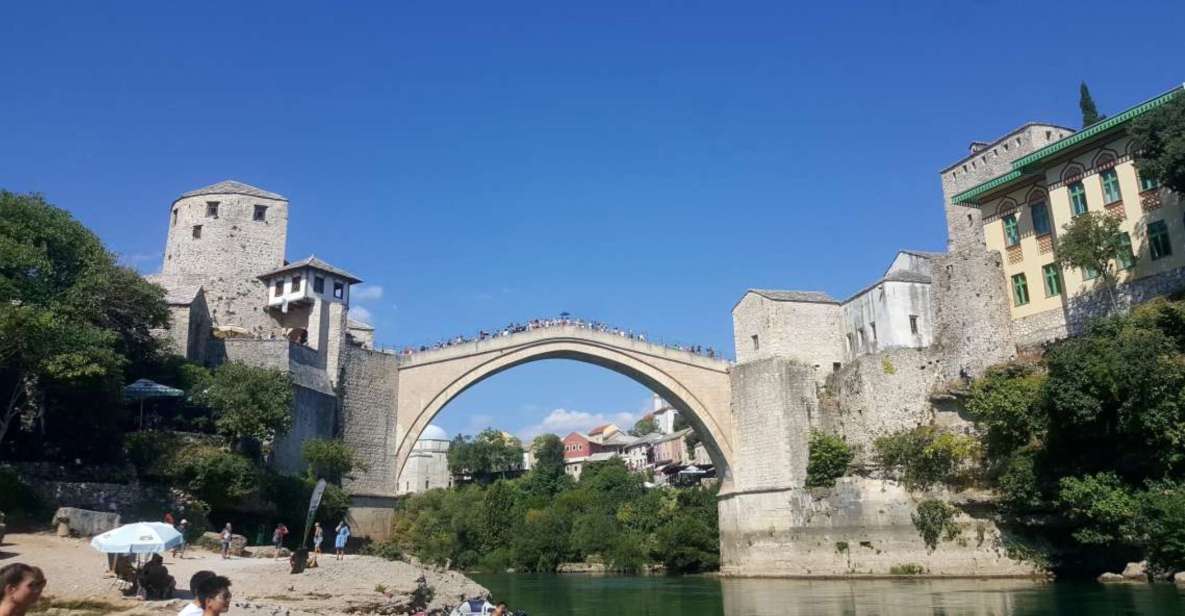
- Mostar’s 16th-century Turkish bridge: a guided stroll that’s scenic and a bit tricky on cobbles
- Old bazaar + Ancient House Museum entry: guided context before you go free-range shopping
- Main mosque visit in Mostar: a quick, respectful look at everyday city life
- Bosnian wine tasting after the Mostar tour: usually a glass, with the option to buy a bottle
- Medjugorje mass and Apparition Hill access: the spiritual core, with an optional climb
- You get free time in both places: not just a drive-through day
Split or Trogir to Bosnia: why the ride time matters
This is a full-day cross-border outing from the coast, designed for people who want to see Bosnia and Herzegovina without sacrificing their whole trip. You’ll travel in an air-conditioned vehicle with a driver, departing from either Trogir or Split depending on your booking option. Once you’re on the road, you’re looking at a long stretch of travel time, including about 2.5 hours by coach early in the day.
That timing affects your day in a practical way: you’ll want to treat Mostar and Medjugorje like two focused neighborhoods rather than two cities you can fully explore. The tour is built so you get a structured Mostar walkthrough, then a clearer religious-site window in Medjugorje, with free time built into both blocks.
There’s also the border piece to keep in mind. The tour includes a note that border crossing fees are €5 per person, and that it’s cash-only at the meeting point. If you don’t want any last-minute stress, bring that small amount of cash with you.
You can also read our reviews of more food & drink experiences in Split
Mostar’s guided route: Old Bridge, mosque, bazaar, and the Ancient House Museum
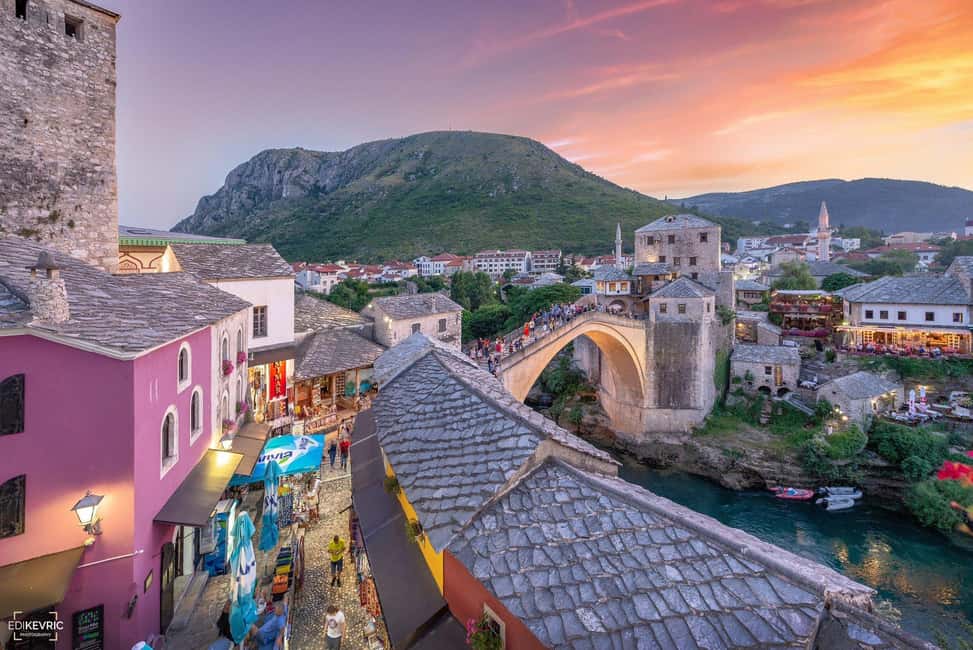
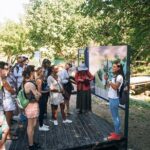
Mostar is the star segment of this day, and the schedule gives it about 3 hours of guided time plus free time. You start with an introduction from your English-speaking guide, then the route focuses on the parts of town that explain why Mostar looks the way it does.
Expect three key elements in the guided portion:
First: the city’s old bazaar area. This is where Mostar feels like a living market—shops, workshops, and narrow lanes where you can browse and get a sense of local craftsmanship. The tour doesn’t rush you through. You’ll have a guided walk first, then free time afterward to pick your own pace for shopping.
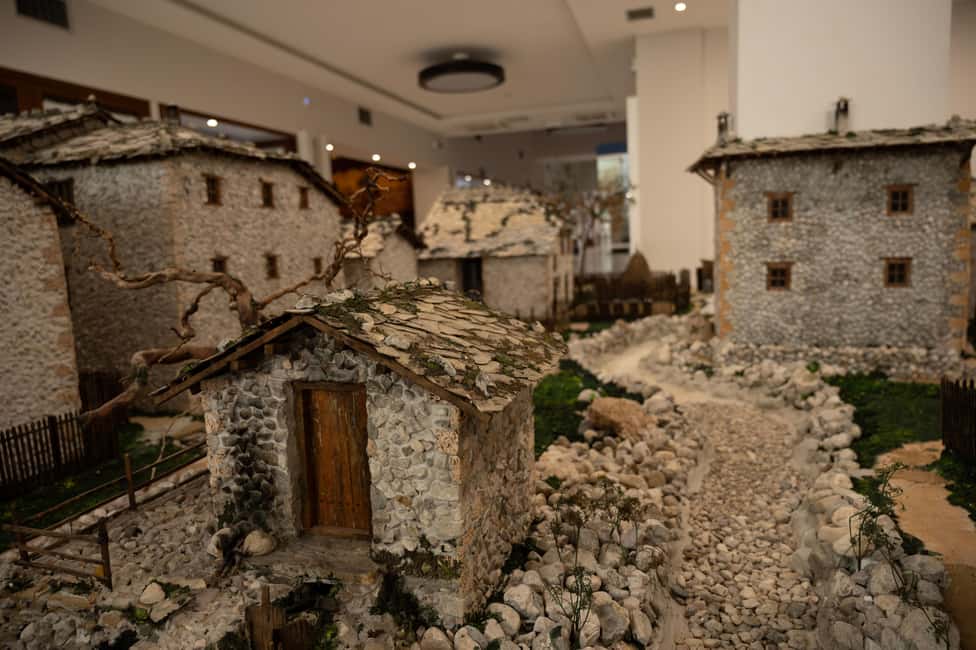
Second: the Ancient House Museum. Entry tickets are included, which matters because it’s one of the ways you get context beyond street scenes. Even if you mostly use it as a quick stop, having admission included saves money and keeps the schedule smoother.
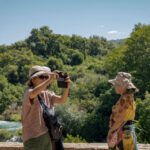
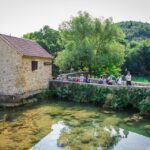
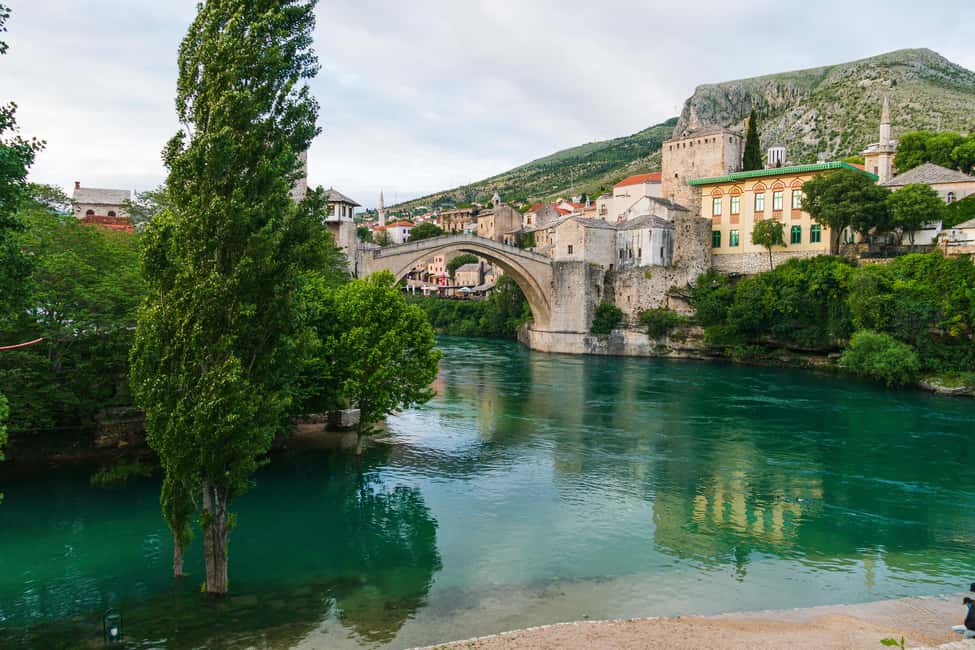
Third: the main mosque and then the Old Bridge itself. The tour includes a visit to the city’s main mosque, followed by a walk along the 16th-century Turkish bridge that gave Mostar its name. This bridge-and-river corridor is where photos happen—but the ground is part of the experience too. The cobblestones can be slippery, and the area can get busy, so take your time and keep your steps sure.
A smart move with Mostar: go with the guided flow first, then use the free time to shop strategically. If you want to browse without feeling hurried, it helps to decide what you’re after—small gifts, textiles, or something like a copper item—before you wander for 60–90 minutes on your own.
The wine tasting stop: small, included, and surprisingly worth it
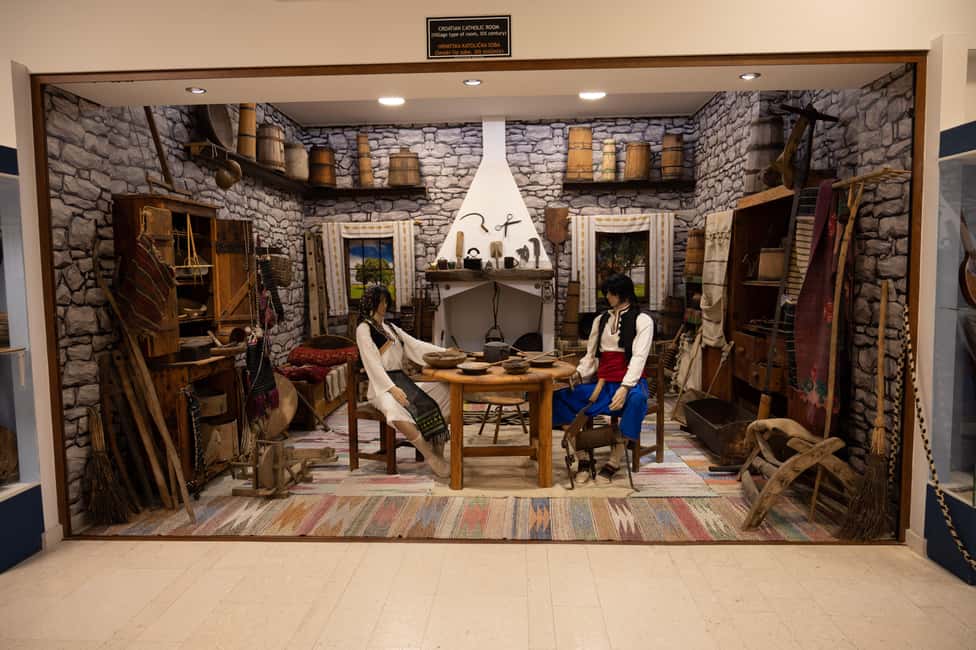
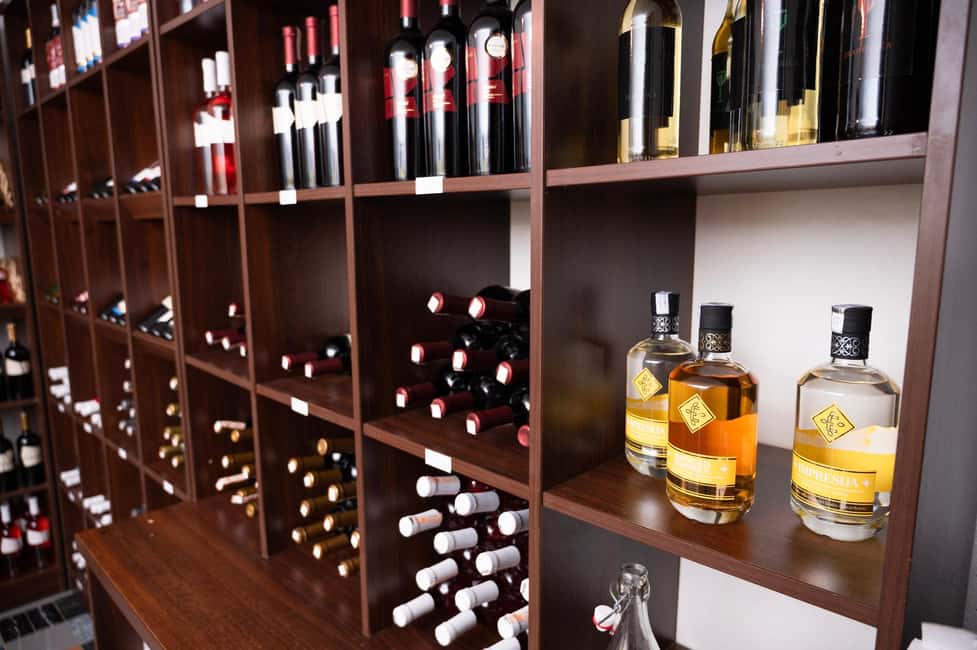
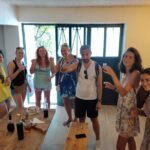
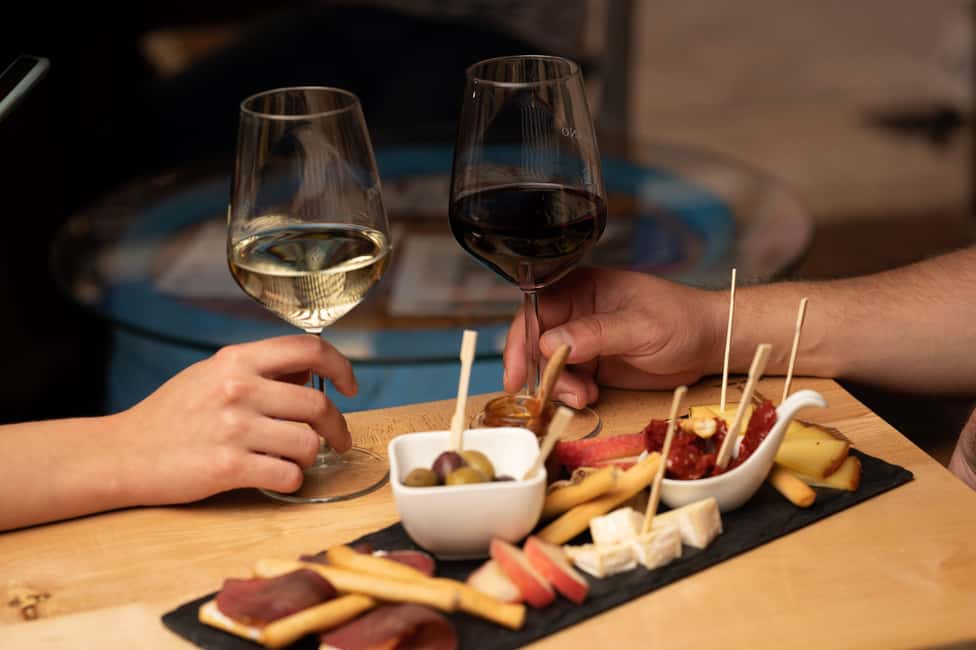
This is one of the simplest joys on the tour: after your Mostar guided portion, you’re invited to taste authentic Bosnian wine. The included tasting gives you a real taste of what local wineries offer, and it’s timed right when you’ve already worked up an appetite for a break—without turning into a long, separate tour.
Most importantly for value: the tasting is included in the price, so you’re not paying extra to get at least one real local product. Some groups report it’s a glass as part of the tasting experience, and there’s time to ask questions and learn a bit about what you’re drinking. If you like what you try, the tasting host also makes it possible to purchase a bottle.
If you’re a non-drinker, this isn’t a full alcohol tour with a long pour. You can treat it like a cultural add-on: you’ll still be part of the schedule, then you keep moving with your day.
Medjugorje in 2 hours: mass, the shrine area, and the hill walk option
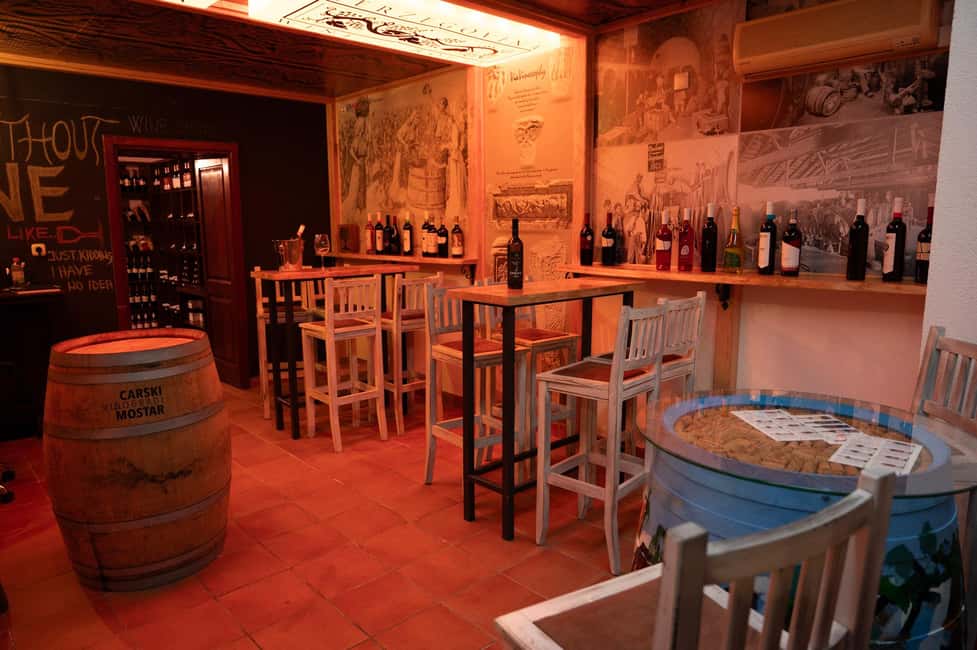
After Mostar, the tour shifts gears. Medjugorje is visited as a pilgrimage center tied to reported apparitions of the Virgin Mary. The schedule includes time in Medjugorje for sightseeing and free time, plus a walk to the hill of apparition area.
A few things make Medjugorje different from Mostar:
- It’s more about place and atmosphere than shopping.
- It can feel crowded at peak hours, especially around key religious times.
- The experience is more physically demanding if you choose to go up toward the hill.
The tour notes that for pilgrims—and for anyone who wants the spiritual side—holy mass is held along with the visit to the Apparition Hill area. There’s also an option for people who want it to take a walk up to Apparition Hill.
Here’s your practical reality check: the hill approach includes uneven, rocky ground. Reviews highlight that the climb can be challenging, and heat can be a limiting factor. In very hot conditions, some people may choose not to reach the top. So I’d plan like this: if you want to go up, wear shoes you trust and go at a careful pace. If you just want the shrine area and calmer viewing, you still get value from the visit.
Free time in Medjugorje also means you can step out for coffee or simply sit and reset between the emotional intensity of the pilgrimage site and the long return ride.
Timing and pacing: what you’ll actually fit in
This tour runs for 10 hours. When you do the math, the schedule is tight but workable because it uses guided time efficiently and keeps the free time windows meaningful.
Here’s how the main blocks tend to feel:
- Mostar is about 3 hours of guided sightseeing, then you’re released for shopping and independent exploring.
- Medjugorje gives you about 2 hours for sightseeing, free time, and the option to walk up toward Apparition Hill.
- The road adds up, so the day doesn’t include leisurely lunch stops or long museum marathons.
Also, meals and drinks are not included. That doesn’t mean you can’t eat well—it just means you need to treat food as your own planning task. With only a limited window in each location, it’s better to aim for something quick and local when you spot it rather than trying to find a perfect sit-down meal.
If you’re the type who hates rushed tours, keep your expectations realistic. This is the kind of day trip where you leave with strong impressions—most of them positive—but you won’t leave feeling like you mapped every street in either town.
You can also read our reviews of more wine tours in Split

What this tour feels like for different travelers
This day trip is a strong match if you want a “two-worlds” day:
- If you’re in Split or Trogir and don’t want to drive yourself, the air-conditioned coach setup is a relief.
- If you like guided structure that helps you understand what you’re seeing, Mostar’s mosque stop, Old Bridge walk, and bazaar context work well.
- If you care about the pilgrimage side, Medjugorje’s mass timing and Apparition Hill area give that focus.
It’s also a good option if you enjoy local touches like the included wine tasting, because it’s not treated as an add-on that eats your schedule.
On the other hand, it may not be ideal if:
- You want lots of unstructured time in only one place.
- You struggle with uneven ground or slippery cobblestones.
- You’re hoping for a slow, reflective pace in Medjugorje. The visit has free time, but it’s still a time-boxed stop during a long day.
Practical tips that will save you hassle
A few things you’ll thank yourself for bringing or planning:
- Bring your passport or ID card. Cross-border days require it, and the tour explicitly notes to bring it.
- Wear comfortable shoes. This is non-negotiable for the Old Bridge area and especially for the hill walk conditions.
- If you want to go toward Apparition Hill, plan for uneven rocks and possible heat. Even when the climb is optional, the route can still feel demanding.
- Have €5 cash ready for border crossing fees at the meeting point.
- Mentally expect crowds in the key zones: the bridge area in Mostar and the shrine area in Medjugorje can both get busy.
One small mindset tip: go in expecting “best of” rather than “everything.” You’ll enjoy it more that way, because the tour is designed to hit the big emotional points in a single day.
Should you book the Mostar and Medjugorje tour?

I’d book this tour if you’re short on time on the Adriatic coast and want real variety in one day: historic Mostar with its iconic bridge and bazaar energy, plus Medjugorje with mass and a serious pilgrimage atmosphere. The included Ancient House Museum entry and wine tasting make it feel like more than a simple bus drive, and the free time windows help you shape your own version of the day.
I wouldn’t book it if you want a relaxed pace, or if you’re uncomfortable with uneven ground and a packed schedule. This is a long day, and the hill segment plus city-center walking means your shoes and your stamina matter.
If your goal is to leave Split or Trogir with strong stories from Bosnia and Herzegovina—Mostar’s bridge-day moment and Medjugorje’s hill-and-shrine experience—this is one of the better ways to do it.
FAQ
How long is the tour?
The tour lasts 10 hours.
Where does the tour start?
It departs from one of two starting locations, either South Tours Travel Agency in Trogir or South Tours Travel Agency in Split, depending on the option you book.
Is Mostar guided during the visit?
Yes. You get a sightseeing tour in Mostar with an English-speaking guide, plus a guided visit to the bazaar area and museum.
How much time do you get in Mostar and Medjugorje?
Mostar includes about 3 hours for guided sightseeing plus free time, and Medjugorje includes about 2 hours for sightseeing, free time, and the walk option.
Are wine tasting and museum tickets included?
Yes. The Ancient House Museum entry tickets and wine tasting are included.
Do I need to pay any border crossing fees?
Yes. Border crossing fees are €5 per person and are payable in cash at the meeting point.
Are meals included?
No. Meals and drinks are not included.
What should I bring?
Bring your passport or ID card and wear comfortable shoes.
FAQ
Do I have to walk to Apparition Hill?
The walk to the hill of apparition is part of the experience, and the tour also notes it can be optional. Wear comfortable shoes, because the hill area can involve uneven rocks.
Is the tour guide English-speaking?
Yes, the tour includes an English-speaking guide.