REVIEW · SPLIT
2 Day Pass with Sightseeing Bus
Book on Viator →Operated by Apodos Travel Agency · Bookable on Viator
Roman ruins and olive oil in two days. This pass is a practical way to get Split’s main sights in a short window, with a 48-hour ticket that keeps the plan flexible. I like that the day is built around a real mix: a guided walk through Diocletian’s Palace substructures plus time out at places you can explore at your own pace, like the Olive Museum at Stella Croatica. One thing to watch: the schedule is tight, so you may not get long, deep wandering at every stop—especially if you want to see everything in detail.
You’re also set up with onboard help: the bus includes an audio system with headset, free Wi-Fi on board, and multilingual commentary (including English, and other languages on the city narration). Guides matter here, and some departures have featured names like Gordana, Magdelana, Doris, and Barbara in different parts of the experience. The main drawback is that a few people reported hiccups like audio not working well or missing expected segments on their second day, so it helps to stay flexible.
In This Review
- Key things to know before you go
- Price and Logistics: What $38.62 Buys You in Split
- The 48-Hour Plan: Using Your Pass Without Rushing
- Stella Croatica Olive Museum and Agro-Ethno Park: Local Heritage with a Time Limit
- Split Panoramic Tour: Multilingual Audio That Keeps the Day Moving
- Diocletian’s Palace Substructures Walking Tour: The Guided Core You’ll Remember
- Salona Ruins Plus Klis Fortress: Big Views, But Don’t Overbook Your Expectations
- Comfort on the Bus: Audio Headsets, Wi‑Fi, and the Reality of Road Time
- Guide Quality: Why the Human Part Matters Here
- Who Should Book This Split 2-Day Pass (and Who Might Regret It)
- Should You Book This 2-Day Pass?
- FAQ
- What is the price per person?
- How long is the pass valid?
- Where do I meet, and what time does it start?
- What languages are available?
- What’s included with the ticket?
- Are entrance fees included for Stella Croatica and Klis?
- Can I cancel for a full refund?
Key things to know before you go
- 48-hour validity: you can use the pass across two days instead of rushing everything into one morning
- Guided Diocletian’s Palace walk: licensed English guidance for the UNESCO core
- Stella Croatica visit: a focused stop for olive heritage at the Olive Museum and Agro-Ethno Park
- Klis Fortress views: big panoramas over the Adriatic, plus a Game of Thrones connection
- Audio headset + onboard Wi‑Fi: easier navigation and less guesswork on the bus
- Entrance fees not included: plan for tickets at Stella Croatica and Klis
Price and Logistics: What $38.62 Buys You in Split
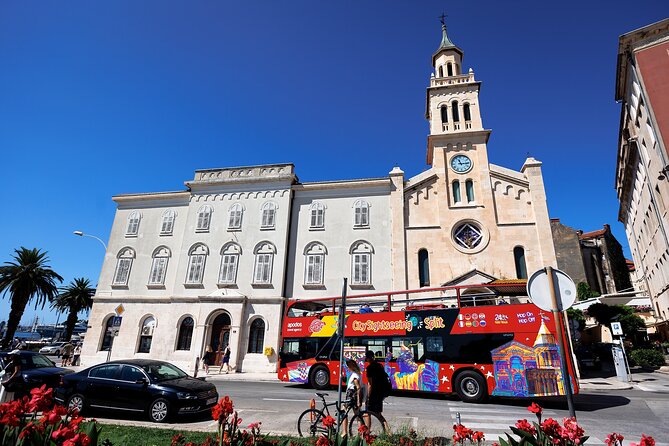
At $38.62 per person, this 2-day sightseeing pass sits in the “good value if you use it” category. You’re paying for a bundle: a comfort ride, multilingual narration, and guided history (not just a bus loop). If you’re the type who likes to start with structure—then break off to explore—this works well.
Here’s the practical setup: it starts at 8:30 am from Apodos Travel Agency, Obala Lazareta 3, 21000 Split, and ends back at the same meeting point. The group size is capped at 50, which usually helps the guides keep things moving without feeling like cattle.
A couple details can change how smoothly your day feels. You’re getting time windows at each stop (the guided segments are about 45 minutes, Klis is 1 hour), and those windows mean you’ll want comfortable shoes and a “see the highlight, not every corner” mindset. Also, Stella Croatica and Klis Fortress entrance fees aren’t included, so bring payment for those.
You can also read our reviews of more tours and experiences in Split.
The 48-Hour Plan: Using Your Pass Without Rushing
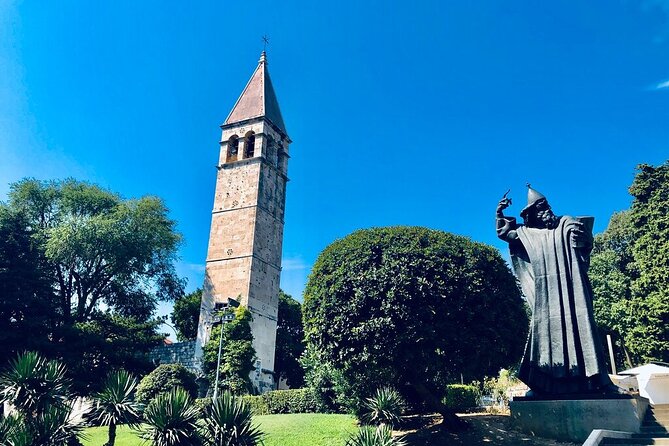
The ticket is valid for 48 hours, which is key. Instead of treating this like a one-shot morning bus tour, you can spread the experience across two days. That flexibility is especially useful in Split where weather and crowds can shift fast.
It also affects how you should plan your personal schedule. If you’re staying in Split for more than one day, you can treat this as your spine: use the pass to get your bearings, then spend the rest of your time on whatever you loved most. One review-style pattern that shows up here is people who genuinely enjoy the olive-focused stop (Stella Croatica) using the second day to revisit or explore surrounding areas more slowly.
That said, don’t assume it behaves like a true hop-on hop-off city bus with endless stopping. The experience is timed and stop-based, and some segments may involve road time plus fixed departure points for outlying locations like Klis and the Salona ruins area. If you’re the type who hates “dead time,” this is still doable, but plan your expectations.
Stella Croatica Olive Museum and Agro-Ethno Park: Local Heritage with a Time Limit
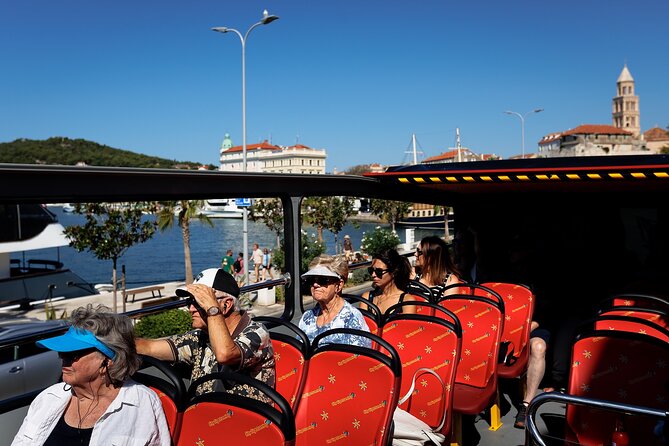
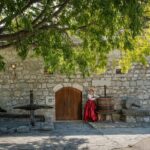
This is one of the best stops in the whole plan, mainly because it slows you down in a meaningful way. You spend about 45 minutes at Stella Croatica’s Olive Museum and Agro-Ethno Park. Admission isn’t included, so you’ll pay on site.
Why it’s worth your time: it’s not just a quick photo stop. The focus is on olive heritage and local production, and people consistently mention enjoying the way it connects agriculture, food culture, and the daily life behind Dalmatian traditions. If you like hands-on, place-based learning—then this is a smart inclusion for a sightseeing ticket.
The main drawback is simple: 45 minutes goes fast. If you want to read every panel, watch every short video, and take your time in every corner, treat this as an introduction. The upside is you’ll leave with a clear picture of what to search for later—like olive oil, local products, and the story behind them.
Split Panoramic Tour: Multilingual Audio That Keeps the Day Moving
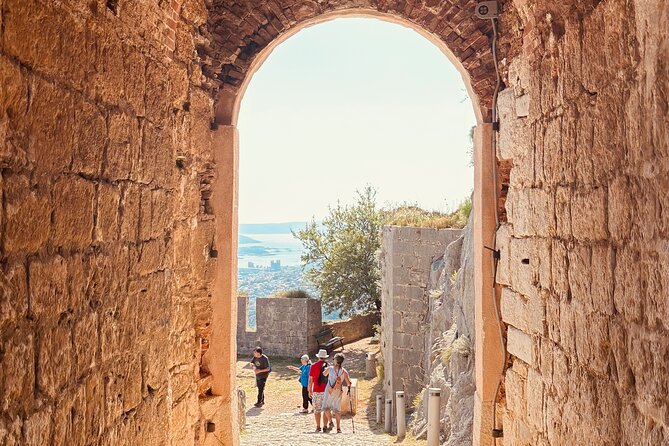
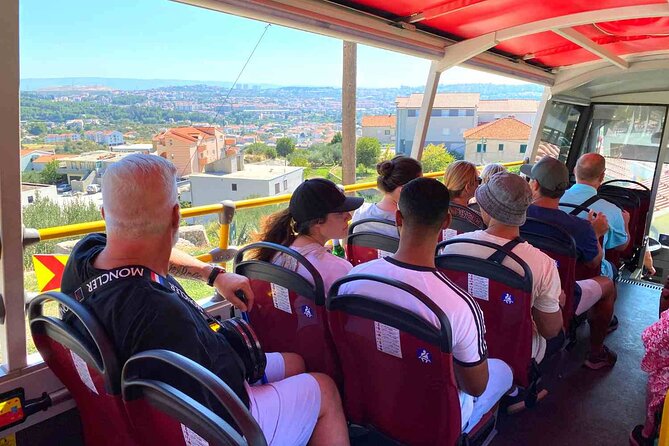
After Stella Croatica, you get back onto the bus for a panoramic Split tour with commentary. This part runs around 45 minutes and includes the audio system with headsets.
The audio availability is a highlight. The city narration includes multiple languages—English, Croatian, Portuguese, French, Spanish, German, Italian, and Russian—and the overall package mentions commentary in 10 languages. That’s excellent for groups with mixed languages, and it also helps you avoid the common problem of sitting on a bus with nothing but a view and your own thoughts.
Also included: free Wi‑Fi onboard. It’s not a magic tool, but it helps you pull up maps, translate a sign you noticed during the loop, or plan where you’ll walk next.
Two practical notes from the way this tour operates:
- You’re mostly sightseeing from the bus during this segment, so if you hate road time, you’ll feel it more here.
- A small number of people reported audio not working as expected on specific days, including Spanish not always available when planned. If you care about a particular language, it’s smart to arrive ready to use English if needed.
Diocletian’s Palace Substructures Walking Tour: The Guided Core You’ll Remember
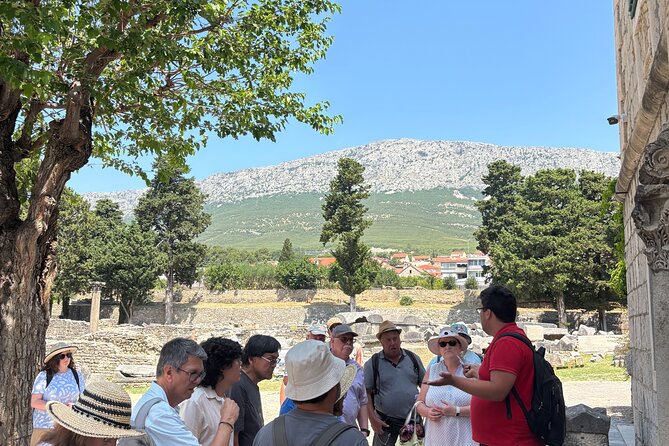
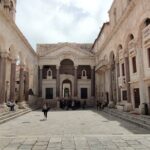
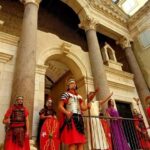
This is the anchor of the day. You’ll do a guided walking tour of Diocletian’s Palace substructures with an English-speaking guide, about 45 minutes, and entry is listed as free for this part.
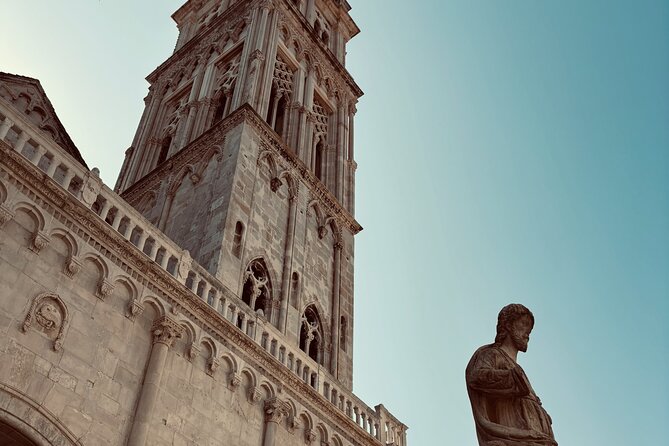
Diocletian’s Palace is not just a scenic stop. It’s the reason Split feels like Split. Walking the substructures gives you a more grounded sense of how the palace worked—how space was organized, how the Roman layer sits under the living city, and why the walls and corridors matter.
The strongest praise tied to this segment is how much the guide brings it to life, especially for smaller groups. When guides like Magdelana (mentioned for the walking component) are on duty, the tour can feel focused instead of rushed.
One realistic consideration: a 45-minute walk is a highlight tour, not an all-day archaeological marathon. If you’re hoping to wander every side street afterward, arrive ready to spend extra time on your own once this guided piece ends.
Salona Ruins Plus Klis Fortress: Big Views, But Don’t Overbook Your Expectations
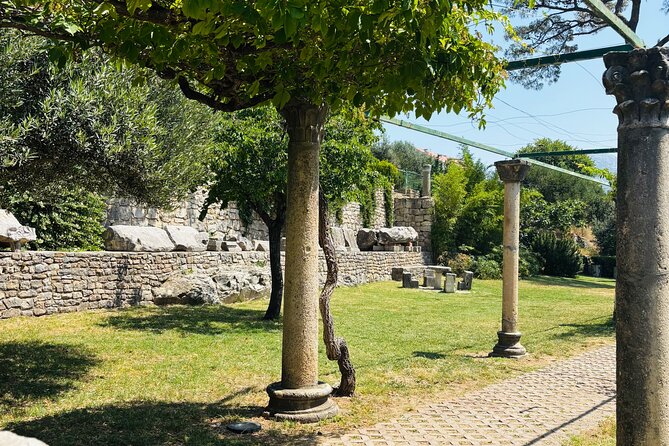
The tour’s highlights include the ancient ruins of Salona, once the Roman capital of Dalmatia. Even when the ruins are the star, the time you get can feel short if you want to reach every major point. A useful approach here is to aim for the big impressions rather than the complete checklist. If you want the amphitheatre views, don’t assume you’ll have time to roam to every corner—your best bet is to follow your guide’s priorities and save deeper exploration for another visit.
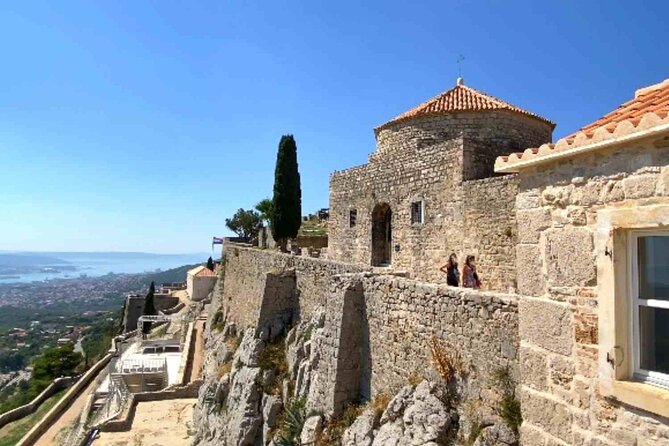
Then comes Klis Fortress, with about 1 hour of free time and entrance fee not included. Klis is one of those places where the payoff is immediate: you’re perched above Split, and you get panoramic views over the Adriatic and the surrounding countryside. It’s also well known as a filming location for Game of Thrones, which means your photos will look like they belong in a scene.
Why it works with a group tour: the fortress is dramatic even when you’re short on time. You don’t need to be an expert to understand what you’re seeing. Just climb to the viewpoint areas you can reach and take in the view.
Why some people feel pressure here: an hour goes quickly when traffic and timing squeeze the day. If you’re planning a second day of other activities, keep your schedule lighter than you think you need. This tour includes road time, and delays can affect how much of Klis and Salona you fully experience.
Comfort on the Bus: Audio Headsets, Wi‑Fi, and the Reality of Road Time
This pass is designed to keep you comfortable while covering ground. The bus has an audio system and you get an audio-guide headset. That’s a big deal in Croatia, where you can easily miss context if you’re staring at the scenery with no narration.
Free Wi‑Fi onboard is another genuinely practical feature. Use it to check where you are, find restrooms near stops, or map your next step after the guide ends the guided portion.
There’s also a “reality check” worth saying out loud. Some people reported getting stuck in traffic and spending time waiting or moving slowly. One report also mentions tunnel exposure and diesel fumes. That doesn’t mean it’s constant, but it does mean you should plan for some emissions and give yourself the best odds of comfort: light layers, water if you tolerate it (water isn’t included), and patience.
On top of that, this isn’t a quiet, slow museum bus. It’s a moving schedule. If you’re sensitive to stress, traffic, or tight timing, it helps to treat this as your structured morning and early afternoon plan—not your last activity of the day.
Guide Quality: Why the Human Part Matters Here
This tour’s best moments tend to happen when the guide clicks with the group. Several guide names show up in the supplied feedback, including Gordana, Magdelana, Doris, and Barbara (with Ronaldo mentioned alongside the city walking segment in at least one context).
What you can take from that as a traveler: the tour isn’t just a checklist. The guides are explaining history and tying sights together, like how Diocletian’s Palace relates to Roman power, or why Salona mattered before Split grew into its modern identity.
Still, don’t assume every departure runs the same exact way in every language or on every day. The experience is described as potentially operated by a multi-lingual guide depending on group departures. If you’re traveling with someone who needs a specific language, plan to stay flexible and bring an alternate communication plan (like simple English phrases and a translation app).
Who Should Book This Split 2-Day Pass (and Who Might Regret It)
This is a strong choice if:
- you want a structured introduction to Split with guided history plus time to wander
- you like a mix of Roman heritage (Diocletian’s Palace, Salona) and medieval drama (Klis)
- you enjoy food and culture stops, especially olive heritage at Stella Croatica
- you’ll actually use the 48-hour window to spread the plan across two days
It might be less ideal if:
- you want long, slow exploration with no pressure to return to the bus
- you’re very picky about audio quality or strict language matching
- you hate road travel and would rather spend every minute walking
Also consider the physical side. The tour notes moderate physical fitness and mentions high blood pressure as a consideration. That doesn’t automatically mean you can’t go—just be honest about your comfort with walking and possibly uneven ground at the palace and fortress.
Should You Book This 2-Day Pass?
Book it if you want a fast, sensible overview of Split that includes real guidance at the places that matter most. The big win is the combination: guided Diocletian’s Palace substructures, a heritage stop at Stella Croatica, plus the postcard views from Klis, with Salona ruins in the mix. At $38.62, the value is strongest when you treat it like a two-day foundation for your own exploring.
Skip it or think twice if you’re expecting a true hop-on hop-off style with endless time at each stop. Your windows are limited, and road time can eat minutes. If you can handle that trade-off, you’ll likely feel you got your money’s worth—and you’ll leave with enough context to enjoy Split like a local, not like someone rushing between photos.
FAQ
What is the price per person?
The price is $38.62 per person.
How long is the pass valid?
Your ticket is valid for 48 hours, which is designed for use over about two days.
Where do I meet, and what time does it start?
You meet at Apodos Travel Agency, Obala Lazareta 3, 21000 Split, Croatia, and the start time is 8:30 am.
What languages are available?
The experience is offered in English, and the Split panoramic tour includes an audio guide in English, Croatian, Portuguese, French, Spanish, German, Italian, and Russian. The tour also states commentaries in 10 languages.
What’s included with the ticket?
Included features are commentaries in 10 languages, an audio-guide headset, an English-speaking guide, free Wi‑Fi onboard, and the ticket valid for 48 hours.
Are entrance fees included for Stella Croatica and Klis?
No. Admission isn’t included for Stella Croatica and Klis Fortress.
Can I cancel for a full refund?
Yes. You can cancel for a full refund if you cancel at least 24 hours before the experience’s start time.