Split turns eerie after sundown. This small-group Dark Tour of Split uses the streets around Diocletian’s Palace to tell a darker side of city life, without turning into cheesy theater. You’ll move between the palace world, Old Split’s lanes, and the seaside promenade in about 1 hour 30 minutes.
I love two things right away: the guide, Dusen, brings the stories to life with sharp humor, and the stops are built around major places where you don’t pay extra entry. There’s also a friendly local touch at the end, with beer for those who want it, and soda for people who don’t.
One thing to consider: if you’re chasing jump-scare ghost vibes, this is more historical and cultural than scary. It’s still fun, just aimed at facts and meaning, not theatrics.
In This Review
- Key points to know before you go
- First things first: what this Dark Tour of Split feels like
- Where it starts and ends (and why that’s handy)
- The itinerary in plain human terms
- Stop 1: Diocletian’s Palace—where the story has a real address
- Stop 2: Old Split—west of the palace, where the city feels lived-in
- Stop 3: Riva Harbor—south side promenade and the sea’s influence
- The guide style: storytelling with humor and an evidence-based tone
- The drink moment at the end
- Price and value: why $34.24 can feel like a bargain here
- Logistics you should think about (before the evening cools down)
- Who should book this Dark Tour of Split?
- Should you book this Dark Tour of Split?
Key points to know before you go
- Small group (up to 10 travelers): easier questions, less crowd noise, better pacing at tight corners
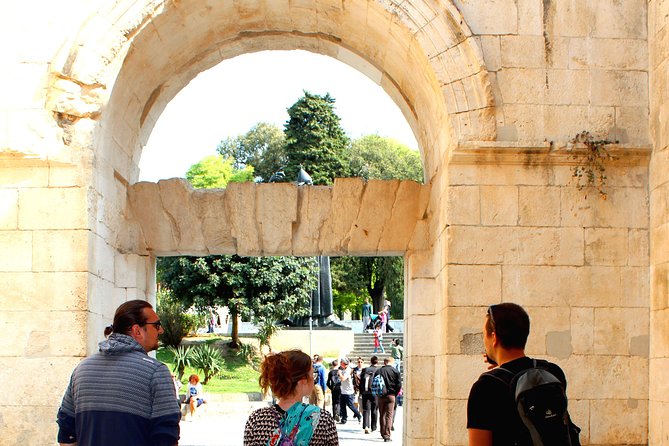
- UNESCO Diocletian’s Palace setting: the “biggest and best preserved” late-Roman palace frames the whole story
- Three free sightseeing stops: palace access (free here), Old Split, and the Riva waterfront walk
- Evening-style city storytelling: darker history told with personality, not melodrama
- English tour with a mobile ticket: simple to manage and easy to present on your phone
First things first: what this Dark Tour of Split feels like
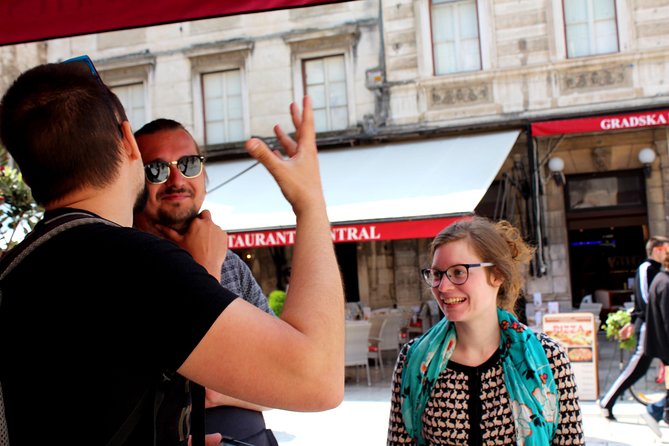
This is the kind of walk that changes how you see Split fast. By the time you’re inside the palace walls and slipping past older street corners, the stories start to click. The tour is called dark, but it isn’t a scare-fest; it’s about the harsher sides of a city that has been rebuilt, repurposed, and fought over for centuries.
The timing matters too. At roughly 90 minutes, you get enough time to enjoy the atmosphere at night and still keep your evening flexible. You’re not stuck for half a day in a rigid loop, which makes it a smart match if you’re also doing dinner, ferry rides, or a beach break.
And yes, the size is a big deal. With a maximum of 10 people, you’re not just standing in a line. You’re hearing the story at the speed of a real conversation, especially when Dusen answers questions as you go.
You can also read our reviews of more tours and experiences in Split.



Where it starts and ends (and why that’s handy)
You meet at 4 Coffee on Hrvojeva 9, 21000 Split. That’s a central, easy-to-find spot to orient yourself before you head toward the palace area. Ending at Obala Hrvatskog narodnog preporoda 20 puts you right back near the waterfront promenade (the sea-promenade side of the palace), which is a convenient handoff for grabbing food or continuing your stroll.
The route is designed around walking between close-by sights. You’re not bouncing across town by bus every few minutes. It’s a compact tour structure: palace first, then the Old Split area to the west, and finally the sea promenade on the southern side of the palace.
Practical note: it requires good weather. If Split is doing its usual dramatic sky routine, plan to dress for cool air and keep an eye on conditions. If the tour is canceled for poor weather, you’ll be offered another date or a full refund.
The itinerary in plain human terms
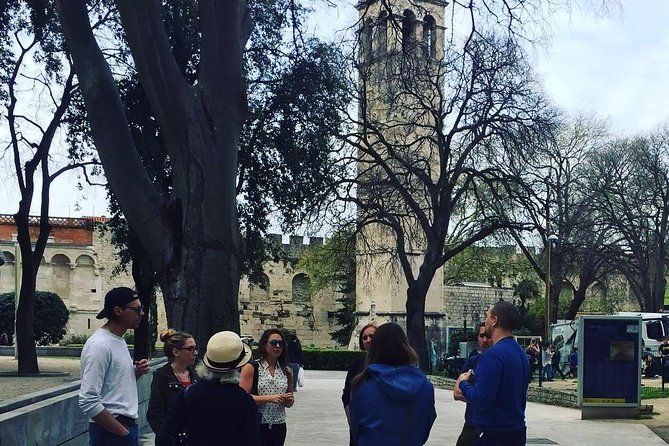
Stop 1: Diocletian’s Palace—where the story has a real address
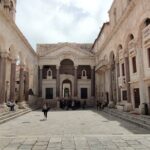
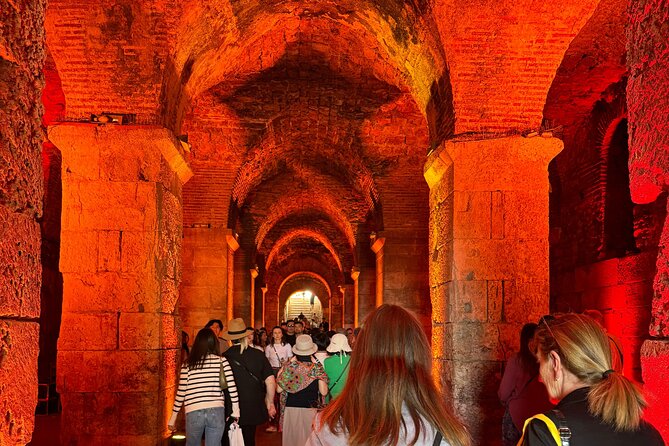
The tour starts at Diocletian’s Palace, about as iconic as it gets. This place is around 1,700 years old and is widely described as the biggest and best preserved late-Roman palace in the world. It’s also on the UNESCO heritage list (since 1979), which is your clue that you’re not just looking at old walls—you’re standing in a space with serious historical weight.
What you’ll like here is how the guide uses the physical layout. Palace life wasn’t abstract. It was daily routine: movement through corridors, the role of sections of the complex, and how power reshaped ordinary behavior. The tour leans into the darker side of that—what life could look like when politics and survival were mixed together—while keeping it readable and not overly grim.
There’s another practical win: in this tour, the admission at the palace is free. So what you’re paying for is storytelling and time, not museum ticket math.
The only drawback is also simple: this is a palace setting, which means you should expect walking on uneven historic surfaces. Wear shoes you trust.
Stop 2: Old Split—west of the palace, where the city feels lived-in
Next comes Old Split, the part of the city located west of the palace. This is where the pace feels more “city” and less “monument.” The darker themes start to feel less like ancient lecture material and more like a reflection of how places keep absorbing change.
You’ll get a better sense of how people have used these streets over time: the way alleys and passages guide you, how neighborhoods develop their own rhythm, and why some parts of the city can feel quieter or heavier even when they’re only a few steps from major landmarks.
This stop is shorter—about 20 minutes—but it’s a useful bridge. You go from the scale of the palace to the scale of daily life. If you’ve only explored Split in the daytime, this evening walk helps you understand why the city’s corners carry meaning.

Stop 3: Riva Harbor—south side promenade and the sea’s influence
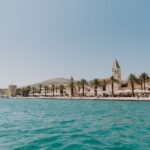
The final stop is Riva Harbor, the sea promenade on the southern side of the palace. Even if you’ve seen postcards of Riva, you’ll experience it differently at night, when the sound of the water and the street lighting make the promenade feel like its own separate world.
This is where the tour’s theme stops being only about walls and starts touching trade, movement, and the way coastal cities behave under pressure. The sea matters here. Not in a poetic way—more in a practical one. Ports bring people, goods, rumors, and conflict. That’s part of the darker thread, and it also helps explain the lighter moments you see around town later.
This stop is also around 20 minutes, which is plenty time for a final story beat and a smooth handoff back to your own plans.
The guide style: storytelling with humor and an evidence-based tone
Dusen is the reason this tour works. He’s described as a standout storyteller, the kind who makes history feel like a set of human decisions rather than a list of dates. The humor shows up, but it doesn’t take over. The tone stays respectful and grounded.
One thing that comes through strongly: this tour is not trying to scare you. A lot of ghost tours lean theatrical, aiming for cheap thrills. This one focuses more on the “why” behind the darker bits—how the city became what it is and how different eras shaped life inside these walls.
You’ll also notice how questions are handled. When the guide can connect your curiosity to something specific you’re standing near, it turns into an easy, natural learning rhythm. That’s what makes the 90 minutes feel more complete than many longer tours.
The drink moment at the end
The experience has a local touch at the finish: local beer is offered to conclude the tour. If you don’t drink, you might still be taken care of—one group notes the guide brought local soda instead. It’s a small detail, but it makes the ending feel thoughtful rather than automatic.
Price and value: why $34.24 can feel like a bargain here
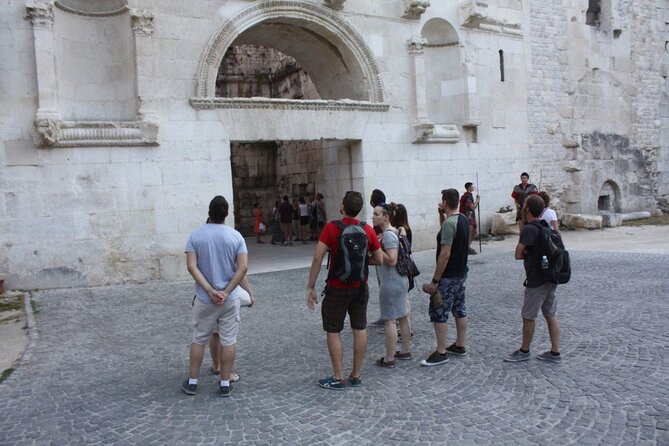
At $34.24 per person, you’re not buying an entry-ticket tour. You’re paying for a guided night walk that uses major sights as your classroom. And in this case, admission at the palace is free for the stops included on the route.
So what’s your real value? It’s two things:
- Time with a storyteller who can connect place to meaning, not just point at walls
- A tight route that hits palace, Old Split, and Riva in one smooth evening stretch
If you’re already planning to visit Diocletian’s Palace, this can be a smart add-on. It converts what would be passive sightseeing into a guided narrative, and you leave with a better sense of how Split got its character.
Also, with a maximum of 10 travelers, you’re more likely to feel like you’re part of the walk rather than trapped in a group funnel.
Logistics you should think about (before the evening cools down)
This tour runs in English. That matters if you want the story to land in your own language without guessing. It also has mobile tickets, so you’re not hunting for printouts.
It’s near public transportation, which makes it easier to slot in even if your day included a day trip. Just remember: the start point is 4 Coffee and the finish point is near the waterfront promenade, so plan your next stop around the end location.
Accessibility-wise, service animals are allowed, and most people can participate. Since it’s a walking tour through historic areas, comfortable shoes are still the real requirement, even if the basics are open to most.
Finally, timing: confirmation comes at booking time, and average booking is about 16 days in advance. If you’re traveling in peak season or on a packed weekend, it’s wise to reserve early.
Who should book this Dark Tour of Split?
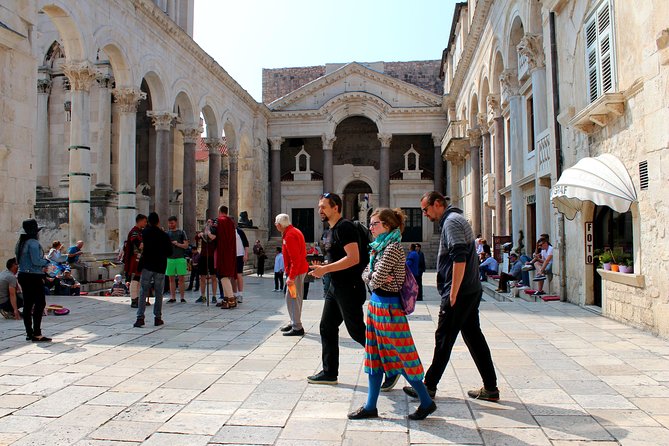
This is a great fit if you want Split to feel more human. Book it if you like:
- walking tours that explain the darker side without going full horror theater
- learning that’s tied to real places you can see immediately
- an evening plan that doesn’t eat your whole day
It’s also ideal for couples, friends, and teens who are curious. One family noted their kids aged 13 and 14 found the story interesting, which tells me the guide keeps it engaging without being overly adult or overly academic.
Skip it if you mainly want classic “scary ghost” performance. This tour leans toward history, accurate concepts, and cultural context, with humor sprinkled in. It won’t give you the theatrical scare style.
Should you book this Dark Tour of Split?

Yes, if you’re the type who likes your travel stories tied to places—and you’re happy trading jump scares for stronger context. For about $34, you get a compact, well-structured night walk with free sightseeing stops, a small group size, and a guide (Dusen) who makes the darker themes feel understandable instead of sensational.
If you’re visiting Split for the first time, this tour is also a nice way to get your bearings fast. Palace first, Old Split next, waterfront last—your brain leaves with a clearer map of the city’s layout and mood.
If you want, I can also suggest what to do before and after the tour based on your other plans that day (food area, museum time, or a sunset viewpoint).