REVIEW · SPLIT
Experience Split With Local Professional Historian – Small Group
Book on Viator →Operated by Pomalo tours · Bookable on Viator
Split’s Roman bones are easier to see.
This small-group walk turns Diocletian’s Palace into a clear story, led by local licensed historian Boris with a teacher’s knack for making details click. I love the way the 3D reconstruction images and picture display book help you visualize what you’re looking at, even when you’re standing outside ruins. One thing to consider: it’s about 2 hours, so you’ll leave wanting more time in the palace and along the harbor—this is an excellent start, not a full takeover of old town.
You’ll move at a comfortable pace with a maximum of 12 people, in English, starting at Golden Gate and finishing at People’s Square (Pjaca). Expect stops that mix the big landmarks with the “why this mattered” context, plus photo help along the way.
In This Review
- Key highlights I’d circle before you go
- Getting your bearings in Split’s Diocletian’s Palace
- Golden Gate: the easiest place to start your palace story
- Gregory of Nin: statue, legend, and the people behind the stones
- Diocletian’s Palace overview: from emperor’s home to medieval city
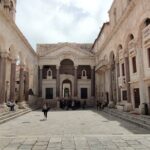
- The Peristyle: where power met daily movement
- Jupiter’s Temple and St. Domnius: two layers of faith in one city
- Vestibulum: the quiet, private side of Diocletian
- Riva Harbor, Fruit Square, and Pjaca: where Split lives now
- Why the small-group format matters more than you think
- Price and timing: does $38.62 make sense?
- What to do before and after the walk
- Who this tour is best for
- Should you book this Split history walk?
- FAQ
- How long is the Split walking tour with the local historian?
- How much does the tour cost?
- Is the tour offered in English?
- How big is the group?
- Are admission tickets included?
- What’s included with the tour?
- Where does the tour start and end?
- Are service animals allowed?
- Does the tour run in bad weather?
Key highlights I’d circle before you go
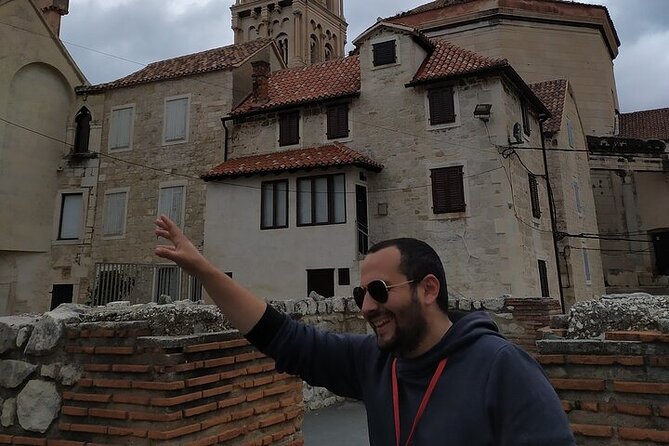
- Boris, a licensed history professional who explains what you’re seeing in plain language
- 3D reconstructions in a picture display book to make the palace layout feel real
- Max 12 people, so questions don’t get lost in the shuffle
- A tight route built around the palace’s real structure: gates, peristyle, cellars, triclinium, temples, and cathedral areas
- Finish in Pjaca, where you can quickly branch to lunch, coffee, and more sights
- Outdoor-focused sightseeing with no admission included, so you can plan optional interiors if you want
Getting your bearings in Split’s Diocletian’s Palace
Split can feel like two cities at once. You’ve got the Roman plan, strict and logical. Then you’ve got centuries of everyday use: medieval buildings glued onto Roman walls, Christians shaping spaces, and locals turning grand sites into normal city life.
That’s where this tour earns its keep. You’re not just ticking off famous names. You’re getting the order of events, what power looked like on the ground, and why certain spots became public gathering points later. When the route is explained by someone who studies history for a living and lives here, the palace stops feeling like random stone.
The group size is a real factor too. With a max of 12, you can ask follow-up questions and actually hear the answers. You also get photo guidance during the walk, which matters because some of the best angles are hard to notice on your own.
You can also read our reviews of more tours and experiences in Split.



Golden Gate: the easiest place to start your palace story
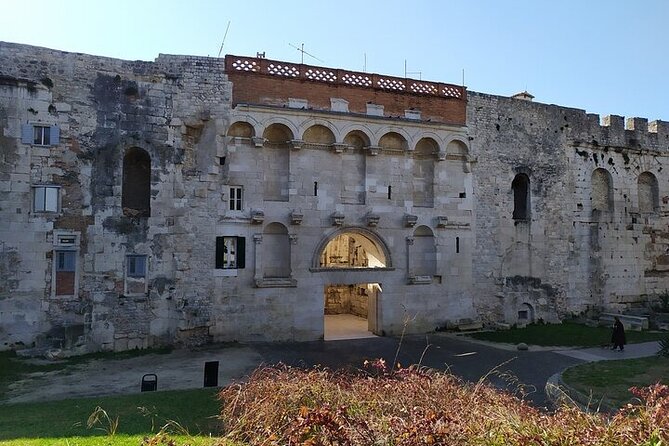
You meet at Golden Gate (Dioklecijanova 7). It’s one of those iconic Split points that people recognize instantly, even if they don’t know what it means.
The tour frames Golden Gate as the northern gate of Diocletian’s Palace—no gold required. From here you’re set up for a quick mental map: you’ll hear how the gate relates to the palace complex and why it sits opposite another major landmark, the Gregory of Nin area.
This first stop is short, but that’s a good thing. In 15 minutes you get the foundation: palace layout logic, how gates worked in Roman terms, and why this spot is such a useful starting point for the rest of your walk.
Practical tip: arrive a few minutes early and look around for sightlines. Even in daylight, the palace shapes are easier to understand once you know what you’re trying to spot.
Gregory of Nin: statue, legend, and the people behind the stones
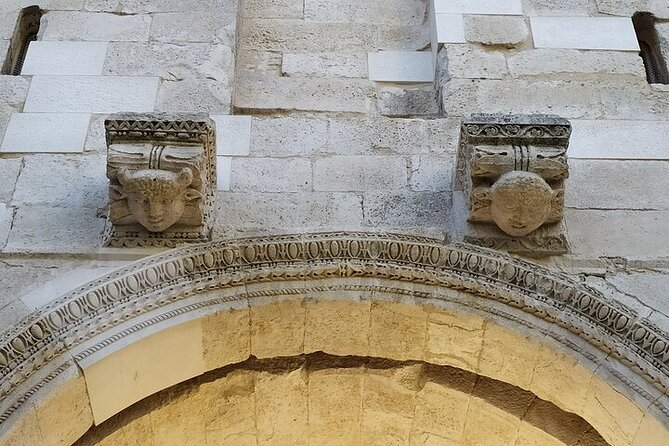
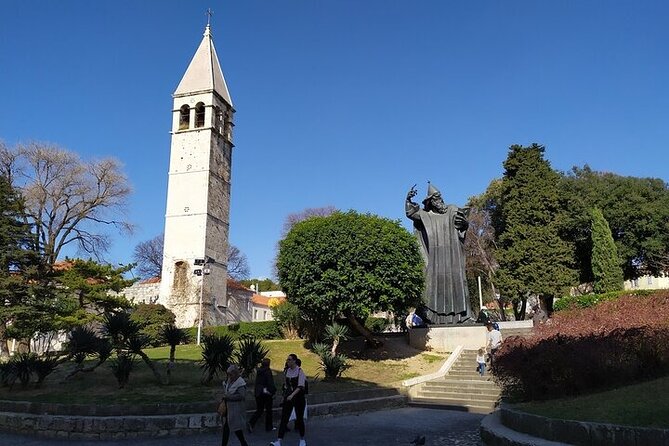
Next up is the Grgur Ninski statue—an easy photo moment with a bigger lesson attached. Gregory of Nin is tied to church history, and the tour gives you the human scale behind the monument: who he was, why the statue matters here, and even some details on the sculptor and how the monument ended up in this high-visibility spot.
This stop does two useful things for you:
- It moves you from imperial Roman planning into later religious influence.
- It gives you a character to remember while you move through more stone structures.
If you like history that connects names to places, this is one of the smartest pacing choices in the route.
Diocletian’s Palace overview: from emperor’s home to medieval city
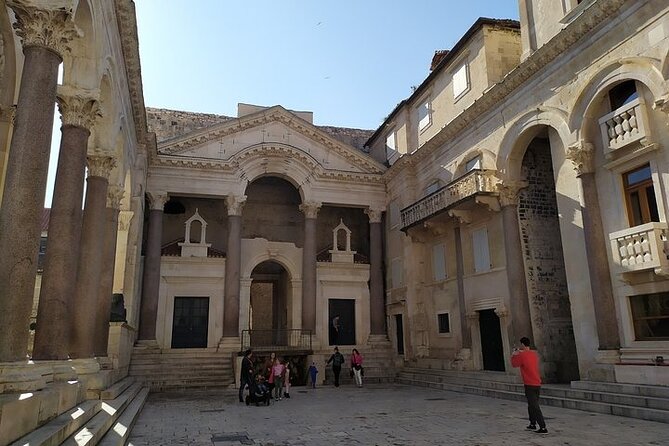
Now you get the main event: Diocletian’s Palace in the center of old Split. The guide treats it like a living layout, not just a big famous ruin.
You’ll hear the story of Emperor Diocletian and how the palace was built. It’s also one of the best-preserved examples of its type, which is part of why it’s still so legible today. The key value for you is learning how the palace transitioned into a medieval city.
That transition matters because it changes how you interpret everything you see. Roman spaces weren’t designed for medieval urban life. Yet over time, the palace became part of normal street patterns, religious buildings, and daily routines. So you’re not just looking at old stones—you’re watching how a place gets reused.
During this portion you’ll cover major exterior viewpoints and the palace’s notable zones, including:
- Peristyle
- Jupiter’s Temple (outside view)
- Diocletian’s Cellars (central substructure)
- Triclinium
- Mausoleum / St. Domnius area (outside)
This section is where the 3D picture book pays off. When you can match a mental diagram to what’s around you, the palace feels less like a maze.
A small drawback to plan for: because it’s a walking tour focused on the big explanatory points, you’re moving through highlights rather than lingering. If you love slow museum-style detail, you’ll likely want to add extra time after the tour for your favorite stops.
The Peristyle: where power met daily movement
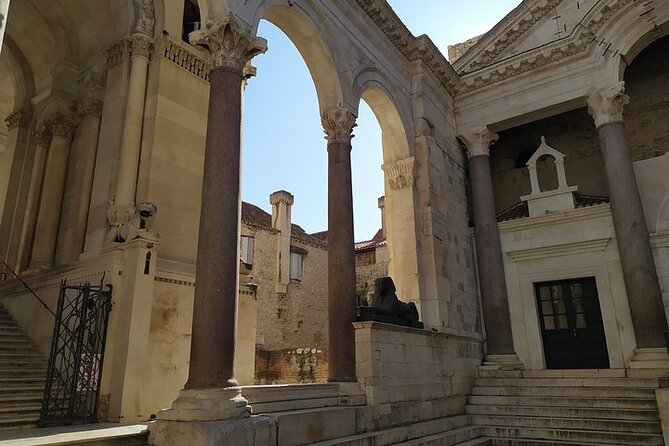
Standing at the Peristyle, you get one of the most important “function” explanations in the whole walk.
The peristyle is described as the palace’s central court. It connects movement across the complex and also divides people from the emperor. That may sound abstract, but the guide makes it concrete. You’ll understand how space shapes behavior: who can be where, and how you get from one part of the palace to another.
You’ll also get the Christian transition angle—how buildings and usage changed over time as Christianity expanded. It’s a helpful lens when you’re walking from Roman architecture into later religious meaning.
Right from the peristyle area, you head toward the palace’s central underground spaces, and the tour explains their historical usage and importance for Split’s development. Then you check Triclinium, which ties into Roman dining and social organization—how eating worked as a political and cultural ritual, not just a meal.
If you’ve ever wondered why Roman architecture feels so strict and deliberate, this is where it becomes obvious.

Jupiter’s Temple and St. Domnius: two layers of faith in one city
The walk then turns to religion as a visible, physical timeline.
At the Temple of Jupiter, you get an outside view plus the context for why temples mattered in the Roman Empire. This isn’t a temple-hunting mission. It’s more like learning the rules of the world you’re stepping into: religion wasn’t a side hobby in Roman life—it shaped public and private space.
Then you face St. Domnius Cathedral from the outside. The guide points out significant parts you can see without buying tickets or going inside. You’ll also get a heads-up about interesting things to watch for inside if you decide to visit later on your own.
This is one of the best tour styles for you if you’re planning your trip carefully. Instead of overpromising, it gives you enough information to make a smart decision later: do you want to spend extra time and money for interiors, or are you happy seeing the outside context and continuing your day?
Vestibulum: the quiet, private side of Diocletian

Next comes the Vestibulum—the pre-entrance to Diocletian’s private chambers. The tour explains what it looked like and its function, which is a nice contrast after the more public palace zones.
This stop helps you picture daily life from a different angle. You start thinking less about crowds and gates, more about privacy, ritual movement, and how someone of high status expected to transition between public access and personal space.
It’s also a good “breather” point in the route. By the time you’re done with it, the next steps feel like a natural shift from imperial architecture back into normal city rhythm.
Riva Harbor, Fruit Square, and Pjaca: where Split lives now
Once you step out of the palace-focused portion, the tour becomes more about how Split functions day to day.
At Riva Harbor, the guide explains how the main promenade was built over the centuries and why it became central for locals. This is where you see how Roman structure and later city development feed into the modern habit of strolling, meeting, and spending time outdoors.
Then you hit Fruit Square (Trg Brace Radic). The name comes with a story, and there’s a central monument you’ll learn about, plus context about surrounding sights. It’s small, charming, and memorable—exactly the sort of stop that makes the tour feel human rather than academic.
Finally, you finish at People’s Square (Pjaca). Here the tour focuses on how the square has served as a center of city activity from medieval times to now. You’ll also learn about notable surrounding buildings, including the old city hall area.
Before you wrap, you’ll get recommendations for other places to visit that weren’t part of the walk. That part is practical: you finish at a hub, and you’re ready to go eat, browse, and choose your next direction without second-guessing.
Why the small-group format matters more than you think
With a max of 12 people, the difference shows up immediately in the flow of the tour.
I like that the guide can actually respond to questions instead of rushing to “keep the schedule.” In the best moments, the explanation turns interactive—asking, answering, and comparing Roman life to later Split life. The tone stays friendly. The guide is not just listing facts. He’s building a mental picture you can carry with you.
There’s also clear care for photo moments. Some parts of Diocletian’s Palace are tricky to frame because of angles and crowds. Having someone on-site to help you find a workable viewpoint saves time and frustration.
If you’re traveling with kids or teens, this format helps too. A history teacher style works well when the group can talk back and ask questions instead of being trapped in a lecture.
Price and timing: does $38.62 make sense?
At $38.62 per person for about 2 hours, this isn’t an impulse bargain. It’s a “pay for clarity” kind of tour.
The value comes from four places:
- A licensed local historian with a Master’s degree in history, which affects how the story is told (less guessing, more structure).
- The 3D reconstruction book and pictures, which help you understand what you’re looking at rather than just walking past it.
- The small group size, which means you’re not competing for attention.
- The payoff of ending at Pjaca, where you can keep moving through town right after.
On timing, plan your day with a bit of flexibility. The tour is designed for about two hours, but it can run a little longer depending on questions and pace. If you book a rigid dinner reservation right after, you might feel rushed. If you keep a little breathing room, you’ll enjoy the full value.
One more practical point: no admission tickets are included. That’s fine for a tour heavy on outside areas and viewing, but if you want to enter interiors (or see museums beyond the exterior checkpoints), you’ll need to plan that separately.
What to do before and after the walk
For the best experience, show up ready to walk and look up.
- Wear comfortable shoes. The old city streets add up.
- Bring your camera or phone. The guide can help with photo angles.
- If you’re hungry, aim to schedule lunch after you finish at Pjaca. It’s one of the easiest places to orient yourself for food.
When you’re done, I’d recommend using the guide’s suggestions right away. Finishing in the middle of city life means you can pivot instantly—coffee, a snack, or a longer wander into nearby lanes while the palace story is fresh in your head.
Who this tour is best for
This tour fits best if you:
- Are in Split for the first time and want a fast, accurate overview
- Love history, but don’t want to sit through a stiff lecture
- Want help understanding Diocletian’s Palace structure without needing a guidebook
- Prefer small-group interaction and question time
- Travel with family, including kids who can handle short learning moments
If you already know a lot about Roman history and you want deeper access into specific interiors only, you might find this tour better as a starting framework than as the whole event. Still, the 3D visuals and palace layout explanations can be useful even if you’ve read ahead.
Should you book this Split history walk?
Yes, if you want your Diocletian’s Palace visit to make sense quickly. I think it’s a strong choice because it pairs a real local historian (Boris) with visual tools that help you connect space to story. The small-group size makes it feel like a conversation, not a crowded march.
Skip it only if you already feel fully confident mapping the palace on your own, or if you hate walking and just want to grab a few photos and move on. Even then, most people leave with a better understanding of what they saw—so you’re not just taking pictures of stone, you’re taking away a clear mental timeline of Split.
FAQ
How long is the Split walking tour with the local historian?
The tour is about 2 hours.
How much does the tour cost?
The price is $38.62 per person.
Is the tour offered in English?
Yes, it is offered in English.
How big is the group?
The tour has a maximum of 12 travelers.
Are admission tickets included?
No admission tickets are included. The tour focuses on viewing points and areas without requiring admissions.
What’s included with the tour?
You get a local professional licensed guide with a Master’s degree in history, plus a display book with pictures and 3D reconstruction images.
Where does the tour start and end?
It starts at Golden Gate (Dioklecijanova 7, 21000, Split) and ends at People’s Square (Pjaca) in Split.
Are service animals allowed?
Yes, service animals are allowed.
Does the tour run in bad weather?
This experience requires good weather. If it’s canceled due to poor weather, you’ll be offered a different date or a full refund.