REVIEW · SPLIT
Secret Split: Socialist Architecture & brutalism – Urban Utopia
Book on Viator →Operated by Walking tours with The Storyteller Croatia · Bookable on Viator
Concrete in Split can feel personal.
Secret Split trades the usual Roman stops for a walk into Split 3, a post-WWII socialist housing plan made of hard lines, open spaces, and real daily routines. It’s built for community on purpose, and the architecture is explained in a way that makes the city-plan feel human instead of museum-dry.
I especially like two things: first, the tour starts with Split 3’s 1970s architecture and ties it to the MoMA exhibition Toward a Concrete Utopia (New York, 2018). Second, you don’t just look at buildings—you move through the residential fabric of the neighborhood, where pedestrian spaces and everyday needs were part of the original vision.
A possible drawback: if you’re only in town for the classic Roman highlights, this route can feel like a left turn—brutalist concrete and social planning take center stage.
In This Review
- Key Things to Know Before You Go
- Socialist Architecture Still Shapes How You Live
- Papandopulova ulica: Where Split 3 Shows Its 1970s Face
- Split-Dalmatia County: Planning for Growth, Even When Plans Weren’t Perfect
- Split and Art Activism: When Buildings Meet People Who Speak Up
- How the Walk Feels: City-Within-a-City Design on Foot
- Tour Style, Guides, and What You Gain From Their Approach
- Price and Value: What $113.90 Buys You in Split
- Getting the Most Out of Your Visit
- Should You Book Secret Split: Socialist Architecture & Brutalism
- FAQ
- How long is the Secret Split tour?
- Where does the tour start?
- Is this tour private or shared?
- Are there entry tickets included for the stops?
- What will I do during the tour?
- Can I get a refund if I change my plans?
Key Things to Know Before You Go
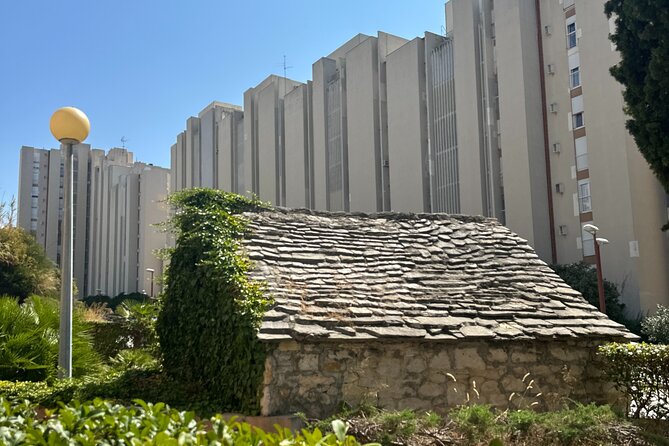
- Split 3, explained from the ground up: you walk where the ideas were tested, not just where they’re photographed.
- MoMA connection (2018): you’ll see why the “concrete utopia” story reached New York.
- Residential-area perspective: it’s a neighborhood walk, not a nostalgia stroll.
- Built for daily life: pedestrian spaces, open geometry, and community design are the focus.
- Art activism stop included: the tour ties architecture to how people communicate and organize.
- Guide-led, small-group feel: you’ll go with a licensed guide and a certified heritage interpreter.
Socialist Architecture Still Shapes How You Live
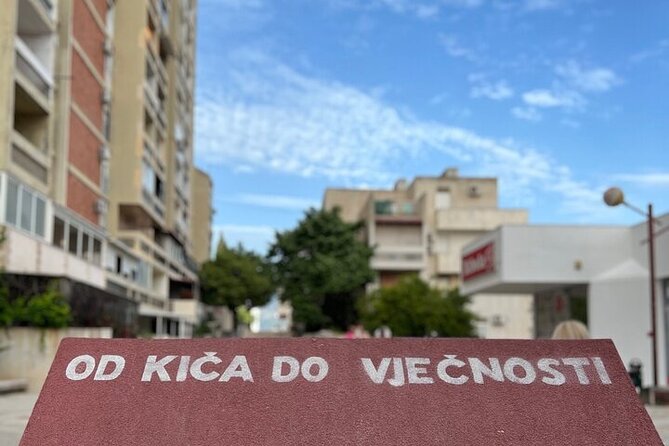
Split has always been a layered city, but most visitors only skim the top layers. This tour goes sideways on purpose and helps you see how the 20th century planned for life—where children could play, where people could meet, and how daily movement could be designed rather than left to chance.
I like that the focus isn’t nostalgia. You’ll look at raw buildings and clean geometry, but you’ll also get the why: brutalism wasn’t only a style; it was wrapped around beliefs about care, equality, and shared urban space. When it works, you start noticing small details you’d otherwise ignore—walkways, plazas, sight lines, and the way the street layout tries to slow you down.
And there’s a bigger payoff. Split 3 wasn’t just local planning; it’s part of a wider 20th-century conversation about how cities should respond to population pressure and changing life needs. If you like understanding modern cities as systems—people, space, and ideas—you’ll click with this.
You can also read our reviews of more tours and experiences in Split.



Papandopulova ulica: Where Split 3 Shows Its 1970s Face
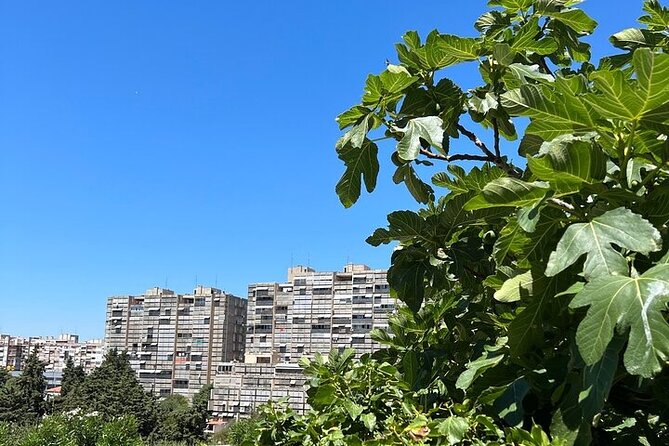
The walk begins at Ul. Šime Ljubića 3 and soon brings you to Papandopulova ulica, the entry point into Split 3’s most recognizable character. This area was built in the 1970s as part of Split’s expansion, and it’s directly tied to the MoMA exhibition Toward a Concrete Utopia (New York, 2018). That matters, because it frames what you’re looking at as something the wider world took seriously—not just a local oddity.
Here’s what you’ll likely notice during this stop:
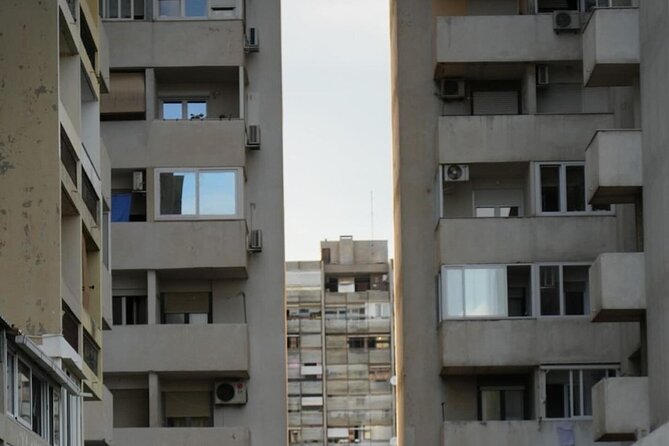
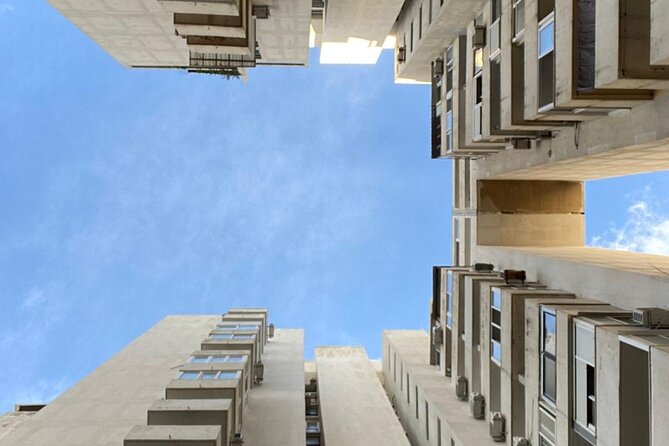
- Concrete shapes that feel blunt at first glance, but read clearly once you understand the plan.
- Space that’s organized with strong lines and angles, meant to guide movement.
- The sense that architecture is doing more than housing people. It’s setting up social life.
The tour gives you time here—about 38 minutes—so you’re not rushing past details. And you’re not only learning vocabulary. You’re learning a way to see: brutalism often gets labeled as cold, but on this route the emphasis is on function and community. That shift helps your brain stop judging and start understanding.
One practical tip: wear shoes you like. Even a short walk through residential zones adds up, and this is a tour built around viewing angles and walking pace, not fast photo stops.
Split-Dalmatia County: Planning for Growth, Even When Plans Weren’t Perfect
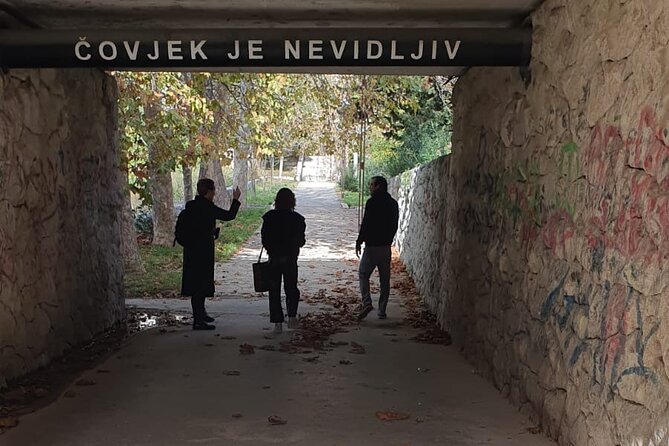
The next part moves to Split-Dalmatia County, where the story sharpens from architecture into urban intent. This is where you connect what you’re seeing to why it was built at all: Split 3 was created in response to rapid demographic growth. In plain terms, the city needed housing and social space that could keep up.
Important nuance: Split 3 was not fully realized. You’ll hear how the project entered the broader history books of 20th-century architecture and urbanism, even though it didn’t land exactly as first imagined. That’s valuable for you because it keeps the story honest. You’re not watching a perfect plan come to life; you’re watching a city wrestle with reality—money, space, timing, and changing needs.
This stop is about 25 minutes, so it works as the tour’s bridge: from the concrete designs you saw earlier to the social meaning you’ll feel by the end. If you’ve ever wondered why some neighborhoods feel purposeful and others feel chaotic, this is where you’ll get the answer—planning can create order, but it can’t control every future variable.
I also like that the tour frames Split 3 as part of a bigger conversation, not just a Croatian footnote. That makes your walk feel bigger than your location card.
Split and Art Activism: When Buildings Meet People Who Speak Up
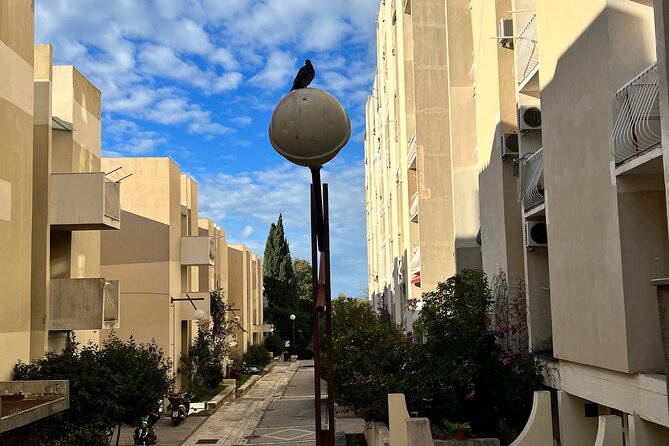
The final stop brings you into a layer most architecture tours skip: art activism in Split. Around 35 minutes are set aside for this portion, which pairs nicely with the earlier stops. After concrete and planning, you see how people express ideas in the same city.
The tour connects architecture to explicit critical communication—how communities challenge, comment, and push back. And because the experience includes meeting local artists/activist, you’re not left with theory. You get at least a glimpse of how the neighborhood’s social design and civic voice overlap.
Even if you don’t call yourself an art person, this is often the part that makes the tour stick. Brutalism can become an abstract debate if you only talk materials. But when activism enters the conversation, the buildings feel less like objects and more like stages—places where people live, speak, and organize.
If you like tours that treat public space as a living thing, you’ll appreciate how this section ties the past beliefs to modern communication.
How the Walk Feels: City-Within-a-City Design on Foot
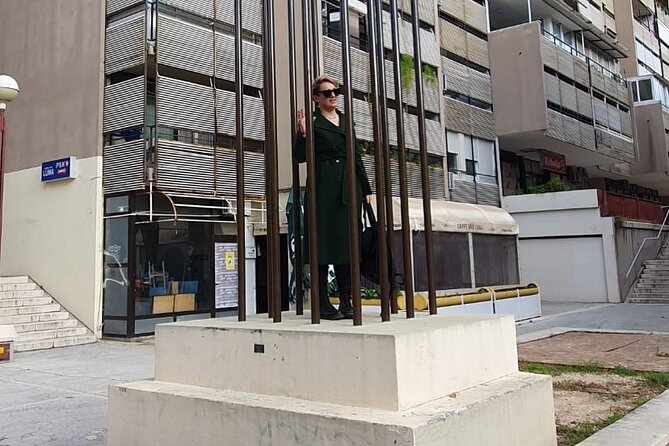
This is described as a real walk through parts of the city most visitors never reach: neighborhood streets shaped after WWII, when a new vision for life and society was being tested in concrete.
What you should expect from the “feel” of the tour:
- A pedestrian-oriented zone concept, where community spaces and everyday paths were part of the plan.
- Open spaces and clean geometry that change how you move and where you stop.
- A focus on children, daily life, and community, so the neighborhood reads like a system built for more than just cars.
And yes, it’s not framed like a victory lap. The tour avoids nostalgia. It’s more like: look carefully, understand the intent, then measure what’s left. That’s why you might start liking brutalism—not because it turns soft, but because you understand the care hiding inside the concrete logic.
Time-wise, the overall tour runs about 1 to 3 hours. That range matters. If your day is packed with classic highlights, you’ll want to check your schedule and aim for a time block that lets the walk unfold without you being rushed back to the next stop.


Tour Style, Guides, and What You Gain From Their Approach
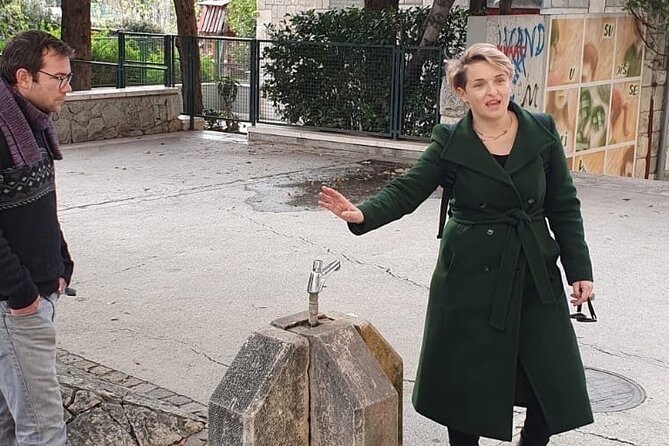
This experience is run by The Storyteller Croatia, and it includes a licensed tourist guide and certified heritage interpreter. That combination matters more than it sounds. The guide can connect streets to story, while the heritage interpreter helps you read the built environment as culture—why certain design decisions came from real beliefs.
One thing that stood out in the feedback: a guide named Mirjana was described as highly passionate and knowledgeable about her city, and the tour felt personalized. That matches the tour’s theme. This isn’t just reciting dates and styles. It’s about helping you see how socialist urban thinking shapes modern life in Split.
If you’re the type who asks questions—about why a neighborhood is arranged a certain way, or how planning affects everyday behavior—you’ll get a lot from this format. If you prefer passive viewing with minimal talking, you may find you need to manage your pace and focus. But the content is built for explanation, not silence.
Price and Value: What $113.90 Buys You in Split
The price is $113.90 per person. That’s not cheap for a walking tour, so value is the real question.
Here’s what you’re paying for that actually justifies the cost:
- A guided residential-area walk focused on a specific, meaningful slice of Split 3.
- Expert interpretation with both a licensed guide and a certified heritage interpreter.
- Multiple stops that move from architecture to urban context to art activism.
- A personalized neighborhood experience, not a generic overview.
Also consider timing. The average booking is about 12 days in advance, which suggests this tour often fills up. Booking earlier can help you lock in a slot that fits your trip flow.
There’s also group discounts and a mobile ticket, both of which help reduce friction on the day.
For whom is the value strongest?
- People who like architecture with context—why it exists, not only how it looks.
- Travelers interested in modern history and how cities plan for people.
- Anyone who wants more than the usual Roman-era sightseeing script.
For whom might the value feel weaker?
- If you only want iconic landmark photos and aren’t into 20th-century social planning.
- If you hate walking through residential areas and want views that stay strictly postcard-perfect.
Getting the Most Out of Your Visit
You’ll get the best experience if you come in with a slightly different mindset. Instead of thinking concrete is the star, think people and ideas are the star—and concrete is the tool used to express them.
A few practical moves:
- Slow down at each stop and look at the space layout, not only the building surfaces.
- Pay attention to pedestrian flow—where the tour emphasizes walking routes and open areas, that’s where the planning story becomes visible.
- Ask questions about what you’re seeing. This style of tour works best when you let the guide connect dots you wouldn’t notice alone.
- If the weather is warm, plan for shade and hydration. This tour covers ground in outdoor neighborhoods.
And if you’re worried about changing plans: free cancellation is offered up to 24 hours in advance.
Should You Book Secret Split: Socialist Architecture & Brutalism
Book it if you want Split to feel new. This tour is for travelers who care about how cities are designed for daily life, not just how ancient ruins look at golden hour. If you like brutalism and want the story behind it, you’ll get solid value from the architecture focus plus the art activism angle.
Skip it if your only goal is classic Roman sightseeing or you prefer tourism that sticks to the most photographed viewpoints. You’ll still be in Split, but the emphasis here is very different—20th-century planning, socialist ideals, and the real neighborhood where those ideas tried to become everyday life.
If you’re curious and open-minded, you’ll likely finish the walk with a new habit: noticing how space nudges behavior. That’s the kind of travel takeaway that lasts.
FAQ
How long is the Secret Split tour?
It runs for about 1 to 3 hours (approx.).
Where does the tour start?
The meeting point is Ul. Šime Ljubića 3, 21000, Split, Croatia.
Is this tour private or shared?
It’s private, meaning only your group participates.
Are there entry tickets included for the stops?
Admission ticket is listed as free for the stops shown in the itinerary.
What will I do during the tour?
You’ll visit the Split 3 residential area, walk through the neighborhood’s pedestrian-focused spaces, and include a stop related to art activism, with time to meet local artists/activist.
Can I get a refund if I change my plans?
Yes. Free cancellation is available up to 24 hours in advance for a full refund.