REVIEW · SPLIT
Controversies behind Split and Croatia-Anthropologist guide
Book on Viator →Bookable on Viator
Split has more politics than you expect.
This 2-hour, English-language walk gives you a people-first view of Split’s old stones, with guide Marin using maps on his iPad and plenty of humor to keep you engaged. I especially liked the way the tour connects ancient power to today’s local identity, and how you learn the controversy around Diocletian’s Palace instead of treating it like a simple tourist landmark.
The route also moves from major squares to quieter streets, so you get a real sense of how daily life and history overlap in the city. One possible drawback: you’ll be on your feet for much of the tour, so plan for standing time and bring water in warm weather.
In This Review
- Key highlights worth your time
- Why Diocletian’s Palace is the perfect starting point in Split
- A 2-hour walk built around real public space
- Stop-by-stop: what each place teaches you about people, not just places
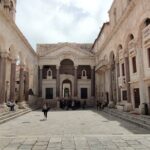
- Palazzo di Diocleziano (about 35 minutes, admission included)
- Obala Hrvatskog narodnog preporoda (about 15 minutes, no admission)
- Trg Braće Radić (about 15 minutes, no admission)
- Narodni trg (about 15 minutes, no admission)
- Šperun ulica (about 15 minutes, no admission)
- Trg Franje Tuđmana (about 15 minutes, no admission)
- Matejuška (about 10 minutes, admission included)
- Marin’s guide style: maps, geography, and real room for questions
- Price and value: what $35 really buys you
- When this tour is the best fit for you
- Practical details that help you enjoy it more
- Should you book this anthropological tour of Split?
- FAQ
- How long is the Split city center anthropological tour?
- How much does the tour cost?
- Is the tour offered in English?
- How many people are in a group?
- Are there multiple tour times available?
- Where do we meet for the tour?
- Where does the tour end?
- Is admission included anywhere?
- What happens if the weather is poor?
- What is the cancellation rule for a full refund?
Key highlights worth your time
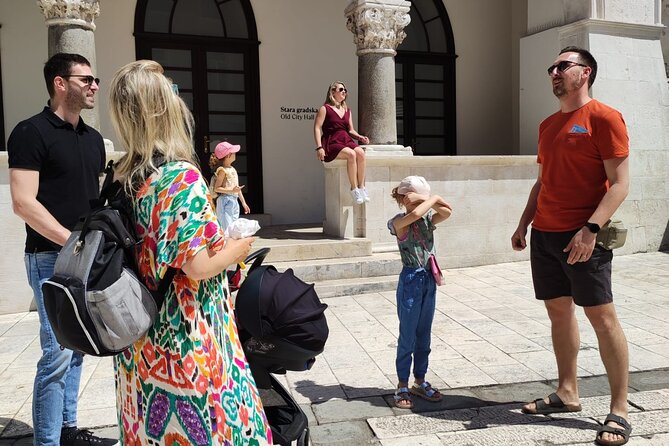
- An anthropological angle: you’re not just reading buildings, you’re tracing how people interpret power over time
- Diocletian’s Palace controversy explained in plain language, with room for questions
- Small group size (up to 12) so the guide can slow down when you want details
- Split’s public life stops: riva promenades, squares, and neighborhood streets—not just one big monument
- Strong visual teaching from Marin’s iPad maps and geography-focused explanations
Why Diocletian’s Palace is the perfect starting point in Split
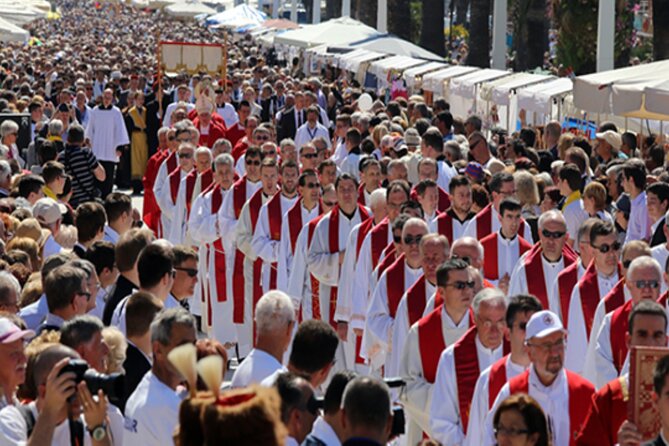
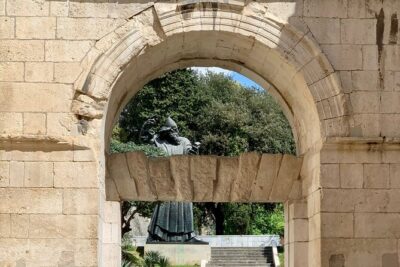
Most Split tours treat Diocletian’s Palace like a big, impressive backdrop. This one starts there on purpose, because the palace isn’t just a site of architecture. It’s a long-running argument—about who belongs, who controls space, and how each era rewrites what came before.
That’s the core idea of this tour: Split’s center can look settled, but underneath it there’s always been friction. When the guide talks through the most contentious historical and modern issues, you start noticing how history becomes a local habit. People don’t just inherit facts. They inherit interpretations.
I also liked how the tour keeps the tone human. You’re not drowning in dates. Instead you’re learning why certain places stuck in local memory—and why those same stories still matter when politics and identity get discussed today.
You can also read our reviews of more guided tours in Split


A 2-hour walk built around real public space
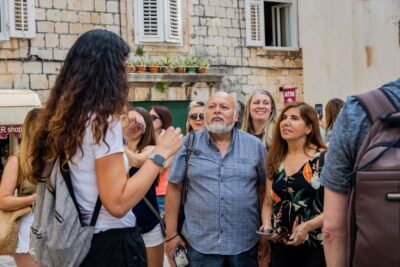
This isn’t a long slog. It’s about 2 hours in the city center, paced for a small group of up to 12. You’ll cover most of Split’s main central locations on foot, with frequent stops where the guide can make the story land.
The route is smart because it follows how cities actually work. You begin at a heavyweight site (the palace), then shift to areas where people live their day: a riva promenade for public life, squares for civic drama, and neighborhood streets where you get the texture that doesn’t show up in quick photo sessions.
Also, the “small group” format matters. It makes it easier to ask questions, and it helps the guide adjust the pace. Marin’s teaching style comes across like a good class: clear points, then a chance to talk back.
Stop-by-stop: what each place teaches you about people, not just places
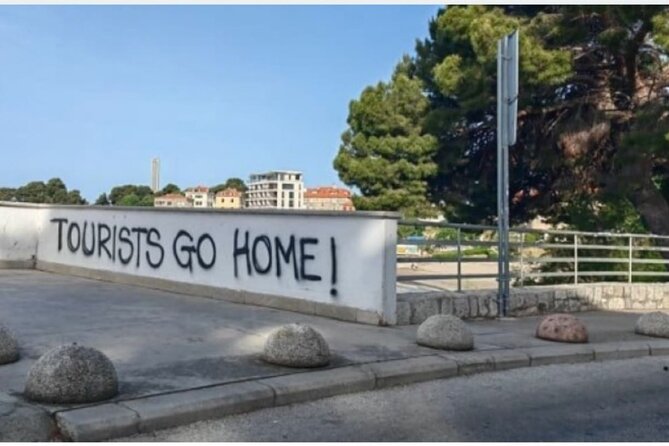
Palazzo di Diocleziano (about 35 minutes, admission included)
You start with Diocletian’s Palace—big, central, and unavoidable. But the tour approach is different: the palace becomes a case study in controversy.
You’ll hear the story from the perspective of issues that have bothered locals across time. The guide doesn’t frame it as one neat origin story. Instead, he treats it like a contested stage: each historical period arrives, looks at the same space, and decides how it should function.
Practical tip: this is the longest single stop. If you want to understand the tour’s logic, stay with it here. It sets the tone for the rest of the walk.
Obala Hrvatskog narodnog preporoda (about 15 minutes, no admission)
Next comes the riva, a Mediterranean-style promenade where public life gathers. This segment works as the change of gear. After the palace’s gravity, you shift to movement: the kind of place where history plays out through crowds, habits, and everyday visibility.
The guide uses the riva as a connector to historical events, showing how public space becomes a political and cultural stage. It’s a reminder that Split’s story isn’t only carved into walls—it’s also lived in open air.




Trg Braće Radić (about 15 minutes, no admission)
From the riva you move into a square tied to turbulent times. Here the focus is Split as a frontier during battles against the Ottomans—and how that period is understood now.
This matters because the tour isn’t trying to trap you in the past. It’s asking why certain eras keep shaping the present. When you stand in a place like this, you begin to see how memory becomes a local voice.
A good sign you’re on the right tour: the conversation moves from what happened to how people interpret what happened.
Narodni trg (about 15 minutes, no admission)
This stop adds a sharper, more unsettling layer. The guide points out that under your feet are human remains from an ancient graveyard. Then the story continues into later events—some amazing, some infamous.
That mix is useful. It stops the city from feeling like a museum. Split becomes what it is: a place where daily life sits directly above layers of earlier lives.
Practical tip: if you’re sensitive to this kind of framing, it’s still handled in a way that feels educational rather than sensational.
Šperun ulica (about 15 minutes, no admission)
Then you reach one of the more famous neighborhoods—one you’ll likely walk near as a visitor, even if you don’t think much about its backstory.
Here the tour turns from monuments to identity. The guide shares the story behind the neighborhood so it stops being just a convenient area to stay. You start hearing why places become popular, how reputations develop, and how locals make sense of change.
Even if you love architecture, this is a great stop because it shows a different kind of significance: social meaning.
Trg Franje Tuđmana (about 15 minutes, no admission)
The square named after Croatia’s first president brings the story into the late 20th century. The guide talks about a hard history lesson in Croatian schools and why that era still creates division in society.
This is where the tour earns its anthropological label. It’s not just “here is what happened.” It’s “here is how a society keeps processing what happened.”
If you’re traveling with curiosity about how countries talk to themselves about the past, this stop will click. If you prefer purely neutral sightseeing, this may feel more serious than expected—but it’s still approachable.
Matejuška (about 10 minutes, admission included)
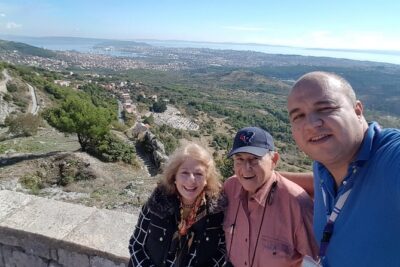
The tour ends at Matejuška, chosen for the view of Split. It’s a strong finish because you get a modern picture of the city after the historical one.
You also hear final words about modern Split, tying back to the bigger theme: the city is shaped by how people narrate their own past. You’re left with a clearer mental map of the city’s identity, not just a list of sights.
Practical tip: bring a light layer if it’s windy near the water.
Marin’s guide style: maps, geography, and real room for questions
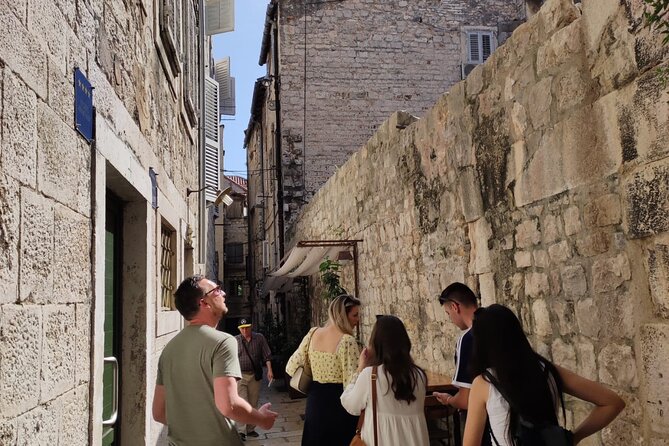
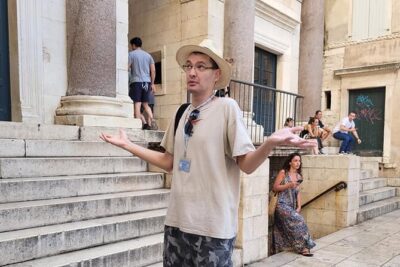
What stands out most in the experience is how Marin teaches. He’s enthusiastic, prepared, and very open to questions. His iPad maps and visuals keep complex stories understandable, and he clearly thinks about geography—how routes, frontiers, and proximity influence history.
That teaching style is also why the tour feels like a “little tutoring session” in a good way. You get the sense that it isn’t performed just for the clock. The guide is genuinely interested in making sure the stories land.
One more practical thing I appreciated: the guide tries to find shade when the weather is harsh. On a city walk, that can make the difference between enjoying the tour and feeling baked.
Price and value: what $35 really buys you
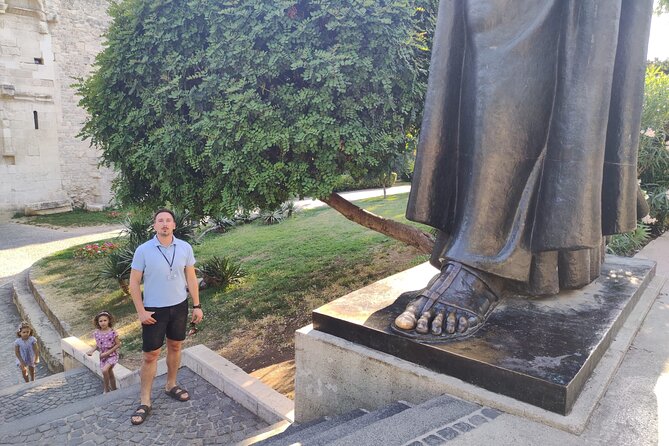
At $35 per person for about 2 hours, you’re paying for more than movement through town. You’re paying for interpretation—an organized walk where the guide connects places to how people think and argue about identity.
You also get a couple of admission components included (at the palace area and at the Matejuška end spot). Other stops are no admission, which helps the tour keep costs reasonable while still using key locations for storytelling.
This is good value if you’re the type who dislikes reading plaque text and moving on. If you want your city time to feel like learning, not just looking, this pricing makes sense.
If you only want quick photo highlights and zero context, then $35 may feel like extra. But for a focused city-center lesson on Split as a living identity machine, it’s a fair deal.
When this tour is the best fit for you
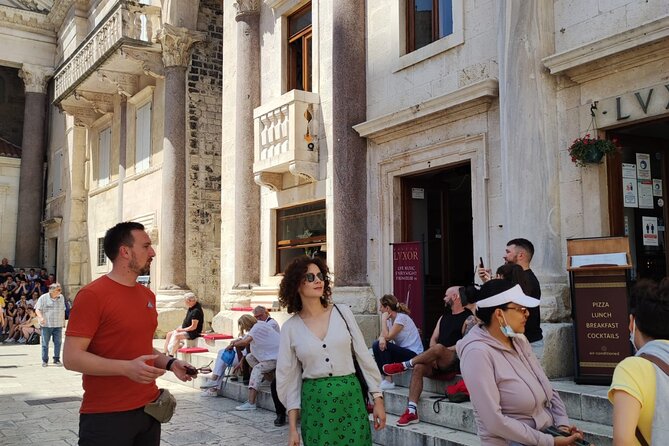
This works especially well if you:
- like city tours with a human angle (how people interpret places)
- want context behind big landmarks like Diocletian’s Palace
- enjoy asking questions and getting clear answers
- prefer small-group attention over large crowd chaos
It’s also a smart choice if you’re only in Split for a short time and you want your mental map to come together fast. In about 2 hours, you’ll understand why the city center feels layered instead of neatly chronological.
If you have limited comfort standing, plan accordingly. This is a walking tour and there’s a good amount of listening while upright. Comfortable shoes matter more than you think.
Practical details that help you enjoy it more
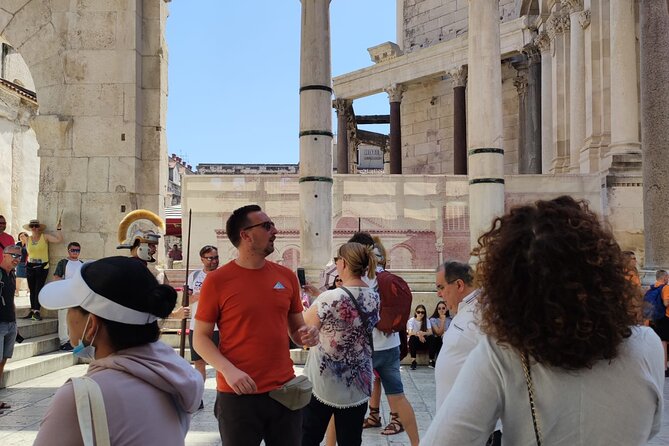
The tour runs in English and is designed for most participants. It uses a mobile ticket, and you receive confirmation at booking.
Meeting is at Ul. kralja Tomislava 12, 21000 Split, and the walk ends at Trumbićeva obala 2, 21000 Split. Multiple start times are available, which helps if you’re juggling museum hours or ferry schedules.
One more thing: it requires good weather. If the weather is poor, you’ll be offered a different date or a full refund.
Should you book this anthropological tour of Split?
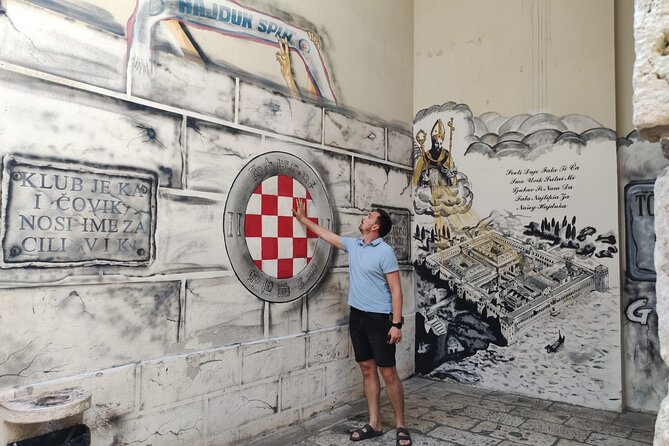
Yes, if you want Split to feel understandable instead of just photogenic. I’d book it if you’re curious about how history becomes identity, and especially if you want the controversy around Diocletian’s Palace explained in a grounded way.
Skip it only if you’re mainly after a light sightseeing loop with minimal talking. This tour is built for people who enjoy stories, context, and questions.
If your schedule allows, choose a time when you’re not already exhausted. You’ll enjoy it more when you can stand, listen, and look closely at the city like it’s a living argument.
FAQ
How long is the Split city center anthropological tour?
It lasts about 2 hours.
How much does the tour cost?
The price is $35.00 per person.
Is the tour offered in English?
Yes, it’s offered in English.
How many people are in a group?
The tour has a maximum of 12 travelers.
Are there multiple tour times available?
Yes. You can choose from multiple tour times to fit your schedule.
Where do we meet for the tour?
The meeting point is Ul. kralja Tomislava 12, 21000 Split, Croatia.
Where does the tour end?
The tour ends at Trumbićeva obala 2, 21000 Split, Croatia.
Is admission included anywhere?
Admission is included for Palazzo di Diocleziano and at the end stop at Matejuška. Other stops listed are free.
What happens if the weather is poor?
This experience requires good weather. If it’s canceled due to poor weather, you’ll be offered a different date or a full refund.
What is the cancellation rule for a full refund?
You can cancel up to 24 hours in advance for a full refund (cut-off is based on local time).