REVIEW · TROGIR
Experience Trogir with a Local Guide
Book on Viator →Operated by Emaus Tourist Guide Trogir · Bookable on Viator
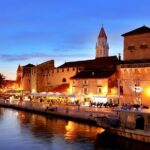
Trogir feels like a film set. This private walk with a licensed local guide turns the town’s stone lanes into a story you can follow, from medieval gates to the main square. You’ll be with Sandra (Emaus Tourist Guide Trogir) and you’ll get the kind of context that makes the places feel lived-in, not just photographed.
What I really liked: you get two sides of the same story—the facts, plus why they happened and what people did about them. I also love how the tour mixes big landmarks with small details, like the role of bells in daily life and the way locals still use key spots for coffee and hanging out.
One consideration: the Cathedral entrance costs 6€ per person and it’s optional. If you’re the type who wants every stop fully inside, you’ll need to budget that add-on (or choose to enjoy the views from outside).
In This Review
- Key highlights you can’t miss
- Walking Trogir with a local guide who knows what matters
- The medieval North Gate: your quick orientation into old Trogir
- Narrow streets, everyday life, and why bells mattered
- A former noble palace museum stop: history you can feel in the walls
- Kula Karmelengo: Fortress of Chains and concert-season atmosphere
- UNESCO Igralište Batarija: the football field in the protected zone
- Trogir Promenade: the everyday center, not a museum walkway
- South Gate photos and St Nicholas behind the arch
- Central Square and the cathedral complex you’ll remember
- Saint Lawrence’s Cathedral: optional entry, big payoffs either way
- Price, time, and value: what you’re really paying for
- Who should book this tour in Trogir?
- Quick planning tips before you go
- Should you book the Trogir with a Local Guide experience?
- FAQ
- How long is the Trogir with a Local Guide experience?
- What language is the tour offered in?
- Is the cathedral entrance included?
- What’s the meeting point?
- What’s included in the price?
- When does the tour run?
Key highlights you can’t miss
- Medieval North Gate and why the town was walled in the first place
- Petar Berislavić’s birth house area and how one figure links to Croatian history
- Kula Karmelengo (Fortress of Chains) and the setting for summer concerts
- Igralište Batarija UNESCO football field, plus nearby views like the tower of St Mark
- Trogir Promenade for the everyday feel, not just monuments
- Saint Lawrence’s Cathedral with Radovan’s portal, belltower views, and optional interior access
Walking Trogir with a local guide who knows what matters

Trogir is small, but it’s not simple. It’s layered. Roman-era roots show up in how the town feels. Venetian-era touches show up in the big public spaces. And when you add later chapters—Ottoman pressure, French rule, and the way people kept rebuilding—you get a place that explains itself if you know where to look.
That’s where this experience pays off. You don’t just “see” Trogir. You get a guided thread through it, with a guide who pays attention to what ordinary people cared about, not only who sat on top of history.
The format helps too: it’s a private tour with mobile tickets, run in English for about 1 hour 20 minutes to 2 hours. The price is $82.80 per person, which sounds specific enough to make you check if it’s worth it—and in this case, it is, because you’re buying time, clarity, and a local’s version of the story. You also get group discounts, which can make it even more reasonable if you’re traveling with friends or family.
You can also read our reviews of more guided tours in Trogir

The medieval North Gate: your quick orientation into old Trogir
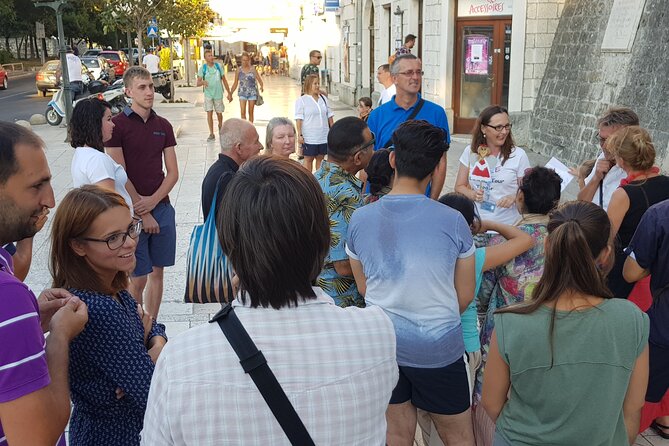
The tour starts at Ul. Gradska vrata 6, Trogir, and right away you’re positioned at the North Gate, the main entrance used in medieval times. That matters because the guide doesn’t treat the walls like decoration. You’ll hear why the town was fortified and why people couldn’t enter wherever they wanted.
This is the first way you’ll feel the difference between a photo tour and a history tour. Once you understand that entrances were controlled, you start spotting how the streets funnel you through the old town and how the urban layout shaped daily life.
You’ll also get a few grounding stories: the town’s name, who the first settlers were, and why those early chapters still echo in how Trogir functions today. One fun, very practical detail is the mention of bells—how they mattered to people in the past, not just as church sound, but as part of rhythm and routine.
This is also where the guide ties the past to recognizable individuals. You’ll stop near the birth house of Petar Berislavić, a Croatian nobleman important to Croatia’s story, not only Trogir’s.
Narrow streets, everyday life, and why bells mattered
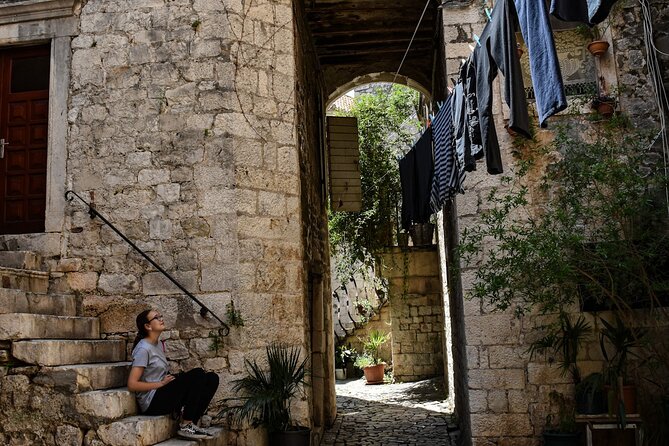
After the gate, you’ll wander through tight lanes where the scale is human. The town is compact enough that the walk never feels like a chore, but it’s still detailed enough that you notice things: carvings, building shapes, and the way plazas and churches interrupt the street flow.
I like this part because it helps you get your bearings fast. You’ll hear how life continued from earlier periods, and you’ll get the human side of the history—what mattered to locals, how patron saints mattered, and why certain symbols kept showing up in public spaces.
In the strongest moments, the guide’s approach feels personal. Sandra’s style leans warm and human, and you can tell she’s comfortable in her hometown. In practical terms, that means you’ll hear advice that goes beyond facts—like what to watch for while you’re wandering on your own after the tour.
A former noble palace museum stop: history you can feel in the walls
At one point you’ll reach a spot connected to a museum that was once a noble palace. The guide frames it as more than a building you pass. The point is how social life worked—where power lived, where status showed up, and how those spaces can still shape the vibe of a town today.
Even if you choose not to go inside at every option, you’ll walk away with a better sense of why certain buildings look the way they do and how they fit into the bigger picture of Trogir’s past.
This is also where Sandra’s balanced storytelling stands out. One example from her approach: she gives you both the obvious damage and the stated reason behind it. For instance, when talking about the French and the city walls, she’ll explain the trade-off they were trying to make—hygiene mattered because the old town had limited sewage solutions, and waste was handled in ways that would have been hard for people to ignore. It’s not a “paint it all black or all white” approach. It’s cause-and-effect history, spoken in plain terms.
Kula Karmelengo: Fortress of Chains and concert-season atmosphere
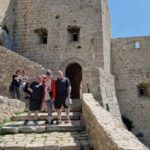
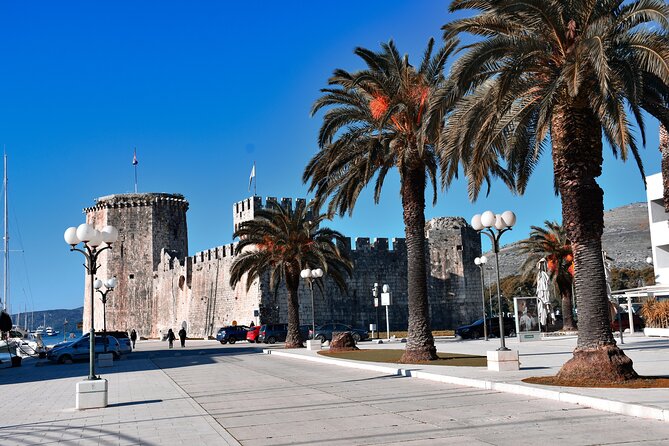
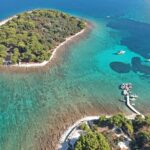
Next comes Kula Karmelengo, a fortress associated with the idea of shelter during Ottoman invasions—and today it’s tied to music and summer culture. The guide explains the fortress’s earlier name as the Fort of Chains, and you’ll learn why that name fits the place.
Here’s the key practical detail: you’ll visit from the outside, and entrance is optional. If you’re curious and want extra time, you can go in. If you’d rather keep momentum, you can still get the dramatic setting and atmosphere just by standing there.
Why this stop is worth your time: it gives you a viewpoint shift. Old towns can become all-flat street scenes in your head. A fortress location resets the scale and helps you understand how the town defended itself and how it used space for public life later.




UNESCO Igralište Batarija: the football field in the protected zone
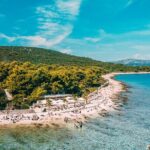
Then you hit Igralište Batarija, where the big surprise is the UNESCO-protected football field. It’s a detail you’d never guess just by looking at Trogir on a map, and that’s exactly why a local guide is valuable—you get stories that change how you see the town.
From this area you’ll also pick up sightlines toward a gloriette dedicated to French rule and the tower of St Mark. Even with just a short stop, you’ll come away with an “aha” moment: Trogir’s history doesn’t stay trapped in churches and palaces. It’s also in civic spaces and everyday recreation.
The stop is short (about 10 minutes), so treat it like a quick visual reset. If you want more time for photos, make sure you’re ready with your best angles before the group moves on.
Trogir Promenade: the everyday center, not a museum walkway
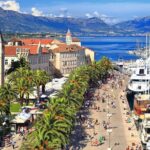
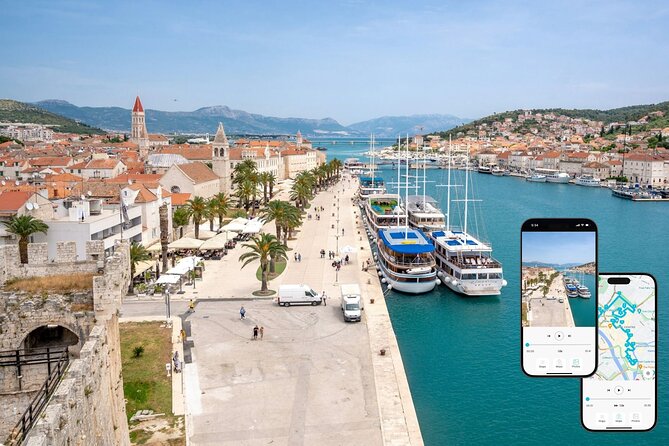
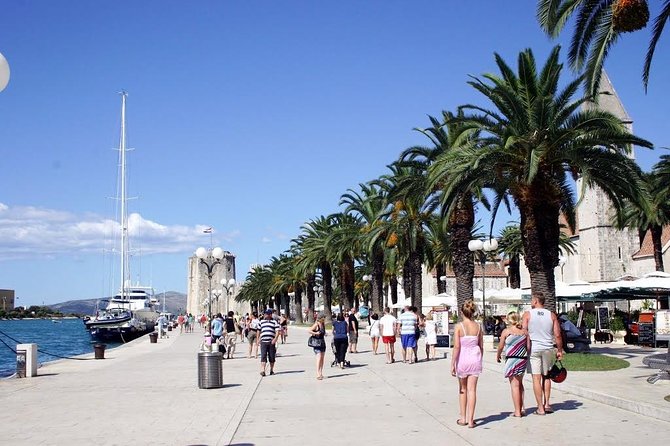
After the more specific landmarks, you’ll walk to the Trogir Promenade, described for a reason: it’s where people actually spend time. You’ll see a mix of tourists and locals using it for coffee and relaxing.
This matters because it keeps the tour from turning into a nonstop lecture. It gives you a chance to feel the town’s pace. If you want to continue exploring after the guide’s done, this is also a good “anchor point” to return to later.
Tip: pause for a moment and watch the flow. In small towns, that’s often when you figure out where you’ll enjoy wandering on your own.
South Gate photos and St Nicholas behind the arch
Next is Juzna gradska vrata (South Gate), and it’s built for framing a picture. The gate still has original doors that would have been closed in the evening, so you get a direct sense of medieval routine—day outside, night inside.
Right nearby there’s a Small lodge where shelter would have been available overnight. The guide points out how the gate acts like a natural frame for photos, and you’ll notice how the colors can shift depending on time of day.
Behind the gate sits the church and Benedictine Monastery of St Nicholas. The stories here connect to a theme of Trogir as a town of happy moments, which adds a lighter note to the tour’s more defensive and political chapters. It’s a good emotional balance.
Central Square and the cathedral complex you’ll remember
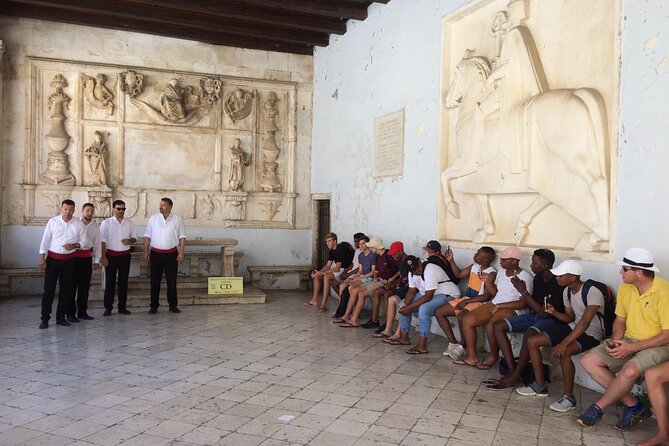
The next stretch moves into Central Square, where you see how the town organizes power and public life. You’ll find the court, Rector’s Palace, noble palaces, and the cathedral complex all close enough that you can connect them mentally.
You’ll also hear stories about Venetian lions, trials, and a theatre that was once in the heart of Trogir. This is a “read the buildings” stop. Once you understand the roles those sites played, the architecture stops being random.
If you like architecture, stand still for a minute. Let your eyes adjust. A guide’s narration gives you context, but your own viewing is what makes it stick.
Saint Lawrence’s Cathedral: optional entry, big payoffs either way
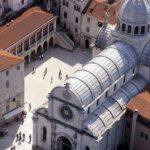
Finally, you reach Saint Lawrence’s Cathedral, the main attraction of the town. Even before you go inside (or decide not to), it’s the kind of building that makes you slow down.
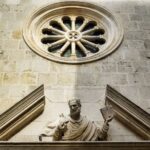
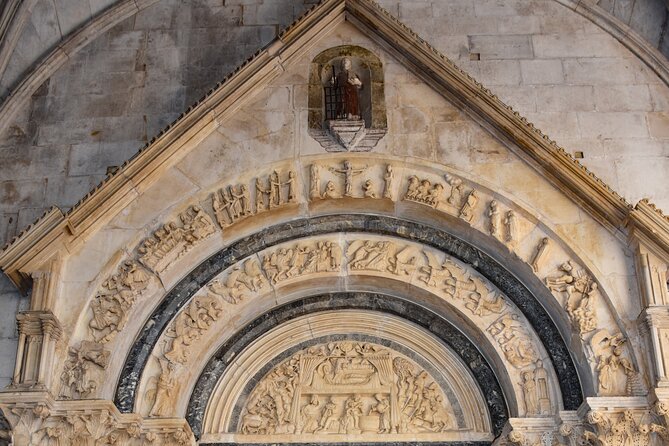
You’ll learn about Radovan’s portal and the belltower, and you’ll hear about a drawing on the wall that still amazes people today. The stop itself is long enough to take in the façade and listen without feeling rushed.
Entrance is optional and not included. If you choose to pay the 6€ per person, you can see more inside, including the chapel of St John, the Baptistery, and you can climb the belltower for views over the town. If you don’t go in, you can still enjoy the exterior and move on with a complete sense of why the cathedral matters.
Practical note: if the weather turns or you’re tired, you’re not stuck. The tour still delivers a lot from outside.
Price, time, and value: what you’re really paying for
Let’s talk value in real terms. At $82.80 per person for about 1.5–2 hours, you’re paying for a licensed guide, a tightly planned route through the old town, and the ability to ask questions without guessing.
What makes it feel worth it is not only the list of sights. It’s the way the guide ties them together:
- why gates controlled movement
- why fortresses existed
- how UNESCO protection can apply to something surprising like a football field
- how different rulers left different layers behind
Also, the guide is clearly comfortable with locals. In my mind, that’s a signal of authenticity. It shows in the way Sandra interacts—she gets greeted around town and keeps the energy friendly, even while explaining serious topics. That’s not just charm; it keeps the tour from becoming stiff.
If you’re traveling with limited time in Trogir, paying for this kind of orientation can save you hours of wandering with no direction.
Who should book this tour in Trogir?
This works well if you:
- want a guided walk through Trogir’s UNESCO-linked story spots
- like when history includes social details, not only rulers and wars
- want a private experience with room for questions
- appreciate a guide who speaks in clear, balanced terms (Sandra’s approach is very much that)
If you’re the type who hates walking, you might find the pace a bit much because the route is built around seeing multiple core areas in a compact town. But most people can participate, and the tour is pushchair accessible.
Quick planning tips before you go
- Dress for old-town walking: expect uneven stone and narrow spaces.
- If you care about the views, consider paying for cathedral entry so you can climb the belltower.
- The tour runs Monday through Saturday, 9:00 AM to 7:00 PM, and the schedule is offered across the 2024–2026 window.
Should you book the Trogir with a Local Guide experience?
If you want Trogir to make sense fast, I’d book it. The combination of gates, cathedral focus, and surprising stops like the UNESCO football field gives you a well-rounded picture in a short time. And the strongest ingredient is the guide’s tone: Sandra handles history with balance and adds human warmth so the town feels like a place people still live in, not a set piece.
Skip it only if you’re trying to build a self-guided itinerary with no paid guide at all. If that’s you, you might still enjoy Trogir—but you’ll miss the threads that turn individual sights into one connected story.
FAQ
How long is the Trogir with a Local Guide experience?
It lasts about 1 hour 20 minutes to 2 hours.
What language is the tour offered in?
The tour is offered in English.
Is the cathedral entrance included?
No. Entrance to Saint Lawrence’s Cathedral is paid by the client and is 6€ per person. Entrance is optional.
What’s the meeting point?
The meeting point is Ul. Gradska vrata 6, 21220, Trogir, Croatia. The tour ends back at the same place.
What’s included in the price?
You get a licensed guide. The tour also uses a mobile ticket and offers group discounts.
When does the tour run?
It operates Monday through Saturday, 9:00 AM to 7:00 PM during the listed period (07/14/2024 to 11/26/2026). Service animals are allowed, and it’s pushchair accessible.