REVIEW · SPLIT
Krka National Park & Primošten Tour from Split or Trogir
Book on Viator →Operated by South Tours Croatia · Bookable on Viator
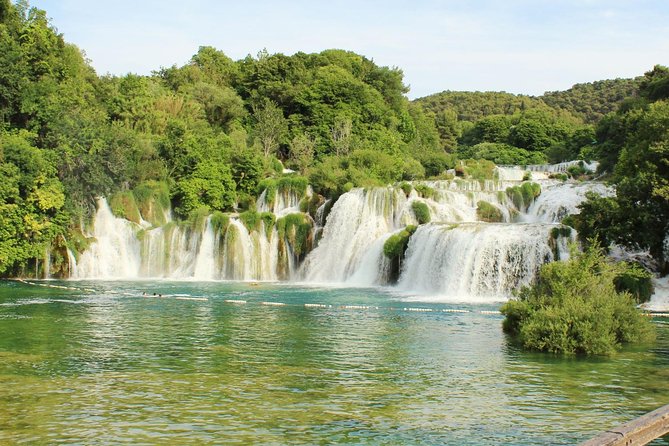
Waterfalls meet seaside time in one day. I love the Skradinski Buk views from Krka’s wooden paths, and I love the built-in break in Primošten—time that feels like a reward after hours in the park.
There’s one big thing to plan for: the Krka park entrance ticket is not included, and in peak months the park is crowded and hot. If you’re not ready to handle extra cash and a bit of queueing, this day can feel more hectic than magical.
In This Review
- Key things to know before you go
- Krka and Primošten in one day: the real vibe
- Primošten peninsula stop: medieval town time without the stress
- Getting to Krka National Park: boardwalk paths, birds, and mills
- Skradinski Buk and the wooden paths: how to enjoy your time best
- Ethno village mills and forest walk: where the day slows down
- The Krka River cruise segment: what to watch for
- Price and value: what you’re paying for at $47.96
- Crowds, heat, and how to pack like a local
- Bus ride reality: duration, pace, and group energy
- Who this tour fits (and who might be happier elsewhere)
- Final verdict: should you book Krka & Primošten from Split or Trogir?
- FAQ
- Does the tour include the Krka National Park entrance ticket?
- Is swimming allowed in Krka National Park?
- How much time do I get in Primošten and Krka?
- What is the discounted entrance fee for Krka (and do I need cash)?
- What should I bring for this day trip?
- Is there a fitness requirement?
Key things to know before you go
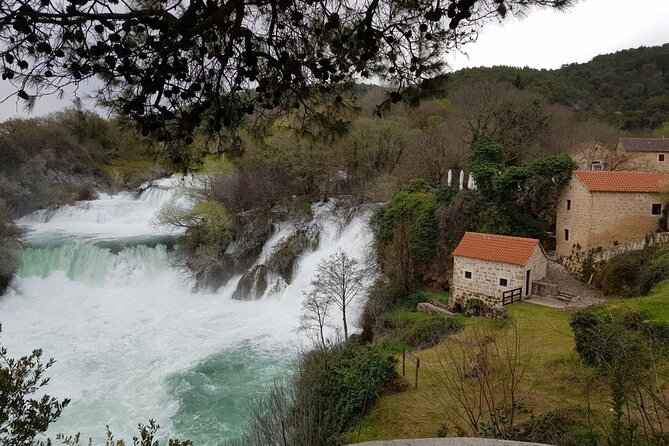
- Skradinski Buk walking trails: expect boardwalk-style paths and classic photo angles of the park’s biggest waterfall.
- Primošten for chilling and swimming time: you get a real seaside stop with time to stroll, eat, and cool off.
- Ethno village and 19th-century mills: you’ll see working-style mills and take a forest walk near the waterfalls.
- River cruise portion: the day is designed around time on the Krka River after your coastal drive.
- Park admission is extra (cash helps): discounted rates are available, but they require exact cash and a category match.
- Heat management matters: June to October is very busy, so bring sun protection and plan your slow moments early.
Krka and Primošten in one day: the real vibe
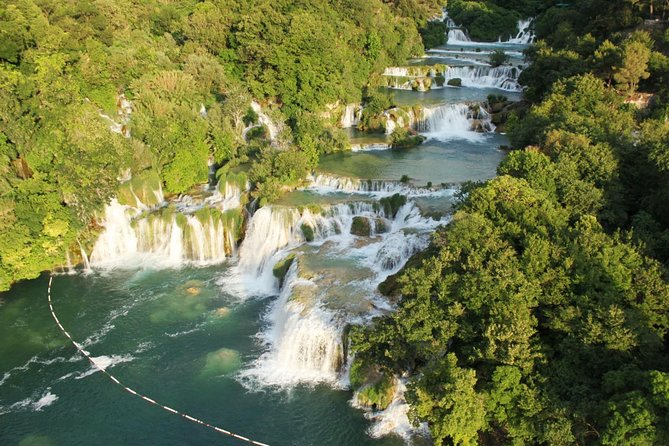
This is a tour that tries to balance two moods in one long day: waterfall focus in Krka National Park, and Adriatic downtime in Primošten. You’re on an air-conditioned bus for the transfers, then your time is split between guided sightseeing and free moments for your own pace.
If you like classic Croatia—stone towns, cliff views, and photogenic falls—this route hits the highlights without making you manage logistics. With a maximum group size of 45 and an English-speaking driver, you also get enough structure to keep the day flowing, especially if you’re visiting in a busy season.
The tradeoff is simple: it’s an 8-hour outing, so you’re not here to wander slowly for an entire day. You’re here to see the top sights, take breaks, and move on.
You can also read our reviews of more tours and experiences in Split.
Primošten peninsula stop: medieval town time without the stress
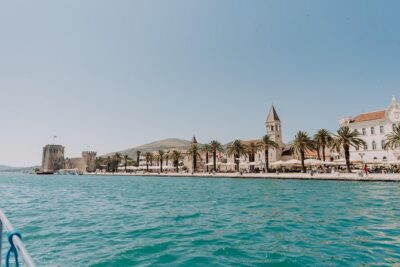
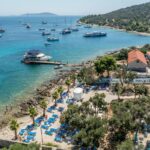
Your first major stop is Primošten, a peninsula town on the Adriatic between Šibenik and Trogir. You’ll have about 2 hours here, and that’s enough time to do the practical stuff: walk around, grab a bite, and find a spot to cool off.
What I like about this stop is how different it feels from Krka. The park is all about paths, water sound, and big nature energy. Primošten is your reset—sea air, open sky, and streets that are made for quick wandering rather than endurance hiking.
A word of caution: heat can flatten the joy of sightseeing. One review note hinted that the morning timing in hot weather didn’t feel worth the extra stop. So if you’re traveling in high summer, treat this like a short stroll-and-swim moment, not a deep explore.
Getting to Krka National Park: boardwalk paths, birds, and mills
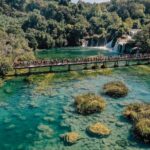
Once you reach Krka, the plan is straightforward: you’ll head out on the park’s wooden paths, with time to take in the scenery and the details. This is not a forced march—there’s enough space to pause, take photos, and let the falls do the talking.
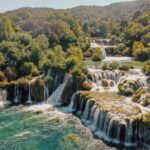
Krka’s big draw here is Skradinski Buk, the park’s largest waterfall. You’ll also see water mills with a history of centuries of use, plus the kind of nature atmosphere where birdsong is part of the soundtrack. It’s easy to underestimate how much you’ll notice the smaller stuff—like the feel of the walkways and the way the falls change from one angle to another.
One practical consideration: Krka is a walking experience with a moderate fitness level requirement. Even if you’re not doing intense hiking, expect steps, uneven ground in spots, and time outdoors. In summer, the combination of walking plus sun can be the hardest part of the day.
Skradinski Buk and the wooden paths: how to enjoy your time best
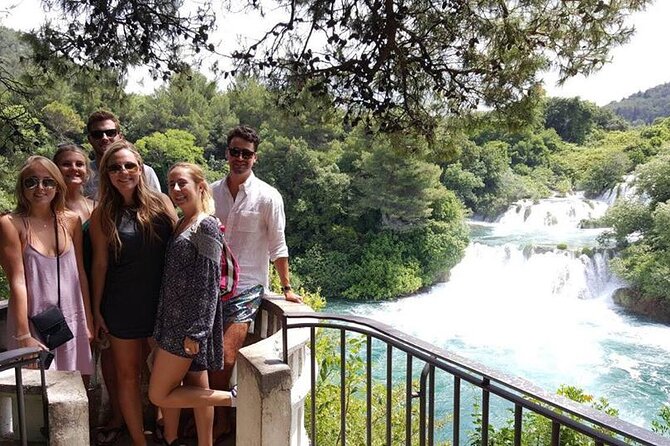
Your Krka portion is about 4 hours, which is a good amount for seeing the main waterfall area without feeling like you’re sprinting. The challenge is that the park can get very crowded between June and October, so the “easy” walking can turn into stop-start movement near popular viewpoints.
Here’s how to make it feel calmer:
- Plan to linger at the viewpoints that feel less “tour group forward.” You’ll often find better pauses just by stepping aside from the busiest angles.
- Move early in your allotted time window. When the crowd thickens, it gets harder to savor the quieter corners.
- Keep your towel and sun protection ready. Even if you’re not swimming in Krka, you’ll still want to cool down during breaks.
Also, remember this rule: swimming inside Krka National Park is prohibited. The park is about viewing the falls and walking the paths, not water play. If you were hoping for a swim here, shift your expectations to Primošten’s seaside time.
Ethno village mills and forest walk: where the day slows down
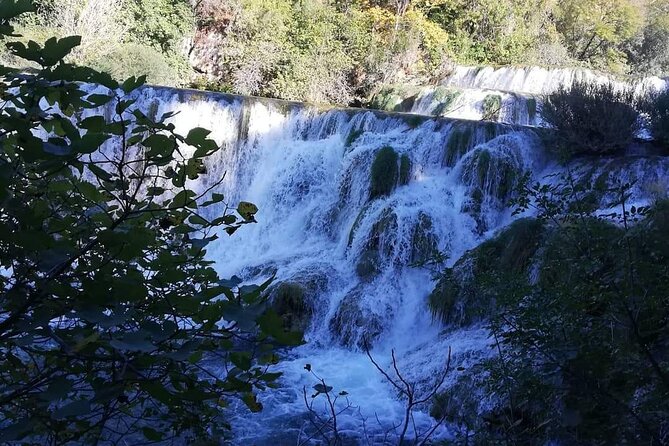
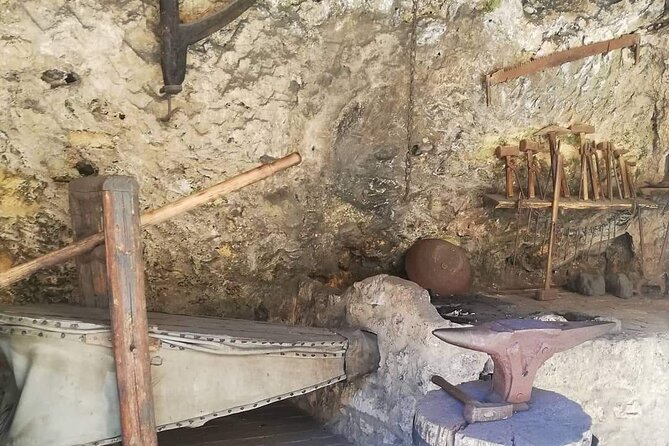
After the main waterfall viewing, your route includes the historic village area of Ethno. This stop focuses on 19th-century mills and a nearby forest walk back toward the waterfall zone.
I like this part because it breaks the “waterfall loop.” You get something hands-on with the mills and a change of scenery with the trees. It’s a good moment to reset your brain when the falls start to feel like they’re repeating from angle to angle.
This part is also where your photos can improve. The scene isn’t only water—it’s people-sized buildings, old mill structures, and paths through the forest. If you’re traveling with someone who prefers structure over chaos, this is usually their favorite “different” stop.
The Krka River cruise segment: what to watch for
Your tour concept includes a boat cruise along the Krka River. That’s a smart add-on because it gives you a different perspective before and after the waterfall walk.
That said, one important reality check: tours sometimes vary by version. One guest issue in the past came down to mismatches between what was expected and what was included. So before you go, verify your exact booking details—especially around the cruise and any activities you were told would be part of your day.
When the cruise is included, it’s usually the kind of thing that makes the day feel more like an experience and less like a bus-and-walk arrangement. Just be ready for sun and time in motion, and keep your schedule expectations flexible.
Price and value: what you’re paying for at $47.96
At $47.96 per person, the price is mainly paying for the “make it easy” parts: round-trip air-conditioned bus transportation and an English-speaking driver. That’s real value if you don’t want to plan trains, parking, or timing on your own.
What’s not included is the key expense: the Krka National Park entrance ticket. And those entry costs can be significant enough to change how you judge the deal—especially in peak months.
Here are the discounted rates you can plan around (when traveling in the listed time windows):
- June to September: Adults €30, Student €15, Children (7–17) €15, under 7 free
- April, May, and October: Adults €16, Student €10, Children (7–17) €10, under 7 free
A critical tip: you’re asked to prepare exact cash for the park entrance fee so you can get the discounted price. Also, if you qualify for student tickets, the tour requires a physical student ID card.
If you’re budgeting, don’t treat $47.96 as the full cost. Treat it as your transportation-and-guidance fee, then add the park entry. Done this way, the value makes sense—and it’s still a cost-effective way to see two standout stops in one day.
Crowds, heat, and how to pack like a local
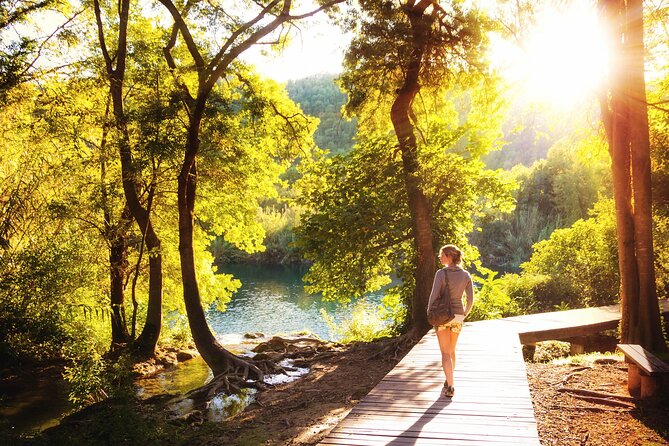
The park is very crowded from June to October, and Krka is outdoors. That means the experience can feel great—or exhausting—depending on how you manage the sun.
Here’s what you should bring based on what’s recommended for this tour:
- Towel
- Hat
- Sun cream
- Bath suite (use this for seaside time, since swimming in Krka is not allowed)
I also suggest you bring water if you can. Food and drinks aren’t included, so you may want to plan for your own snacks and hydration strategy. For lunch, you’ll have a break at a local restaurant in the flow of the day, but there’s no guarantee it aligns with your exact dietary needs.
If heat is your enemy, your best weapon is timing: start your waterfall walk with energy, then save longer pauses for when you’ve found a shady stretch. The day’s structure helps, but your comfort will still depend on your personal pace.
Bus ride reality: duration, pace, and group energy
Plan for an 8-hour day on the clock. The tour is built around transfers and two main stops, so you’ll be moving more than you might on a full-day self-guided plan.
Group size is capped at 45, which is large enough that you won’t feel totally private, but small enough that it usually doesn’t turn into a chaotic stampede. Most of the time, you’ll get enough guidance to know where to go and when to meet up.
One review detail that’s worth knowing: on some departures, the driver can be quite fast on the road. That doesn’t automatically ruin the day, but if you’re sensitive to sharp driving, consider it. The good part is that you’ll have an English-speaking driver who keeps things organized.
Who this tour fits (and who might be happier elsewhere)
This tour is a good match if you want:
- A guided, low-planning way to see Krka’s top waterfall area
- Time in Primošten for seaside strolling and relaxation
- A day that mixes nature sightseeing with a town break
You might want to think twice if:
- You hate crowds and would rather go slow without any rush feel
- You’re expecting swimming in Krka itself (it’s prohibited)
- You’re trying to keep costs ultra-low without adding the park entrance fee
It’s also a solid pick for couples and friends who can handle a moderate amount of walking but still want a structured itinerary. If your idea of a perfect day is long, unbroken exploration, you might prefer a more flexible day plan instead.
Final verdict: should you book Krka & Primošten from Split or Trogir?
I’d book this tour if you want the essentials of Krka National Park—especially Skradinski Buk—plus a break in Primošten, without juggling transport on your own. The bus-and-guide format is exactly what makes it workable for many visitors, and the time split is balanced enough to feel satisfying rather than exhausting.
But book with open eyes about the big two: park admission is extra and Krka swimming is not allowed. If you come prepared with exact cash for entrance, sun gear for summer crowds, and a flexible attitude about pace, this day can deliver a lot for the money.
FAQ
Does the tour include the Krka National Park entrance ticket?
No. The Krka National Park entrance ticket is not included in the tour price.
Is swimming allowed in Krka National Park?
No. Swimming inside the park is prohibited.
How much time do I get in Primošten and Krka?
You get about 2 hours in Primošten and about 4 hours in Krka National Park. The total tour is approximately 8 hours.
What is the discounted entrance fee for Krka (and do I need cash)?
Discounted rates are offered depending on the season. You’re asked to prepare the exact amount in cash only so you can get the discounted ticket price. Rates are listed for June–September and April, May, and October.
What should I bring for this day trip?
Bring a towel, hat, sun cream, and a bath suite. The park itself doesn’t allow swimming, so plan your swim time accordingly.
Is there a fitness requirement?
The tour asks for moderate physical fitness, since you’ll be walking on park paths during your Krka time.