REVIEW · SPLIT
Split: Olive museum Klis with Olive Oil Tasting
Book on GetYourGuide →Operated by Stella Mediterranea d.o.o. · Bookable on GetYourGuide
Olive tasting turns you into a quick critic. This guided stop at Stella Croatica mixes a family-estate tour, a standout Olive Oil Museum, and an interactive lesson on what makes extra virgin olive oil truly extra. You’ll also wander a 500-species botanical collection, so it’s not just a room full of labels.
I love how the experience is hands-on: you taste two different olive oils and learn how to recognize quality through a guided, practical tasting approach. I also like the wider production story, starting with handmade products and moving through herb processing for natural cosmetics.
One thing to keep in mind: this is a museum-and-factory experience, not a walk through olive groves. If you’re hoping to see olive trees and fields right on site, you might feel a bit underwhelmed.
In This Review
- Key Things to Know Before You Go
- Finding Stella Croatica and Getting Started on Time
- Inside the Factory: Figs, Almonds, Oranges, and Lavender
- Herbs, Essential Oils, and Natural Cosmetics (From Plant to Product)
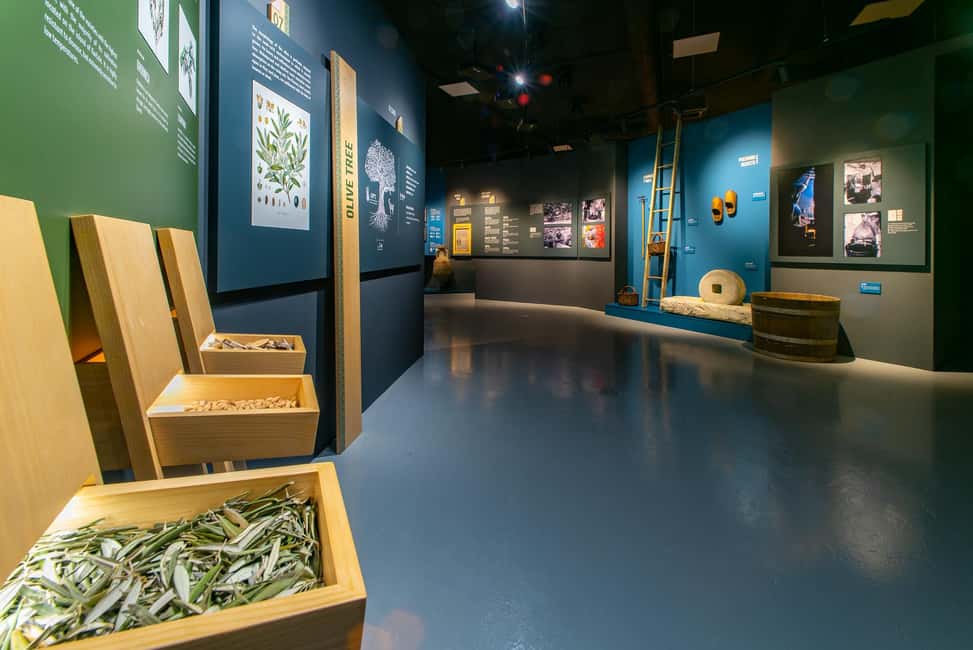
- The Olive Oil Museum and Croatia’s “Liquid Gold”
- The Botanical Collection: A 500-Species Walk That Actually Teaches
- Concept Store Time: Buying Without Feeling Rushed
- The Olive Oil Tasting Room: Learn Quality the Way Tasters Do
- Traditional Sweets and Testing Natural Cosmetics
- After the Workshop: Explore the Park or Choose Lunch
- Price and Value: What $18 Includes (and Why It Can Be Worth It)
- Who Should Book This Olive Oil Experience in Dalmatia?
- Should You Book This Tour?
- FAQ
- How much does the olive oil museum and tasting cost?
- Where does the experience start?
- What languages are offered?
- What’s included in the price?
- How many olive oils do you taste?
- Is food and drink allowed during the tour?
- Can you record video during the experience?
- What can you do after the tasting workshop?
Key Things to Know Before You Go
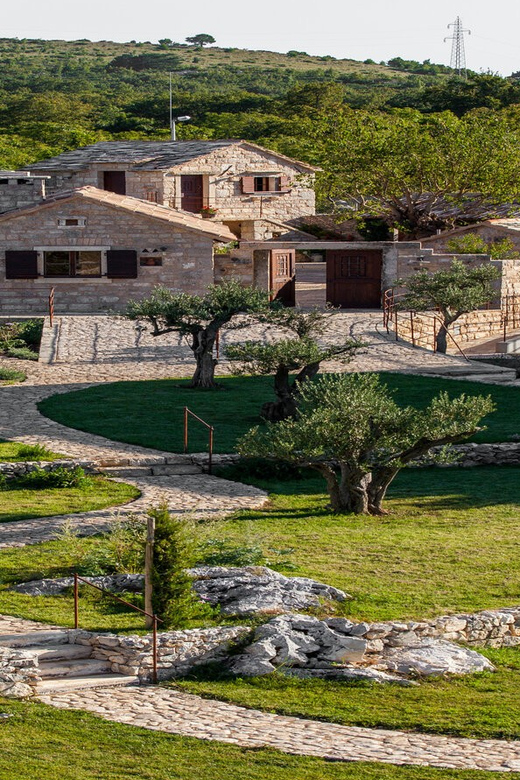
- Stella Croatica family estate tour focused on real production, not just displays
- Olive Oil Museum finalist (2023) highlighting how Croatia’s olive culture became famous
- 500-species botanical collection with practical pointers on what some plants are used for
- Interactive extra virgin tasting room that teaches you to spot quality like a pro
- Two extra virgin olive oil tastings plus traditional sweets and natural cosmetics testing
- Shop time with factory-price style shopping for oils and related products
Finding Stella Croatica and Getting Started on Time
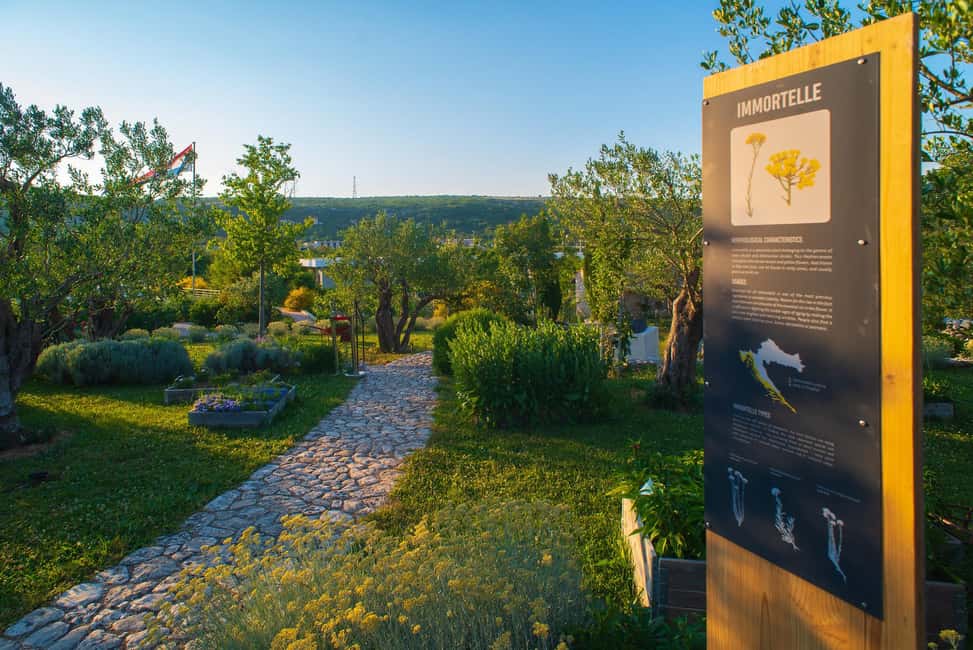
This experience starts at Stella Croatica, reached by following signs from the main road. You’ll enter the main building and wait for your host to arrive, so I recommend getting there a few minutes early and settling in before the group gathers.
The format is simple: guided tour first, tasting workshop second, then some room to breathe. You’ll end back at the meeting point, so there’s no awkward “last stop” confusion.
Language is English. That matters here, because olive oil quality is all about learning the right words and cues—not just drinking something pleasant.
You can also read our reviews of more food & drink experiences in Split


Inside the Factory: Figs, Almonds, Oranges, and Lavender
Before you even get to the museum side, you’ll get a peek into traditional production. The tour begins with local ladies producing and packing items made from figs, almonds, oranges, and lavender.
It’s a useful warm-up because it gives you context for how “food and plant products” work in this region. You’re not just tasting olives—you’re seeing the broader craft mindset of the estate, where plants are turned into finished goods.
You’ll also get a sense of how daily work becomes part of the brand. That makes the museum section feel more grounded later on, because it isn’t floating in theory.
Herbs, Essential Oils, and Natural Cosmetics (From Plant to Product)
Next comes the herb angle. You’ll learn how essential oils are extracted from typical Dalmatian herbs and then used in the production of natural cosmetics.
This is one of those sections that sounds niche until it clicks. Once you understand the basic processing idea—herbs treated as ingredients with a purpose—the museum and tasting room stop feeling like separate attractions. They start feeling like one theme: plants turned into products you can smell, see, and use.
A practical tip: keep your attention here. The better you follow this part, the more meaning you’ll get from the botanical collection later, since you’ll recognize plants and uses as you walk.
The Olive Oil Museum and Croatia’s “Liquid Gold”
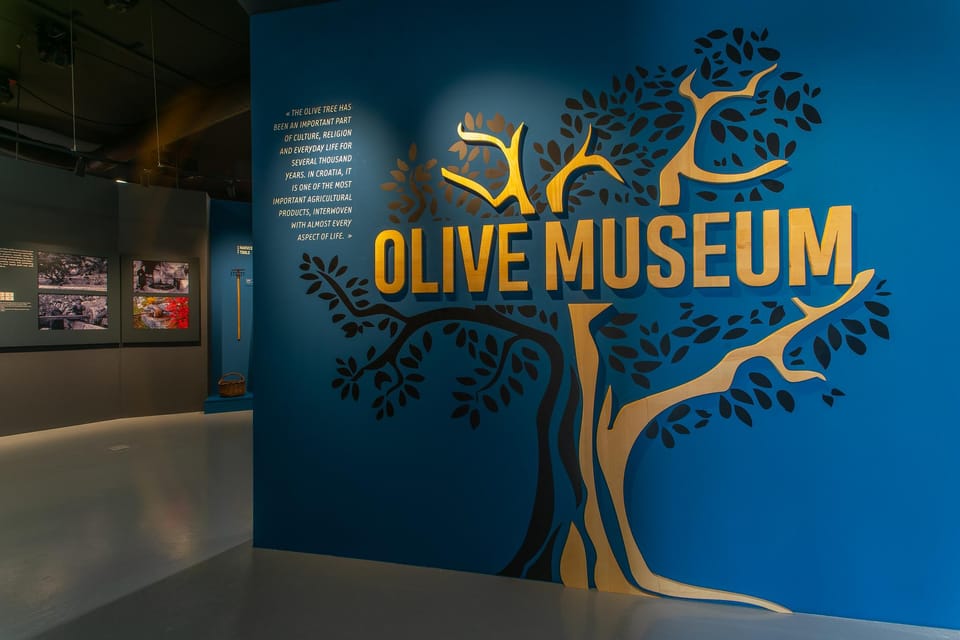
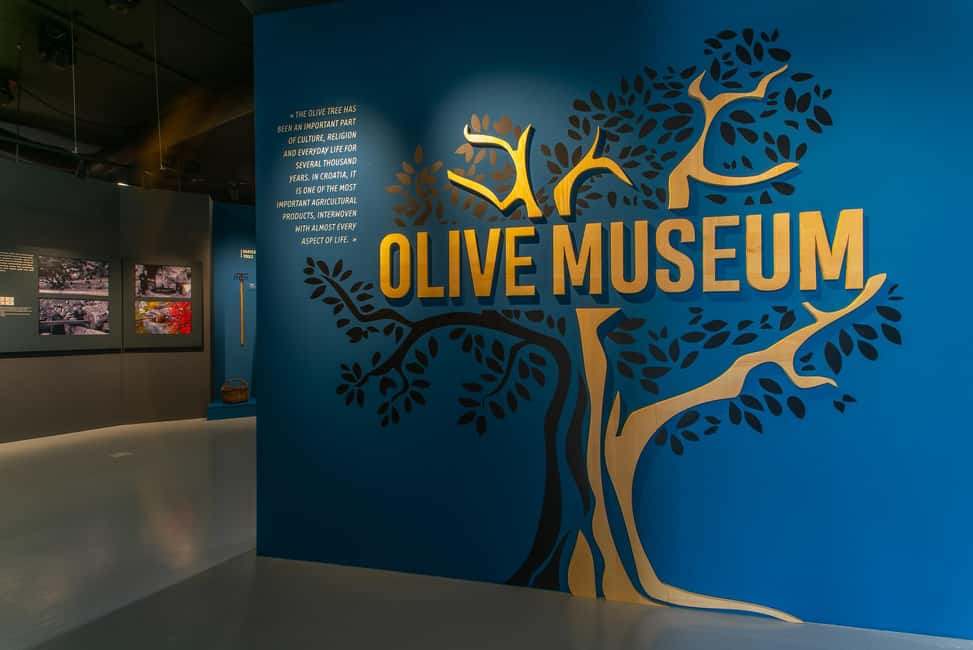
Then you enter the Olive Oil Museum, focused on what the locals call The Liquid Gold. The museum itself has real credibility: it was a finalist for the European Museum of the Year Award in 2023.
Inside, the goal is education you can use. You’ll learn about the olive oil growing story in Croatia and how olive culture became the kind of thing people proudly export and preserve.
What I like is the pacing: you get context first, then the hands-on tasting training follows. By the time you’re in the tasting room, you’re not asking, “Okay, but what am I supposed to notice?” You already know there’s a difference, and the museum lays groundwork for recognizing it.
The Botanical Collection: A 500-Species Walk That Actually Teaches
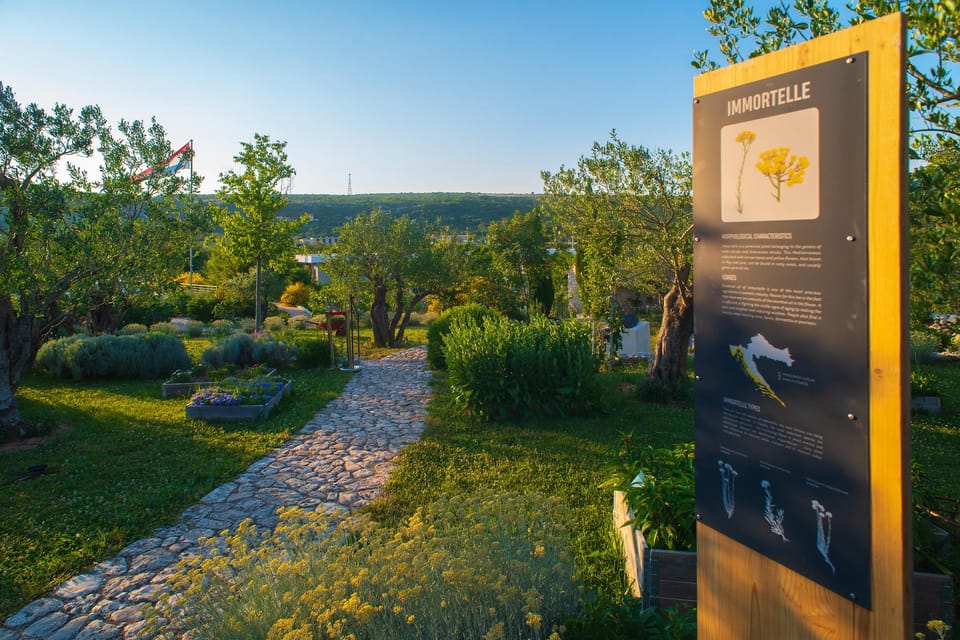
After the museum learning, you move into the botanical collection. You’ll spend time with a collection of 500 species, and you’ll get explanations of what some plants can be used for.
This part is valuable even if you’re not a “plant person.” It gives you the why behind local herbal products and makes the earlier essential-oil section feel less random.
One more benefit: it breaks up the day. Olive-focused tours can feel like a lot of talking and then more talking. The garden walk adds movement and a change of setting, and it also gives you something visual to attach the information to later.
You can also read our reviews of more museum experiences in Split





Concept Store Time: Buying Without Feeling Rushed
Once the tour components settle in, you’ll be guided to a concept store where you can taste more handmade products. There’s also the option to purchase items, and the experience is positioned as having factory prices.
I like this model because it keeps your decision-making simple. You don’t have to guess whether what you’re learning is just a performance—you can check the real products in the shop after you’ve tasted and learned the basics.
One practical note: the experience rules say no food and drinks during the tour, and no video recording. So plan to rely on what’s included (tastings) rather than eating your own snacks in between.
The Olive Oil Tasting Room: Learn Quality the Way Tasters Do
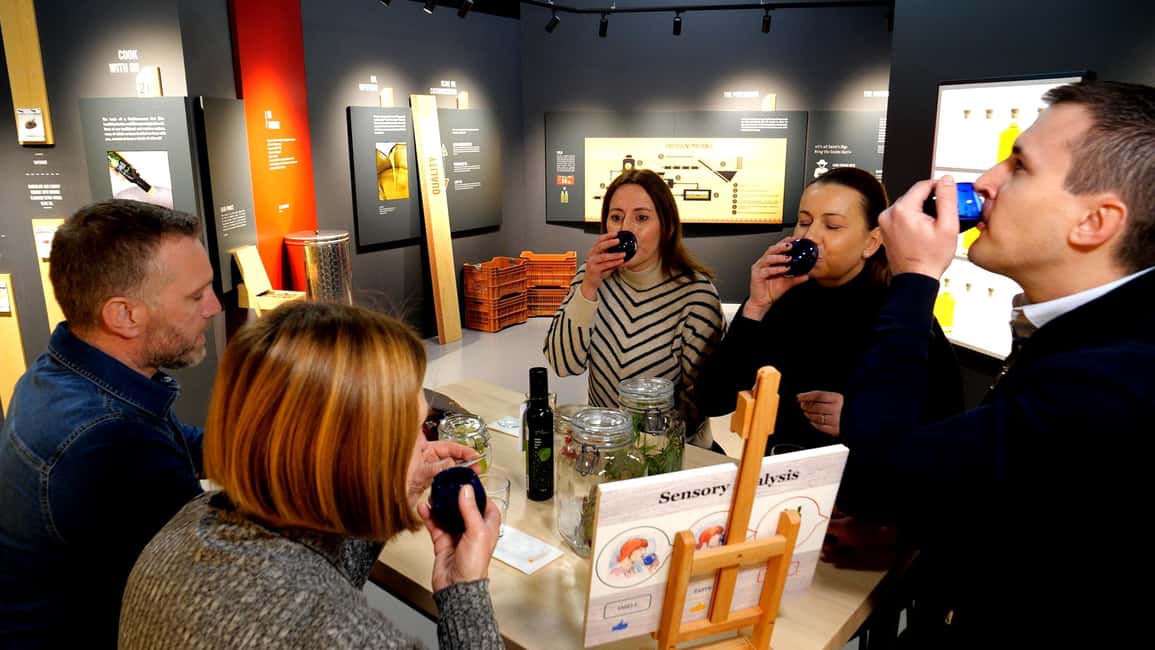
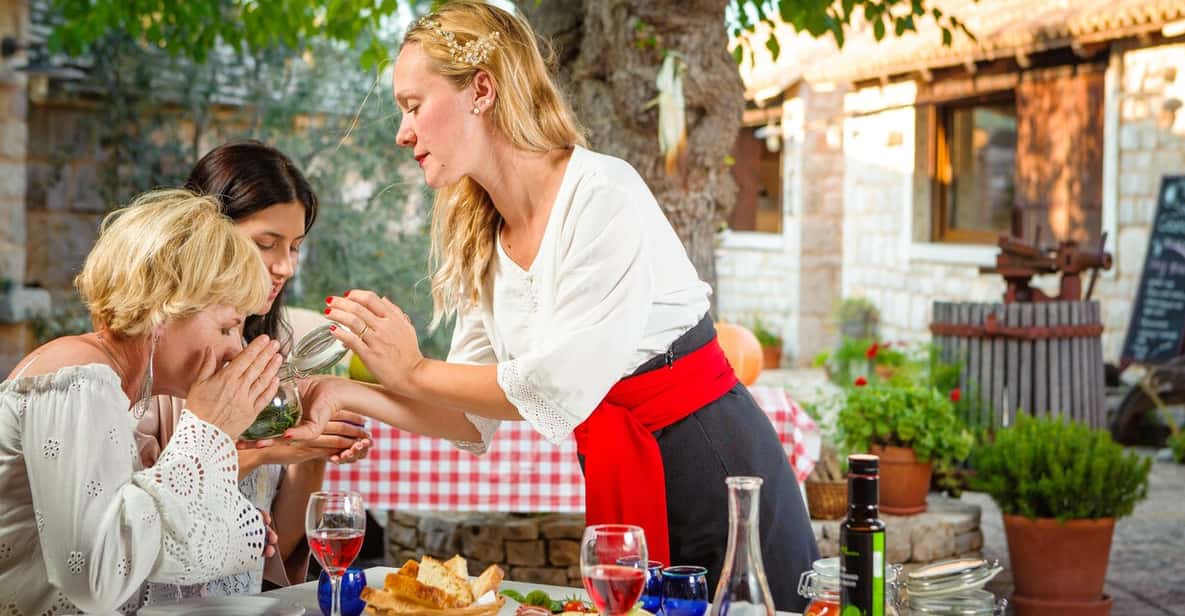
This is the part most people remember. You follow your host to the tasting room for an educational, interactive experience on recognizing extra virgin olive oil quality.
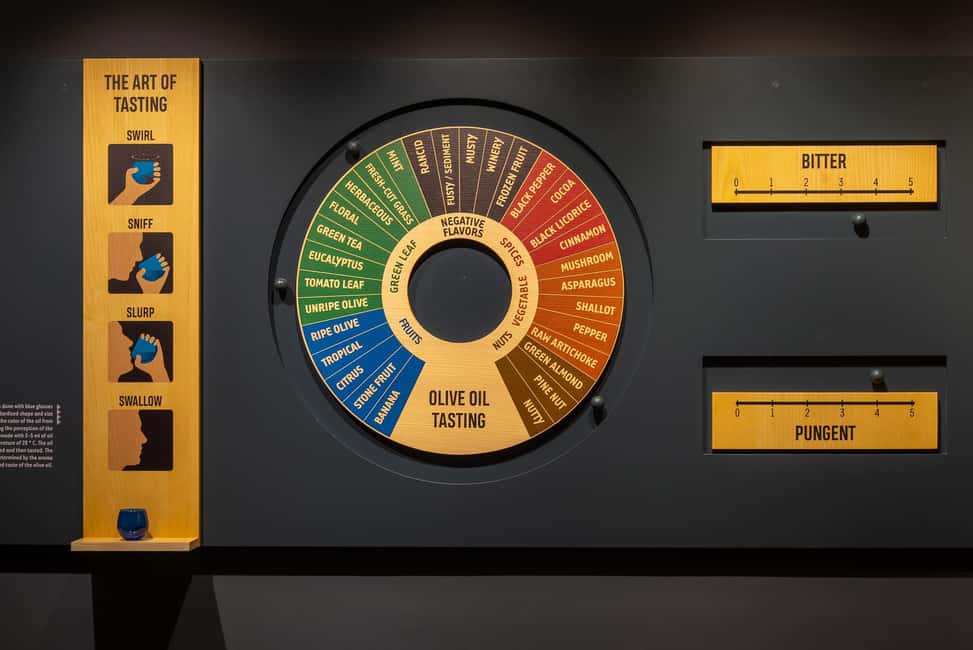
The format is what makes it work. You don’t just get a lecture and a sip. You learn through guided tasting—using sniffing and tasting techniques that mirror how professional tasters approach differences.
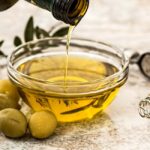
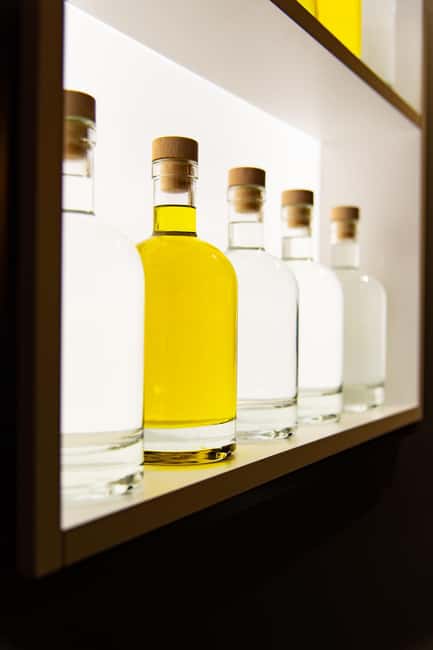
Then comes the best payoff: you taste two different olive oils, and both are labeled extra virgin. That’s smart, because it forces you to learn how to tell quality apart even when the label sounds the same.
Here’s the practical mindset I’d suggest: don’t chase one “flavor you like.” Focus on how your senses respond and how the guide explains those responses. By the end, you’ll understand why some oils are considered higher quality, not only that they taste different.
Traditional Sweets and Testing Natural Cosmetics
Along the way, you’ll include more sensory learning. The experience includes tasting traditional sweets, and you also get to test natural cosmetics.
This might sound like a “bonus” add-on, but it’s actually consistent with the theme. You’re learning about plants as ingredients from multiple angles: food, scent, and skin care.
If you’re the type who likes taking home something practical (not just a souvenir), this is a strong reason to go. You leave with products you can use, not only olive oil you can pour.
After the Workshop: Explore the Park or Choose Lunch
After the tasting experience, you get free time to explore the park. There’s also the option to have a traditional lunch, though it isn’t included in the experience fee.
This is a good moment to slow down. You can wander at your own pace, check the grounds, and let your head catch up after all the tasting information.
If you’re someone who hates “yet another museum,” this break helps. It gives you control over how long you stay in the estate atmosphere after the official guide portion ends.
Price and Value: What $18 Includes (and Why It Can Be Worth It)
The price is $18 per person, which is a fair figure for what you get—if you’re genuinely interested in olive oil and want to learn something usable.
You’re not just paying for entry. What’s included is the guided tour, entry tickets to Stella Croatica and the Olive Oil Museum, a tasting of two olive oils, traditional sweets, and testing natural cosmetics. In other words, the workshop isn’t a quick demo—it’s a whole mini-learning session with multiple tasting components.
Value also comes from structure. You get information first (museum and production story), then skills second (tasting training). That’s the difference between paying for entertainment versus paying for competence.
Who Should Book This Olive Oil Experience in Dalmatia?
This tour fits best if you want to leave with more than a pleasant memory. If you like food education, tasting workshops, and plant-based products, you’ll probably have a great time.
I’d also recommend it for families—one setup was described as a good fit even with a nine-year-old, mainly because explanations stayed clear and the tasting workshop felt interactive rather than dry.
On the other hand, if you’re expecting a scenic walk through olive orchards and fields, adjust your expectations. This is focused on the museum, the botanical collection, and production/craft spaces. You’ll learn a lot, but you won’t be doing a classic “stroll among olive trees” kind of outing.
Should You Book This Tour?
If you want a hands-on lesson in recognizing extra virgin olive oil quality, this is an easy yes at the $18 price point. Between the museum visit, the garden walk with 500 species, and the structured tasting of two olive oils, you get real learning time rather than a quick stop.
Book it if you enjoy practical workshops and you like bringing home products you’ve actually tested. Consider skipping or weighing your expectations if the main reason you’re coming is olive trees in the open landscape, since this site leans more museum-and-factory than orchard scenery.
FAQ
How much does the olive oil museum and tasting cost?
It costs $18 per person.
Where does the experience start?
You follow the signs from the main road to reach Stella Croatica, then enter the main building and wait for your host to arrive.
What languages are offered?
The tour is available in English.
What’s included in the price?
Entry tickets to Stella Croatica and the Olive Oil Museum, a guided tour, tasting of two different olive oils, tasting of traditional sweets, and testing natural cosmetics.
How many olive oils do you taste?
You taste two different olive oils, and both are labeled extra virgin.
Is food and drink allowed during the tour?
No, food and drinks are not allowed.
Can you record video during the experience?
No, video recording is not allowed.
What can you do after the tasting workshop?
You have free time to explore the park, and you may also have a traditional lunch (not included).