REVIEW · SPLIT
Split Tour by Electric Tuk-Tuk: Top City Highlights
Book on Viator →Operated by Tuk Tuk Split City Tour | Viking Travel Agency · Bookable on Viator
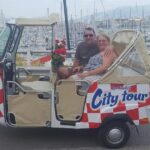
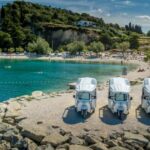
Need to see Split fast? An electric tuk-tuk does the work of several long walks in under two hours. You’ll slip into lanes and waterfront edges where big cars and buses struggle, and you’ll come away with a clear feel for where you want to spend more time.
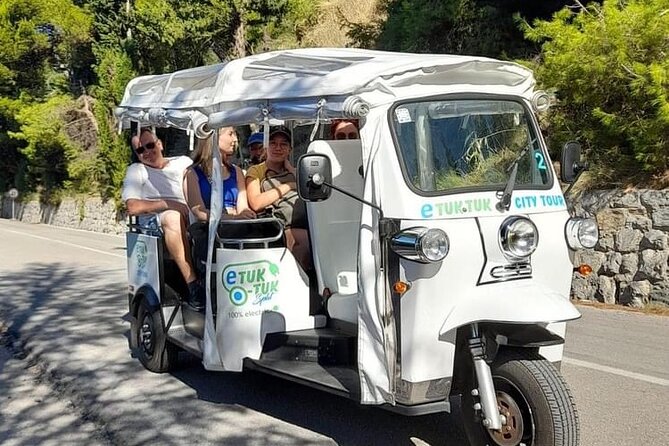
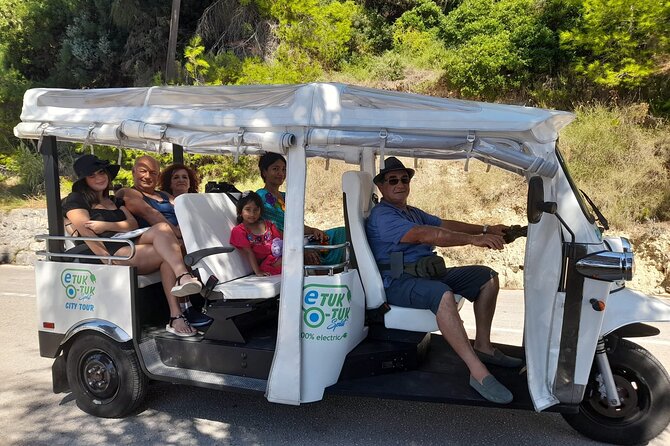
I love the small-group size (max 8) and the way guides like Luka, Emir, Ivan, and Marko guide your eyes from spot to spot with local stories. I also like the mix of stops: Riva’s harbor promenade, modern coastal promenades, parks, Marjan viewpoints, Poljud Stadium, and quick beach time without a bus schedule slowing you down.
One possible drawback is timing. Most stops are short photo breaks, so if you’re hoping for long museum visits or extended beach lounging, you’ll need to plan a second outing afterward.
In This Review
- Key things to know before you go
- Why an electric tuk-tuk beats a bus in Split
- Getting your bearings at Riva Harbor
- St. Francis, the western waterfront, and the yachting edge
- Church and Convent of St. Francis
- Zapadna Obala (Western Coast)
- ACI Marina Split
- Parks that feel like a breather: Zvončac and Sustipan
- Zvončac
- Sustipan
- Culture on the move: museum and sculpture stops
- Archaeological Museum (Salona artifacts and Roman-era pieces)
- Meštrović Gallery
- Beaches and coves: Obojena Svjetlost, Kasjuni, and quick sea time
- Obojena Svjetlost beach
- Kasjuni Beach
- Marjan viewpoints without a full hike: Teraca Vidilica
- Poljud Stadium and Prokurative: big city sights in small time
- Poljud Stadium
- Republic Square (Prokurative)
- Tickets, food, and the reality of short stops
- The best fit: who should book this electric tuk-tuk tour
- Should you book this Split Electric Tuk-Tuk highlights tour?
- FAQ
- How long is the Split Tour by Electric Tuk-Tuk?
- Is pickup available from cruise ships or central meeting spots?
- Is the tour price all-inclusive?
- What language is the tour guide?
- What is the group size?
- Is cancellation free if plans change?
Key things to know before you go

- Electric tuk-tuk access: you can reach places that feel awkward by bus or car.
- A tight highlight loop: plan for short stops and decide fast what to return to.
- Marjan Peninsula viewpoints: you get sea views without booking extra rides.
- Outdoor variety, not just old town: waterfronts, parks, stadium, and pebble beaches.
- Guide included, extras not: ticketed sights and meals are on you.
Why an electric tuk-tuk beats a bus in Split

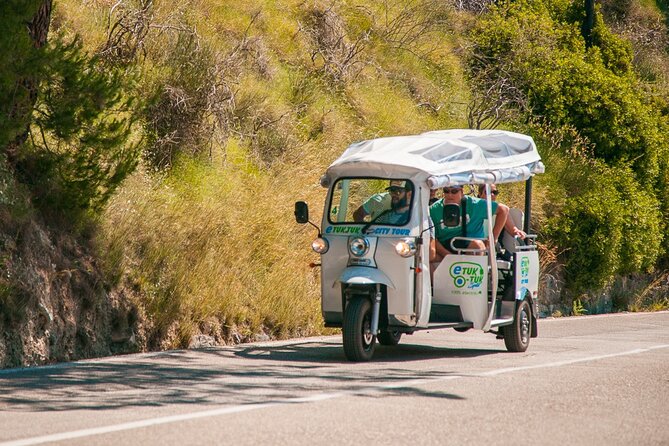
Split’s city center is packed, and some of the nicest-looking areas are exactly where a big vehicle can’t comfortably go. This electric tuk-tuk tour uses smaller routes so you spend less time waiting and more time actually seeing.
It also keeps the experience moving at a human pace. With a maximum of 8 travelers, you’re not stuck in a crowd rhythm. You’ll hear stories, get photo stops, and usually get the chance to ask quick questions rather than shouting over engine noise.
The eco angle matters too. One review noted the ride was quiet and felt more environmentally friendly than a larger vehicle. Even if you don’t care about the politics, you’ll feel it: conversation is easier and the ride doesn’t drown everything out.
You can also read our reviews of more city tours in Split

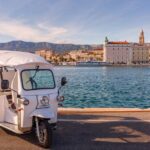
Getting your bearings at Riva Harbor

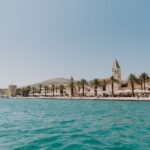
Most Split first-timers start with the Old Town, but Riva Harbor is where the city makes sense. This promenade along the Adriatic is where you watch daily life unfold—cafés, palm-lined walking space, and constant movement of locals and visitors.
This is a great opener because it orients you fast. When you later see Diocletian’s Palace area, you’ll already understand how the harbor side connects to the historic core. Also, Riva works in both directions: morning for calmer walking and evening when the promenade lights up.
Your stop time here is brief, so I suggest using it the practical way. Take a wide-angle look, then pick one landmark view you want to chase later. If you do want coffee, grab it at the promenade so you’re not hunting for it at your next stop.
St. Francis, the western waterfront, and the yachting edge
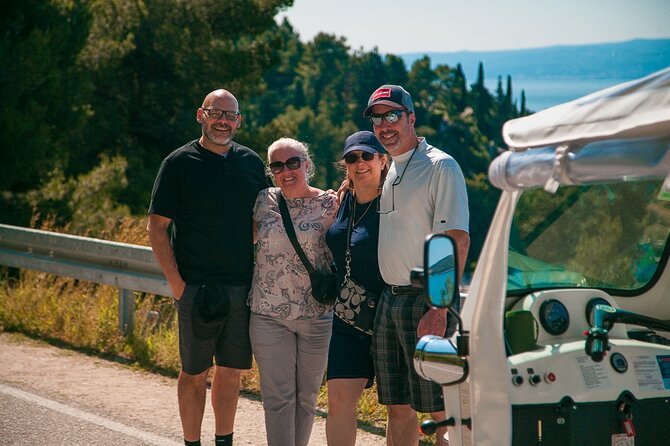
From Riva, you head west along the coastline, where Split shifts into a more modern feel.
Church and Convent of St. Francis
The Church and Convent of St. Francis sits at the western end of the Riva promenade and dates back to the 13th century. It blends Gothic and Baroque elements, and the interior includes historic altars plus paintings and sculptures by Croatian artists.
What I like about a short guided stop like this is the context. Even if you don’t go deep into every chapel detail, you learn why this place matters culturally and historically. There’s also a tranquil courtyard and gardens, which are a nice reset from walking in the sun.
Tip: because tickets aren’t included, if you want the full interior experience, budget for that on your own.
Zapadna Obala (Western Coast)
Zapadna Obala is Split’s sleek, modern waterfront promenade, running from Matejuška Bay toward the ACI Marina area. Think wide paths, chic cafés, palm-lined views, and excellent sightlines over the sea.
This is the part of the tour that helps you understand Split as a coastal city, not just an Old Town postcard. You’ll get views that connect back toward Marjan Hill and the Old Town area.
If you care about photos, this stretch is strong at sunset. You’ll get that sea-horizon glow without needing to walk up and down steep paths.



ACI Marina Split
Then there’s the contrast: ACI Marina Split, one of the Adriatic’s better-known marinas, with modern facilities and easy access to the city. It’s set near Marjan Hill and close enough to Split’s center that it feels like a gateway rather than a detour.
If you like maritime details, this stop delivers. The marina has extensive berths and facilities like fuel, restaurants, and maintenance services. Even if you don’t board a boat, the setting gives you that Mediterranean “here’s the coast life” feeling.
Parks that feel like a breather: Zvončac and Sustipan
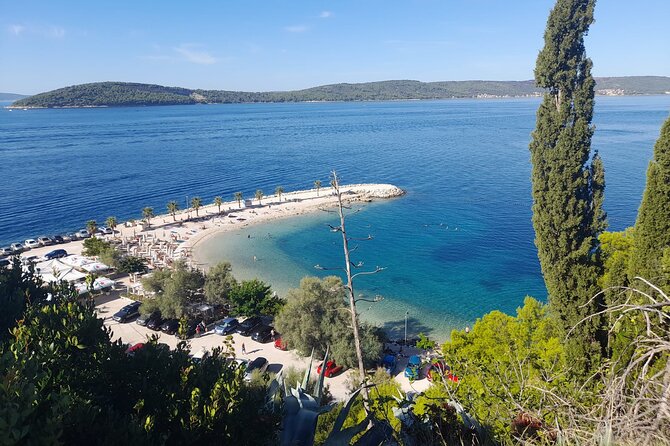
Split isn’t only stone and stairs. This tuk-tuk route intentionally includes green pockets that break up the heat.
Zvončac
Zvončac is a peaceful park near the center, close to the Riva promenade. It’s known for lush greenery, shaded walking paths, and open space that works for a slow pause. There’s also a small playground, so families tend to feel comfortable here.
What makes Zvončac a smart stop is that it’s close to the city’s action but still feels like a pause button. If you’re touring for the afternoon, it’s a good place to rehydrate, cool down, and reset your legs.
Sustipan
Sustipan is another park near the marina, with elevated viewpoints over the Adriatic and nearby islands. It has pathways lined with Mediterranean plants and a strong photography payoff because of the views.
One more thing: Sustipan used to be an old monastery and cemetery. That layer of past adds weight to a stop that otherwise could feel purely scenic. It’s also associated with romantic moments and quiet events, which makes sense when you experience the open sea backdrop.
Practical note: park stops are typically short, so treat them like a chance to decide where you’d like to return on your own time. If you want a longer wander, this is where you’ll want one.
Culture on the move: museum and sculpture stops
This tour also sneaks in two big culture hits beyond the usual Old Town loop.
Archaeological Museum (Salona artifacts and Roman-era pieces)
The Archaeological Museum in Split, founded in 1820, is described as the oldest museum in Croatia. It’s packed with artifacts spanning prehistoric, Roman, early Christian, and medieval eras.
If you want one reason this works as a quick guided stop, it’s the range. You get to understand what Split inherited from earlier eras, and you’ll recognize names and time periods you might later hear about around Diocletian’s Palace.
Tickets aren’t included, so if you actually want to walk through the galleries, plan extra time beyond the tuk-tuk window.
Meštrović Gallery
The Meštrović Gallery is built around Ivan Meštrović, Croatia’s most famous sculptor. The gallery sits in a villa with Mediterranean gardens, and the outdoor setting is a big part of the experience.
This stop is a great match for the tuk-tuk style tour because the villa and gardens naturally create “pause points.” You can enjoy sculptures and sea views without needing to understand every artistic term to get something from it.
Again, if you plan to go inside for the full exhibition, budget for any ticketed entry since meals and tickets aren’t included.
Beaches and coves: Obojena Svjetlost, Kasjuni, and quick sea time
Split can be intense in summer, so it’s wise to include beach stops—even if they’re short.
Obojena Svjetlost beach
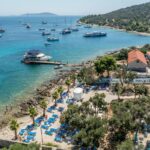
Obojena Svjetlost is described as a peaceful cove with crystal-clear water and a pebbled shoreline. It’s the type of stop that helps you cool down and wash off the day’s heat.
Don’t expect long beach service here. If you want a swim, bring what you need in advance and treat it like a quick recharge: water, shade where you can find it, then back on the ride.
Kasjuni Beach
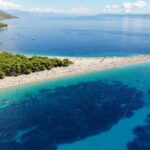
Kasjuni Beach is on the Marjan Peninsula and is known for pine shade, pebble water access, and a calm setting for swimmers. It also has amenities like sun loungers and umbrellas, plus a beach bar for drinks and light snacks.
This is one of those stops that’s more than just scenery. The combination of pine shade and calm, shallow waters makes Kasjuni a good choice for an easy swim break.
If your skin runs sensitive to sun, Kasjuni can still be strong because the trees help.
Marjan viewpoints without a full hike: Teraca Vidilica

If you’ve ever tried to get Marjan views by foot, you know the problem: either you rush, or you hike harder than you planned. This tour gives you a shortcut to viewpoint energy.
Teraca Vidilica is a café and restaurant on Marjan Hill with panoramic views over the city, the Adriatic Sea, and surrounding islands. It’s a natural place to slow down for a bit, since you can grab a drink or a light meal while you look.
This stop is especially valuable if you’re arriving on a cruise or only have a few hours in Split. You get that “I can see the whole city from here” moment without building a whole itinerary around it.
Poljud Stadium and Prokurative: big city sights in small time
Two stops make the city feel modern and dramatic: Poljud Stadium and Republic Square (Prokurative).
Poljud Stadium
Poljud Stadium, built in 1979 for the Mediterranean Games, has a distinctive shell-like design inspired by natural forms. It’s also home to Hajduk Split, one of Croatia’s most loved football clubs.
Even if you’re not a football person, the stadium is a photo magnet. The curving structure looks strong in different light, and golden hour can make the shapes pop.
This stop is short, so I suggest focusing on one angle where you can frame the sea or surrounding hills. The whole point is quick impact, not a stadium tour.
Republic Square (Prokurative)
Prokurative, officially called Republic Square, is a neo-Renaissance square in the center. It’s framed by elegant colonnades and historic buildings, and it offers views out toward the Adriatic.
The inspiration is tied to Venice’s St. Mark’s Square style, but you’re firmly in Split here—events, concerts, and everyday strolling mix together.
This is a smart ending point because it’s central. Once you’re there, it’s easier to walk to Diocletian’s Palace area or pick a restaurant nearby.
Tickets, food, and the reality of short stops
This tour includes your guide, but tickets and food/drinks aren’t included. That matters because some of the stops listed—like churches, museums, and gallery interior spaces—may require paid entry if you want to go fully inside.
My advice: treat the tour stops as “see and orient” moments. If a spot grabs you, that’s your cue to return later on your own with more time.
Also, plan around heat. Split can be hot, and several reviews mention stopping for cooling breaks. If you can choose from morning to evening departure times, consider going earlier or later in the day so you’re not fighting peak sun.
And yes, roads can be rough. One review mentioned potholes—so wear shoes you trust and expect a bumpy ride.
The best fit: who should book this electric tuk-tuk tour
This tour is ideal if you want maximum highlights with minimal fuss. It’s especially useful for:
- First-time visitors trying to understand where everything is
- Cruise travelers with limited time who still want beaches, parks, and viewpoints
- People who prefer short guided stops over long museum marathons
- Families who want an easy way to cover more area than walking
If you’re the type who wants to read every plaque and stay inside every venue, you’ll likely end up disappointed by the short timing. But if you’re okay with “hit the highlights, then choose your next moves,” it’s a strong match.
Should you book this Split Electric Tuk-Tuk highlights tour?
If you want a fast, friendly loop that helps you spot the best parts of Split for your next day, I’d book it. The small group size, the electric transport, and the mix of harbor, parks, beaches, and viewpoints make it a practical way to plan your rest of your trip.
Skip it if you’re mainly looking for long time inside ticketed sights. This is best used as orientation plus photo stops—then you go back on your own where you want more.
FAQ
How long is the Split Tour by Electric Tuk-Tuk?
It runs about 1 hour 30 minutes to 2 hours.
Is pickup available from cruise ships or central meeting spots?
Pickup is offered. A return drop-off at the cruise ship can be arranged if you let the operator know in advance.
Is the tour price all-inclusive?
No. The guide is included, but tickets, food, and drinks are not included.
What language is the tour guide?
The tour is offered in English.
What is the group size?
The tour has a maximum of 8 travelers.
Is cancellation free if plans change?
Yes. You can cancel up to 24 hours in advance for a full refund. The experience also depends on good weather, and if it’s canceled due to weather or the minimum traveler requirement, you’ll be offered another date or a full refund.