REVIEW · SPLIT
City Bike Tour of Split
Book on Viator →Operated by Red Adventures Croatia · Bookable on Viator
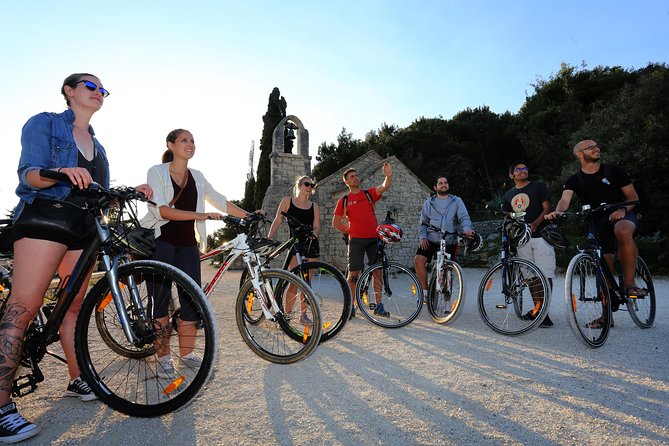
Split feels different fast. On a small-group bike tour, you roll from the waterfront to Diocletian’s Palace walls, then climb into Marjan Park for big sea views. I love how quickly you see the city’s range, from Roman-era stone to pine-shaded paths above Split. I also like that you’re not stuck doing this with a giant crowd; the pace feels personal. One drawback to plan for: there’s real uphill on Marjan, so if hills scare you, ask about an e-bike option before you go.
The vibe is simple and practical: meet your guide in the center, grab a good bike and helmet, and head out with a local English-speaking story-teller. In past tours, guides like Egor, Yvonne, Eva, Ivana, and Darla are known for keeping people together and answering questions as you ride. If your group is a little large on the day, you might find it harder to catch every detail from the front—so I’d come with curiosity and be ready to ask things when you stop.
In This Review
- Key highlights you’ll actually feel on this tour
- Why biking Split makes the city click faster than walking
- Meet at Ul. kralja Zvonimira 8: bikes, helmets, and a simple start
- Riva promenade and Diocletian’s Palace walls: your first big sights
- Old town streets to Croatian National Theatre and Ottoman-era fortifications
- Prodaja Fritula and Poljud: football passion and Olympic trivia
- Marjan Park climb: pine shade, viewpoint reward, and sea views
- Varos neighborhoods to Sustipan: narrow streets and a quieter Split
- Real effort level: mileage, the uphill truth, and bike choice
- Price and small-group value: is $53.95 a good deal?
- Should you book this Split city bike tour?
- FAQ
- How long is the City Bike Tour of Split?
- What’s included in the price?
- Is food or drinks included?
- Where do I meet the guide?
- How many people are in the group?
- What level of fitness do I need?
- Is the tour suitable for children?
- Is there a mobile ticket?
- Are extra admission tickets needed for the stops?
Key highlights you’ll actually feel on this tour
- Small-group pace (max 15) that keeps stops friendly instead of rushed
- Riva promenade + Diocletian’s walls for a fast hit of Split’s core icons
- Croatian National Theatre area and fortifications that connect the old streets to real daily life
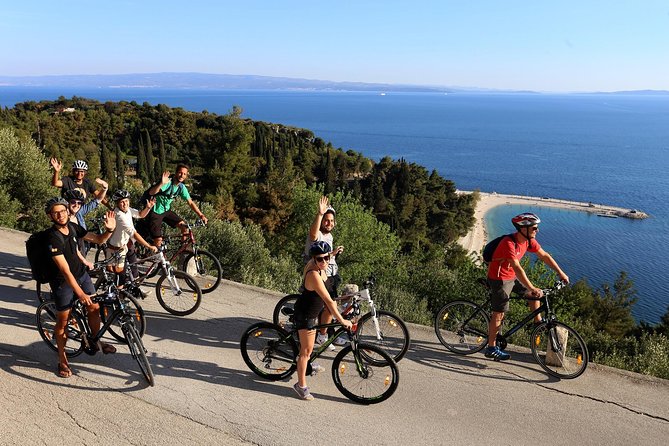
- Marjan Park climbing for views over marina, beaches, islands, and hills
- Varos and Sustipan streets for a more local feel away from the busiest spots
- Quality bike + helmet provided so you can focus on the ride, not the logistics
Why biking Split makes the city click faster than walking
Split is one of those cities where walking is great for a while, then your legs start negotiating. This tour is built for efficiency. In about 3 to 3.5 hours, you cover the waterfront, the historic core, and then the green escape on Marjan Hill without spending your whole day shuffling between sights.
What I like most is the sequence. You start close to the Riva and Diocletian’s Palace walls, where you can feel the city’s layered past. Then the route shifts gears into neighborhoods and viewpoints, so the tour doesn’t feel like a checklist of monuments. Instead, it feels like you’re moving through Split like a local: a bit of harbor life, old-town streets, then nature above the city.
Another real value: the sights you pass are famous, but you see them from the right angles. The climb and the viewpoints in Marjan give you the kind of skyline perspective that’s hard to earn on foot without a lot of extra hiking. You’ll still get street-level detail in the old town, just with a lot more ground covered.
You can also read our reviews of more cycling tours in Split
Meet at Ul. kralja Zvonimira 8: bikes, helmets, and a simple start
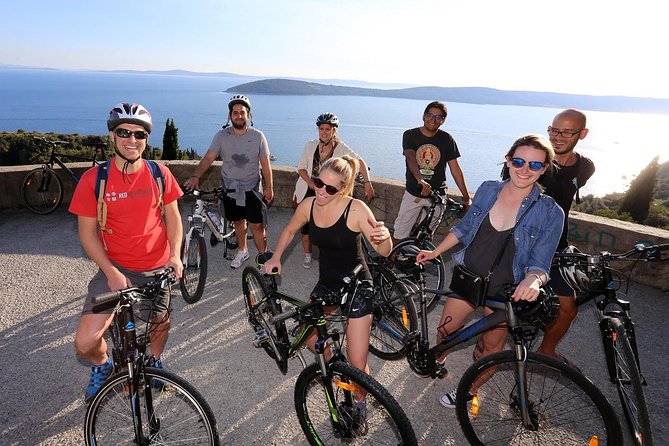
Your tour meets at Ul. kralja Zvonimira 8, 21000 Split, in the heart of town. You’ll pick up your bike and helmet right at the start, and it runs as a small-group outing (up to 15 travelers). You’ll also have a mobile ticket, which makes the check-in fast.
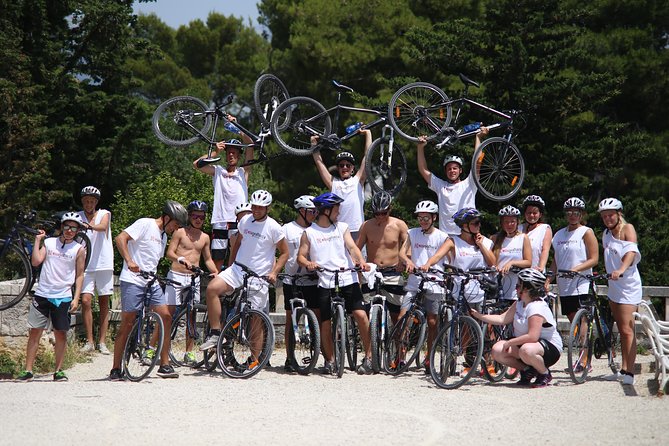
Before you roll, expect a briefing that matters for two reasons. First, Marjan’s uphill is not just a rumor—it’s a real part of the route. Second, the guide’s approach is key to keeping the group together on narrow old streets. Past guests noted that guides help everyone stay oriented and safe, including with group management at the back when needed.
This is also where your “fit” check happens. The tour is described as having a moderate physical fitness level, and it helps to wear comfortable clothes. If you’re bringing a regular bike and you know hills aren’t your thing, it’s smart to bring that up during booking—reviews mention that an e-bike can make the day much more pleasant.
Riva promenade and Diocletian’s Palace walls: your first big sights
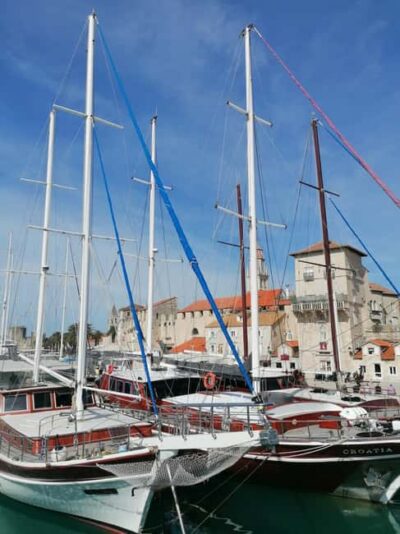
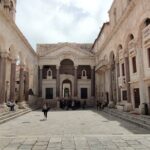
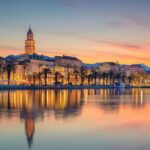
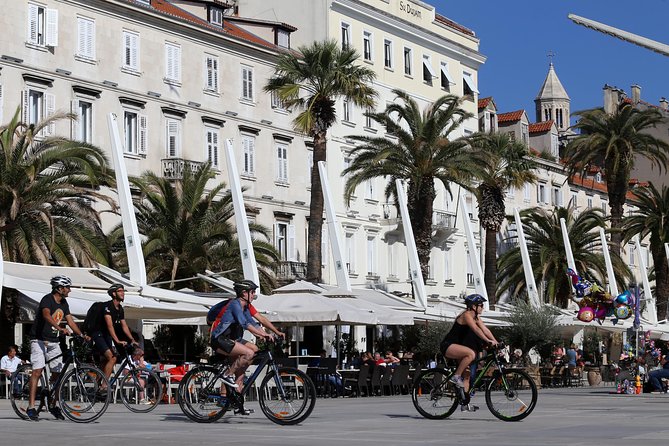
The tour starts by heading along the Riva promenade, with sea on one side and the thick, ancient presence of Diocletian’s Palace on the other. You’ll pass by the city harbor and the main green market before you settle into that classic Split waterfront energy.
Then the palace walls come into view. You’re not just seeing a photo-famous spot—you’re riding alongside it, which makes the scale feel real. The route keeps you moving, so you get that “wow” without losing an hour in one place.
A nice detail here is that the tour doesn’t treat the old town like a museum stop. You’ll feel the neighborhood rhythm as you transition. Even when you’re near major landmarks, the ride gives you perspective: where the city opens up toward the sea, and where it compresses into stone streets and fortification edges.
Practical note: this stretch is part of why biking works. On foot, it’s easy to zigzag and burn time. On a bike, you keep flow—so you arrive at the historic highlights with energy left for the next phase.
Old town streets to Croatian National Theatre and Ottoman-era fortifications
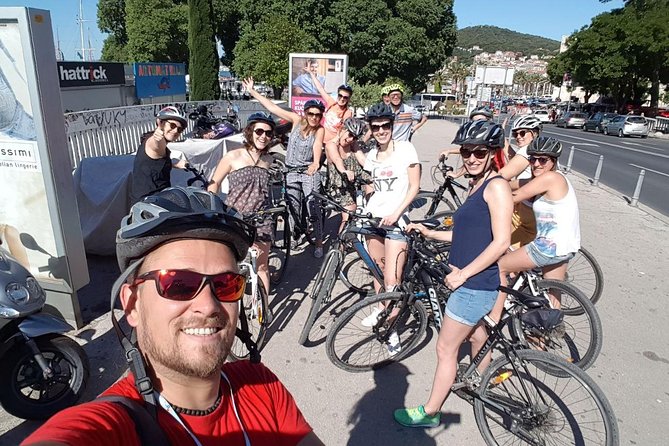
Once you leave the waterfront, the ride turns into a guided stroll with wheels. You cycle through areas where daily life is close to the landmarks, including a section that passes the fish market and the Croatian National Theatre.
This part of the tour helps you connect what you see to what it means. The theatre area sits in the middle of layered city history, and the guide’s stories aim to link the sights together—so you understand why the streets look the way they do, not just what’s written on plaques.
You’ll also spot Ottoman-time fortifications along the way. Even if you’re not a “history reader,” seeing fortification remnants in the flow of the city gives you a sense of how Split’s defenses and urban design shaped everyday movement.
One consideration: if your group is on the larger side for the day, some people found it hard to hear every bit of information while riding. My practical advice is to listen on the bike, then ask follow-up questions at the stops. The guide can usually tailor answers to what you’re most curious about.
Prodaja Fritula and Poljud: football passion and Olympic trivia
Then comes a fun pivot: you shift from architecture to culture and sports lore. The route includes Prodaja Fritula, where you’ll hear stories tied to Split’s sporting legacy—like the claim about the city’s Olympic medals per capita—and the passion around football.
You’ll also pass by Poljud Stadium, which is a strong visual landmark for anyone who likes the idea of a city tied to its team. Even if you don’t care about match schedules, this stop gives context for how local identity shows up in public spaces.
This is also one of the reasons I think this tour is good value. You get more than the “big stones.” You get the human stuff: why certain places feel important to people, not just what they look like from a distance.
No extra ticketing is indicated for the stops in the route plan, so you don’t need to budget for separate entries just to get the full sweep of highlights.
You can also read our reviews of more city tours in Split
Marjan Park climb: pine shade, viewpoint reward, and sea views
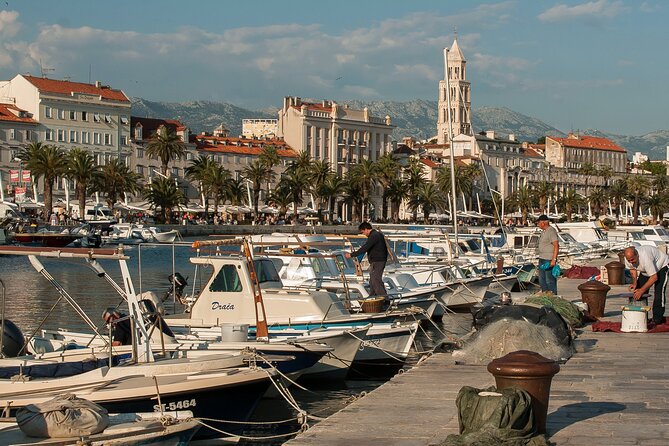
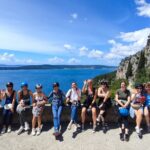
Here’s the part you should plan for: Marjan Park. You leave the dense old-town feeling and head into nature, with pine forest shade that turns the ride into a breather rather than a slog. You’ll climb as you go, and then you’re rewarded with wide views over Split’s marina, beaches, islands, and surrounding hills.
This is where the bike tour becomes more than “transport between sights.” The viewpoint is the main show. One review highlight that matches the route vibe: the view from above feels worth the climb, especially when you get a chance to slow down for photos.
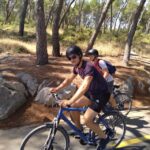
About effort: multiple past guests called out uphill as the big factor. Some rode regular bicycles just fine, but others strongly recommended e-bikes because it changes the whole experience from struggling to cruising. If you’re unsure, don’t play hero. Hills plus heat can be a tough combo.
Tip that helps on this stretch: wear the kind of clothing that won’t bother you if you work up a sweat, and keep your water simple and reachable. The tour pace includes stops, but this is still a ride where you’ll feel the effort.
Varos neighborhoods to Sustipan: narrow streets and a quieter Split
After the viewpoint, the tour leans toward atmosphere. You ride into Varos, described as narrow streets where in past centuries farmers, fishermen, and working-class residents lived in dense spaces. This is a different Split mood: less grand landmark energy, more lived-in detail.
The route continues toward Sustipan, which you reach near the end of the tour. If you’re the type who likes to understand how a city functions beyond its postcard zones, this portion is a good fit. You’re not just moving between “must-see” places—you’re seeing the texture of where people actually lived and worked.
This is also where you may notice the guide’s group-management style most. Narrow streets mean you ride with care and attention. When guides keep the group together well, the experience feels smooth and safe, even when streets pinch down.
From a photography standpoint, these areas often feel less “staged.” You’re more likely to capture street angles and quiet corners rather than only famous facades.
Real effort level: mileage, the uphill truth, and bike choice
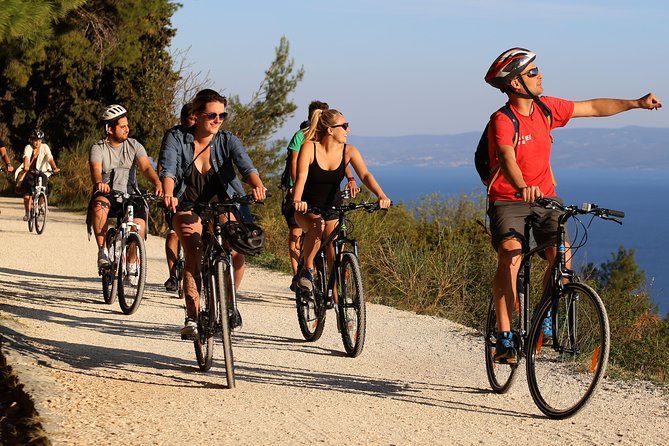
Let’s be honest about what your body will feel. The route is described as moderate fitness, but the practical reality is that there’s a lot of uphill on the day, especially on the way to Marjan. Some guests rode over 10 miles during their tour, and at least one person described the ride as lasting closer to 4 hours depending on the group and pacing.
If you ride often and you’re comfortable climbing, a regular bike may work. If you’re visiting on vacation and you want the day to stay fun instead of a workout, an e-bike upgrade can be worth it. Past feedback leaned strongly toward e-bikes for anyone worried about heights, hills, or just saving energy for exploring later.
Here’s my no-drama approach:
- If you think you’ll feel “maybe” on hills, get the e-bike.
- If you know you can handle climbs, bring a regular bike and use the stops to catch your breath.
- Either way, don’t rush. The guide can slow down for the group so nobody gets left behind.
Price and small-group value: is $53.95 a good deal?
At $53.95 per person, you’re paying for more than a bike rental. You get a local English-speaking guide, a high-quality bike, and a helmet, plus a route that strings together major Split highlights without separate entry fees for the listed stops.
So the value comes from three places:
- Time saved: you see Riva, palace walls, old-town highlights, sports context, and Marjan viewpoints in one outing.
- Guide context: the guide’s storytelling makes the streets easier to understand once you’re back off the bike.
- Convenience: pick up the bike at the central meeting point and roll right away, without you figuring out a route plan.
The group size also matters. With max 15 travelers, you generally get more personal attention than with big coach-style tours. You’ll still find yourself listening at the stops, not in a lecture hall, but the pace allows questions.
My “sanity check” advice: if you’re staying in Split for only a short time and you want an organized way to hit both city icons and Marjan nature, this price is fair.
Should you book this Split city bike tour?
Book it if you want a fast, fun way to cover Split’s best contrasts: Roman-era walls and old-town streets, then Marjan Park viewpoints. It’s a smart pick for people who like seeing a city in motion and don’t want to spend your day negotiating hills on foot.
Skip—or at least choose the easier bike option—if you strongly dislike uphill riding or feel anxious about being above a view. The climb is a real part of the itinerary, and it’s the one element most likely to affect how much you enjoy the day.
If you’re flexible and you come prepared (comfortable clothes, and a plan for hills), you’ll finish with that satisfying feeling: you didn’t just see Split—you rode through it.
FAQ
How long is the City Bike Tour of Split?
The tour runs about 3 hours to 3 hours 30 minutes.
What’s included in the price?
You get a local English-speaking guide, a high quality bike, and a helmet.
Is food or drinks included?
No. Food and drinks aren’t included.
Where do I meet the guide?
Meet at Ul. kralja Zvonimira 8, 21000 Split, Croatia.
How many people are in the group?
The tour has a maximum of 15 travelers and requires a minimum of 2 people per booking.
What level of fitness do I need?
The tour is listed with a moderate physical fitness level, and you should expect some uphill.
Is the tour suitable for children?
Yes, but children must be accompanied by an adult.
Is there a mobile ticket?
Yes. The tour provides a mobile ticket.
Are extra admission tickets needed for the stops?
The listed stops show admission ticket free, meaning you aren’t paying separate ticket fees for those highlighted areas on the route.