REVIEW · TROGIR
Trogir 1.5-Hour City Tour
Book on GetYourGuide →Operated by www.south-tours.com · Bookable on GetYourGuide
Trogir is small, but it tells big stories. This relaxed 1.5-hour walking tour threads through the medieval island town, with enough stops to make you feel like you’re strolling an open-air museum. You’ll move between Croatian Romanesque and Renaissance details and the era of Venetian rule, all while following your guide’s stories down narrow lanes.
I especially like how the walk spotlights Trogir Cathedral’s Romanesque portal and the relief connected to Kairos. I also love the way the guide connects architecture to people and plot—think battles, mysterious figures, and the kind of historical backstory that makes stones feel less lifeless and more human.
One possible drawback: because the route hits many landmark stops in a short time, the pacing can feel like a highlight reel rather than one slow, deeply technical tour of a single site. If you want long interior visits, plan to add extra time after the tour.
In This Review
- Key Things You’ll Enjoy
- Why Trogir’s 90 Minutes Feels Like More Than a Stroll
- Meeting at South Tours and Getting Oriented Fast
- St. Mark’s Fortress and Glorijet: A Strong Start with Views and Purpose
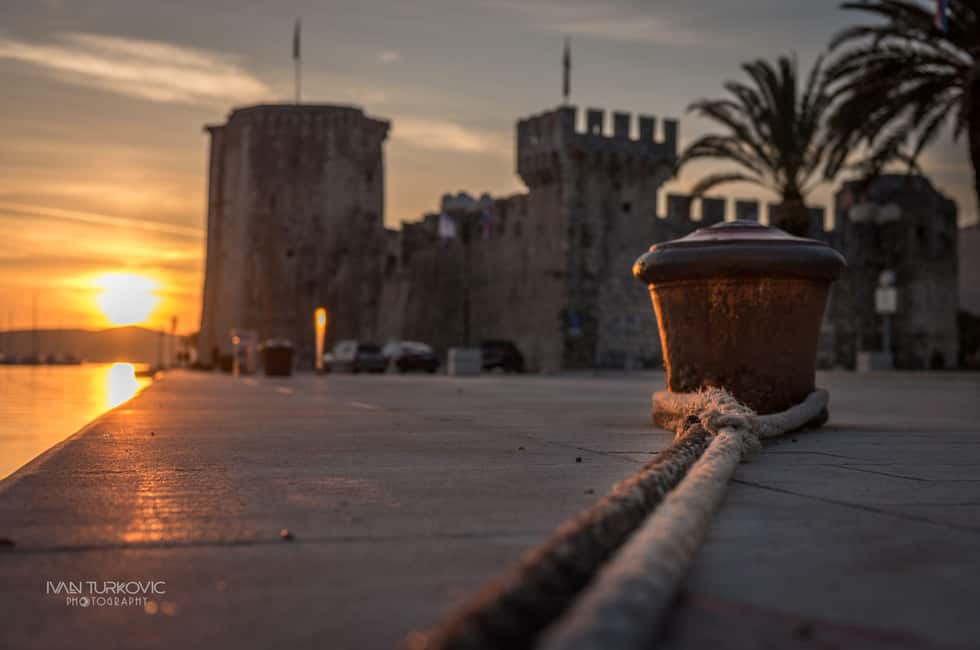
- Kamerlengo Castle: Seeing Fortifications Up Close
- Church of St. Dominic: The Kind of Stop You’ll Appreciate More Later
- Benedictine Monastery of St. Nicholas: Courtyards and Quiet Weight
- City Loggia and St. Sebastian Chapel: Civil Life Meets Religious Detail
- Knežev Dvor: Where Power Gets Its Place in the Story
- Cathedral of St. Lawrence: The Stop Everyone Talks About
- Trogir North Gate: Finishing with a Sense of Arrival
- Price and Time: Is $47 Good Value for 90 Minutes?
- What Type of Traveler Will Love It Most?
- Should You Book This Trogir City Tour?
- FAQ
- How long is the Trogir 1.5-hour city tour?
- What is the price per person?
- Where does the tour start?
- Is a guide included?
- Are entrance fees included?
- What language is the tour guide?
- Is free cancellation available?
Key Things You’ll Enjoy
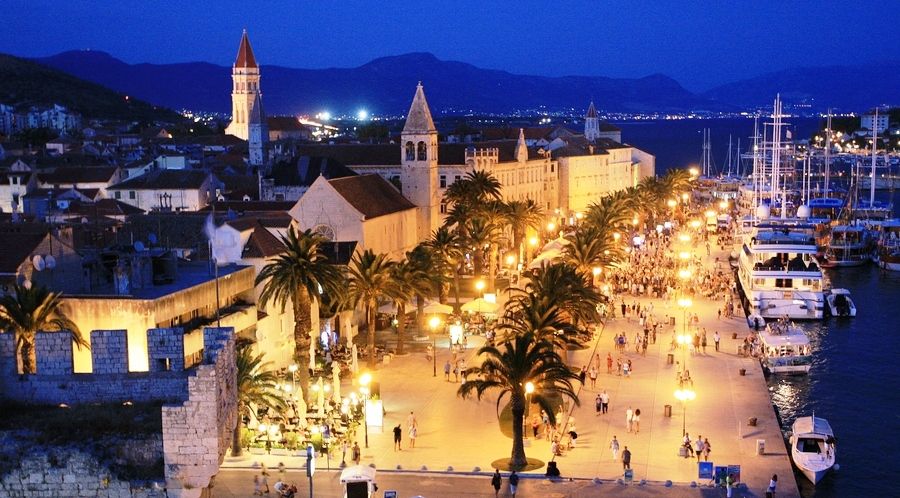
- Cathedral portal focus: up-close attention to the Romanesque entrance and its Kairos relief
- Stories that connect places: battles, odd characters, and Venetian-era context
- An efficient loop of major sights: fortress, castles, churches, monastery, loggia, palace, and gates
- UNESCO-site walking lanes: small-town streets that reward slow wandering even after the tour
- Guide energy that matters: English narration with chances for extra time if the group is engaged
Why Trogir’s 90 Minutes Feels Like More Than a Stroll
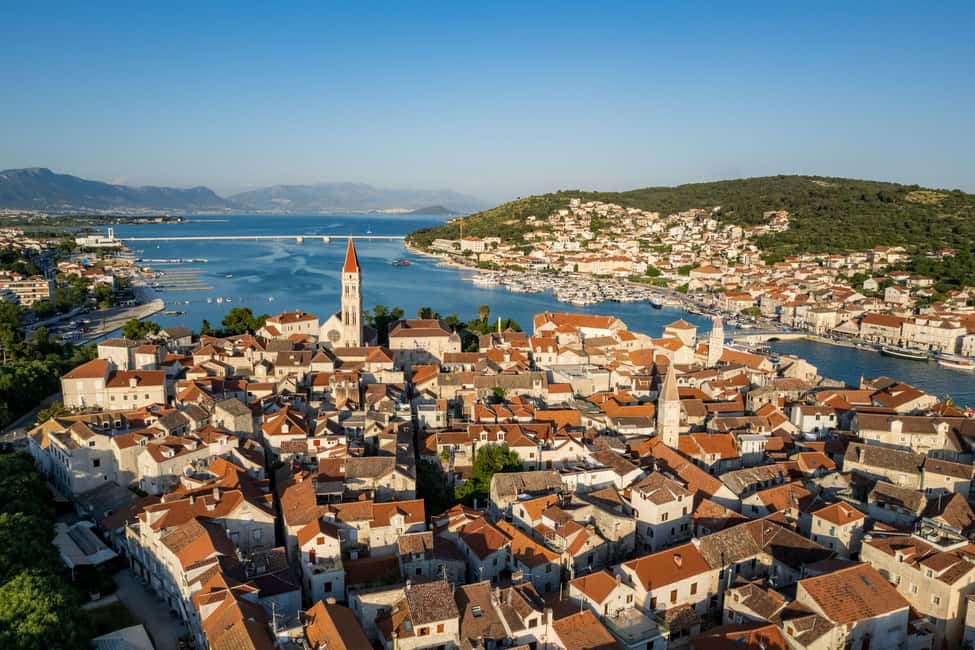
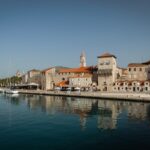
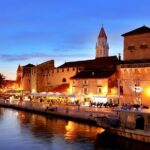
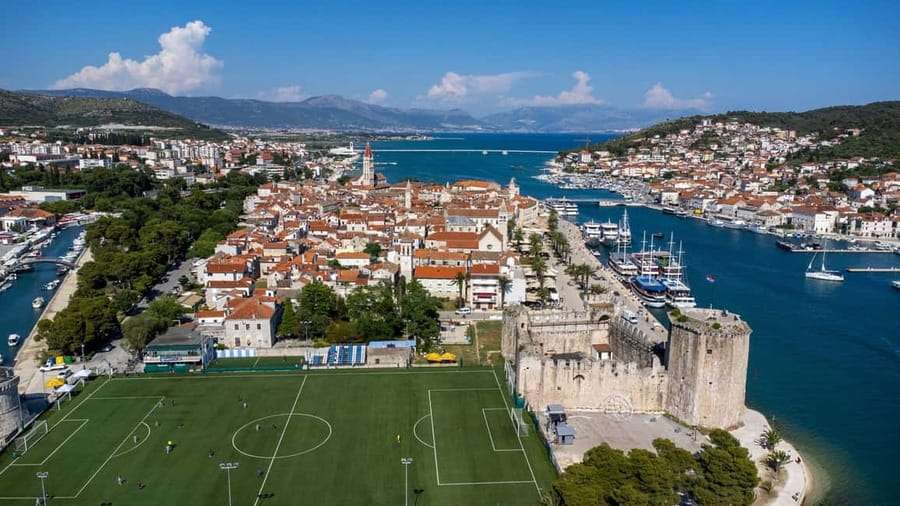
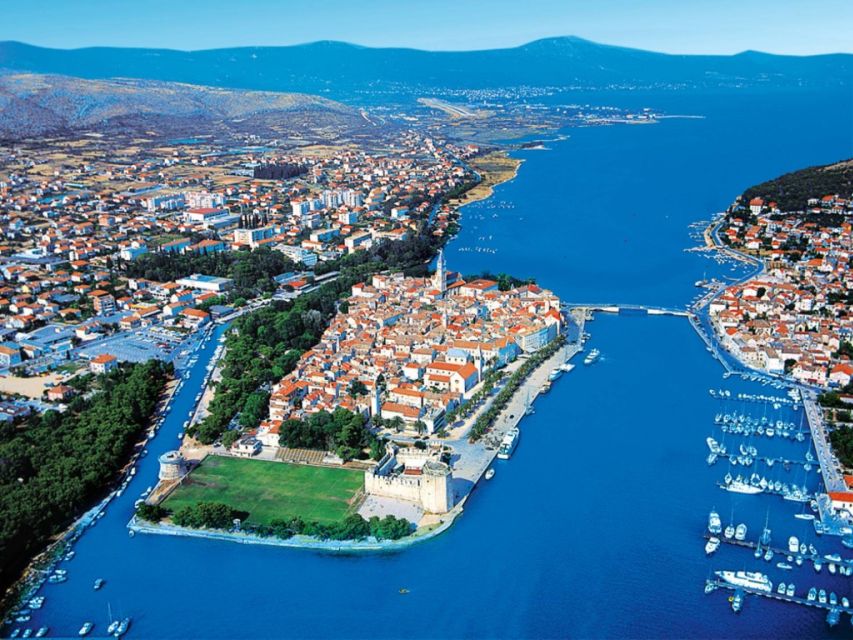
Trogir doesn’t sprawl. That’s the magic. In just 90 minutes, you can cover a surprising number of landmarks because the medieval core sits on a small island between the Croatian mainland and the island of Čiovo.
This tour is designed for an easy pace—walk, pause, look closer, move on. You’re not rushing through the town like it’s a checklist. Instead, you’ll follow a guided path through the UNESCO World Heritage core, where courtyards and architectural details tend to reward attention as you pass them.
And yes, you’ll feel the “open-air museum” vibe. But it’s not a museum with glass cases. It’s lived-in stone, with narrow alleys and buildings that still shape daily life. That’s why the stories work: your guide is tying what you see to why it exists, not just naming it.
You can also read our reviews of more city tours in Trogir


Meeting at South Tours and Getting Oriented Fast
Your tour starts at the South Tours Travel Agency in Trogir (Hrvatskih Mučenika 28). From the first minutes, the goal is simple: get your bearings quickly so the rest of the walk feels logical instead of random.
After meeting, the route moves straight into the defensive and scenic side of Trogir. This matters because it gives you a sense of the town’s layout and its strategic placement long before you start admiring churches and courtyards. If you’re new to Trogir, this early orientation is a big help.
Bring comfortable walking shoes. Even on a short tour, medieval streets can mean uneven pavement and tight corners. Also, have a small bottle of water if you run hot—90 minutes in the sun can feel longer than it sounds.
St. Mark’s Fortress and Glorijet: A Strong Start with Views and Purpose
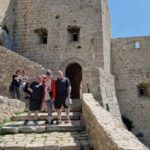
First up is St. Mark’s Fortress. A fortress stop early in the tour sets the tone: Trogir wasn’t only about cathedrals and courtyards. It was also about control, defense, and power—so your guide can frame later stops with a clearer sense of what was at stake.
Next comes Glorijet maršala Marmonta. Even if you’re not there for military architecture, this stop is valuable because it often gives you a more elevated perspective on the town’s geometry. Looking down at a historic city helps you understand how the streets and buildings relate, especially in a place that’s compact and layered.
These first stops are where you start noticing how the town “reads” visually. You’ll be able to connect the look of the walls and structures to later symbols you’ll see around the cathedral area and city buildings.
Kamerlengo Castle: Seeing Fortifications Up Close
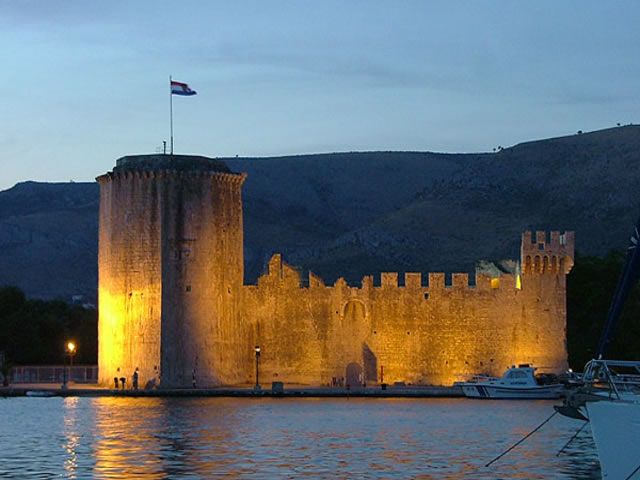
Then you’ll move to Kamerlengo Castle. A castle visit on this kind of walking tour is not about a deep siege seminar. It’s about seeing the scale and the design choices that made Trogir hard to ignore.
In a short time, you learn the basic rhythm of the town’s fortifications: where lines of defense likely mattered and how the architecture shaped the walking experience. Your guide also brings in story elements—battles and turning points—so it doesn’t feel like you’re just looking at old walls.
One practical upside: these fortification stops tend to give you breathing room from tight alleys. If you’re feeling city-walk fatigue, this is often the part of the tour that “resets” you, because the views and open spaces give your legs a small break even while you’re still moving.
Church of St. Dominic: The Kind of Stop You’ll Appreciate More Later
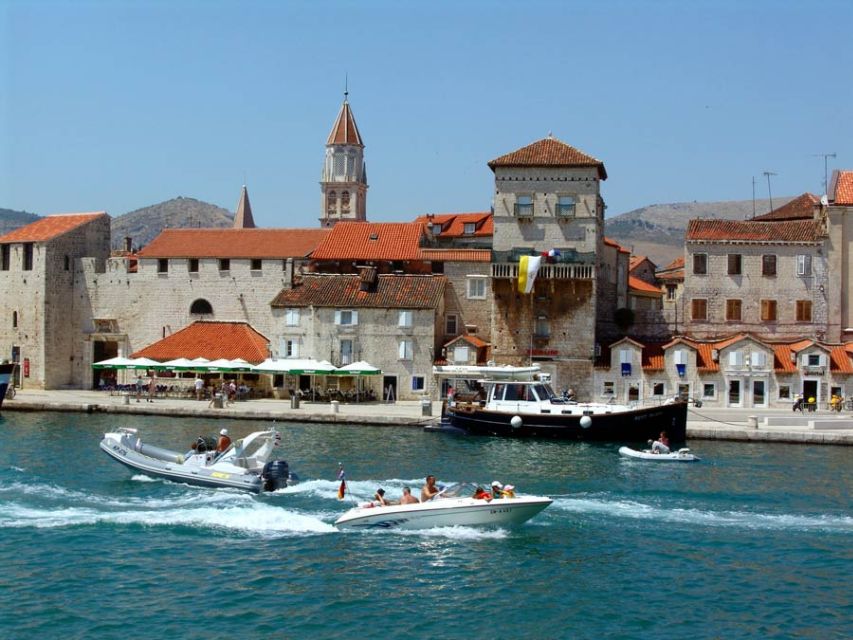
After the fortress and castle sections, the tour turns toward religious architecture with the Church of St. Dominic. Churches in places like Trogir aren’t just places to pray; they often serve as anchors for style and influence over time. On this route, your guide uses these stops to connect changing eras to what you see on the street.
This stop also gives you a change in textures and details. Instead of walls and defenses, you start focusing on façades, entrances, and the way religious buildings announce themselves. Even if you’re not a dedicated architecture nerd, it’s the kind of place where your eyes start catching patterns your brain can later recognize at the cathedral and other sites.
If you’re traveling with someone who gets bored by “more churches,” St. Dominic can still work because it’s placed strategically in the tour. It breaks up the route and gives context before the cathedral becomes the highlight.



Benedictine Monastery of St. Nicholas: Courtyards and Quiet Weight
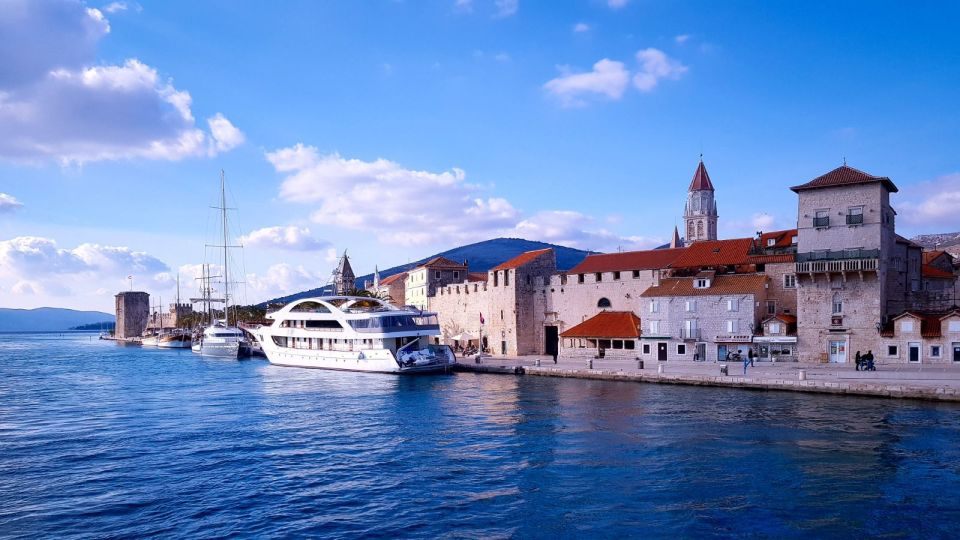
Next is the Benedictine Monastery of St. Nicholas. Monasteries can feel like a pause button in a city tour, and that’s exactly how they help on a 90-minute timeline. You get a different tempo: less spectacle, more atmosphere and craftsmanship.
This is also one of those stops where the tour’s approach makes sense. The route is built to show not only exteriors but also the types of spaces that hold meaning—courtyards and accessible interiors. That matters in Trogir, because the town’s history often lives in these in-between areas.
Even if you don’t spend long inside, you’ll likely come away with a better sense of how religious communities shaped daily city life. Your guide’s storytelling tends to do well here, because quieter places are easier to “feel” historically.
City Loggia and St. Sebastian Chapel: Civil Life Meets Religious Detail
The tour continues to the City Loggia, which shifts the focus from sacred spaces back to civic ones. A loggia is the kind of place tied to public life—meetings, announcements, and the everyday workings of a community. Seeing it on this walk helps you understand that Trogir’s identity wasn’t only church-centered.
Then you’ll visit the Chapel of St. Sebastian. Chapels like this often add a more intimate religious layer to the tour. It’s a compact stop, but those small, specific religious structures can be some of the most memorable because they’re easier to imagine in real use—someone seeking help, taking a moment, marking an event.
This section works well because the tour keeps changing your angle. Fortress. Church. Monastery. Civic building. Chapel. You’re not stuck staring at one type of architecture the whole time.
Knežev Dvor: Where Power Gets Its Place in the Story
Knežev dvor is next, and this is where the Venetian-era narrative becomes more than background color. Your guide connects architecture to governance and influence, and palace-style settings help you picture how decisions were made.
On a compact walking tour, this stop often acts like a bridge. You’ve already seen defense and religion. Now you see the kind of building that signals authority. That makes the later cathedral portal feel even more meaningful, because you understand the town’s hierarchy—not just its aesthetics.
Also, palace areas tend to have strong spatial personality. Even if you only get brief viewing, you’ll start noticing how entrances, windows, and building edges shape movement through the streets.
Cathedral of St. Lawrence: The Stop Everyone Talks About
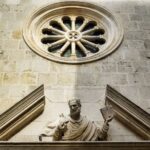
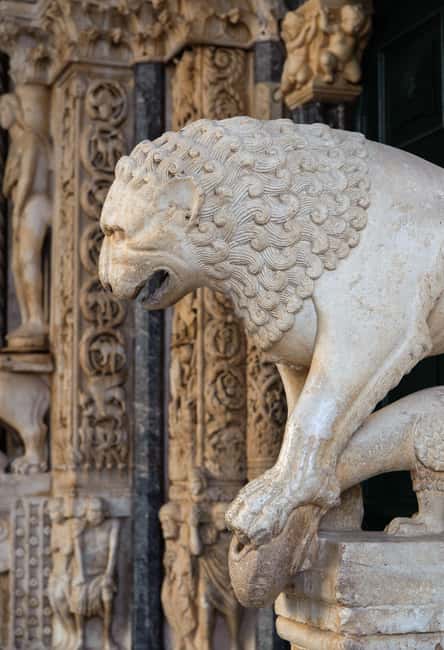
And then you reach the Cathedral of St. Lawrence—the tour’s big architectural moment. The centerpiece is the magnificent Romanesque portal, described with special attention because it connects to the relief of Kairos.
Here’s what I find valuable about this approach. Instead of treating the portal like a photo spot, the guide frames it as evidence—evidence of artistic choices and cultural messages. You’ll also hear that almost nothing is known about the career of Radovan, the Dalmatian architect linked to this work. That kind of missing puzzle piece makes the portal feel even more compelling.
This stop is your best chance to slow down. Even on a timed tour, your guide’s focus on details gives you permission to look longer than you might on your own. Try to step back and then walk closer again—portals often reward that simple shift in perspective.
One more tip: cathedral area stops can trigger extra interest. If you’re planning to visit other interiors later, decide where you want your “slow time” so the tour doesn’t become the only time you spend with these details.
Trogir North Gate: Finishing with a Sense of Arrival
The last major stop is the Trogir North Gate. Gates are useful tour endings because they feel like transitions. You move from sacred and civic centers back toward the wider town layout, and the gate helps your brain wrap the area into one coherent picture.
Your guide also tends to bring the storytelling thread to a finish point here. With battles and Venetian influence mentioned earlier, the gate makes the whole route feel like part of one system—movement, control, and identity.
When you’re done, you’ll likely want to keep walking on your own for a bit. The good news is Trogir makes that easy. You already know where you are. You know what to look for. And now the streets feel less like a maze and more like a sequence.
Price and Time: Is $47 Good Value for 90 Minutes?
At $47 per person for a 90-minute guided walk, this tour sits in the practical “worth it if you like structure” category. The price is less about comfort and more about guidance: you’re paying for an English-speaking storyteller who can point out architectural details and connect them to meaning.
It also helps that the tour is built around major stops rather than random wandering. You’ll pass fortification sites, key churches, the monastery, civic buildings, a palace setting, and the cathedral portal—so you’re buying efficiency.
That said, two details can shape your expectations. Entrance fees are not included, and this is a walking tour, not a long interior program. If you want lots of time behind doors, you may need to plan one or two extra self-guided visits later.
What Type of Traveler Will Love It Most?
You’ll probably enjoy this tour if you like:
- Guided walking through UNESCO streets where the architecture matters
- A storyteller who connects buildings to events and characters
- A tight route where you see a lot without burning a whole day
You might want to think twice if you strongly prefer one long, deep-site experience. Because the route is compact, the tour aims for breadth over slow detail.
Also, the guide can change the feel. Some English guides, like Sandra, have been described as experienced and full of energy. In at least one case, the tour ran a bit longer when the group stayed engaged. That’s a good sign: the tour isn’t robotic—it responds to how the walk is going.
Should You Book This Trogir City Tour?
I think it’s a smart booking if your time is limited and you want the cathedral portal and UNESCO core explained in plain language. The strongest reason to book is that it’s not only about landmarks—it’s about how the guide stitches the town together: defenses, civic life, religious architecture, and the Venetian layer, all in one coherent walk.
Book it if you’re the type who likes to leave a place knowing what you saw and why it matters. If you prefer a very slow pace at fewer sites, consider pairing this with extra time at the Cathedral area afterward.
FAQ
How long is the Trogir 1.5-hour city tour?
The tour duration is 90 minutes.
What is the price per person?
The price is $47 per person.
Where does the tour start?
The meeting point is the South Tours Travel Agency at Hrvatskih Mučenika 28, Trogir.
Is a guide included?
Yes. The guide is included.
Are entrance fees included?
No. Entrance fees are not included.
What language is the tour guide?
The live tour guide is in English.
Is free cancellation available?
Yes. You can cancel up to 24 hours in advance for a full refund.