REVIEW · TROGIR
Trogir Old City Walking Tour
Book on Viator →Operated by Divine Croatia · Bookable on Viator
Trogir is compact, so you need a plan. This Trogir Old City Walking Tour is a focused 2-hour loop that helps you connect the dots fast, and I especially like the small group size and the way the guide ties buildings to the people who lived there. One heads-up: the dress code is strict for churches and some museum spaces, and skipping it can mean refused entry.
You’ll start at Ulica Gradska vrata (10:00 am) and finish back where you began, which makes it easy to tack onto the rest of your day. The tour runs in English with a licensed local guide, and it’s built for first-time orientation as much as for history buffs.
If you’re weighing value, it’s not a bargain tour, but it can be money well spent when you want context rather than wandering alone. At up to 12 people, you get enough time for questions, not just a headset lecture.
In This Review
- Key things to know before you go
- Why a 2-hour old town walk works so well in Trogir
- Palace Cipiko: the medieval power story behind a Town Square mansion
- The value of a licensed English guide (and what to ask)
- Dress code details: the rule that can shut you out
- Pace, group size, and how the walk fits your day
- Price and budgeting: is $95.12 worth it?
- Who this tour is best for
- Should you book the Trogir Old City Walking Tour?
- FAQ
- How long is the Trogir Old City Walking Tour?
- What time does the tour start, and where do I meet?
- Is the tour offered in English?
- Is the tour group small?
- Are entrance fees included in the price?
- What should I wear to avoid problems entering churches or museums?
Key things to know before you go
- Small group (max 12 people) keeps the walk friendly and question-friendly.
- Licensed local guide in English means the story lands clearly instead of guesswork.
- Palace Cipiko is included (a confirmed stop) and its admission ticket for that stop is free.
- Dress code can affect entry: shoulders and knees must be covered in places of worship and select museums.
- About 80kn in entrance fees is a practical budget number since it’s not included.
- Mobile ticket makes last-minute check-in simpler while you’re on the move.
Why a 2-hour old town walk works so well in Trogir
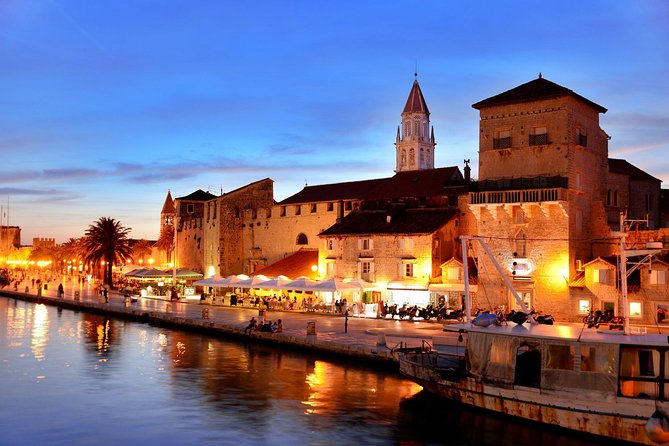
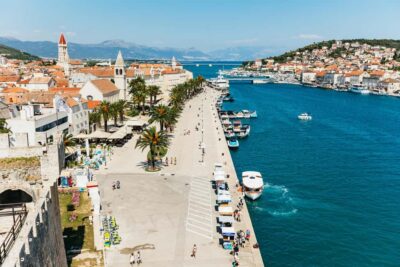
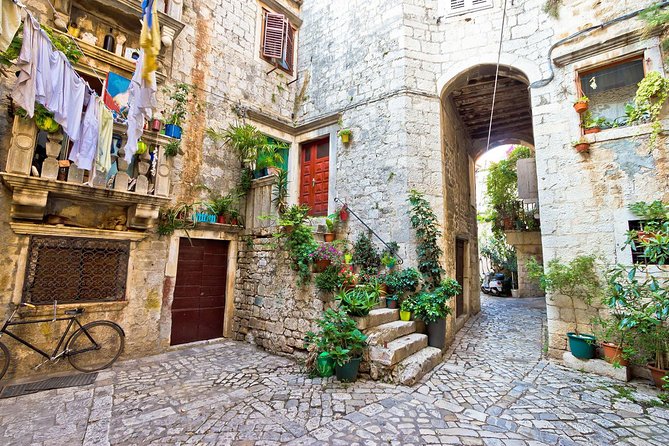
Trogir’s Old City is walkable, but it’s also easy to miss what you’re actually looking at. A tight 2-hour format solves that. You get a guided route through the core sights without burning half the day on cobblestones and detours.
I also like that the tour starts at 10:00 am and ends back at the meeting point. It’s the kind of schedule that plays well with lunch plans, a boat ride later, or another stop in the afternoon. And because there’s no hotel pickup or drop-off, you can keep your morning simple: just show up at the right spot.
One more practical perk: the tour is close to public transportation. So if you’re not staying right in the center, you still have an easy way to get there without hunting for complicated transfers.
You can also read our reviews of more walking tours in Trogir


Palace Cipiko: the medieval power story behind a Town Square mansion
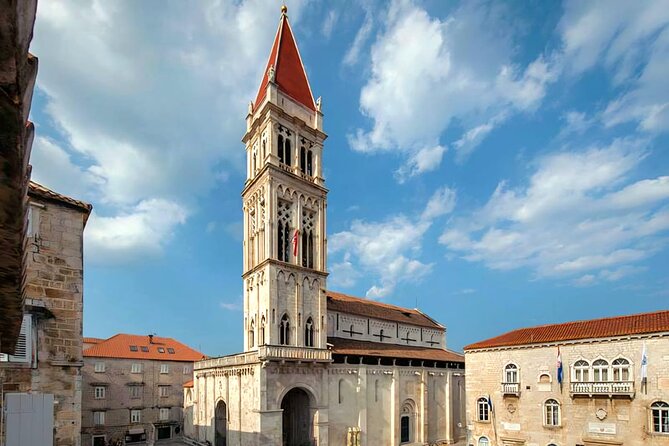
One stop is Palace Cipiko, a 15th-century mansion on the Town Square. That matters because it anchors the whole walk. You’re not just looking at pretty stone—you’re seeing how wealth and politics showed up in real places.
Here’s what you can expect around this stop:
- You’ll spend about 15 minutes there with the guide.
- The Cipiko family connection is central, since this was home to one of the region’s wealthiest medieval families.
- Since admission for this stop is free, you’re not stuck trying to figure out payment in the middle of the tour.
Even if you don’t consider yourself a history person, this type of stop gives you a framework. After you see how a powerful family lived in a visible civic area, other buildings in the Old City start making more sense. You’ll likely notice details differently too: not just style, but status, function, and the way the town was organized.
A small consideration: some parts of Trogir can get tight and busy, so if you’re the sort who hates crowds, go with comfortable shoes and a calm pace. The good news is the group stays small.
The value of a licensed English guide (and what to ask)

A licensed local guide is more than a credential. It usually means you’ll hear local context instead of generic talking points. This tour is offered in English, and the guide is local, so you should get clear explanations of what you’re seeing and why it mattered.
From the tone of the experience, the emphasis is on understanding Trogir and the people behind its landmarks. That’s the difference between memorizing dates and actually getting a sense of how the town worked. I like tours that make history feel human, not like a spreadsheet.
What you can do to get even more out of your time:
- Ask one simple question early. Example: how this part of town functioned in medieval times.
- When the guide points out a detail, don’t just look—ask what it suggests about the owner or the era.
- If you’ve got specific interests (architecture, trade, religion), mention them. With only up to 12 people, you’re more likely to get a real answer.
Also, the tour is designed as a highlights walk. That’s useful if you want to see most of the top sights in one go, especially in a compact UNESCO area.
Dress code details: the rule that can shut you out
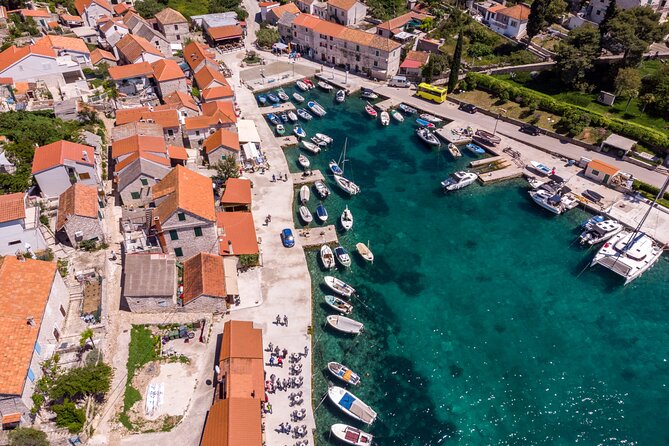
This is the big practical thing to take seriously. The tour’s dress code is smart and casual, but if you enter places of worship or select museums, you must cover:
- Knees
- Shoulders
That means no shorts, and no sleeveless tops for both men and women. If you don’t follow the requirement, you may be refused entry.
My advice is to plan for the rule before you leave the hotel. In warm Croatia, it’s tempting to wear lightweight shorts. Swap those for lightweight trousers or longer skirts, and bring a thin layer that covers shoulders if your outfit is borderline.
This is one place where being “almost right” doesn’t help. If you want a smooth tour, bring the correct clothing and you’ll spend your time looking at the sights, not negotiating at doorways.
Pace, group size, and how the walk fits your day
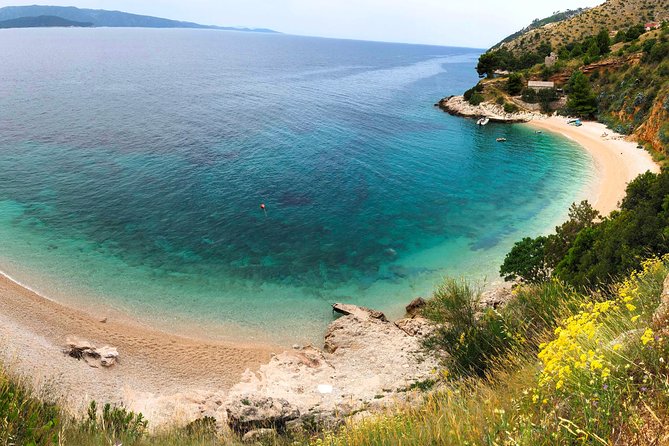
The tour caps at 12 travelers, which is a sweet spot. It’s large enough to feel lively but small enough to keep movement manageable. In practical terms, that usually means:
- you can hear explanations clearly,
- you’re not perpetually stuck behind a crowd wave,
- the guide can slow down when questions come up.
The walk itself is about 2 hours. That’s not a marathon, and it’s not a slow museum crawl either. Think of it as guided orientation plus real stop-and-look time. If you plan your day around it, you’ll get the best payoff.
Since the tour starts at 10:00 am and ends back at the meeting point, you can plan for:
- lunch near the Old City,
- a second self-guided loop while you still remember what the guide taught you.
One small drawback to consider: you’re on foot the whole time, and there’s no mention of hotel pickup. So make sure you can comfortably reach the meeting point area.
You can also read our reviews of more city tours in Trogir

Price and budgeting: is $95.12 worth it?
At $95.12 per person, this isn’t a throwaway add-on. But it can still feel worth it if you value guidance and time efficiency.
Here’s what you get for the price:
- A licensed local guide
- The 2-hour walking tour
- Mobile ticket delivery
- Offered in English
What’s not included:
- Entrance fees (approx. 80kn)
The balancing detail is that Palace Cipiko is part of the stops and its admission ticket is free. So while you should budget for entrance fees elsewhere, you’re not paying at every stop.
In plain terms: you’re paying for someone to map the Old City for you and explain what you’re seeing while you walk. If you’re the type who enjoys learning as you go, that’s a good use of time. If you prefer fully independent exploring with no guiding voice, you might feel the cost more than the value.
Who this tour is best for
This one fits best when you want a guided hits-and-moments walk in a UNESCO setting without committing to a full day.
You’ll probably enjoy it if:
- you’re short on time in Trogir and want to see major highlights,
- you like historical context tied to specific places,
- you want a small group so you can ask questions,
- you can follow the dress rule for churches and select museums.
It may be less ideal if:
- you don’t want to commit to any entry restrictions (dress code can be a deal-breaker),
- you prefer to wander at your own pace without a planned route,
- you’re not interested in history explanations.
Should you book the Trogir Old City Walking Tour?
I’d book it if you want your first visit to Trogir to feel organized and meaningful. The combination of a licensed local English guide, a small group up to 12 people, and a 2-hour format makes it a smart way to get your bearings and understand what you’re actually seeing.
I’d also book it if you’re the kind of traveler who likes learning about the people behind the buildings. The tour’s focus on history and the human side of the town is exactly what turns a pretty walk into a memorable one.
Skip it only if the dress code sounds likely to frustrate you, or if you’d rather spend that time doing a free-form walk and reading on your own. For everyone else, this is a practical way to experience Trogir’s top sights without wasting hours trying to connect the dots.
FAQ
How long is the Trogir Old City Walking Tour?
It’s listed as approximately 2 hours.
What time does the tour start, and where do I meet?
The start time is 10:00 am, and the meeting point is Ulica Gradska vrata (Ul. Gradska vrata, 21220, Trogir, Croatia). The tour ends back at the meeting point.
Is the tour offered in English?
Yes, it’s offered in English.
Is the tour group small?
Yes. The tour has a maximum of 12 travelers.
Are entrance fees included in the price?
No. Entrance fees are not included, and the estimate provided is about 80kn. The Palace Cipiko stop includes a free admission ticket for that specific visit.
What should I wear to avoid problems entering churches or museums?
Dress smart and casual, with shoulders and knees covered for places of worship and select museums. No shorts or sleeveless tops, and refusing entry is possible if you don’t meet the requirements.