REVIEW · TROGIR
Split Old Town Walking Tour
Book on Viator →Operated by Tours in Croatia · Bookable on Viator
A 90-minute walk that makes Split click. You’ll get close to Diocletian’s Palace and learn the big story behind the streets, not just a list of facts. I like that it’s run as a small-group experience, so questions don’t get lost. One thing to consider: at about 1.5 hours, it’s an intro—if you want deep-dive sightseeing, you’ll still need extra time after.
If you’re visiting for the first time, this is a smart way to get your bearings in the walled core and understand why Roman, Catholic, and Venetian-era influences show up everywhere. I also like that the tour is in English and includes the UNESCO-listed palace admission, so you’re not juggling tickets mid-walk. The only potential snag is weather and foot pace: it’s a walking tour, so bring comfortable shoes and plan to stay moving.
In This Review
- Key Things I’d Focus On
- Entering Diocletian’s Palace: Where Split’s Story Starts
- Split Old Town’s Roman-to-Catholic-to-Venetian Mix
- Stop Structure and What You’ll Actually Do During the Walk
- The Guide Matters: Why Anita’s Style Is Such a Big Plus
- Price and Value: Is $30.12 a Good Deal?
- Timing, Comfort, and What to Wear for This Tour
- Small Group Size: Why It Changes the Experience
- Where You’ll End Up: Using the Tour to Explore After
- Who Should Book This Tour (And Who Might Skip It)
- Should You Book This Split Old Town Walking Tour?
- FAQ
- How long is the Split Old Town Walking Tour?
- What is included in the tour price?
- Is the tour offered in English?
- Where does the tour start?
- How big is the group?
- Is free cancellation available?
Key Things I’d Focus On
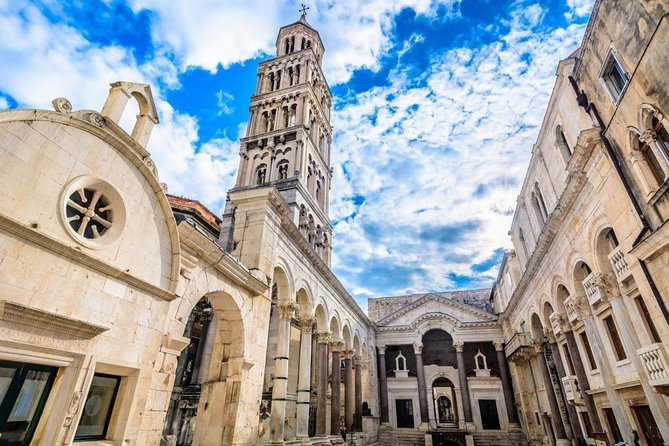
- UNESCO-listed Diocletian’s Palace attention right up front
- Small group size (max 20) for a more conversational walk
- Roman origins explained clearly so the old streets make sense
- English guide plus enough time to ask questions
- Admission included, which helps you judge value fast
Entering Diocletian’s Palace: Where Split’s Story Starts
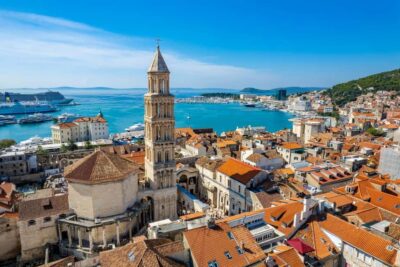
This tour’s main move is simple: you start in the area of Diocletian’s Palace, then work through the Old Town atmosphere around it. Even if you’ve seen photos, standing in the palace setting helps you understand why Split became such a magnet. You’re not just looking at ruins behind a fence—you’re walking in a place shaped by a ruler’s grand plan, and the city has grown around that footprint for centuries.
The guide frames the palace in plain terms: Roman beginnings first, then how later cultures left their marks. That context matters. Without it, the Old Town can feel like a maze of stone streets and pretty facades. With it, you start recognizing the logic—why certain areas feel like they were built to function a certain way, and how later periods turned that structure into something used day-to-day.
What I like most is that the tour keeps you focused on “why this exists,” not just “what to look at.” That’s a big difference between a quick photo stop and an actual orientation walk.
You can also read our reviews of more walking tours in Trogir



Split Old Town’s Roman-to-Catholic-to-Venetian Mix
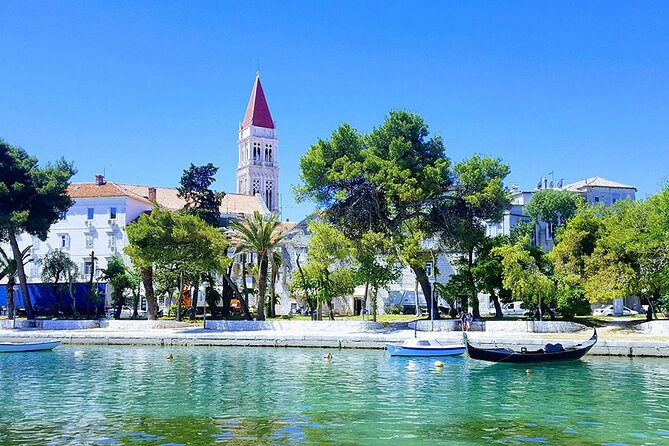
Split is one of those cities where multiple eras overlap in the same block. The Old Town doesn’t read like a museum with sealed-off sections. It feels like a living city built on top of older layers, and that’s exactly what your guide explains.
You’ll hear how the Roman foundation shaped the layout and how the city’s later religious and political eras influenced what you see. In practice, that means the streets stop being random. You begin to notice patterns—how spaces relate to the palace core, why the town feels enclosed, and why the architecture carries different fingerprints across time.
This is also where a good guide earns their fee. When the storytelling is strong, you leave with a mental map. You’ll be able to say: This part feels Roman. That part feels later. And that one? That’s where the mix becomes obvious.
If you’re the type who likes to wander later, this tour helps you wander with purpose instead of aimless wandering.
Stop Structure and What You’ll Actually Do During the Walk
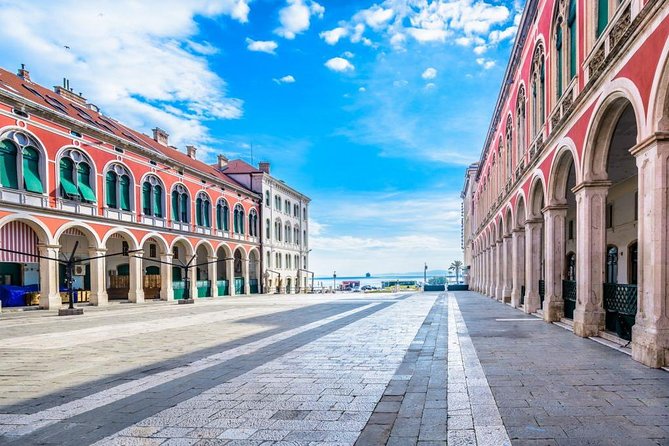
You should think of this as a single sustained experience centered on the palace area and the surrounding Old Town streets. The whole thing is about 1 hour 30 minutes. That’s long enough to learn the big picture and still short enough to keep it from turning into a slog.
During the walk, your guide keeps the group moving but not rushed. The goal is to stay close to the highlights while explaining the connections between what you’re seeing and what came before. With a tour this short, the guide can’t cover everything in enormous detail. But that’s also the point: you get an efficient orientation and a set of ideas you can chase later on your own.
Admission is included, which is practical. It removes a common hassle on Old Town tours where you’re constantly checking ticket rules, finding payment desks, or lining up for access. Here, the tour plan stays straightforward.
The Guide Matters: Why Anita’s Style Is Such a Big Plus
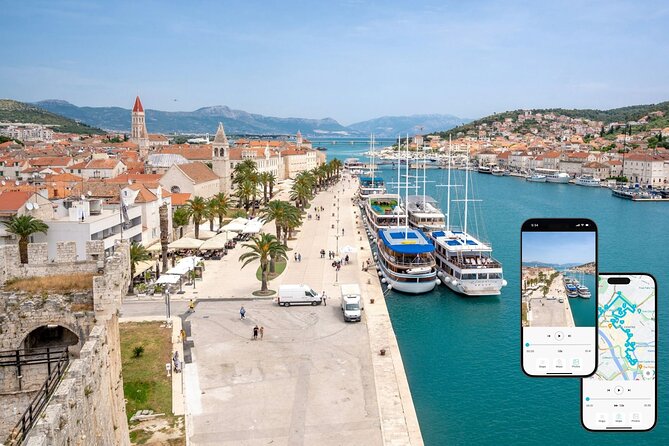
A walking tour lives or dies on the guide’s delivery. The strongest praise you’ll see for this experience is tied to the person leading it—Anita Tavric. The recurring theme is that she’s approachable, funny in a light way, and sharp on the details that actually help you understand what you’re looking at.
That combination—warm personality plus clear explanations—changes how you experience the Old Town. When the guide can explain the Roman origins without sounding like a textbook, the palace setting suddenly feels understandable. When the guide can also keep the mood lively, you’re more likely to stay engaged instead of counting minutes.
You don’t need a theatrical performance. You just need someone who can connect stone, layout, and time. Anita’s style is exactly that: personable, engaging, and guided by real knowledge that comes through in the way she answers questions.
Price and Value: Is $30.12 a Good Deal?
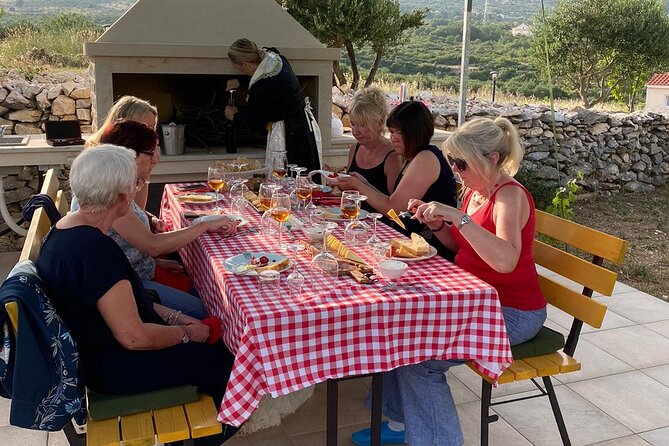
Let’s talk value in a grounded way. At $30.12 per person for about 90 minutes, you’re paying for three things:
- A local guide who can interpret what you’re seeing
- English-language narration (so you’re not piecing it together yourself)
- Included admission to the palace area (so your total cost is simpler to calculate)
For many travelers, the admission piece is what makes the math feel fair. Without that inclusion, you’d often pay separately and lose time to logistics. Here, the tour price aligns with a classic “orientation + highlight access” model. You’re not just getting a walk through the streets from the outside—you’re getting access and context in the same time block.
Also, because the group is capped at 20 travelers, you’re less likely to be stuck at the back watching shoulders and avoiding eye contact. That matters for learning. If you can ask one question and actually get an answer that changes how you see the place, the tour pays you back.






Timing, Comfort, and What to Wear for This Tour
This is a walking tour, so your comfort affects everything. Dress code is listed as smart casual, which is a nice way of saying you don’t need formal wear, but don’t show up in beach-only mode.
I’d still plan around the reality of a Mediterranean old town: you’ll be on stone surfaces and moving between areas. Comfortable walking shoes are non-negotiable. If you’re sensitive to heat, you’ll appreciate tours that happen at cooler evening hours. One very practical note from real-world experience in the area: timing can change how pleasant the walk feels, especially in warmer months.
The tour also runs in English, and you’ll typically be in the public-transit-friendly part of town. That’s helpful if you’re combining your tour with other sightseeing plans afterward.
Small Group Size: Why It Changes the Experience

Max 20 travelers sounds fine on paper, but what matters is the real feel. The best version of this tour is when the group is small enough for questions to happen naturally. When you’re not packed shoulder-to-shoulder, your guide can pause, point more precisely, and keep the pace that fits the group.
In a small setup, you get more interaction. You also get better visibility—less craning to see, fewer people shouting over each other, and more listening.
Even if you’re not the type who asks lots of questions, a small group helps you absorb more. Your brain processes stories better when you’re close enough to hear and see what’s being referenced.
Where You’ll End Up: Using the Tour to Explore After

Because the tour returns to the starting area, it’s easy to treat this like your first move in Split. You’ll leave with a sense of the palace zone and the surrounding Old Town, plus a clearer understanding of the city’s evolution.
That means your next steps can be more intentional:
- You can pick neighborhoods to linger in based on what you learned
- You can choose which streets feel Roman-rooted versus later-influenced
- You’ll be better at planning your own route without doubling back
A good orientation walk doesn’t just entertain you for 90 minutes. It sets up the rest of the day.
Who Should Book This Tour (And Who Might Skip It)
This tour is ideal if you:
- Are visiting Split for the first time and want the big picture quickly
- Prefer a human guide over self-guided guesswork
- Like walking tours that focus on understanding, not just photos
- Want palace access included in the cost
It may be less ideal if you:
- Want a long, monument-by-monument plan with lots of downtime
- Already know a lot about Roman urban planning and want deeper specialization
- Have limited mobility and find walking tours challenging (the tour notes that most travelers can participate, but it doesn’t claim wheelchair-level detail)
One small note for families and companions: pets are not allowed on the tour.
Should You Book This Split Old Town Walking Tour?
I think this is a strong booking if your goal is to understand Split fast. The combination of small-group format, English guide, and included palace admission makes it feel like practical value rather than a generic sightseeing walk.
If you’re the kind of traveler who likes to ask one or two key questions and then explore on your own, this tour will set you up well. And if you care about storytelling quality, the guide praise for Anita Tavric points to the thing that matters most on these tours: the difference between hearing about history and actually making it click.
If you only have a day or a first evening to get oriented, I’d book this early in your stay. Then you’ll spend the rest of your time walking with confidence instead of reading the city like an unsolved puzzle.
FAQ
How long is the Split Old Town Walking Tour?
It lasts about 1 hour 30 minutes.
What is included in the tour price?
You get a local guide, all taxes and VAT, and admission tied to the Diocletian’s Palace experience.
Is the tour offered in English?
Yes, the tour is offered in English.
Where does the tour start?
It starts at Obala Hrvatskog narodnog preporoda 21, 21000 Split, Croatia.
How big is the group?
The tour has a maximum of 20 travelers.
Is free cancellation available?
Yes. You can cancel for a full refund up to 24 hours before the experience starts.