REVIEW · SPLIT
From Split: Private Tour to Plitvice Lakes National Park
Book on GetYourGuide →Operated by www.splitwalkingtour.com · Bookable on GetYourGuide
Plitvice hits you with waterfalls and quiet blue-green lakes. This day trip takes you into one of Europe’s best-known national parks, a UNESCO World Heritage site since 1979, and then keeps you moving along the wooden walkways that hug the water. One thing to plan for: it’s a full-day outing, so you’ll spend a good chunk of your day traveling from Split and back.
I like how the tour blends nature viewing with a guide who can actually explain what you’re seeing. In past groups, English-language guiding has been led by people like Mario and Petar, and the common theme is clear, helpful commentary without making it feel like a lecture.
Expect a hands-on day of lake viewpoints, waterfalls, and the park’s water-powered drama. You’ll also use park transport like a panoramic train and an electric boat ride, which helps you experience more of Plitvice without burning your energy too fast.
In This Review
- Key highlights worth timing around
- Plitvice feels different: a national park built around water
- Getting from Split: private comfort and a smooth day pace
- The lower and upper lakes route: where the views earn their keep
- Wooden walkways: the best way to see Plitvice without feeling rushed
- The park’s transport magic: panoramic train and an electric boat ride
- Wildlife and biodiversity: why the forests matter as much as the water
- The guide experience: what Mario and Petar add to your walk
- Size, expectations, and the no-swim reality at Plitvice
- Price and value: what $587 per group up to 2 really buys you
- Who this tour fits best (and who should skip it)
- Quick FAQ
- FAQ
- What’s the meeting plan for this Split to Plitvice day trip?
- What’s included in the tour price?
- Is the entrance fee to Plitvice National Park included?
- What transport do you use inside the park?
- Is the tour in English?
- Do you get time for lunch?
- Can wheelchair users join this tour?
- Are unaccompanied minors allowed?
- Can you swim at Plitvice Lakes on this tour?
- Is there insurance included?
- Should you book this Split to Plitvice private tour?
Key highlights worth timing around
- UNESCO Plitvice Lakes: waterfalls and lakes famous enough to earn World Heritage status in 1979
- Lower and Upper Lakes viewpoints: you’ll see multiple lake areas on the walkable route
- Wooden walkway immersion: the best sightlines come from the paths built along the water
- Panoramic train + electric boat: park transport that keeps the day flowing
- Strong guide presence: past days have included Mario and Petar, praised for knowledge and flexibility
Plitvice feels different: a national park built around water
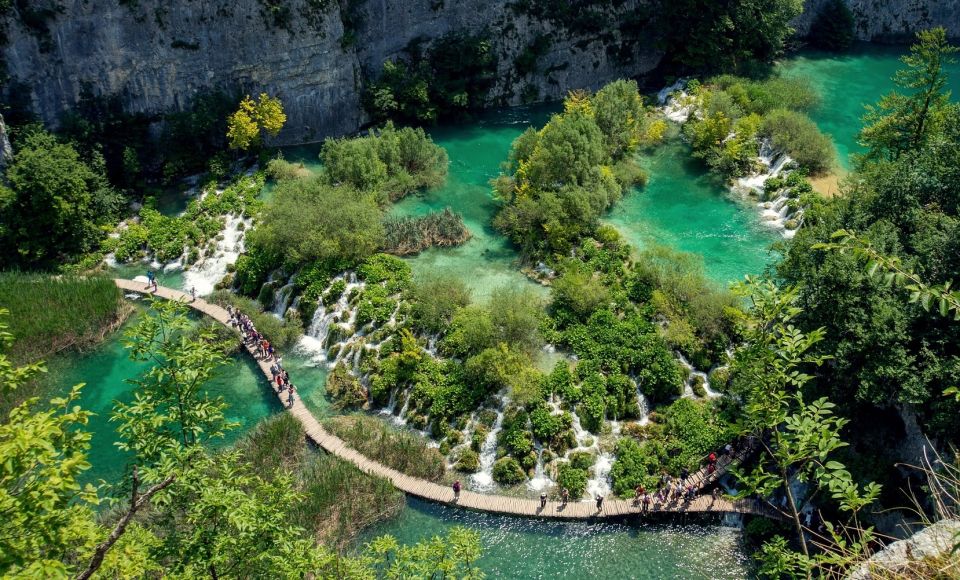
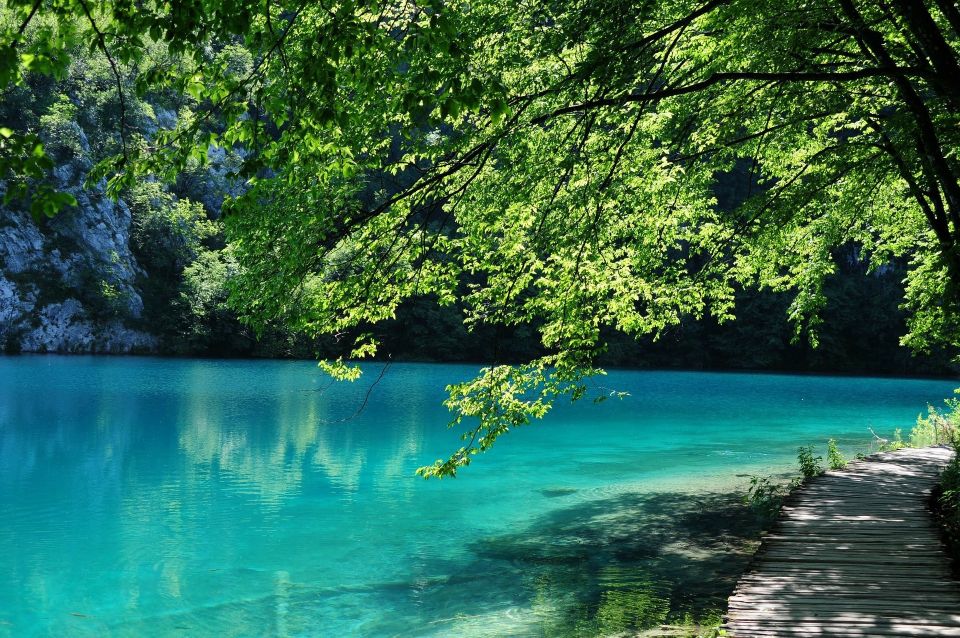
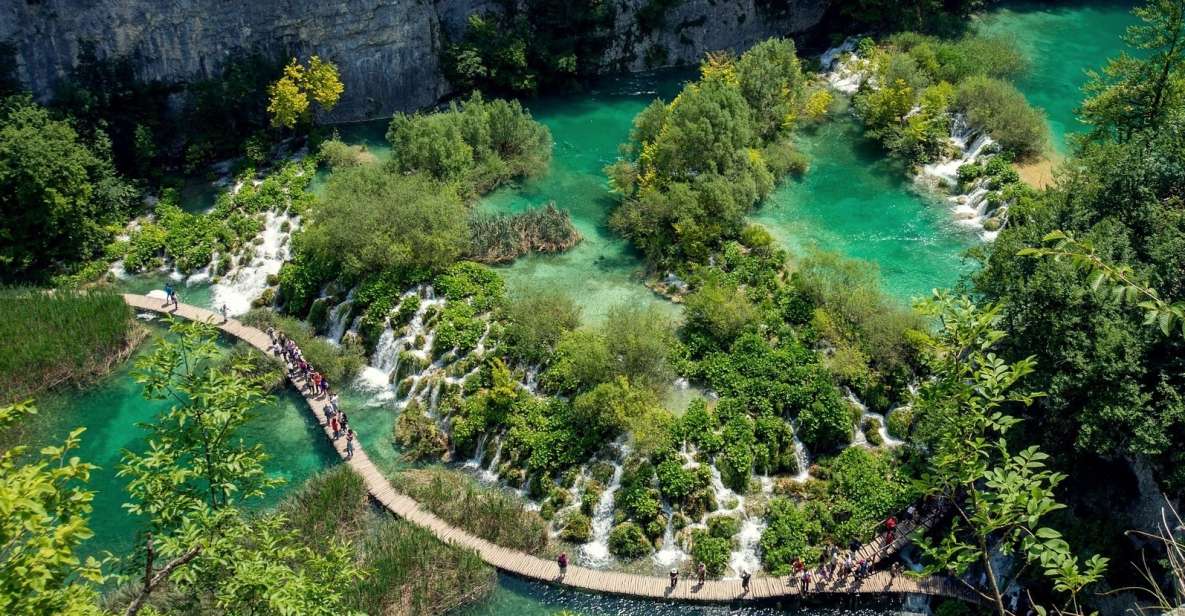
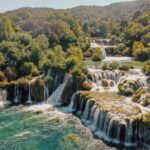
Plitvice Lakes National Park is famous for a reason: the scenery isn’t just pretty, it’s structured by water. You’re looking at lakes and falls tied to how the area gathers and releases water through forests and rocky terrain, which helps explain why the colors can look almost unreal from the walkways.
The park also has a big “why now?” angle. Even though Croatia’s coast sits under a Mediterranean climate, Plitvice runs on a moderate mountainous climate shaped by the Velebit mountain range, acting like a separator between coast and inland conditions. That climate shift is one reason the park can feel cooler, greener, and more mythic than you expect from a seaside start.
If you’re into stories, Plitvice has them too. Local legends talk about a magic queen and water created to satisfy a region’s longing—exactly the kind of folklore that makes the place feel like more than a photo stop. And the park’s background includes Karl May Western film productions shot at lakes and waterfalls during the 1960s and 1970s, which adds a curious pop-culture layer to the natural one.
You can also read our reviews of more private tours in Split

Getting from Split: private comfort and a smooth day pace
This is a private day tour designed for people staying in Split who want Plitvice without the hassle of planning transit, timing, and internal park connections. You travel in an air-conditioned bus, and that matters because the day includes getting out and moving outdoors for stretches.
In a private format (priced for a group up to 2), you’re not fighting for space or trying to match someone else’s speed. That’s especially useful at Plitvice, where people tend to slow down at waterfalls and then hurry back for the best photo angles.
One more practical point I appreciate: the tour includes free time for lunch on the way back to Split. That keeps the schedule focused on the park itself rather than turning your lunch break into another navigation puzzle.
The lower and upper lakes route: where the views earn their keep
Plitvice is built for walking, but it’s not random walking. The classic approach is a loop-like experience that brings you through the lower and upper lake areas, linked by paths and park transport. You’ll spend time on walkways that sit right by the water, which is where the park’s “blue-green” character becomes most convincing.
What I really like about this kind of route is how it changes your perspective. In one stretch you’re closer to the waterfalls’ energy; in another you’re looking across lake surfaces that reflect light differently. That variation is a big part of why Plitvice feels so memorable compared with one big waterfall scene.
You should also know what this tour is built around: quiet, nature-focused sightseeing. One past traveler specifically noted that Plitvice is amazingly wonderful but not a place for swimming, so plan your day around views and paths, not water play.
Wooden walkways: the best way to see Plitvice without feeling rushed
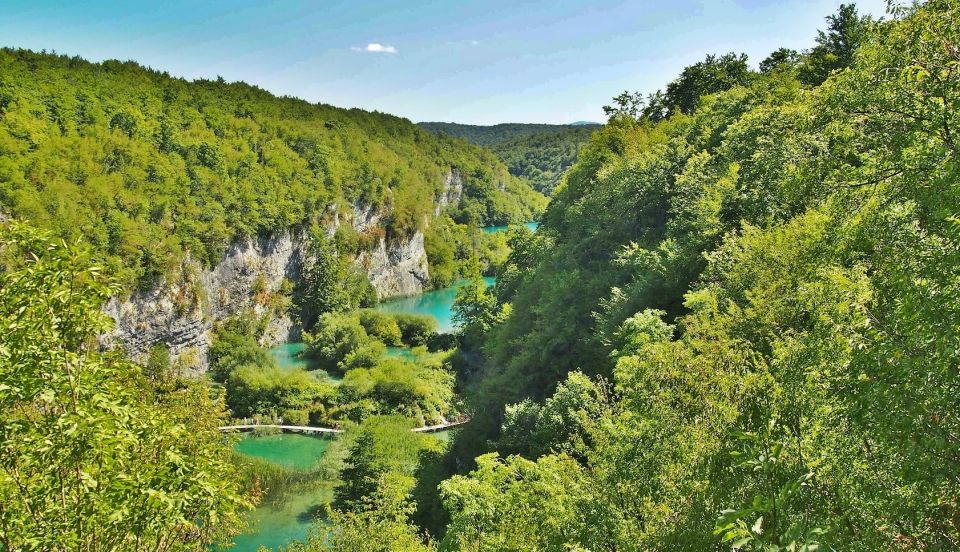
The iconic look of Plitvice comes from the wooden walkways that run along the lakes. They’re not just aesthetic—they control where you can safely go, and they keep you close to the water’s edge without requiring you to guess at routes.
This matters for your pace. When you’re on a guided route, you’re less likely to spend your energy wandering or second-guessing the best next turn. Instead, you can focus on what you came for: waterfalls, lake edges, and the shifting colors between sky and water.
Also, wooden walkways tend to create a “slow down” effect. You pass through repeating viewpoints, and your brain starts to read the terrain—where the water falls, where it gathers, and where it moves on. That’s a big reason Plitvice feels like more than a single photo moment.
The park’s transport magic: panoramic train and an electric boat ride
Plitvice isn’t only footpaths. This tour includes both a panoramic train and an electric boat ride, which are practical tools for seeing more ground without turning the day into a marathon.
The train helps you cover parts of the park route efficiently. That’s useful when you’re balancing sightseeing time with the fact that Plitvice is best enjoyed at a steady walking pace. You’ll spend more time where you want to stop and stare, instead of burning energy on every single connection point.
The electric boat ride brings a different angle of the lakes. Even if you’re not the type who cares about boats, this is one of the ways the park gives you a change in viewpoint without you having to backtrack. It also breaks up walking with a seated pause, which you’ll appreciate once you’re a few hours into the day.
Wildlife and biodiversity: why the forests matter as much as the water
Plitvice’s forests aren’t background scenery. They play a functional role in the park’s water story. The forested mountain slopes act as water reservoirs, supporting the biodiversity that lives in and around the ecosystems shaped by water availability.
This area is also one of the last places in Europe where wolves and brown bears can be found. I’m not suggesting you’ll spot one on your walk—wildlife presence doesn’t work like a zoo schedule—but it’s a real reminder that the park is still part of the natural world, not a theme set.
If you like numbers, here are the kinds of biodiversity facts that make the park feel alive: around 50 species of mammals and 321 butterfly species live in the region. That doesn’t mean you’ll see every species in one day, but it does explain why the park is protected and why the experience is more than “pretty waterfalls.”
The guide experience: what Mario and Petar add to your walk
A big part of why this tour earns high marks is the guide. Past groups have included guides like Mario, praised for knowledge and a friendly, flexible style that kept the day smooth even when people got tired on the long return drive to Split. Another guide, Petar, has been called informative and helpful, which is exactly what you want on a nature day.
Here’s what a strong guide changes in practice. You’ll read the landscape faster. Instead of treating each waterfall as a standalone picture, you start connecting them—how water moves, why certain areas feel cooler or wetter, and what to look for as you shift from lower to upper lake viewpoints.
You also gain context without losing the beauty. The tour background includes how the area gained fame through Western film productions, plus the legends about mythical lakes and rivers. That type of context can make the place feel less random, and more like a system you’re observing.
Size, expectations, and the no-swim reality at Plitvice
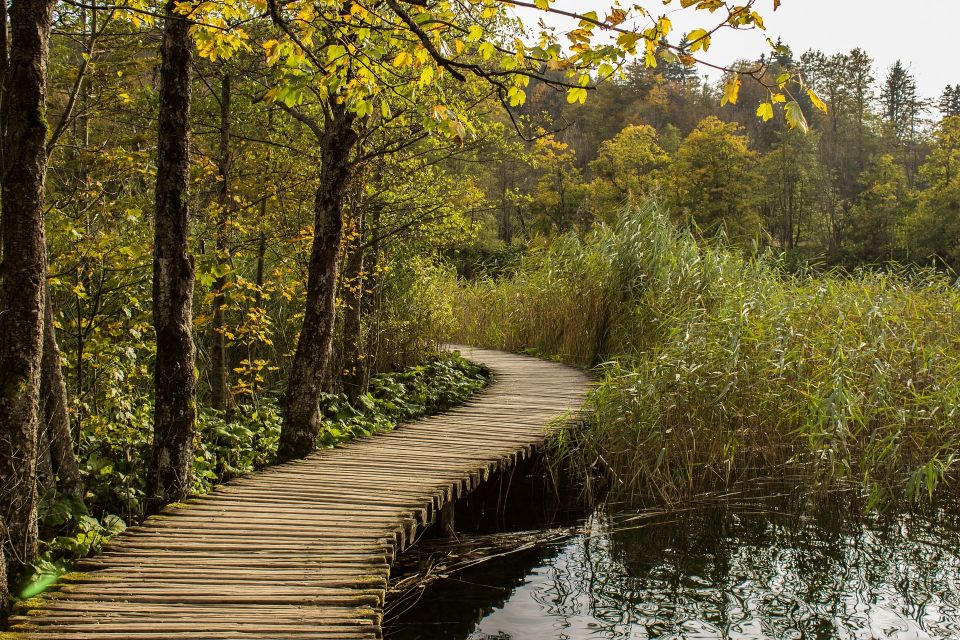
Plitvice is popular, and it shows. The good news: the wooden walkways and guided route help manage the experience so you aren’t constantly stuck trying to figure out where to go next.
The less fun surprise for some people is the reality of the park rules and physical setup. One traveler clearly pointed out that you cannot swim there, so don’t plan on a beach-day mindset. Bring your camera, your walking shoes, and a willingness to enjoy water as a spectacle, not something to splash in.
Also, since this is a day trip with multiple segments (walking + park transport), your comfort matters. Choose footwear that works well on wooden surfaces and uneven ground, and wear layers. Even in Croatia, mountain climate can feel different from the coast.
Price and value: what $587 per group up to 2 really buys you
At $587 per group up to 2, the price can look steep at first glance—especially if you’re used to self-guided day trips. But private guiding changes the math.
You’re paying for:
- a licensed English-speaking guide
- air-conditioned transport from Split
- panoramic train and an electric boat ride
- tourist insurance and VAT included
- a structured route through the park’s main viewpoints
- lunch time built in on the way back to Split
The biggest extra cost to budget for is the park entry fee, because entrance to Plitvice National Park is not included. That’s the one cost you’ll need to add to your planning.
So who gets the best value? People who want to maximize their Croatia time without spending it on logistics. If you’re traveling as a couple, this price can be a practical way to protect your day from the stress of ticketing, navigation, and timing—especially if you prefer a guide who can adapt when walking slows down.
Who this tour fits best (and who should skip it)
This experience makes sense if you:
- are staying in Split and want Plitvice as a structured, low-stress day
- like guided context while still prioritizing outdoor views
- want a route that includes both walking and park transport
- travel in a private group of up to 2
It’s not a good fit if you:
- need wheelchair accessibility (the tour is not accessible for wheelchair users)
- are traveling with a child who will be unaccompanied (unaccompanied minors aren’t allowed, and children must be accompanied by an adult)
Quick FAQ
FAQ
What’s the meeting plan for this Split to Plitvice day trip?
The tour includes licensed English-speaking guiding and transport from Split in an air-conditioned bus, but specific meeting points aren’t listed in the details provided.
What’s included in the tour price?
Included items are a licensed English-speaking guide, air-conditioned bus transport, panoramic train, electric boat ride, free time for lunch on the way back to Split, tourist insurance, and VAT.
Is the entrance fee to Plitvice National Park included?
No. Entrance to Plitvice National Park is not included.
What transport do you use inside the park?
You use a panoramic train and an electric boat ride as part of the experience.
Is the tour in English?
Yes. The guide is licensed and speaks English.
Do you get time for lunch?
Yes. There is free time for lunch on the way back to Split.
Can wheelchair users join this tour?
No. The tour is not accessible for wheelchair users.
Are unaccompanied minors allowed?
No. Unaccompanied minors are not allowed, and children must be accompanied by an adult.
Can you swim at Plitvice Lakes on this tour?
You cannot swim in Plitvice as part of the experience. The setup is about walking paths and viewing.
Is there insurance included?
Yes. Tourist insurance is included.
Should you book this Split to Plitvice private tour?
If you want Plitvice without the mental overhead, I’d book it. The mix of guided interpretation, wooden walkway time, and park transport like the panoramic train and electric boat ride is a strong combo for a day trip from Split.
Be sure you plan for the one clear extra cost—park entrance—and go in with the right expectations: you’re there for nature, waterfalls, and viewpoints, not swimming or beach-style breaks. If that matches your style, this is a high-value way to experience one of Croatia’s most famous UNESCO landscapes.