REVIEW · SPLIT
Split Cooking Class – Afternoon Edition Shared Activity
Book on Viator →Operated by Split Cooking Class · Bookable on Viator
Cooking starts right when Split heats up. This afternoon class turns a short 5 pm window into a hands-on lesson in Dalmatian seafood cooking—with Croatian wines and a sit-down meal at the end.
I like that it’s led by a real chef (Chef Bremec in past sessions) plus his team, and it stays practical, not showy. You’ll also see how the flow works up close with helpers such as Ivana and Bruna, so you’re not just watching from the sidelines. I also love that you get both the cooking and the eating, paired with Croatian wines.
One thing to consider: the menu is usually seafood-heavy. If fish isn’t your thing, tell the chef ahead of time—there’s flexibility to skip some seafood choices or adapt with other ingredients.
In This Review
- Key things to know before you cook
- A 5 pm start that fits Split’s evening rhythm
- Jobova ul. 2 meeting point, then back again
- Chef-led, hands-on cooking (and why the small group matters)
- The fish-and-veg menu: what you might cook in your 4 hours
- Your menu might look like this
- Getting the seafood right without fear
- Wines included: pairing without pretending you’re a sommelier
- From chopping to plating: the meal you share
- The real souvenir: recipes you can repeat at home
- Price and value: is $210.28 fair for 4 hours in Split?
- Who should book this Split cooking class afternoon edition?
- Should you book this cooking class in Split?
- FAQ
- What time does the Split Cooking Class start?
- How long is the class?
- Where do we meet in Split?
- How big is the group?
- What language is it offered in?
- Is wine included?
- Can I request changes if I don’t eat all seafood?
- Is it refundable if I cancel?
- Are recipes provided to take home?
Key things to know before you cook
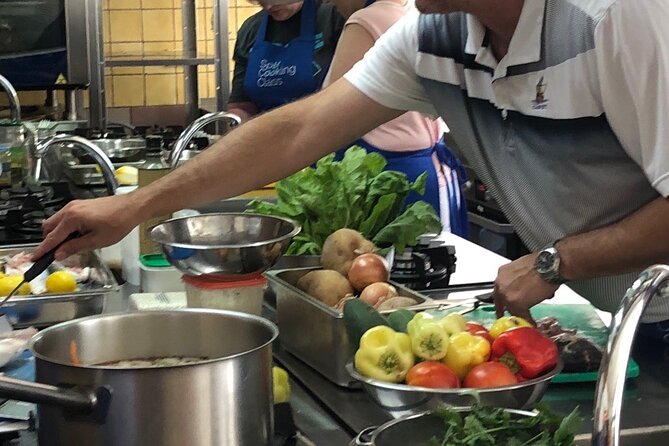
- Small group (max 12) so you get real attention, not a crowd shuffle
- Chef Bremec-style coaching with hands-on steps from start to finish
- A 5-dish plan most times, often built around fish, shells, and shrimp (you can request changes)
- Wine is included to go with what you’re cooking
- Recipes are repeatable at home, not just a one-night performance
A 5 pm start that fits Split’s evening rhythm
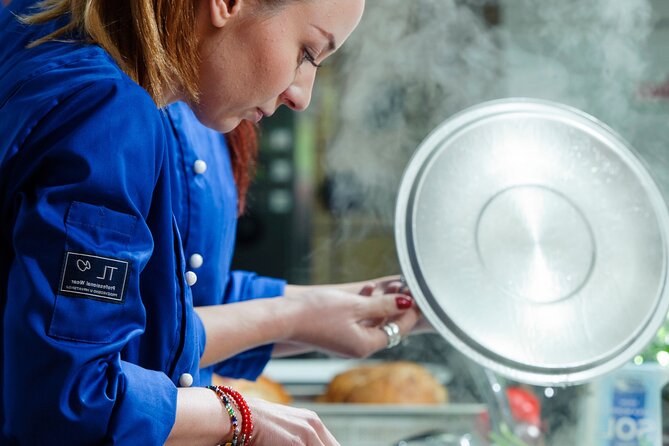
This class runs about 4 hours, starting at 5:00 pm, which is a sweet spot in Split. You avoid the late-night drag, but you also get to make something while the city’s energy is peaking.
You’ll be in the kitchen during the part of the day when you’d normally be deciding between dinner plans and a tour. Here, you get a third option: cook local dishes, taste them with wine, and leave with a concrete way to bring Split flavors home.
You can also read our reviews of more cooking classes in Split

Jobova ul. 2 meeting point, then back again
You meet at Jobova ul. 2 in Split. The location is described as near public transportation, which matters because you’re going to want an easy start without a complicated route.
Plan to arrive a few minutes early. Cooking starts fast once everyone’s in place, and the rhythm depends on prep tasks being ready when you get there.
At the end, it finishes back near the meeting point. So you don’t need to solve “What do we do after this?”—you’ll already be where you can continue your evening.
Chef-led, hands-on cooking (and why the small group matters)
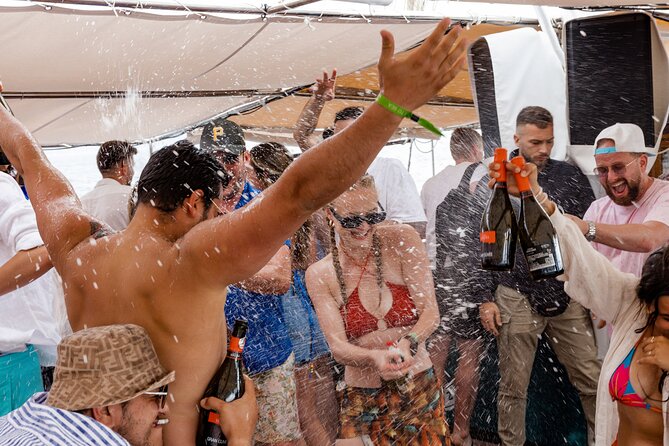
This is a small-group class, capped at 12 travelers, which changes everything about how the evening feels. In a bigger class, you can end up standing around, waiting for your turn. Here, the format is set up for you to work the ingredients, learn the steps, and actually produce food you’ll eat.
You’ll cook with the chef and his assistance. Based on the typical setup, tasks rotate: some people handle prep like scaling, chopping, or bread work, while others focus on seafood dishes, vegetables, or dessert. That rotation helps you learn more than one technique in one night.
It also helps explain why the class usually ends with a proper feast, not a few bites. When everyone’s doing a role, the kitchen keeps moving—and you get to see how the dishes come together.
The fish-and-veg menu: what you might cook in your 4 hours
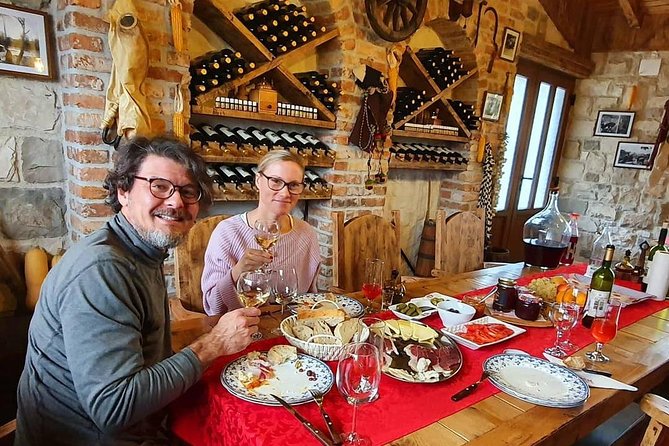
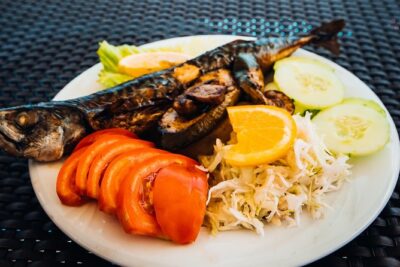
The usual plan is making around 5 different dishes. Most of them center on fish, shells, and shrimp, plus local vegetables, fruits, spices, and breads. In past menus, you might see a mix like carpaccio, soups, risotto, pasta, stews, grilled fish, mussels in a Buzara style, and seafood-focused mains.
The menu can flex. If you don’t want the full seafood lineup, you can ask to skip certain seafood parts and make another fish dish instead. The chef can also include meat or ingredients you prefer, and it’s worth saying this early if you’re picky.
Your menu might look like this
You’ll likely start with a welcome snack, then move through structured courses:
- Starters: options in the family of fish carpaccio, tartar, octopus salad, or a fish cream soup
- Mains: scampi risotto or home-made pasta; plus choices like fish stew, grilled fish with vegetables, or a shark-and-veg style dish
- Mussels: a Buzara style mussels course
- Dessert: a traditional Dalmatian dessert with fruit and herb liqueors, plus wine and coffee
Even if your exact menu shifts, the pattern stays the same: you cook seafood and produce-forward Dalmatian flavors, and you finish with a dessert that matches the region’s sweetness style.
You can also read our reviews of more tours and experiences in Split
Getting the seafood right without fear
If you’re thinking, I don’t cook seafood much, you’re not alone. The whole point of a class like this is that you get guided steps and feedback while your food is still fixable.
And seafood isn’t just about taste—it’s about timing and texture. The class setup is built so you’re working alongside the chef as dishes move from prep to heat to plating. You also get to see how multiple dishes are executed at once, which is the real trick behind a satisfying meal.
If you’re not a dedicated seafood person, don’t silently suffer. One review notes the chef adjusted by using chicken for a non-seafood preference, which is a good sign that communication helps.
Wines included: pairing without pretending you’re a sommelier
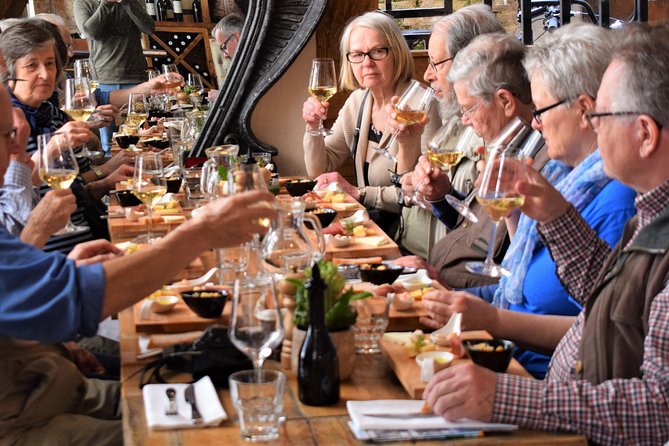
Croatian wine is included with your meal, and that’s one of the best parts of the experience. You’re not asked to guess pairings or decode a wine list in a language you don’t speak well. The class context handles the pairing for you.
As you cook, you’ll also get a rhythm break as the meal stages come together. One review mentioned the flow moving through kitchen work and wine tasting as dishes finished. Even if your evening isn’t identical, the idea is consistent: wine shows up as part of the meal, not as an unrelated side quest.
This matters because it keeps the evening cohesive. You taste, you cook, you learn, then you eat with something matching the flavors you just made.
From chopping to plating: the meal you share
This isn’t a hands-on snack. It’s structured like a full dinner experience. You’ll prepare dishes and then serve and eat them together.
That shared meal is where the class pays off. You can taste the difference between learning a technique on a cutting board and tasting it once it’s seasoned, cooked, and plated properly. Plus, eating what you made makes the whole thing stick in your memory.
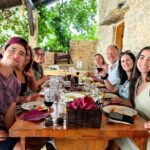
It’s also social in a practical way. One review described how people were grouped for different roles—cleaning and scaling fish, baking bread, dessert, chopped and grilled vegetables—and then it all became one big feast. That’s a great setup for meeting people without awkward small talk.
The real souvenir: recipes you can repeat at home

The recipes are something you can repeat at home. That’s huge for value. A lot of food experiences end with a nice memory and a blurry recollection of flavors. Here, you’re set up to reproduce the dishes later.
The most helpful thing to take home isn’t just the ingredient list—it’s the method. When you leave a class knowing how steps fit together (prep, heat, seasoning, timing), you can make your own version even if you can’t find the exact same seafood.
Also, if your goal is to bring back Croatian cooking into everyday life, this class gives you a range: soups, pasta or risotto styles, stews, grilled fish/veg combos, mussels, bread-related elements, and a dessert course. That spread means you’ll likely find multiple dishes you actually want to cook again.
Price and value: is $210.28 fair for 4 hours in Split?
At $210.28 per person for about 4 hours, you’re paying for more than a cooking meal. You’re buying coaching from a chef, ingredient coverage, a full menu format (usually multiple dishes), and wine included.
Here’s the value logic I use: you’re getting a structured, multi-course outcome that would be hard and expensive to replicate alone—especially seafood-based dishes. Even if you only cook one or two dishes again later, the class still has enough material to justify the cost as a learning experience.
And since the group is capped at 12, you’re not paying for a huge production where your learning gets watered down. The price makes more sense when you consider how much of the work is guided in real time and then immediately turned into your dinner.
Who should book this Split cooking class afternoon edition?
This works best if you like hands-on learning and you want a meal that feels local, not generic. If you enjoy fish dishes, vegetables, and Croatian flavors, you’ll probably have a great time.
It’s also a strong choice for:
- Couples looking for a fun shared activity (some evenings can even feel more private when the group is small)
- Foodies who want techniques and methods, not just tasting
- People who like wine as part of the meal, not as a separate event
It might be a slightly tougher fit if you dislike seafood across the board. The menu is typically seafood-forward, so you’ll want to mention preferences ahead of time so the chef can adjust. If you can be flexible with the seafood parts, it’s much more likely to work for you.
Should you book this cooking class in Split?
I’d book it if you want a guided, practical way to learn Dalmatian cooking and eat what you make. The class structure—chef-led, small group, ingredients provided, wine included, plus repeatable recipes—turns an evening in Split into a skill you can use again.
Skip it only if you’re firmly anti-seafood and don’t want to negotiate menu changes. Otherwise, tell the chef what you like and don’t like early, and go in ready to cook, taste, and learn.
If you do book, come hungry and ready to chop, stir, and taste. This is one of those experiences where the work and the payoff happen in the same room.
FAQ
What time does the Split Cooking Class start?
It starts at 5:00 pm.
How long is the class?
The duration is about 4 hours.
Where do we meet in Split?
The meeting point is Jobova ul. 2, 21000 Split, Croatia.
How big is the group?
The class has a maximum of 12 travelers.
What language is it offered in?
It’s offered in English.
Is wine included?
Yes. Croatian wines are included to complement the dishes you cook and eat.
Can I request changes if I don’t eat all seafood?
You can share preferences. The menu is usually seafood-focused, but the class can skip some seafood steps or include other ingredients or dishes you prefer.
Is it refundable if I cancel?
No. The experience is non-refundable and cannot be changed for any reason.
Are recipes provided to take home?
Yes. The recipes are provided so you can repeat the dishes at home.