REVIEW · SPLIT
Culinary Experience – Cooking Class & Walking Tour Split
Book on Viator →Operated by Perfecta Travel · Bookable on Viator
Food and streets, side by side. This Split experience pairs a hands-on 3-course cooking session with a guided walk and multiple tastings, including green market cold cuts, a fish-market stop, and bakery sweets. You’ll keep it practical, too, with small groups capped at eight people.
I like the pace and the access. You get a proper local guide (names like Marin and Rada show up in past groups) and time to ask questions, not just shuffle along with a crowd. The format includes walking segments and market stops, though, so it’s not a great match if you have walking issues.
I also love what you actually make and eat. The day centers on a dalmatian lunch you prepare yourself in a hotel kitchen: a cold platter starter, homemade seafood pasta, grilled fish, and dalmatian small donuts with homemade jam. One consideration is that it’s a walking tour plus markets, so wear comfortable shoes and plan for time outdoors.
In This Review
- Key things I’d mark on your map
- Split in Four Hours: What You Actually Get
- Walking Through Split’s Food Map (Without Getting Lost)
- Green Market Tastings: Cold Cuts, Cheese, and That Olive-Oil Flavor
- Fish Market Stop: How Your Seafood Lunch Becomes Real
- Inside the 5-Star Hotel Kitchen: Cooking the Dalmatian 3-Course Lunch
- Starter: Cold platter
- Main course: Homemade seafood pasta
- Main course: Grill fish
- Coffee, Sweets, and Traditional Liquor: The Part You Don’t Rush
- Price and Value in Plain Terms
- Who This Tour Fits Best (and Who Should Skip It)
- Should You Book This Split Cooking and Walking Class?
- FAQ
- How long is the Split cooking class and walking tour?
- What time does the tour start in Split?
- Where do we meet for the tour?
- What language is the tour offered in?
- How large is the group?
- What’s included in the lunch and tastings?
- What do you cook during the class?
- Does the tour include market visits?
- Is the tour weather-dependent?
Key things I’d mark on your map
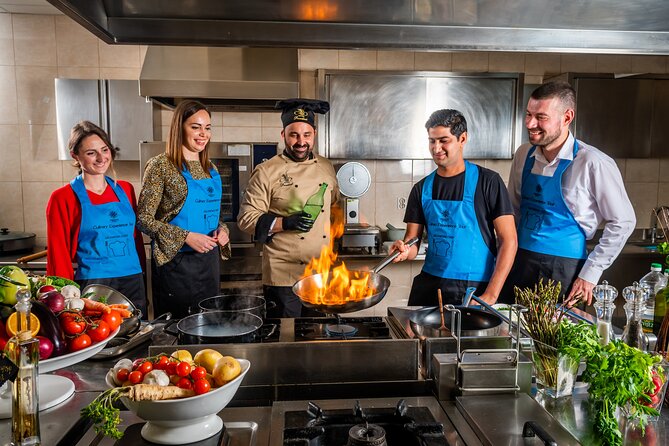
- Max 8 people means more hands-on cooking time and better Q&A with your guide
- Green market tastings include smoked prosciutto and cheese, with olive-oil style flavoring
- Fish market stop sets up your seafood lunch without making it feel like a shopping trip
- 5-star hotel kitchen is the setting for cooking a full 3-course meal
- Coffee, sweets, and traditional liquor land after the main meal, with the day staying food-forward
Split in Four Hours: What You Actually Get
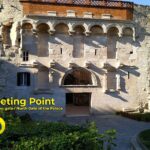
This is a 4-hour Split food experience designed for real people with real time constraints. You start at 9:30 am at Ul. Ante Starčevića 1, and you end back at the same meeting spot. The tour runs in English and uses a mobile ticket, which is convenient when you’re juggling ferries, bus routes, and dinner plans.
The biggest draw is the combo. You don’t just eat a meal at the end; you walk through the food context first, then cook and taste as the day goes on. That matters in Split, where the best flavors come from everyday markets and simple local technique, not restaurant theater.
With a price around $336.41 per person, it’s not a cheap add-on. But you are paying for guided access, market tastings, and a professional kitchen setup for a full lunch. In practice, it can work out well if you would otherwise pay for a guided market meal plus a separate cooking class.
You can also read our reviews of more walking tours in Split
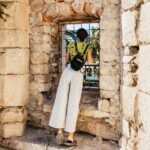
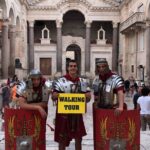
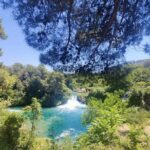
Walking Through Split’s Food Map (Without Getting Lost)
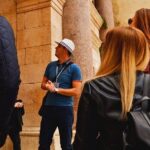
The walking tour part is there to give the food stops meaning. Your guide focuses on Split as a living place, not just a photo set. Past groups describe their guides as fun and proud of the city, with plenty of history and everyday detail wrapped into short explanations as you move.
Small group size is a quiet advantage here. When you can hear your guide and ask questions, you tend to notice things you’d skip on your own: how people shop, what’s considered normal for a local meal, and what counts as a proper treat. You also get snack stops along the way, which helps if you’re the type who gets cranky before lunch.
The practical side: it’s near public transportation, so if you’re staying outside the center you should still be able to connect easily. And if you’re coming from a cruise day, timing can be tricky. One group had a delay and it changed the class format into something more private, which shows the operator can flex when schedules collide.
Green Market Tastings: Cold Cuts, Cheese, and That Olive-Oil Flavor
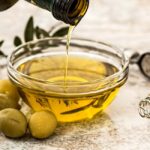
The first food anchor is the green market visit. This is where you taste the kinds of ingredients that show up later in your lunch, especially in a cold platter style starter. You’ll get tastings that include items like smoked prosciutto and cheese, plus supporting bites such as olives and house-style olive oil.
This part works because it trains your palate for what comes next. When you taste components separately, the final meal makes more sense. It’s also a chance to learn the local approach: you’re not looking for complex sauces, you’re looking for balance—salt, fat, herbs, and the sharpness of cured flavors.
A simple reality check: markets can mean uneven pavement and lots of standing time. If you’re comfortable on your feet for a few hours, you’ll get more out of this stop. If you’re not, you might find it less enjoyable, since the overall experience includes walking and market browsing.
Fish Market Stop: How Your Seafood Lunch Becomes Real
Then you move to the fish market. The point here isn’t to turn your day into a lesson on seafood logistics. It’s to give your lunch a grounded start: you see the seafood theme up close, then later you cook it.
This is also where the tour earns its “more than a class” feel. A cooking class alone can sometimes hide where ingredients come from. Here, you connect the dots early, so when you’re later working on seafood pasta or grilling fish, it feels like part of a story you’re already living.
You should expect a strong seafood focus in the menu. Your hands-on lunch includes homemade seafood pasta, and later there’s grilled fish, which is exactly what many people say becomes the highlight of the meal.
Inside the 5-Star Hotel Kitchen: Cooking the Dalmatian 3-Course Lunch
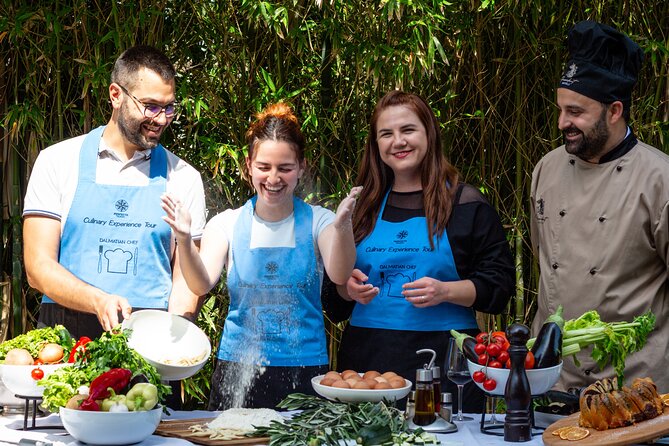
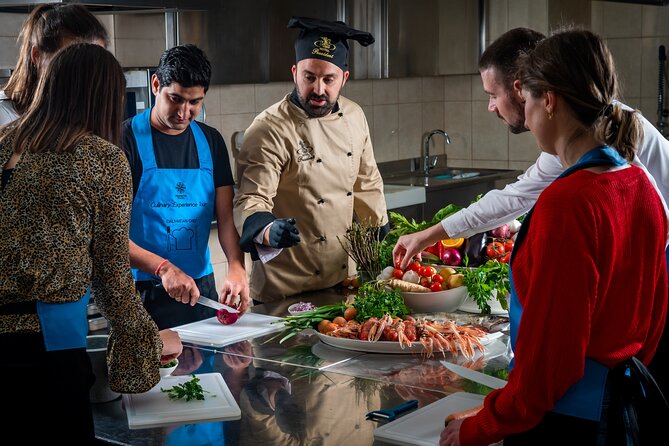
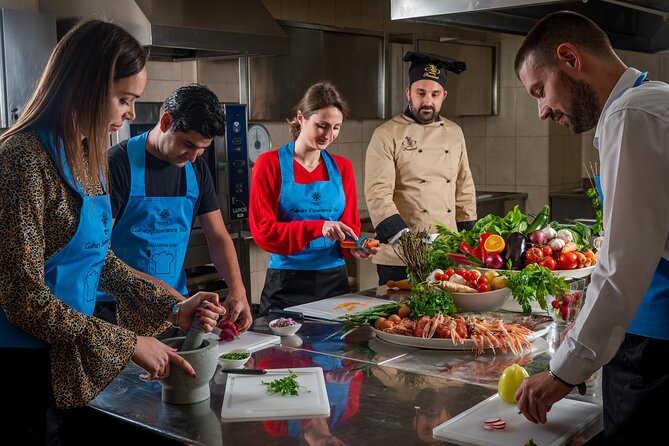
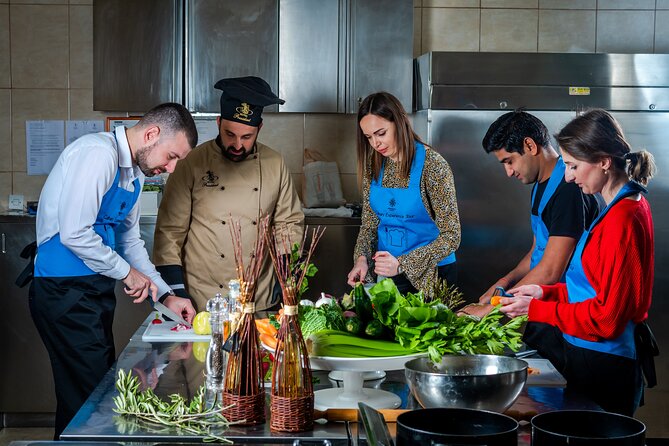
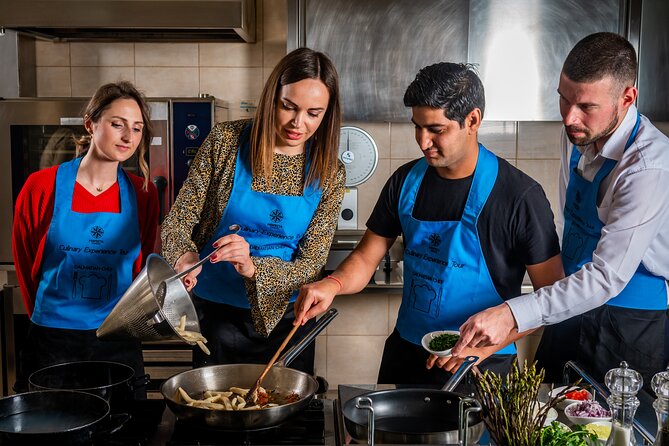
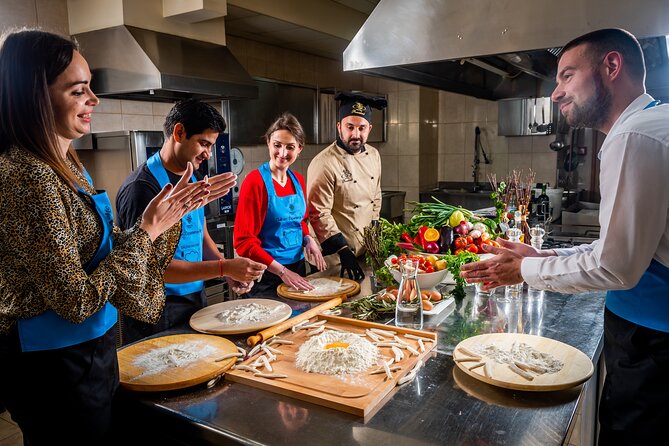
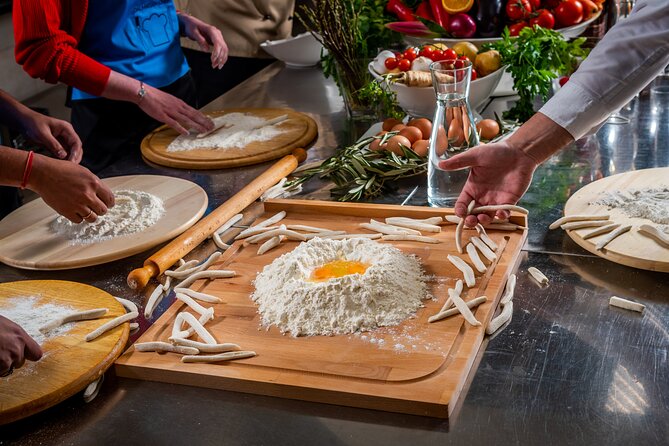
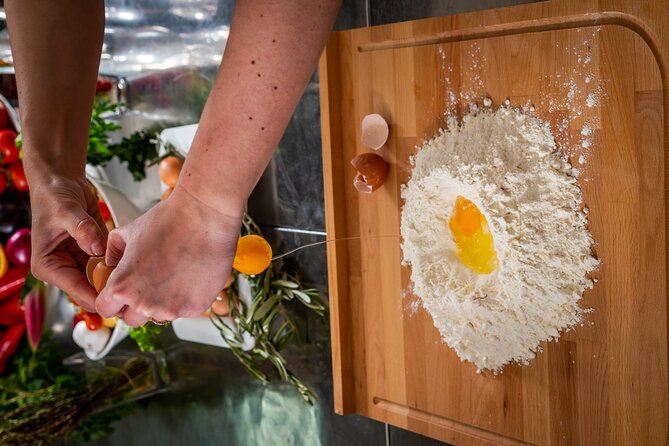
The main event happens in a professional hotel kitchen. You work with a chef and the kitchen team, and you’ll cook a full lunch instead of watching from the sidelines. For me, that’s the real value: you leave with muscle memory, not just a full stomach.
Here’s what you can expect to prepare:
You can also read our reviews of more cooking classes in Split
Starter: Cold platter
You’ll put together a cold spread-style starter with cheese selection, marinated seafood, olives, homemade olive oil, and garlic bread. This starter matters because it shows the local logic of appetizers: it’s not complicated, but each element has a job—fat for smoothness, cured salt for contrast, and acidity/herbs to keep it from feeling heavy.
Main course: Homemade seafood pasta
Next is the pasta course. You’ll work through making the dish yourself, with seafood as the star. This is where the tour becomes fun for non-chefs. You’re not expected to already know Italian-style timing; the point is learning a method with guidance, then eating what you made right after.
Main course: Grill fish
After that comes the grilled fish course, which is one reason this tour gets strong love. A lot of people say the fish tastes better than they expected during their whole trip, and the reason is pretty obvious: fresh seafood, cooked with care, eaten in the same flow as you built the meal.
The sample menu also notes a professional flow that ends with dessert right after the lunch, so you’re not stuck waiting around while someone else cleans up. It keeps energy steady.
One more detail that comes up in real experiences: some groups receive recipe notes for the dishes made during the class. If you’re the kind of person who likes to recreate meals at home, that’s a meaningful souvenir beyond photos.
Coffee, Sweets, and Traditional Liquor: The Part You Don’t Rush
After the markets and cooking, the tour closes with sweet and drink tastings. There’s coffee and sweets from a traditional bakery, then a traditional liquor tasting to round out the flavors.
The dessert is dalmatian small donuts served with a home-made jam selection. This is a great ending because it’s local and specific, not just generic cake. One group also pointed out a Christmas-style dessert as part of their sweet finish, which suggests the kitchen may occasionally swap in seasonal touches as long as it stays within the local dessert theme.
Then there’s liquor. Even if you skip alcohol most days, this is usually a gentle way to understand Croatian flavor culture in a single sip. It also helps with digestion after a meal that’s heavy on seafood and cured ingredients.
Price and Value in Plain Terms
Let’s talk money without pretending it’s pocket change. At $336.41 per person, you’re paying for:
- A guided Split walking segment in English
- Multiple market tastings (green market items and cold cuts, plus fish-market time)
- A hands-on cooking class in a professional 5-star hotel kitchen
- A full lunch with tastings and a dessert
- Coffee sweets plus traditional liquor tasting
If you were to buy the pieces separately, it’s easy for the total to climb. That’s why this price can feel fair when you care about food culture and want to leave with an actual skill, not just a meal. Also, the group cap at eight matters here. In larger groups, kitchen time can feel rushed. In a smaller class, the team can slow down and help you get things right.
One thing to consider is timing. This tour is often booked about 27 days in advance on average. If you’re traveling in the busy season or have a tight schedule, it’s smart to lock it earlier so you can choose a day that fits your food and walking stamina.
Who This Tour Fits Best (and Who Should Skip It)
This works best if you want an experience that’s equal parts food education and hands-on cooking. You’ll likely enjoy it if you like:
- Seafood-centered meals
- Market tastings (not just restaurant dining)
- Asking questions about local food culture while walking
- Learning methods you can repeat later
It may be a poor fit if you have walking issues, because it’s not just standing in one place. The tour also depends on good weather, since it includes outdoor market time.
If you’re traveling as a couple, this is a great value format because you get that small-group feel without paying for a private class. If you’re solo, you’ll still get real attention, but you should be ready to share the kitchen workflow with the rest of the group.
Should You Book This Split Cooking and Walking Class?
Book it if you want a high-satisfaction food day with structure. The standout parts are the combination of small-group walking plus a real cooking session in a professional hotel kitchen, and the way the day builds toward a full dalmatian lunch you prepare yourself. The green market and fish market stops also help the meal feel grounded, not random.
Skip it if you can’t do several hours of walking or outdoor time, or if you’d rather spend the day on your own with a flexible itinerary. In that case, you might find the schedule less forgiving.
FAQ
How long is the Split cooking class and walking tour?
It runs for about 4 hours.
What time does the tour start in Split?
The start time is 9:30 am.
Where do we meet for the tour?
You meet at Ul. Ante Starčevića 1, 21000 Split, Croatia.
What language is the tour offered in?
The tour is offered in English.
How large is the group?
The tour has a maximum of 8 travelers.
What’s included in the lunch and tastings?
You cook and eat a traditional dalmatian 3-course meal, plus tastings from the green market cold cuts, fish market time, coffee and sweets from a traditional bakery, and a traditional liquor tasting.
What do you cook during the class?
You prepare a three-course dalmatian lunch: a cold platter starter, homemade seafood pasta, and grilled fish, followed by dalmatian small donuts with homemade jam.
Does the tour include market visits?
Yes. You visit the green market and also stop by the fish market.
Is the tour weather-dependent?
Yes. It requires good weather, and if it’s canceled due to poor weather, you’ll be offered a different date or a full refund.