REVIEW · SPLIT
Split: Jewish Heritage & Diocletian’s Palace Walking Tour
Book on GetYourGuide →Operated by www.south-tours.com · Bookable on GetYourGuide
That Diocletian Palace maze also holds Jewish stories. This tour mixes Split landmarks with firsthand community context, so you don’t just “see sights,” you get meaning fast. I like how the route is compact (about 2 hours on foot) but still hits major points such as the Jewish cemetery and the synagogue. One thing to consider: you’ll be walking a lot through historic streets and you’ll want modest clothing for religious spaces.
My favorite part is the human layer: you get chances to talk with local Jewish people and hear about culture and day-to-day experience in Split. I also like the tight group size—limited to 8 participants—which keeps the guide’s explanations focused rather than rushed. If you want pure museum time with minimal walking, this may feel a bit more active than you expect.
In This Review
- Key things I’d highlight before you go
- Why Split’s Jewish Heritage Tour Works So Well
- Meet at South Tours and Get Oriented Fast
- Jewish Cemetery: A Quiet Stop That Changes How You Look at the City
- The Synagogue and Community Stories in Split
- Diocletian Palace Areas: Where Many Layers Share the Same Streets
- Temple of Jupiter: A Landmark With a Different Story to Tell
- Grgur Ninski Statue: Short Stop, Big Context
- Getting Your Money’s Worth: Price, Group Size, and What’s Included
- What to Wear, What to Bring, and How to Enjoy the Walk
- Who This Tour Suits Best
- Should You Book This Split Jewish Heritage & Diocletian’s Palace Tour?
- FAQ
- How long is the Split Jewish Heritage & Diocletian’s Palace walking tour?
- Where does the tour start?
- Is the tour guided in English?
- How big is the group?
- What’s included in the price?
- Is food and beverage included?
- What should I wear?
Key things I’d highlight before you go

- Jewish heritage in Split, taught through real places like the cemetery and synagogue
- Small group (up to 8) so you can ask questions without shouting over a crowd
- Diocletian Palace area as the backbone of the walking route
- Temple of Jupiter and Grgur Ninski statue show how layers of faith share the same city
- Chance to speak with local Jewish people for culture you can’t read off a sign
- English-speaking local guide who leads from stop to stop with context
Why Split’s Jewish Heritage Tour Works So Well
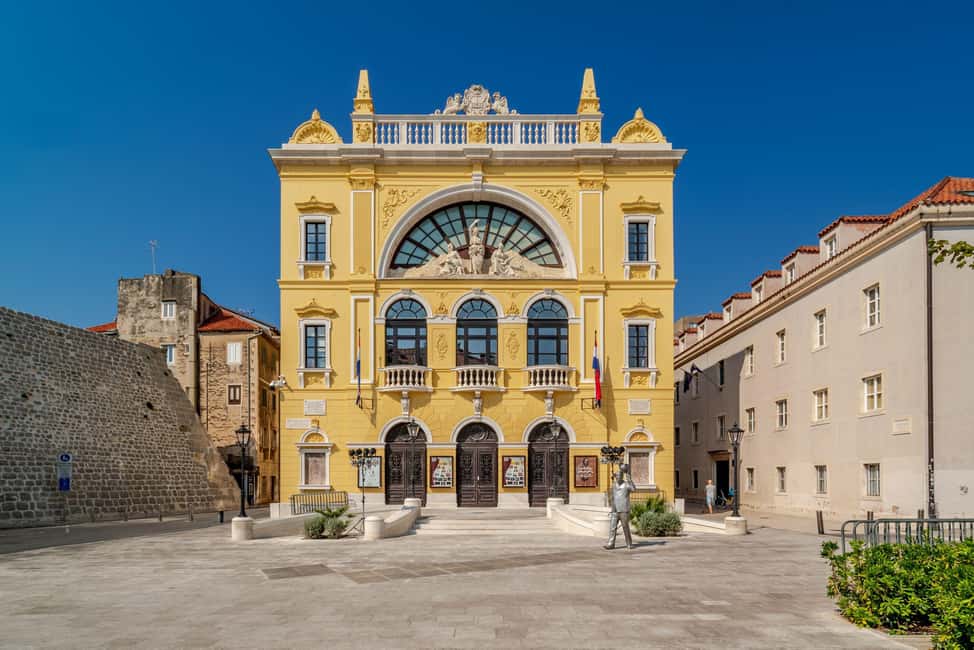
Split is one of those cities where the stones feel old because… well, they are. What makes this experience especially useful is that it treats the city like a map of memory. You’re not only walking past famous sights; you’re connecting them to a community that has lived in Split for a long time and left traces you can still find.
The tour’s structure matters. You start with orientation around the Diocletian Palace area and then you move through landmark points tied to Jewish life. Along the way, the guide helps you connect dates, buildings, and everyday human stories. The big payoff is that you come away with a mental picture of how Jewish Split fits into the wider city story—not as a side note, but as part of the same physical space.
And yes, you get sightseeing built in. You’ll see well-known stops such as the Temple of Jupiter and the statue of Grgur Ninski, which makes this tour a smart pick even if history isn’t your main reason for visiting Split. The Jewish heritage focus gives the route meaning; the landmark mix keeps it interesting.
You can also read our reviews of more walking tours in Split

Meet at South Tours and Get Oriented Fast
The experience starts at the South Tours Travel Agency. That matters because you’ll know you’re with an organized, local team from the first minute, not hunting down meeting points across a maze of streets.
You’ll have an early photo stop and a guided portion that helps you set direction. Even if you’ve already walked around Split, this kind of beginning is handy. It gives you a way to read what you’re seeing later—where things sit, what to notice, and what the guide will return to in the next stops.
Time-wise, you should plan for about 2 to 2.5 hours total walking. The description says a 2-hour walking tour, but the schedule includes a longer walk window, so treat it as an active stroll. The upside: in one sitting, you can cover several sites without spending your whole day on logistics.
Jewish Cemetery: A Quiet Stop That Changes How You Look at the City
One of the most powerful parts of this tour is the visit to the Jewish cemetery. Cemeteries are emotionally heavy places, and that’s exactly why I think a guided explanation helps. A guide can point out what to look for and how to interpret the space in a respectful way.
For you, the value is perspective. When you understand what a cemetery represents—and how it anchors a community in a place—you stop treating nearby streets as just scenery. Even if you’re not a “cemetery person,” this stop tends to be a turning point because it connects the city’s present to its long timeline.
What to do: bring your quiet. Keep your pace respectful, and give yourself a moment before you start moving again. If you’re the type who likes to absorb details, this is where you’ll want a few extra seconds—just don’t slow the group too much.
The Synagogue and Community Stories in Split
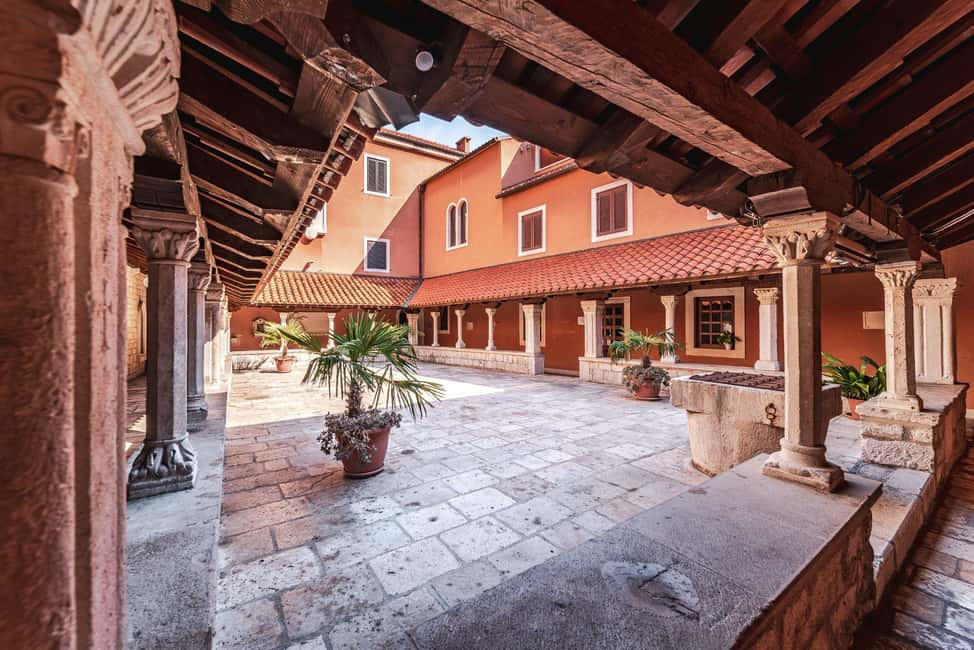
Next comes the city synagogue. This is the kind of site where your understanding improves quickly once you have a local guide framing what you’re seeing. The tour is designed around the idea that Jewish heritage in Split isn’t just about architecture—it’s also about people, traditions, and continuity.
The tour description also promises a key element: you’ll speak with local Jewish people and hear about culture and experiences in Split. That’s not a generic “history lecture.” It’s the sort of conversation that helps you understand what things feel like now, not only what happened long ago.
Why this matters: it’s easy to visit religious sites as objects. This tour aims to make them human. You’ll likely walk away thinking about how identity persists—through community life, shared practices, and the way a city carries multiple histories at once.
Practical note: plan for modest clothing because the tour explicitly asks for attire appropriate for religious spaces. If you arrive underdressed, it can end up being an awkward speed-bump. Fix it before you set out.
Diocletian Palace Areas: Where Many Layers Share the Same Streets
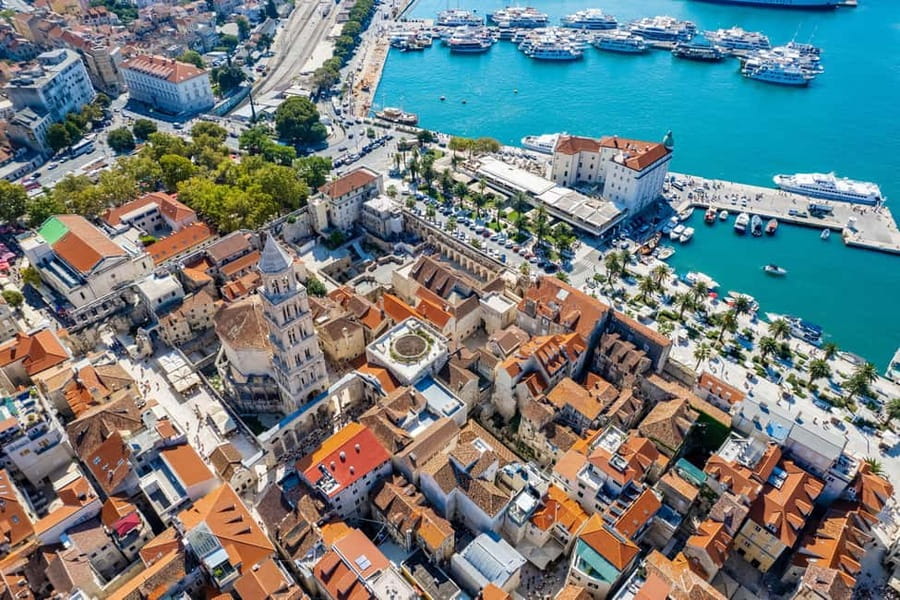
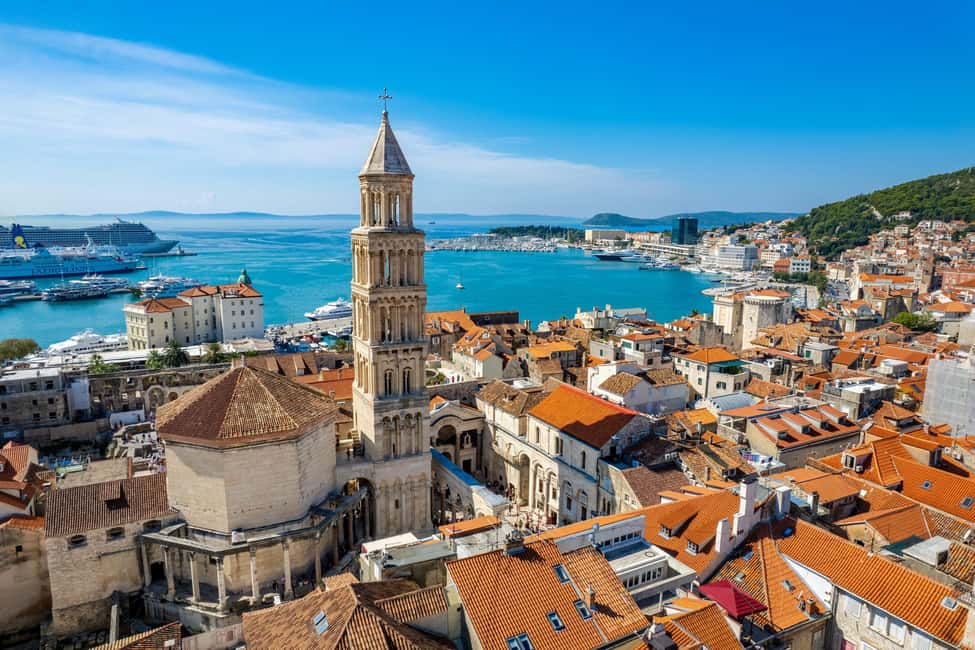
The walking route centers on the Diocletian Palace area, which is a major reason the tour is such good value. Split’s famous architecture can feel like a sightseeing checklist until someone helps you connect the dots. Here, the guide uses the palace complex and nearby landmarks as a stage for understanding the Jewish story in Split.
You’ll be moving through spaces where you can visually “read” the city’s timeline. The palace setting works like a physical outline. It keeps the route coherent, so you’re not just hopping between unrelated points.
Even though the tour has a Jewish focus, the palace area helps you see the broader pattern: different communities and faith traditions sharing the same urban fabric over time. That’s how you get the bigger takeaway. You don’t leave with only names and dates; you leave with a sense of geography—where things are, what they relate to, and why they’re close.
You can also read our reviews of more historical tours in Split

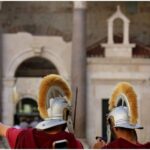
Temple of Jupiter: A Landmark With a Different Story to Tell
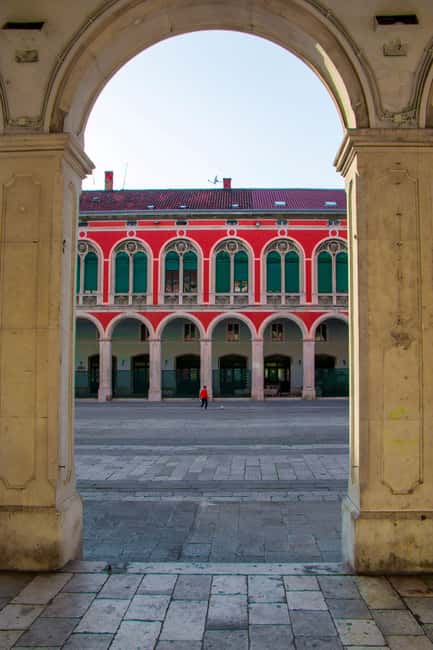
You’ll also visit the Temple of Jupiter. This stop functions as more than a photo moment. It’s part of the tour’s method: pairing Jewish heritage locations with other famous Split landmarks so you can compare how faith and public life were expressed across time.
For you, that contrast helps you avoid the “single-topic tunnel vision” that can happen on niche tours. You start seeing the city as layered. You learn to notice how important buildings can be repurposed, remembered, or reinterpreted as communities change.
How to use this stop: think of it as a contrast point. Instead of only reading the structure, pay attention to how the guide connects it to what you saw earlier. That linkage is what turns it into learning, not just sightseeing.
Grgur Ninski Statue: Short Stop, Big Context

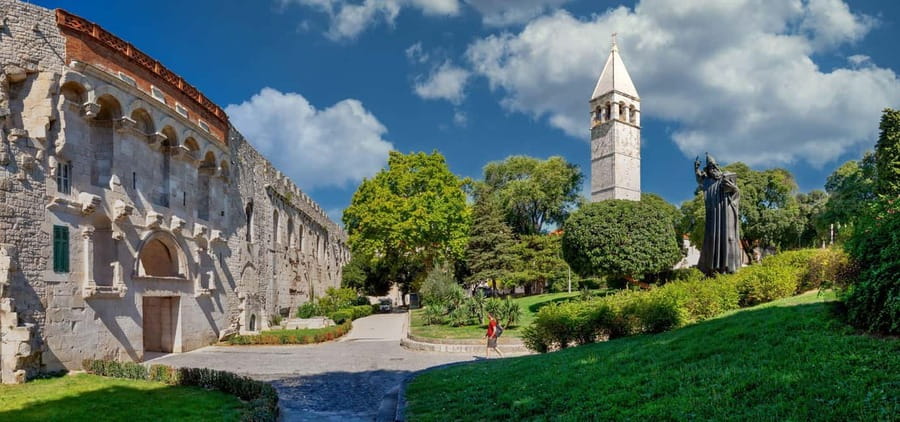
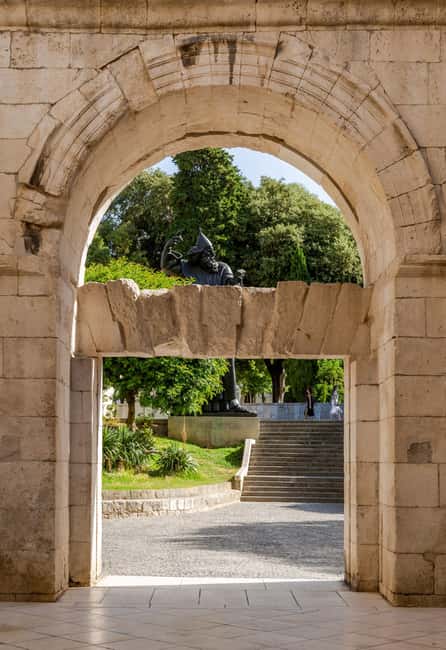
The statue of Grgur Ninski is another landmark on the route. It’s quick to reach and easy to photograph, but the tour doesn’t treat it as filler. This stop helps keep the city’s “who we are” story in view while you’re also learning about Jewish Split.
Why I like including stops like this: they anchor the tour in the real Split experience. You get a stronger sense of place because you’re mixing heritage learning with the icons you’ll see in most Split conversations. Then the Jewish heritage stops give those icons extra meaning.
If you enjoy walking tours because of the way they connect history to streets, you’ll appreciate how the route balances the big-name sights with community-specific details.
Getting Your Money’s Worth: Price, Group Size, and What’s Included
The price is $176 per person for a 2-hour walking tour. That’s not a bargain-bin price. But it doesn’t feel overpriced if you value: (1) an English-speaking local guide, (2) a small group, and (3) interpretation across multiple major landmarks.
Here’s the value logic I’d use as a traveler:
- You’re paying for guided context, not just access. The tour pairs Jewish heritage sites with major landmarks, and it includes conversation with local Jewish people.
- A small group capped at 8 participants keeps the guide able to slow down when questions come up.
- In two hours, you can cover several stops—Jewish cemetery, synagogue, palace area, Temple of Jupiter, and Grgur Ninski—without having to plan a self-guided route.
What’s not included is food and beverage, so you’ll want to handle your own water and snacks if you’re prone to getting hungry. Since it’s a walking tour, plan a time window that doesn’t leave you rushing to find food afterward.
Also, the tour includes free cancellation up to 24 hours in advance and offers a reserve-now, pay-later approach. If your Split schedule might shift, that flexibility is genuinely useful.
What to Wear, What to Bring, and How to Enjoy the Walk
This tour gives one key “know before you go” instruction: wear modest clothing appropriate for religious spaces. That’s easy to overlook on a walking tour, but it’s central here. If you respect the request, you’ll have a smoother experience at the synagogue and any other religious-area moments.
Bring the usual walking-tour kit:
- Comfortable shoes you can trust on old stone streets
- A light layer if the weather shifts
- A water bottle, since you won’t have food provided
Timing helps too. If you book this for a time when you’re already tired, the walking can feel longer than it is. If you book it early in your Split visit, you’re more likely to carry the guide’s map in your head while exploring on your own later.
Who This Tour Suits Best
I think this tour is a strong match if you:
- Want more than generic landmark photos and you like context tied to real places
- Are curious about Jewish heritage in Split and how it fits within the wider city story
- Prefer a small-group experience where questions are welcome
- Like walking tours that stay focused but still cover multiple famous sites
It’s also a good choice for first-timers who want a “orientation plus meaning” outing. The route hits major landmarks in a guided way, but the Jewish heritage focus keeps it from feeling like a standard highlights tour.
You might skip it if you:
- Dislike walking tours or want mostly indoor stops
- Are looking for a tour that’s purely historical with no community interaction
- Are uncomfortable with the modest-dress expectation
Should You Book This Split Jewish Heritage & Diocletian’s Palace Tour?
If you’re heading to Split and you want a guided walk that connects landmarks to people, I’d recommend booking it. The combination of Jewish heritage stops (cemetery, synagogue), major Split icons (Temple of Jupiter, Grgur Ninski), and the chance to speak with local Jewish people gives you something more human than a typical sightseeing loop.
The price is meaningful, but the format supports it: 2 hours, English guide, and a small group capped at 8. If that fits your travel style, this tour offers a practical way to understand Split on a deeper level without spending a full day planning.
If modest clothing and walking are no problem for you, this is exactly the kind of tour that can make your next stroll through Split feel smarter.
FAQ
How long is the Split Jewish Heritage & Diocletian’s Palace walking tour?
The tour is listed as a 2-hour walking tour.
Where does the tour start?
The starting location is South Tours Travel Agency.
Is the tour guided in English?
Yes. The tour includes an English-speaking local guide.
How big is the group?
The group is small, limited to 8 participants.
What’s included in the price?
Included items are an English-speaking local guide and the 2-hour walking tour.
Is food and beverage included?
No. Food and beverage are not included.
What should I wear?
The tour asks for modest clothing appropriate for religious spaces.