REVIEW · SPLIT
Split: Local History and Culture 90-Minute Walking Tour
Book on GetYourGuide →Operated by Vegolas Tours · Bookable on GetYourGuide
If you like your travel history with real street-level details, this Split walking tour hits the sweet spot. You start just above the Golden Gates at Strossmayerova Fountain, then work your way through the Diocletian Palace complex that dates back about 1700 years and is part of UNESCO heritage. Two things I really love here are the way the guide connects Roman structures to everyday Mediterranean life, and the small-group feel that makes questions easy.
The only real consideration: it is 90 minutes of walking in open air, so bring what you need for sun and heat, and wear shoes you can stand in.
In This Review
- Key highlights worth putting on your radar
- Strossmayer Park Meeting Point Above Golden Gates
- 90 Minutes in Split: the pace that keeps it fun
- Entering Diocletian’s Palace: 1700 years you can walk through
- UNESCO World Heritage: what to notice on the walk
- Game of Thrones Stops in Split’s Old Lanes
- Croatian Culture in Plain Sight: how your local guide explains Split
- Tips That Actually Help: restaurants, coffee, and smart money moves
- Who This Tour Is Best For (and who might want something else)
- Price and Value: what $17 buys you in Split
- Should You Book This Split Walking Tour?
- FAQ
- How long is the Split Local History and Culture walking tour?
- Where do we meet for the tour?
- Is the tour offered in English?
- How much does the tour cost?
- What is included in the ticket price?
- Is food or drinks included?
- What should I bring with me?
Key highlights worth putting on your radar
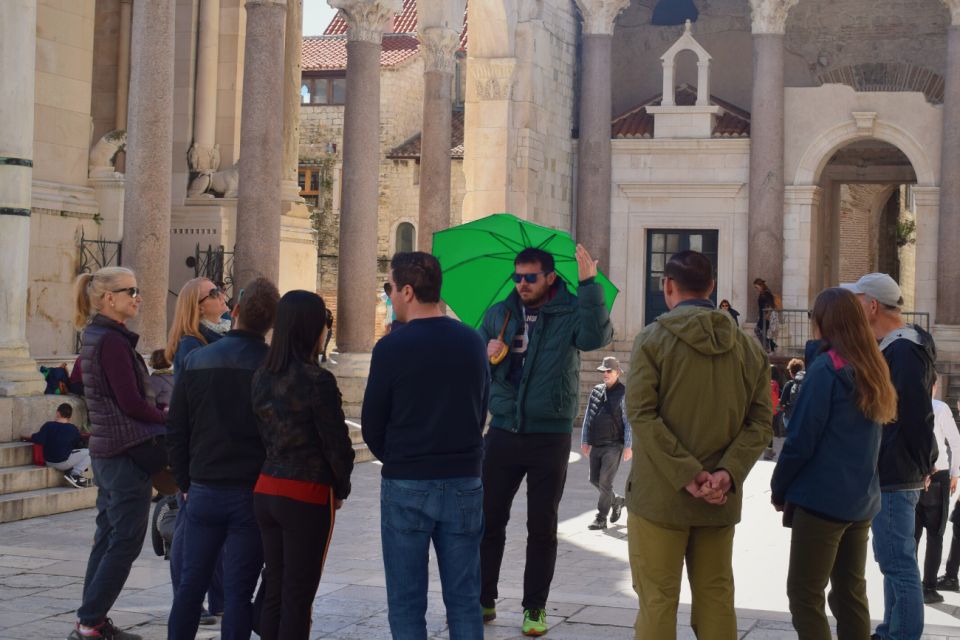
- UNESCO heritage focus inside Diocletian’s Palace so you understand what you’re actually seeing
- Game of Thrones locations woven into the route through the old-town lanes
- A local licensed guide (English) who explains the why, not just the what
- Small group experience that often feels more personal than big-group tours
- Practical after-tour help, including restaurant and money-saving recommendations from the guide
Strossmayer Park Meeting Point Above Golden Gates
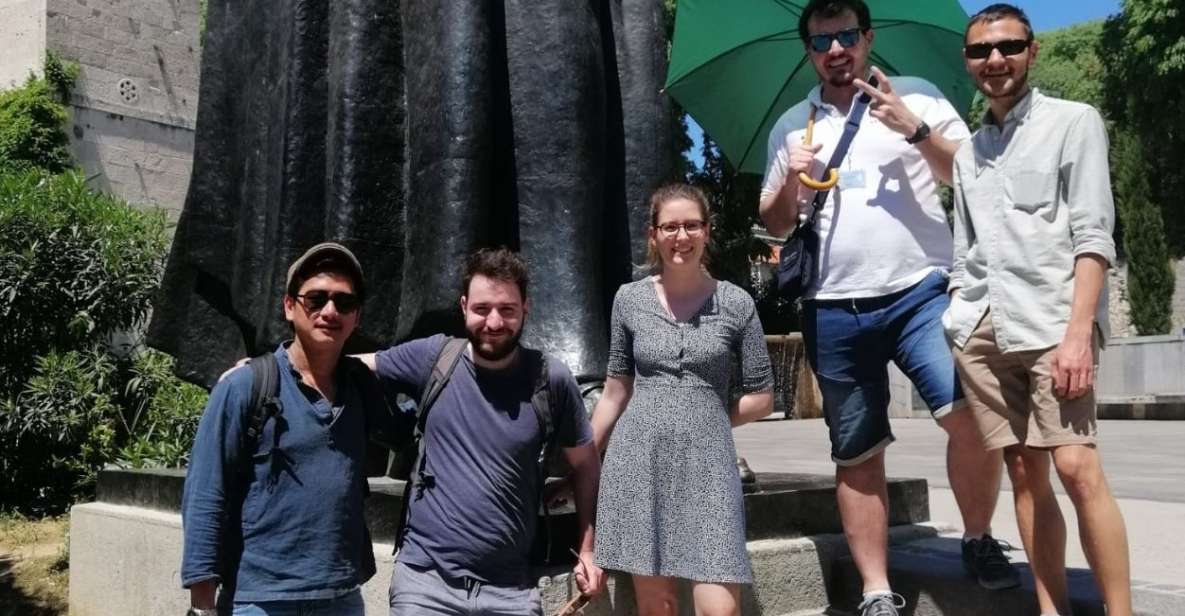
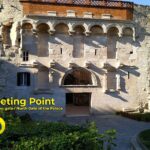
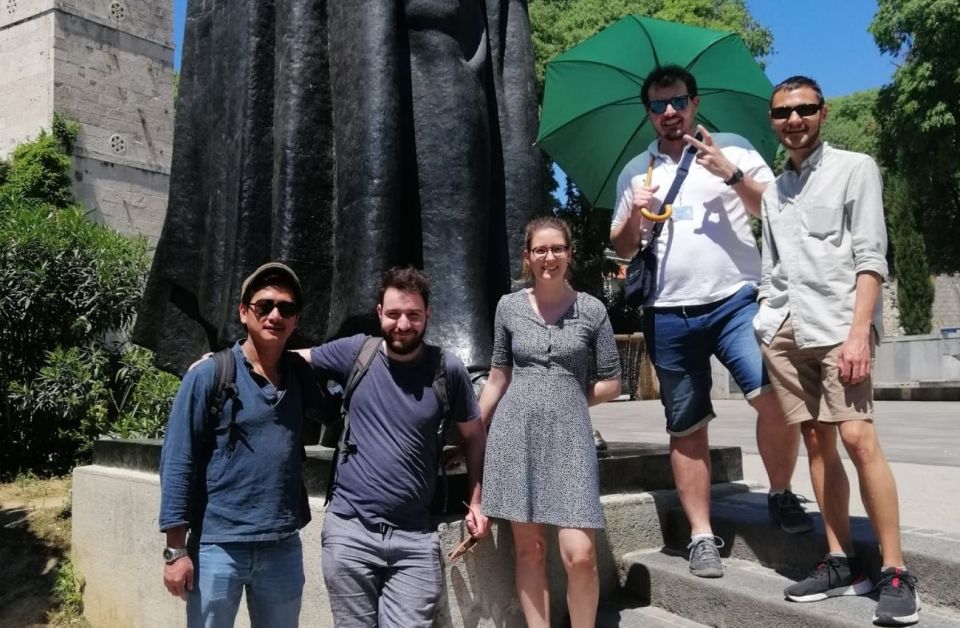
The tour begins at Strossmayerova Fountain, inside Strossmayer Park (Đardin), just above the Golden Gates. When you’re near Golden Gates, look for the huge Gregory of Nin statue—meet near the fountain in the park area just above him.
This matters more than it sounds. Starting here gives you a clean “wayfinding” moment early in your Split day. Instead of wandering through the old town blind, you get an orientation point within the first few minutes, and that makes everything you see after feel less random.
Also, the meeting spot is on the edge of where the city opens up into the palace/old-town world. It is a smart handoff from modern Split to the historical core, without you needing transportation or a complex schedule.
You can also read our reviews of more walking tours in Split

90 Minutes in Split: the pace that keeps it fun
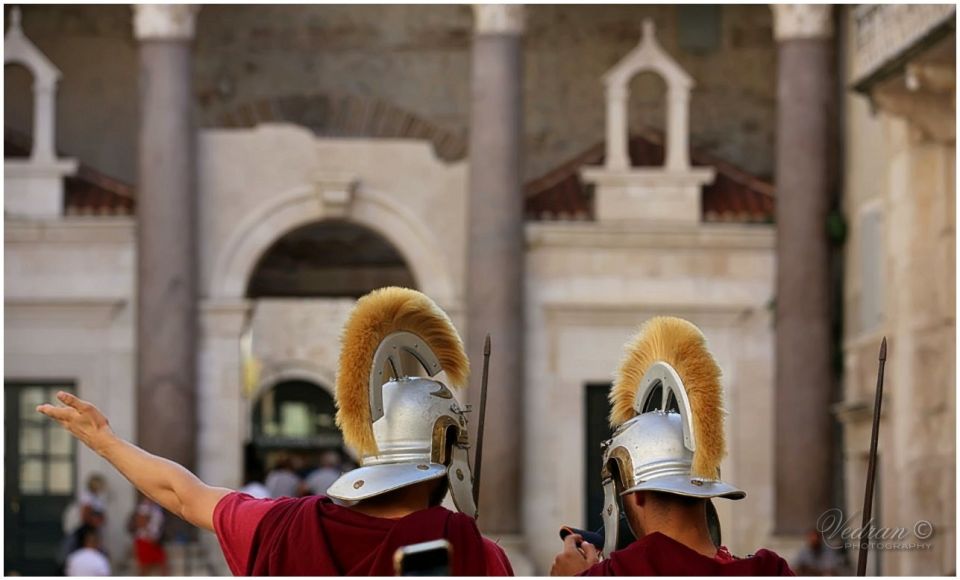
Ninety minutes is a tight window, but it is also a good one. You get the inner-city highlights without turning your day into a full-on walking mission, which is handy when you still want time for beaches, gelato, or a longer food stop later.
Because the tour is short, your guide spends the time on the big themes: Roman power, how the palace shaped city life, and how Split culture works now. It also helps that the experience runs with a live English guide and is built for easy question time—people in the group can actually talk, not just listen.
One practical thing: since it’s a walk, pack the basics they suggest—water, sunglasses, a hat, and comfortable clothes. You’ll feel better, and you’ll enjoy the stops more instead of scanning the route for shade.
Entering Diocletian’s Palace: 1700 years you can walk through

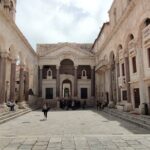
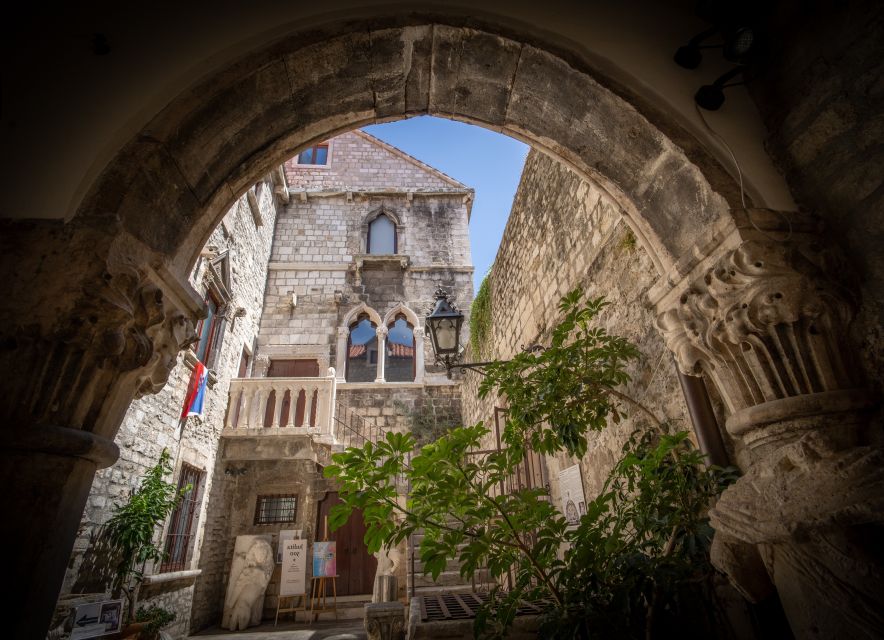
Diocletian’s Palace is the anchor of this whole tour, and it’s easy to see why. This is one of the most striking Roman-era spaces you can still move through on foot, which turns “ancient ruins” into something more tangible—like you’re reading history right off the walls.
The guide doesn’t just point at stone. You learn how the palace was built as an incredibly luxurious retirement setting for a Roman emperor, and how that imperial project became a living part of Split’s fabric over time. When you understand that the palace was designed with power and comfort in mind, the layout makes more sense. Doors, passageways, and the way spaces connect stop feeling accidental.
You’ll also spend time covering the UNESCO aspect of the site heritage. That helps you frame Diocletian’s Palace not as a single attraction, but as a protected historical area with significance that goes beyond photos. You learn what to notice as you walk so the place feels less like a backdrop and more like a story.
UNESCO World Heritage: what to notice on the walk
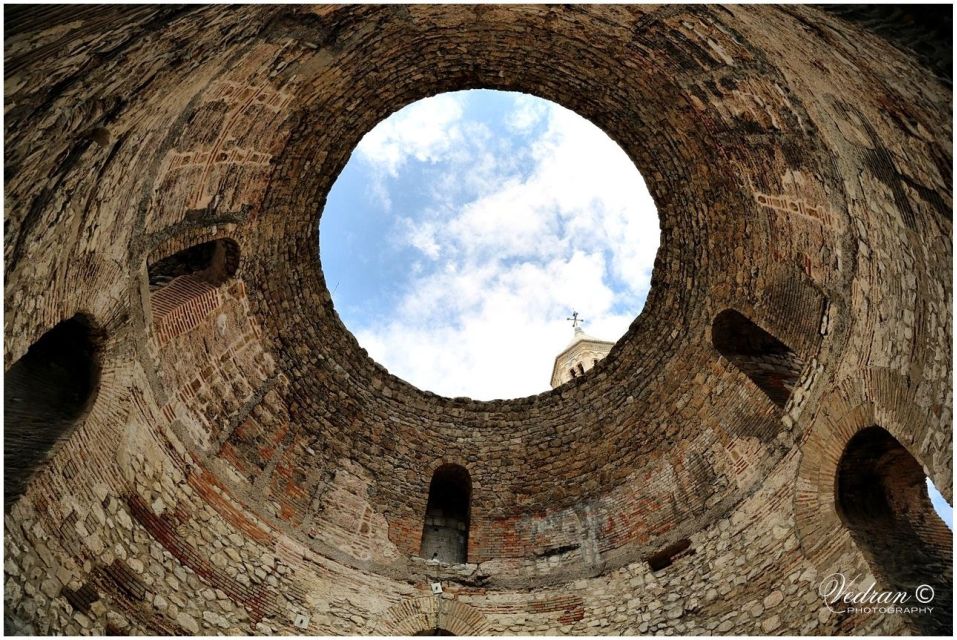
UNESCO status can sound abstract, so this tour makes it practical. You walk the part of Split that sits within the UNESCO world site heritage, and your guide gives you the “what to look for” lens that turns the buildings into evidence.
Here’s the value: UNESCO often means there’s a reason a site is preserved, but you need context to spot it. This tour gives you that context in real time—so you know what the major elements represent and why they’re worth paying attention to even if you only have a short stay.
The guide also balances history with local culture. That blend matters in Split, where the past is not far away. It is around you—on street corners, in the palace edges, and in the way the city still functions as a place people live in, not just a museum you pass through.
If you want a fast way to learn how Split’s Roman core connects to modern life, the UNESCO framing is the tool that makes it click.
Game of Thrones Stops in Split’s Old Lanes
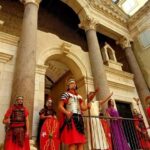
Yes, there are Game of Thrones locations tied into this route. The fun here is how it’s handled: the tour uses pop-culture points as a gateway, not the whole purpose.
You get those recognizable moments while still staying grounded in the real setting—stone streets, palace geometry, and the long timeline that makes these spots so photogenic. Instead of treating it like a scavenger hunt, your guide ties the filming locations back to the city’s layout and history, which makes the experience feel earned, not random.
Even if you are not a hard-core fan, this part works because it keeps your attention high during the walk. Short tours live or die on engagement, and using the show as a bridge makes it easier to follow the story your guide is telling.
You can also read our reviews of more historical tours in Split

Croatian Culture in Plain Sight: how your local guide explains Split
This tour is billed as local history and culture, and the difference shows up in the guide’s storytelling style. You’re not just hearing dates—you’re learning how Split thinks about its own past and how locals move through the city now.
You also get that “meeting culture” perspective. It’s the kind of cultural info that helps you understand what you’re seeing when you step into cafés, small shops, and public spaces. And because the guide is working in real time on the route, those explanations land while the setting is still in front of you.
One detail I found especially practical from past guests: Mijo is described as friendly, funny, and willing to adapt to the group. People report that he asks questions back, answers everything they throw at him, and keeps the experience comfortable—like considering shade on hotter outings. If you value conversation over lecture style, that matters a lot.
Also, this is a walking tour, so the best cultural moments are often the small ones: how a place feels, where people linger, and which streets make sense to slow down on. A good local guide helps you notice those things instead of rushing past them.
Tips That Actually Help: restaurants, coffee, and smart money moves
A walking tour is only half the job. The other half is what you do right after.
This experience includes recommendations and tips from your guide, and many guests say they received a written follow-up list quickly afterward. That list reportedly includes where to eat, coffee spots, and additional ideas for what to do next in Split—plus money-saving tips and even discount codes at some venues.
In a place like Split, where there are plenty of trendy-looking options, these kinds of local suggestions can save you time and avoid the tourist-trap shuffle. If you only have a day or two, having the guide’s short list helps you pick faster and spend your energy on experiences that feel more local.
Another practical bonus: some guests noted that Mijo takes photos for the group during the walk at key points, which is a nice touch when you are traveling without a second person to shoot your pictures. That small service can make a big difference in how many usable photos you end up with.
Who This Tour Is Best For (and who might want something else)
This tour fits best if you want:
- a high-impact orientation to Split’s historic core,
- a clear explanation of Diocletian’s Palace and why it matters,
- and a route that mixes Roman history with modern-day culture cues.
It’s also a solid pick if you travel with kids or teens who like stories. One family described how the guide tailored the experience and kept a history-loving child engaged without making it feel like a classroom.
Because it is only 90 minutes, it is less ideal if you want a slow, in-depth museum-style pacing where you linger for long periods at each point. And if you’re the type who gets restless on guided walks, you may prefer something longer with built-in breaks.
One more small note: it can attract attention near popular landmarks like Golden Gates. Some guests mentioned other people trying to join along, but a good guide manages the group so your experience stays focused.
Price and Value: what $17 buys you in Split
At $17 per person for 90 minutes, the value is strong—mainly because of what’s included. You get a licensed professional guide, exploration of UNESCO world site heritage, top highlights of the inner city, and on-the-ground recommendations for how to spend the rest of your time.
What makes it feel like a good deal is the mix:
- You’re paying for interpretation (the why and how), not just entry-level sightseeing.
- You’re paying for a route that covers “big” sites without swallowing your entire morning or afternoon.
- And you’re walking away with practical next-step ideas, which can easily save you more than the cost of the tour in time and poor choices.
In Split, you’ll find plenty of tours and plenty of free roaming options. This one works because it adds clarity fast. You end the walk knowing how to connect the palace area to the city around it.
Should You Book This Split Walking Tour?
Book it if you want the easiest way to understand Split’s Roman backbone and still have time left for the rest of your trip. This is a smart “first or second day” type of tour because it gives you orientation, context, and local suggestions that help you plan the next hours.
Skip it if you hate walking tours, you want lots of food included, or you prefer a self-paced plan with no guide explanation. Also, if you are only looking for Game of Thrones lore with no interest in the real place behind it, you may find the history portion more central than you expected.
If you want a compact, guide-led route through Diocletian’s Palace, UNESCO context, and a few pop-culture waypoints—this is the kind of $17 decision that pays back immediately.
FAQ
How long is the Split Local History and Culture walking tour?
The tour lasts 90 minutes.
Where do we meet for the tour?
You meet at Strossmayerova Fountain inside Strossmayer Park (Đardin), just above Golden Gates. It’s near the Gregory of Nin statue.
Is the tour offered in English?
Yes, it’s a live tour guide in English.
How much does the tour cost?
It costs $17 per person.
What is included in the ticket price?
The price includes a licensed professional guide, exploration of UNESCO world site heritage, top highlights of the inner city, local culture perspective, and recommendations and tips from the guide.
Is food or drinks included?
No. Food and drinks are not included.
What should I bring with me?
Bring sunglasses, a hat, water, and comfortable clothes.