REVIEW · SPLIT
Split: Food Tasting Walking Tour
Book on GetYourGuide →Operated by www.splitwalkingtour.com · Bookable on GetYourGuide
Food in ancient walls beats museum time. This Split walking food tour weaves local stories through the working spaces of the city: markets, bakeries, and classic shops inside the world-famous Diocletian’s Palace. I love the way the tastings are tied to what you can actually see and buy right there, so the history feels practical, not like a lecture in a quiet room.
I also like the focus on local routines, especially the way you learn to eat salted anchovies in the marenda rhythm and how Soparnik earns its UNESCO nod. One thing to consider: you’ll be on your feet a lot, in and around busy market areas, and the tour is not set up for wheelchair users—wear shoes you trust.
In This Review
- Key things you’ll notice right away
- Golden/North Gate start: getting your bearings fast
- Inside Diocletian’s Palace: history you can taste
- Green Market Pazar: arancini, sugared almonds, and the Split morning
- Soparnik with local wine: a UNESCO-backed greens moment
- Prosciutto and the medieval street walk: learning what’s worth tasting twice
- Chocolate shop stop: the Guinness record and the serious sweetness
- The oldest-bakery style finish: rafiol cake and a local dessert rhythm
- Peškarija fish market: salted anchovies and marenda brunch
- The local bar and restaurant tastings: how the last bites land
- Price and value: why $51 can make sense in Split
- Best for: who this tour is perfect for
- What to bring (so the two hours feel easy)
- Should you book this Split Food Tasting Walking Tour?
- FAQ
- How long is the Split Food Tasting Walking Tour?
- Where does the tour start and how do I find it?
- What’s included in the price?
- Is the tour offered in English?
- Is this tour wheelchair accessible?
- Are minors allowed?
- Can I cancel and get a refund?
Key things you’ll notice right away
- Green Market start with a sweet-and-savory morning: arancini and sugared almonds in sugar
- Soparnik with context: greens in a dish protected by UNESCO
- Fish market education at Peškarija: how to eat salted anchovies the local way
- Chocolate stop with a Guinness-record claim: the biggest bar in the world
- Many short tastings, not one long meal: quick bites across Split’s oldest food stops
Golden/North Gate start: getting your bearings fast
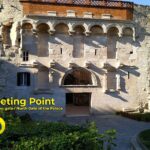
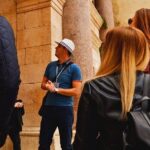
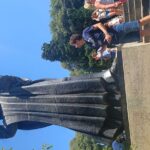
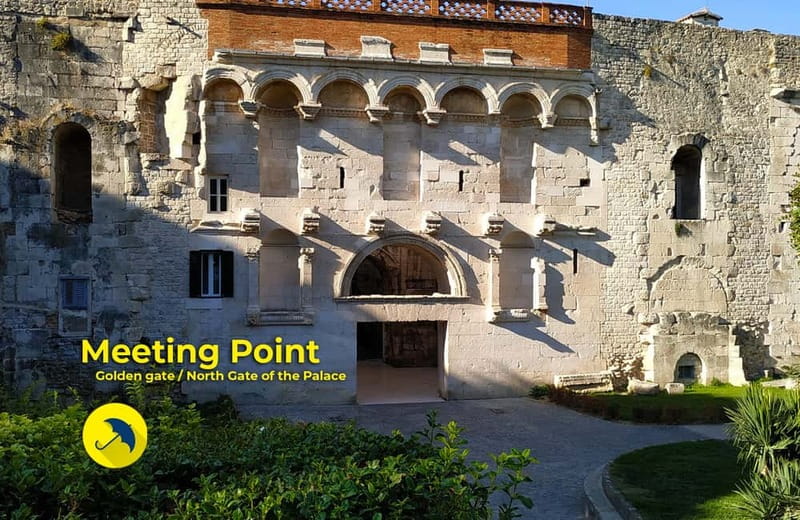
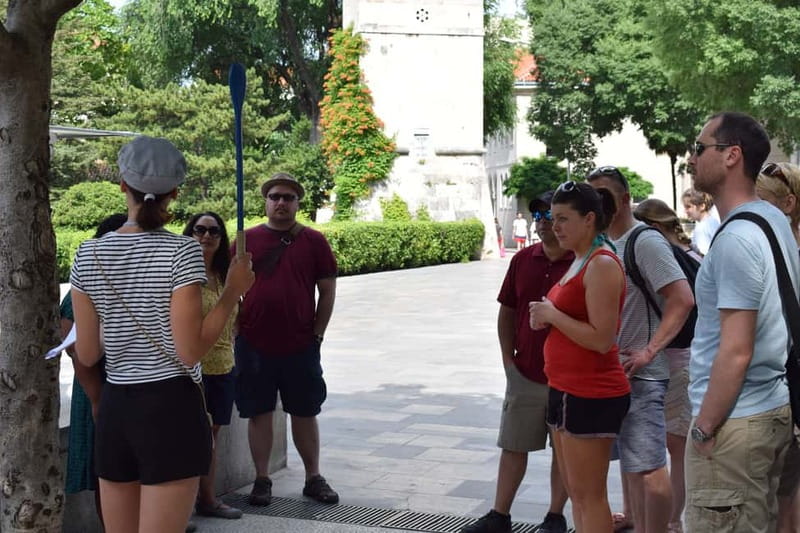
Your tour starts at Golden/North Gate, near the statue of Gregory of Nin, and you’ll find your guide under a blue umbrella. This is smart, because Split’s old core can feel like a maze at first. Starting at a major gate gives you a clean orientation point before you start weaving through the palace corridors and medieval streets.
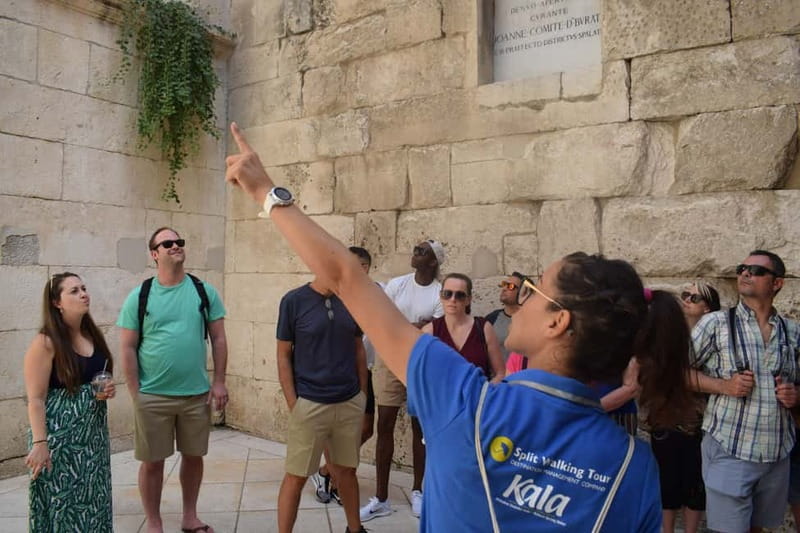
The walking style is easy to follow: you’ll stop, taste, and then move on while the guide fills in the story behind what you’re tasting. Guides I’ve seen praised for this tour (including Marta, Jakov, Slavko, Ina, and Antonia) tend to keep things lively—part history, part food talk, part practical advice on what to look for later when you’re on your own.
Because the tour is only about two hours, the route is designed to be compact. That also means you should come hungry and ready to stand in short bursts, especially at the markets.
You can also read our reviews of more walking tours in Split
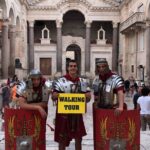
Inside Diocletian’s Palace: history you can taste
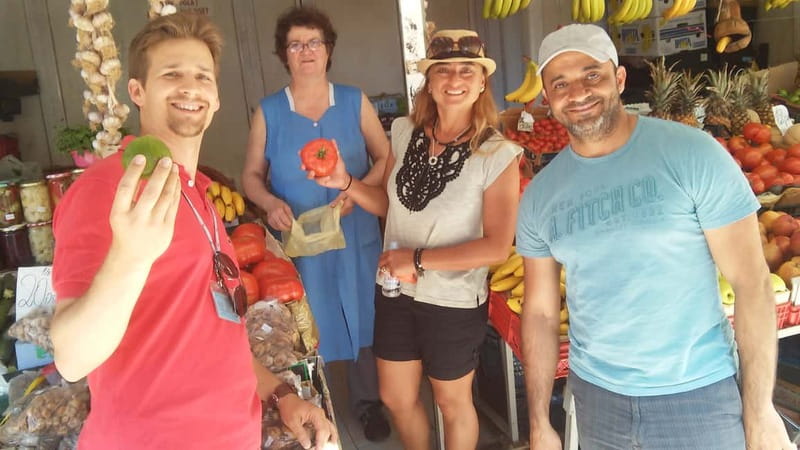
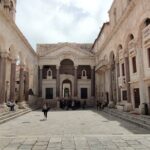
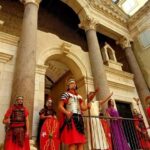
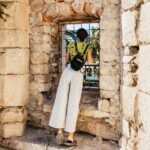
You’re not just walking near history—you’re walking inside the 1700-year-old Diocletian’s Palace area, using it as the backdrop for the food stops. The guide’s job is to connect the city’s long timeline to the plates in front of you: what people ate, what they still sell, and how the local “why” works.
This is one of the best ways to see Split if you want more than photos. The palace streets are full of small visual clues (craft shops, market textures, food counters), and the guide helps you read them. You’ll also get medieval Split sights along the way, so it doesn’t feel like a food-only detour.
The value here is balance. You’re getting enough history to make the meals make sense, without losing time to museum-style pacing.
Green Market Pazar: arancini, sugared almonds, and the Split morning
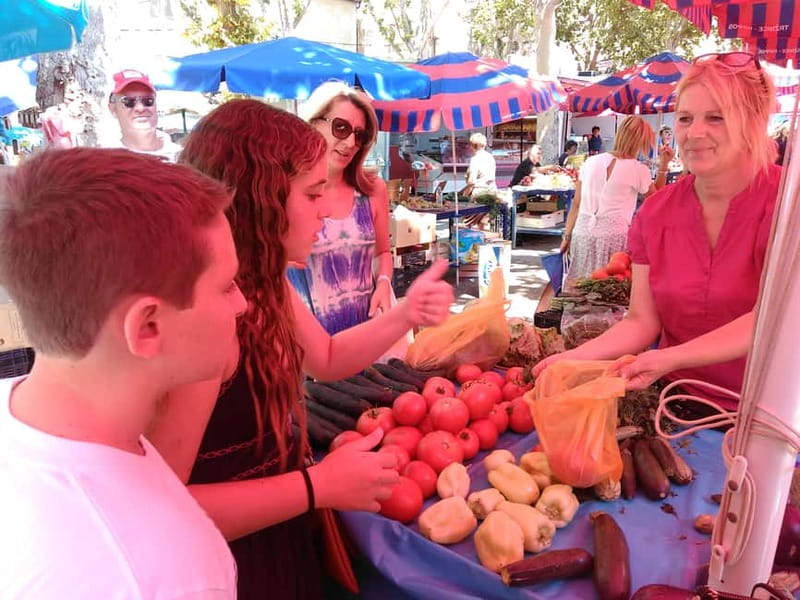
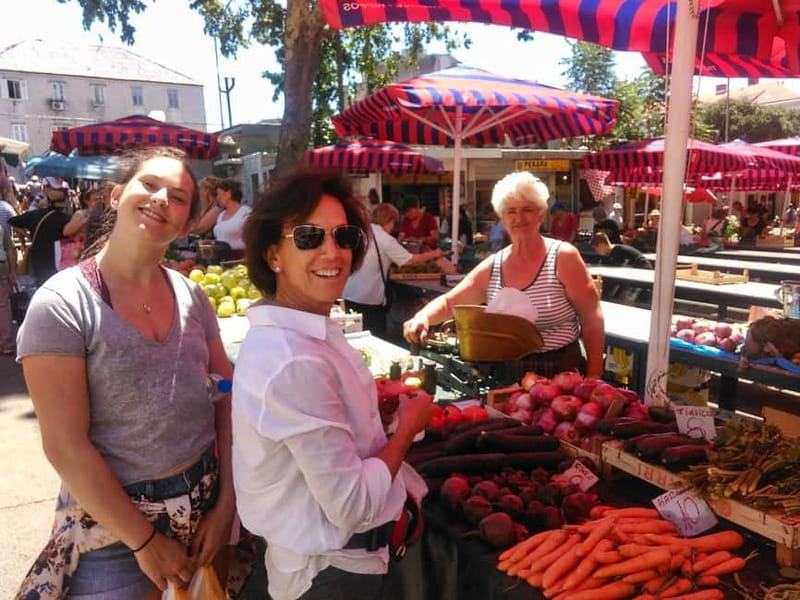
The first real food stop is the Green Market, known as the Pazar. This is where the tour sets its flavor tone early: bright, local, and made for everyday eating.
You’ll taste:
- local arancini
- almonds in sugar, the classic sweet hit to start the day
Why this works: it gives you a quick mental map of Dalmatian flavors before you hit the savory heavyweights. Sweet almonds can feel like a small detail, but it’s useful. It trains your palate for the next bites, and it also shows how the local market culture moves between snack and meal.
In the reviews, people repeatedly highlight how guides made these tastings feel like a guided tour rather than random sampling. If you’ve ever had a food tour where you leave with crumbs and no context, this one is built to reduce that risk.
Soparnik with local wine: a UNESCO-backed greens moment
After the market, the tour moves into another signature stop: Soparnik. This is a unique dish protected by UNESCO, and the guide explains what makes it special in Split-style cooking.
You’ll also have a glass of local wine as part of the experience (the route description includes it). That said, if wine matters to you for your specific departure, it’s worth asking what’s included when you book, since tastings can vary by stop and day.
Soparnik is one of those foods that sounds simple until someone tells you what to look for: the texture, the shape, the way greens become comfort food. The guide’s storytelling makes the dish feel like a living tradition rather than a museum item.
If you’re a history-and-food person, this is where the tour’s “why” really locks in.
Prosciutto and the medieval street walk: learning what’s worth tasting twice
Between bigger market stops, the tour keeps you moving through the palace and medieval lanes, with more tastings along the way. One highlight in the described flow is a prosciutto tasting—your guide connects it to what locals expect from cured meats, not just that it tastes good.
This part matters because it teaches you how to spot quality. You’ll learn the local logic for what makes a particular bite feel right. Then when you’re back on your own later, you’ll know what to prioritize at shops and stalls.
The tour also aims to surface the quieter “in-between” places that visitors often miss: smaller counters, specialty shops, and the kind of street-level food stops that don’t scream souvenir stand. Even if you think you’re already good at wandering, a guide shortens the time it takes to find the right things.
You can also read our reviews of more food & drink experiences in Split
Chocolate shop stop: the Guinness record and the serious sweetness
Next comes the chocolate shop, famous for having a Guinness-record large chocolate bar claim. You’ll stop in for a tasting, and it’s the kind of stop that breaks up the salty flow of market food nicely.
Why this stop is more than a gimmick: chocolate tastings in a place like Split work as a palate reset. After fish and cured flavors, you get a different texture and sweetness level that makes the next bite easier to enjoy.
If you have a sweet tooth, this is one of the parts you’ll remember. If you don’t, it still helps you balance the tour. Either way, it gives you a clear reference point for what to buy later if you want something edible to bring home.
The oldest-bakery style finish: rafiol cake and a local dessert rhythm
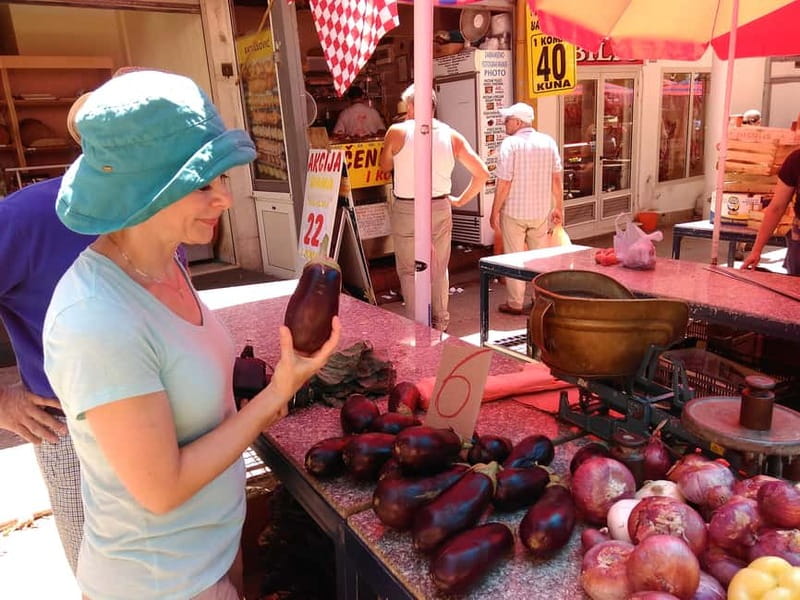
The tour continues to an older bakery stop to try rafiol cake, a local favorite. This is the kind of food that doesn’t travel well as an idea—you want to taste it to understand the “why” behind its staying power.
This final stretch before the markets and fish stops shifts the mood: you’re getting more grounded, everyday Split flavors. It’s not fancy in a restaurant sense; it’s classic in a lived-in sense.
If you’re the type who likes desserts but hates over-sweet tourist traps, the guide’s context helps you focus on what matters: texture, flavor balance, and what the locals actually reach for.
Peškarija fish market: salted anchovies and marenda brunch
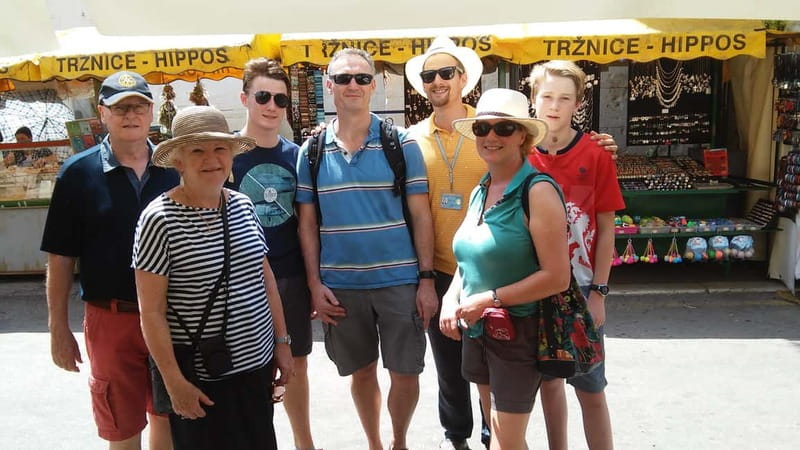
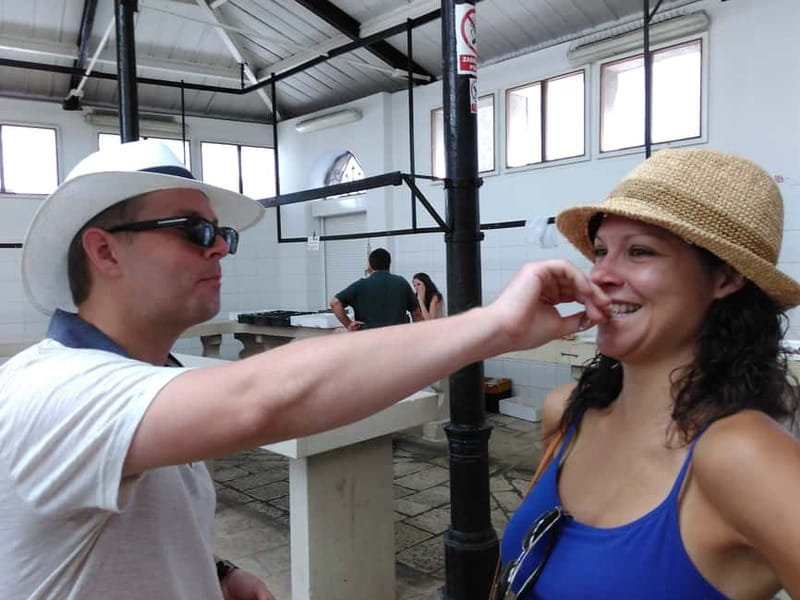
Now you hit the stop that food lovers talk about with real energy: Split Fishmarket called Peškarija. It’s described as the second oldest in Europe, with original benches more than 120 years old. That alone makes it worth going, because you’re seeing market life on older physical footing.
The guide also teaches you how to eat salted anchovies—tied to the traditional marenda, which is Dalmatian brunch. This is where the tour earns its “food culture” label. You’re not just tasting fish; you’re learning how locals handle it as part of a daily rhythm.
Practical value: if you’ve ever wandered a fish market and felt lost about what’s good and how to eat it, this lesson removes the guesswork. You’ll understand what to ask for, how to portion mentally, and what to pair the experience with later.
This stop is also a great photo moment, but the real win is the food education. The guide’s job is to help you taste like an insider rather than an observer.
The local bar and restaurant tastings: how the last bites land
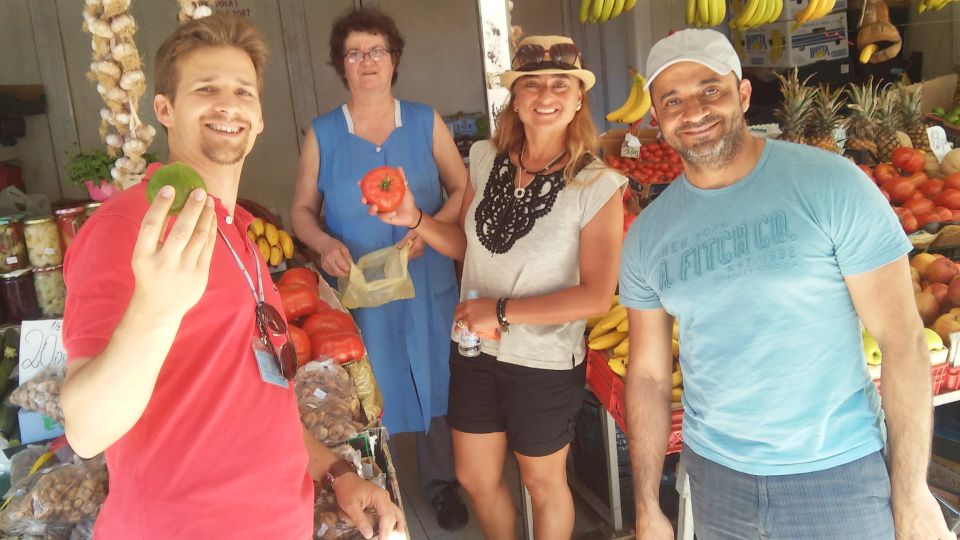
After Peškarija, the itinerary includes a local bar tasting and then a final stop at a local restaurant, each around a short tasting window. The exact dishes aren’t listed here, so treat this part as a guided “finish strong” sequence rather than a guaranteed menu prediction.
What you can expect is the pacing: after markets, you’ll get a calmer, more seated rhythm where the guide helps you make sense of what you’re eating and where it fits into Dalmatian food culture.
This final phase often feels like a reward. You’ve done the walking, learned the patterns, and now you’re tasting without the same level of market pressure.
Price and value: why $51 can make sense in Split
At $51 per person for about two hours, this tour isn’t a bargain snack crawl. It’s priced as a guided, multi-stop experience that includes:
- a live guide
- multiple food tastings
- traditional recipes provided by the tour
Where the value comes from is the number of distinct stops inside a tight time window: Green Market, bakery, chocolate shop, fish market, plus additional bar and restaurant tastings. For Split, that’s efficient. You’re paying for someone to organize the route and translate what you’re seeing into something you can use.
Also, the guides on this tour are consistently praised for energy and humor. Names like Marta and Jakov show up often, and the common thread is clarity plus personality—so you’re not just buying bites, you’re buying understanding.
One note for your expectations: you may want to ask if wine is confirmed for your departure, since one review pointed out missing local wine. The tour description includes wine, but if it’s a must for you, clarifying in advance is the smart move.
Best for: who this tour is perfect for
This tour fits best if you want:
- a walkable way to cover Split’s old core
- a guided taste of Dalmatian staples like cured meats, greens-based Soparnik, market fish, and local desserts
- practical lessons you can reuse while shopping and eating on your own
It’s also ideal early in your trip. Many people said they wished they’d done it at the start, because the guide’s recommendations made follow-up meals easier to plan.
You’ll likely enjoy it even more if you’re not afraid of standing near busy stalls for short tastings. If you need full accessibility accommodations, note that it’s not accessible for wheelchair users.
What to bring (so the two hours feel easy)
Bring:
- comfortable shoes
- sunglasses
- a sun hat
Even if the tasting parts feel relaxed, the market time is outdoors and the streets can be uneven. Good shoes turn the experience from “fine” into “actually enjoyable.”
Should you book this Split Food Tasting Walking Tour?
Yes, if you want a well-paced food-and-history walk that actually teaches you how to taste what Split is known for. I’d book it if you’re short on time, want to hit major food stops like the Green Market and Peškarija, and like tours where the guide connects dishes to local life.
I’d think twice if you dislike standing/walking for a couple hours or if accessibility is a priority for you. In that case, you’ll want a different format that matches your needs.
FAQ
How long is the Split Food Tasting Walking Tour?
It runs for about 2 hours.
Where does the tour start and how do I find it?
Meet at the Golden/North Gate near the statue of Gregory of Nin. Look for the guide under a blue umbrella.
What’s included in the price?
The tour includes a guide, food tastings, and traditional recipes.
Is the tour offered in English?
Yes, the live tour guide language is English.
Is this tour wheelchair accessible?
No, the tour is not accessible for wheelchair users.
Are minors allowed?
Children must be accompanied by an adult, and unaccompanied minors are not allowed.
Can I cancel and get a refund?
Yes. There is free cancellation up to 24 hours in advance for a full refund.