REVIEW · SPLIT
Split: Private Walking Tour in the Historical Town Center
Book on GetYourGuide →Operated by Sanja - Tour Guide in Split · Bookable on GetYourGuide
One of the fastest ways to understand Split. This private walking tour helps you get your bearings fast while walking the real heart of town, from the Diocletian’s Palace complex to the waterfront finish. I especially liked how Sanja ties the stones you see to the stories of who lived here and why.
My other favorite part was the layered feel of Split. You move from Roman-era space into a small medieval neighborhood, then out to major squares like Fruit Square and Prokurative, with the local politics behind each era explained in plain language. You also get a thoughtful look at the small former Jewish ghetto, including a synagogue that is still active, which gives the tour more depth than the usual sightseeing circuit.
A quick consideration: the visit to the Substructures (basement level) has an entrance fee, so your total trip cost may be a little higher than the tour price alone. And it’s not set up for wheelchair users, since this is a walking-focused route.
In This Review
- Key things that make this Split walking tour work
- Start on Riva: where the walk makes sense
- Diocletian’s Palace: the Roman fortress that became a town
- What you’ll like here
- A potential drawback
- Substructures visit: the underground that changes the whole story
- Peristil: where you feel the palace’s central “breathing space”
- St. Domnius’s Cathedral: more than a stop, a landmark anchor
- Jupiter’s Temple and Baptistery (external): quick, but meaningful
- Golden Gate and people-sized perspective on power
- People’s Square, Fruit Square, and Prokurative: the city after the palace
- End at the Riva promenade: use the finish to plan your next hours
- What this tour is really good value for (and when it isn’t)
- Where the cost might surprise you
- When you might choose something else
- Language and guide style: a smooth experience from the first sentence
- Who should book this private Split walking tour
- Should you book it?
- FAQ
- Where do we meet for the tour?
- How long is the private walking tour?
- Is the Substructures (basements) entrance included?
- What languages are offered?
- Is this tour wheelchair accessible?
- What’s the cancellation and payment option?
Key things that make this Split walking tour work
- Private group format means less waiting and easier conversation with Sanja
- Diocletian’s Palace focus covers the oldest core plus the medieval layers inside
- Substructures stop adds the underground perspective that most quick visits miss
- Iconic landmarks in sequence: Peristil, St. Domnius, Jupiter’s Temple, and major gates
- Suits your first full day well because you leave knowing what to revisit later
- Language options include English, Italian, French, and Spanish for smoother explanations
Start on Riva: where the walk makes sense
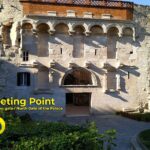
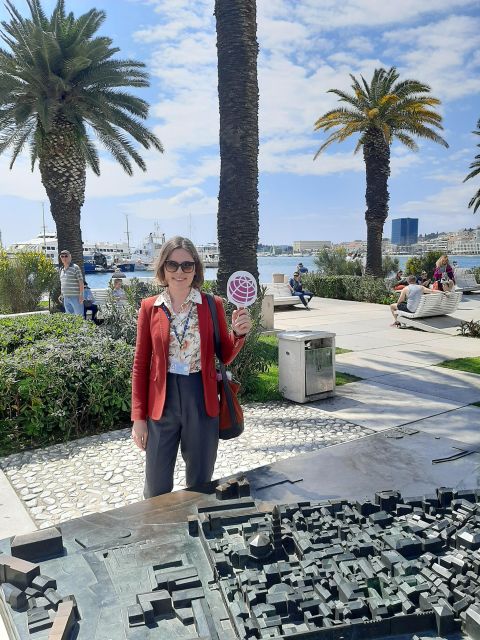
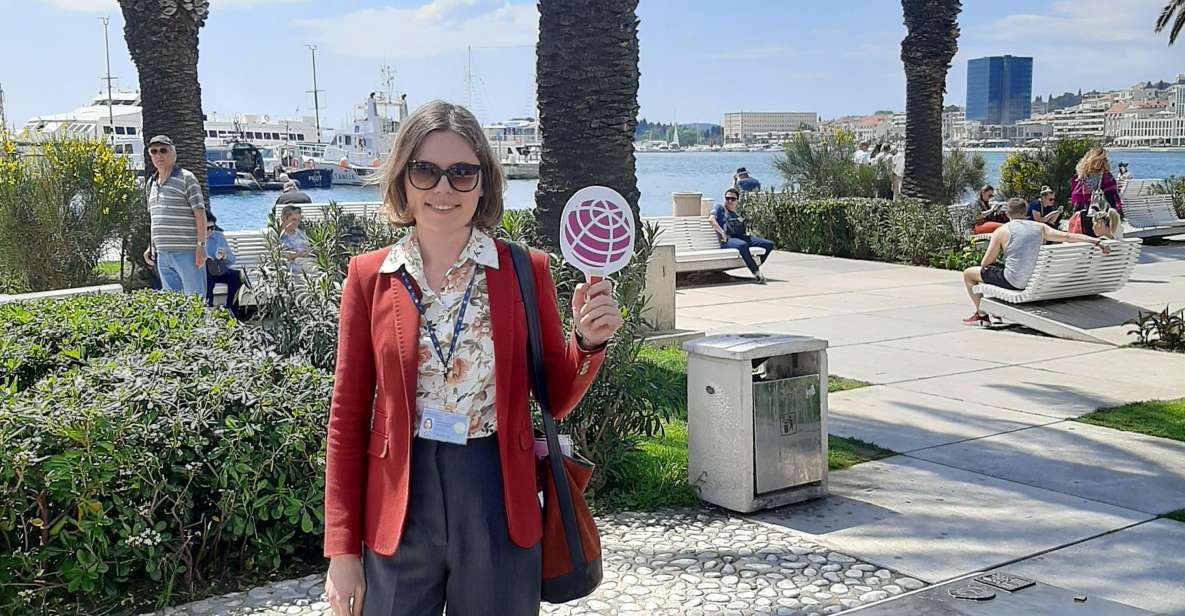
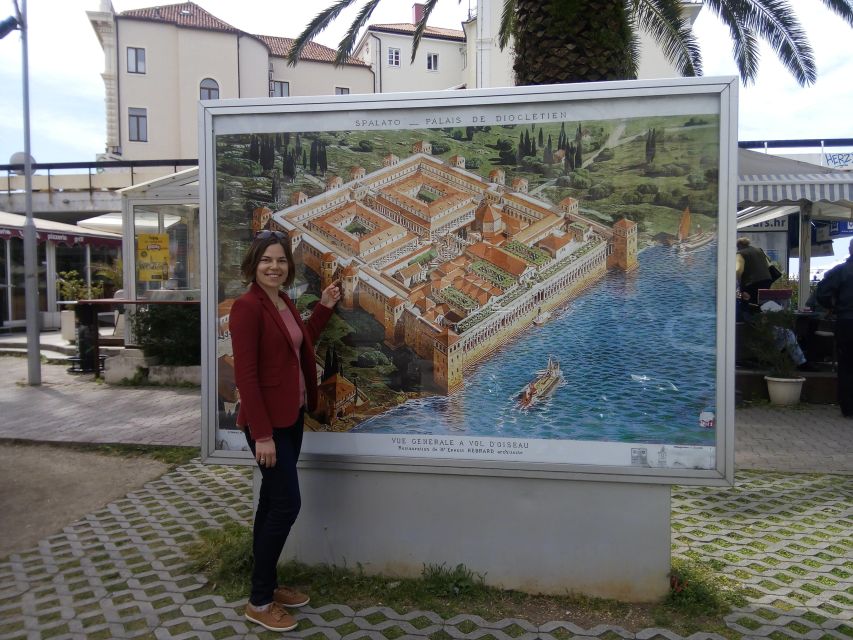
You meet on the Riva promenade by the sea, at the bronze model of the historical core. It’s in front of the south entrance to Diocletian’s Palace, which is a smart setup: you begin at the exact spot where Split’s old city “starts behaving” in a way you can feel while walking.
In practice, that meeting point helps you in two ways. First, you aren’t wandering around trying to orient yourself right away. Second, once you step off from the waterfront, the tour naturally becomes a guided path through the tight streets and major points of interest.
The tour runs about 1 hour 45 minutes, so the pace is built for seeing a lot without turning into a sprint. You’ll be walking through palace passages, squares, and narrow lanes—comfortable for most people—while still getting time at each landmark to understand what you’re looking at.
You can also read our reviews of more walking tours in Split

Diocletian’s Palace: the Roman fortress that became a town
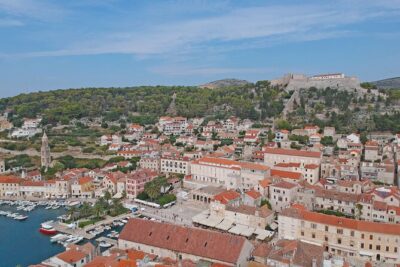
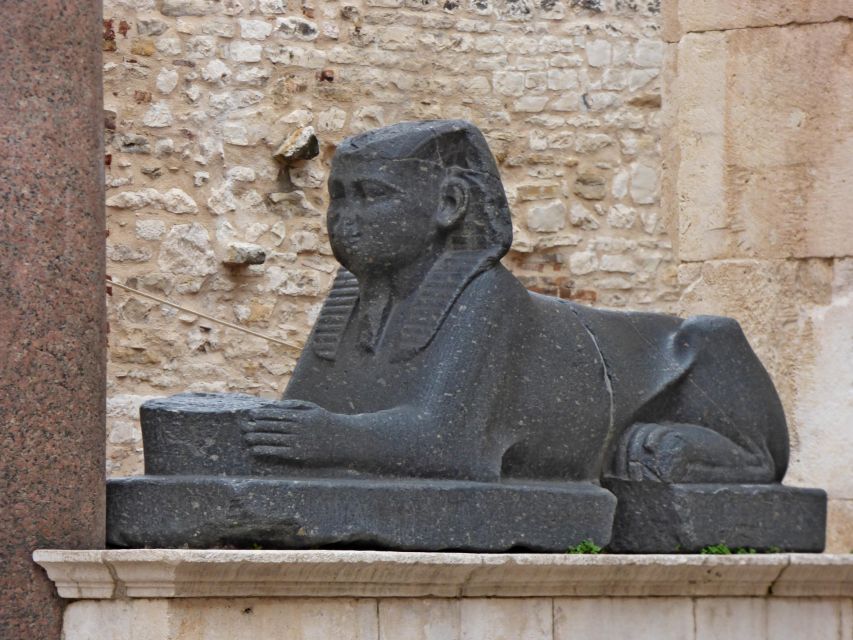
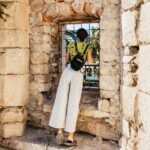
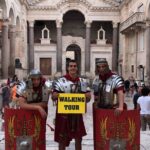
The main event starts in Diocletian’s Palace, the 4th-century complex that forms the oldest part of Split. What makes it so fascinating is that it isn’t a museum in the usual sense. It’s more like a real-world neighborhood built over Roman bones.
Inside the palace, you’ll see a small medieval area that grew up within the palace walls. This mix of architectural styles can look chaotic at first glance—until your guide gives you the “how it happened” framework. That’s where tours like this pay off: you stop thinking of Split as one era and start seeing it as a set of layers.
As you walk, you’ll also be pointed to the palace walls and the four gates. These aren’t just decorative entryways; they explain how movement, defense, and daily life were organized. You’ll also come across the palace’s Mausoleum / St. Domnius’s Cathedral, which is one of those places where the Roman foundation and later Christian identity overlap in a very visible way.
What you’ll like here
This is a great stop if you enjoy architecture, street layout, and “why this place looks like it does.” Even if you’re not an architecture person, it helps you understand why Split feels like it does—part fortress, part lived-in town.
A potential drawback
If you expect a lot of hands-on history or long indoor segments, this section is still mostly walking and looking. The payoff is clarity, not crowds and museum galleries.
Substructures visit: the underground that changes the whole story
After the main palace walk, you’ll visit the Substructures (also called the basement level). This stop is a big reason to book early in your trip, because it gives you a second perspective on the same complex.
You should know this part has an entrance fee not included in the tour price. So if your budget is tight, plan for that add-on. If your budget is flexible, consider it worth it—going underground helps you picture how space functioned beyond the public surface.
The useful thing here is that your guide doesn’t treat it like a random ticket stop. The underground visit connects to the palace’s layout and how power and daily operations worked when the Romans built for control first.
If you’re the type of traveler who loves the behind-the-scenes version of a famous site, you’ll enjoy this moment.
You can also read our reviews of more private tours in Split





Peristil: where you feel the palace’s central “breathing space”
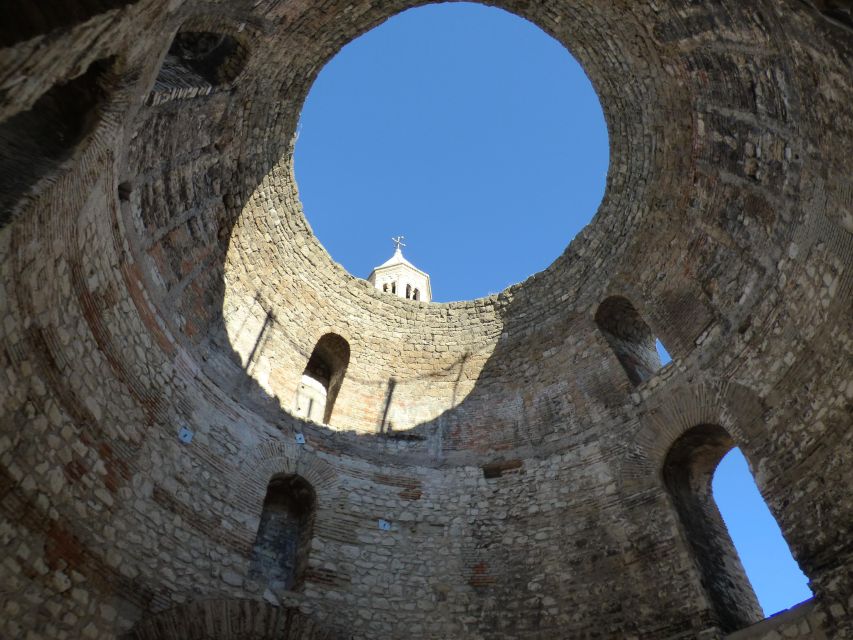
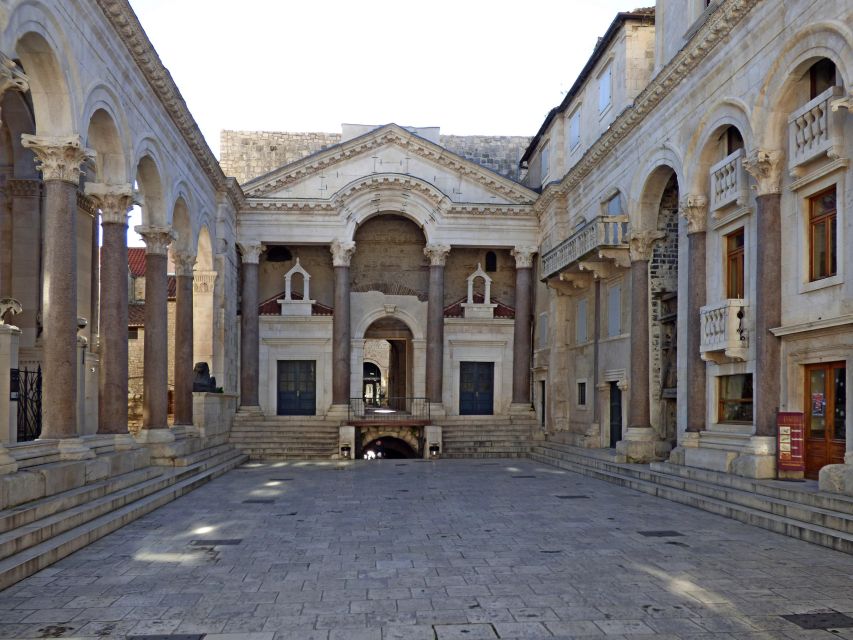
Next comes Peristil, the palace’s main square. It’s only a short segment in the overall timeline (about 10 minutes), but it’s timed perfectly. You’ve already been in corridors and smaller spaces; now you get a view into the palace’s central layout.
Peristil helps you understand the palace as a system. You see how an open square interacts with surrounding building lines, and how that changes your sense of where you are inside a fortress-town.
Even short stops like this are useful on a first visit, because you leave with a mental map. Later, when you wander, you can match landmarks in your head instead of relying on your phone.
St. Domnius’s Cathedral: more than a stop, a landmark anchor
You’ll visit the Cathedral of Saint Domnius for guided time and sightseeing (about 10 minutes), with a pass-by at the end. This is the kind of place that helps you anchor your mental geography of Split. If you’re thinking about what to do after the tour, this cathedral is one of the reference points you’ll likely return to.
What makes it stand out is how clearly it sits within the larger palace story. It isn’t presented as a stand-alone “pretty building.” Instead, it becomes part of the evolution of the site—Roman beginnings to Christian identity, visible in the way the complex is arranged and used.
Jupiter’s Temple and Baptistery (external): quick, but meaningful
Then you’ll see Jupiter’s Temple / Baptistery, and it’s an external visit with no entrance fee. About 10 minutes here is enough for the main idea: you get the visual recognition and the explanation of what it used to be, and how later use reshaped the meaning.
These external stops can feel like filler on some tours. Here, the value is that the guide keeps them connected to the route you’re walking, so you don’t lose the thread.
Golden Gate and people-sized perspective on power
You’ll pass by and walk the area around Golden Gate (also about 10 minutes). Gates are an underrated way to learn a city fast. When you see them from street level, you understand scale—how entrances were designed to control who moved in and out, and how that control shaped the town’s growth.
This stop also helps you appreciate why the palace feels different from other historic quarters. You’re not just in old streets; you’re in a former controlled perimeter.
People’s Square, Fruit Square, and Prokurative: the city after the palace
The second part of the tour shifts from the palace core to the medieval neighborhood outside it. This is where Split stops feeling like a Roman ruin you walk through and starts feeling like a city built by shifting rulers and local life.
You’ll cover major squares, each with its own role. You’ll learn about the socio-political lifestyle under Venetian, French, Austro-Hungarian, and Yugoslavian rule—which is useful because it explains why the city’s look and feel changes as you move across blocks.
Here’s what you can expect in this section:
- People’s Square (about 15 minutes) gives you a larger civic frame—less “defense” and more “public life.”
- Fruit Square (about 10 minutes) shows the everyday side of the city’s economy and movement.
- Prokurative comes as part of that same square sequence, helping you connect the architectural style to periods of rule and local administration.
If you like travel that includes politics without getting stuck in textbooks, this section is a win. You’ll come away with a clearer sense of why Split looks layered, not simply old.
End at the Riva promenade: use the finish to plan your next hours
You end back at the Riva promenade by the sea. This isn’t just a convenient drop-off. It’s a practical reset: after walking in tight streets and around stone landmarks, you get open air and a view of how the old core meets the waterfront.
This last moment is perfect for a smart next move: sit for a few minutes, check your notes, and decide what to revisit on your own. The tour does a good job of helping you remember what you saw and why certain places mattered—so your independent exploring feels less like wandering and more like following a path you understand.
What this tour is really good value for (and when it isn’t)
At $153 per group up to 15 for 105 minutes, this can be a very efficient use of time—especially if you’re traveling with others who share your interest in history and architecture.
The private setup matters here. In a small group, you get questions answered in the moment. In a place like Split, where entrances, gates, and building layers can confuse you, that flexibility is real value.
Also, the tour is built around must-see landmarks, but it doesn’t feel like a rushed checklist. The biggest value-add is that you leave with context: you’ll understand how the Roman palace became a lived-in town, and how later eras shaped the public squares and city life.
Where the cost might surprise you
The only clear extra cost mentioned is the entrance fee for the Substructures. If you’re doing budget math, make space for that. Otherwise, the overall structure is straightforward: you pay for a guided walk, and you buy the underground ticket separately.
When you might choose something else
If you already know Split deeply and you don’t need a guided route, you might prefer self-guided walking with a guidebook or audio tour. But if your goal is to learn fast and orient yourself, this format is hard to beat.
Language and guide style: a smooth experience from the first sentence
The tour runs in English, Italian, French, and Spanish, and the guide is Sanja. Reviews highlight her clear explanations and especially strong French communication. That matters more than you might think. In a dense historic site, good language keeps you from missing the point of what you’re seeing.
Sanja’s approach also seems built for first-time visitors. One reviewer noted that starting your visit this way set them up to appreciate the palace area later, which is exactly what I’d look for in an early-day walking tour.
In other words: you’re not just collecting facts. You’re getting a mental model of the city.
Who should book this private Split walking tour
This is a strong match if you:
- Want to see Diocletian’s Palace and the major squares in one efficient outing
- Prefer a private guide who can answer your questions
- Enjoy understanding how past rulers and daily life left traces in the street layout
- Are visiting Split for the first time and want a route that helps you explore afterward
It’s less suitable if you:
- Need a wheelchair-friendly route (it’s not designed for wheelchair users)
- Want mostly indoor time or long museum-style visits
Should you book it?
If you want your first day in Split to feel organized and meaningful, I’d book this. The route covers the landmarks that help you understand the city’s “logic,” from Roman palace geometry to the squares shaped by later rule. The private format and Sanja’s strong communication make it easier to connect dots instead of just taking photos.
Just budget for the Substructures entrance fee, and wear shoes you trust on uneven stone. Do that, and you’ll walk away with the kind of knowledge that makes your next hours in Split feel easier and more personal.
FAQ
Where do we meet for the tour?
You meet by the bronze model of the historical core on the Riva promenade by the sea, in front of the south entrance to Diocletian’s Palace.
How long is the private walking tour?
The duration is 105 minutes.
Is the Substructures (basements) entrance included?
No. The tour includes the visit, but entrance fees to the Diocletian’s Palace Substructures are not included.
What languages are offered?
The live guide offers English, Italian, French, and Spanish.
Is this tour wheelchair accessible?
No. It is not suitable for wheelchair users.
What’s the cancellation and payment option?
You can cancel up to 24 hours in advance for a full refund, and you can reserve now & pay later.