Old Split starts making sense fast.
This is a small-group evening walk through the ancient town of Split with a licensed local guide. You’ll hear how Diocletian’s Roman legacy shaped the city, then follow Split through Venetian, French, Austro-Hungarian, Ottoman, and communist rule. Along the way, you get advice on what to see next, where to eat, and where the best photo moments tend to happen.
What I like most is the storytelling style. The guide (often named Mate) keeps the facts moving with humor, and he’s also happy to slow down for questions. I also like the practical add-ons: tips for attractions and restaurants, plus little touches like teaching a couple of Croatian words so you feel less like a spectator and more like you know what you’re looking at.
One thing to consider: the tour runs at 8:30 pm and it requires good weather, so if you hate night walking or you’re traveling during rainy spells, you may want to plan a backup day.
In This Review
- Key things you should know
- The 8:30 pm Split walk that turns facts into street-level stories
- Meet Mate: the local guide factor (and why it matters)
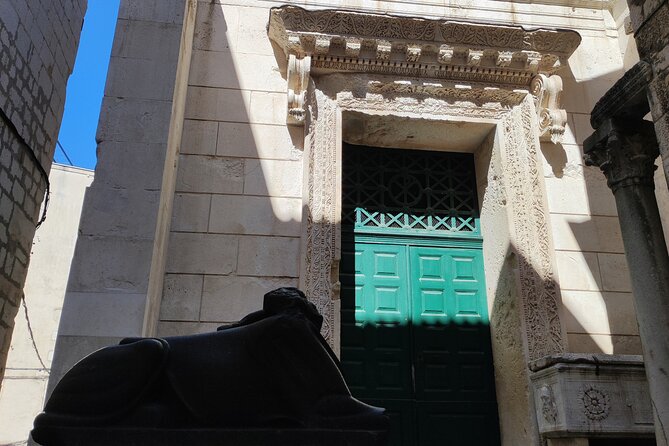
- Diocletian’s imprint: why Split started looking the way it does
- Split through changing empires: Venetian, French, Austro-Hungarian, Ottoman, and communist eras
- The food and photo advice is the secret bonus
- Optional add-ons: fees or coffee if you want to slow down
- Price and value: $36.09 for 1 hour 15 minutes with a licensed guide
- Logistics you can plan around (meeting point, walking time, mobile ticket)
- Who this tour suits best (and who should skip it)
- Should you book the Split Walking Tour with a Licensed Local Guide?
- FAQ
- How long is the Split walking tour?
- What time does the tour start?
- Where does the tour meet?
- What language is the tour in?
- What is the price per person?
- Is there an admission ticket cost?
- What happens if the weather is bad?
- How big is the group?
- Note on cancellations and refunds
Key things you should know
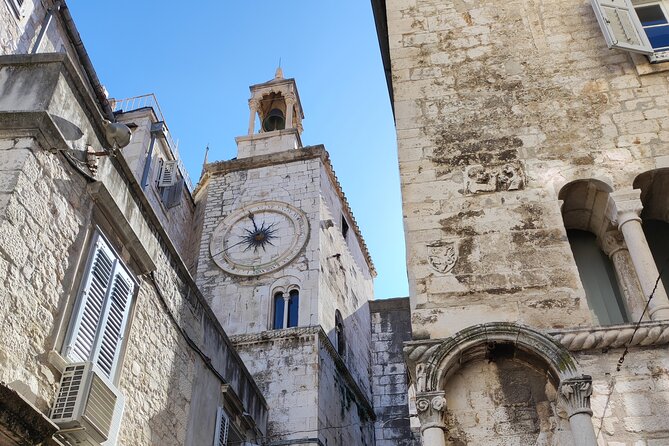
- Licensed local guide who explains Split in a story-first way, not a lecture
- Focus on Diocletian and multiple empires, from Roman to Ottoman to communist-era influences
- Evening timing at 8:30 pm, which can be a great time for photos and cooler walking
- You’ll get local tips on attractions, restaurants, and Instagrammable viewpoints
- Small group size of up to 15 travelers, which helps with questions and conversation
- Optional extra stops are possible if you want to pay for an add-on or grab a coffee
The 8:30 pm Split walk that turns facts into street-level stories
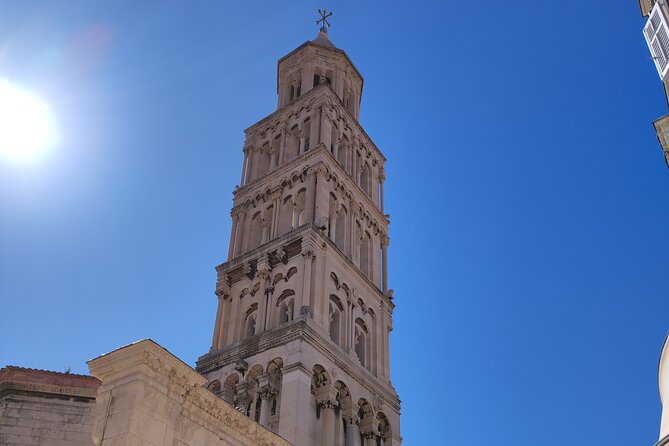
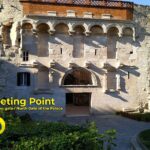
Split can feel like a mash-up at first: ancient stone, everyday life, and more layers than you can count. This tour helps you read those layers quickly. The meeting point is on Obala Hrvatskog narodnog preporoda 15, and the walk starts at 8:30 pm, then ends back at the start—so you’re not left guessing how to get back.
The timing matters. Evening light changes how stone and viewpoints look, and you’re also walking when the city’s rhythm often feels calmer. For many visitors, that makes the history easier to absorb because you’re not rushing between stops in peak heat and noise.
This is also designed to be social. With a maximum of 15 travelers, you’re less likely to get pushed along like a group in a conga line. If you like asking questions or you want help deciding where to go next, this size works well.
And while it’s a walking tour, the price is reasonable for what you get: a licensed guide, a tight 1 hour 15 minutes of explanation, and an experience that’s meant to help you explore the city afterward with better instincts.
You can also read our reviews of more walking tours in Split

Meet Mate: the local guide factor (and why it matters)
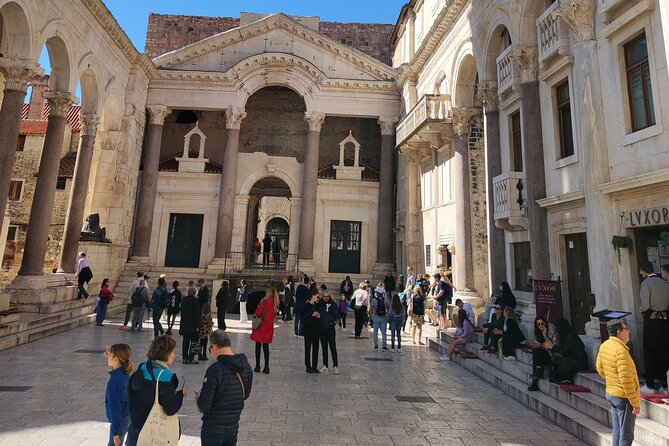
The biggest difference between an average walking tour and a great one is the guide’s voice. Here, you’re dealing with a licensed local, and the style tends to be engaging and funny. In the guidance I saw echoed again and again, Mate comes across as someone who genuinely enjoys the job—answering questions patiently and making the city feel alive rather than “presented.”
Language is also handled well. The tour is offered in English, and the pace is friendly enough that you can actually follow the story beats instead of just catching keywords.
Another practical bonus: the guide doesn’t only point at sights. He also points you toward the stuff that makes a day in Split enjoyable—where to eat, where to take photos, and what to notice as you wander on your own afterward.
If you’re the type who likes a little guidance with your independence, this is a strong setup.
Diocletian’s imprint: why Split started looking the way it does
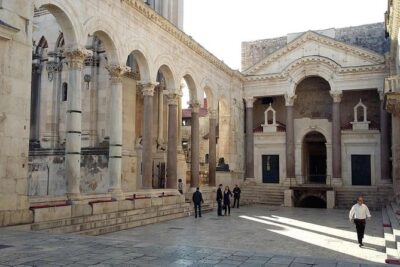
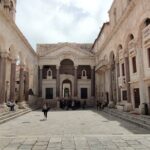
The tour’s history thread begins with Diocletian, the Roman emperor whose influence still shapes Split today. The key value here isn’t memorizing dates. It’s understanding why the city’s old structure feels the way it does—built for power, defense, and life wrapped into stone.
You’ll hear how Diocletian’s presence set up a foundation that later generations reused, adapted, and lived inside. That matters because Split isn’t just a place with old buildings. It’s a place where people built daily life on top of older bones.
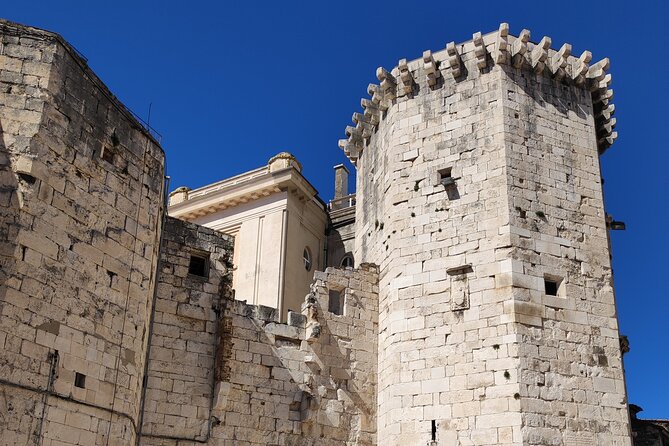
When the guide frames it this way, you stop seeing ruins as background scenery. You start noticing how different eras left different marks—different kinds of walls, different patterns of movement through streets, and different reasons certain parts of the town feel more important than others.
If you’re visiting for the first time, this “start with Diocletian” approach helps you get your bearings fast, so the rest of your time in Split is more confident and less guesswork.
Split through changing empires: Venetian, French, Austro-Hungarian, Ottoman, and communist eras
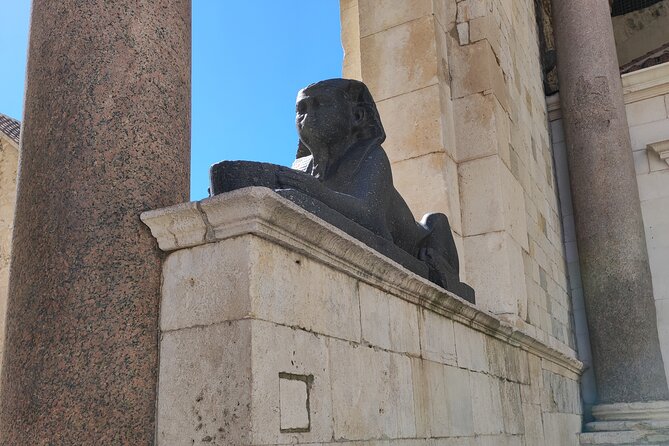
After you get the Roman anchor, the tour carries you forward through a sequence of rule that explains why Split feels layered instead of frozen in time.
You’ll hear about Venetian influence, then the French period, followed by Austro-Hungarian connections. The tour also covers Ottoman reach—important not only as a “who ruled” detail, but because it helps you understand how borders, trade, and politics shaped local life. Then there’s the more recent era: communist reign.
Here’s the takeaway: history in Split isn’t one straight timeline. It’s a stack of pressures. Each period leaves a style of governance, a style of architecture and urban habits, and even a style of cultural identity. When your guide walks you through that chain of change, the city stops feeling like random sightseeing and starts feeling like a story you can actually follow.
And the storytelling tone helps. Instead of dumping a timeline, the guide frames the changes in a way that connects to what you’ll still see while walking.
The food and photo advice is the secret bonus
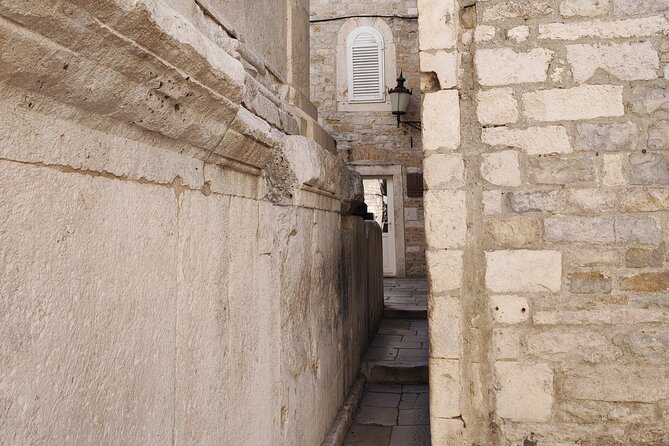
This tour earns its keep with more than history.
You’ll get advice about attractions and restaurants, plus guidance on the better photo moments—the kind of spots that look good without you having to play trial-and-error for an hour. If you care about Instagram photos but also want them to look like you were paying attention (not just snapping from the nearest corner), this is helpful.
Another detail that shows up strongly is the focus on local favorites. The guide is known for recommendations that turn into real-life plans, not just generic “try this place” suggestions. You might also end up with a sweet stop idea, because the guide often points people toward an ice cream option that’s become a tour highlight for some.
The practical value: you finish the tour with a short list of places that fit your day—not just places that fit the tour script.
You can also read our reviews of more guided tours in Split





Optional add-ons: fees or coffee if you want to slow down
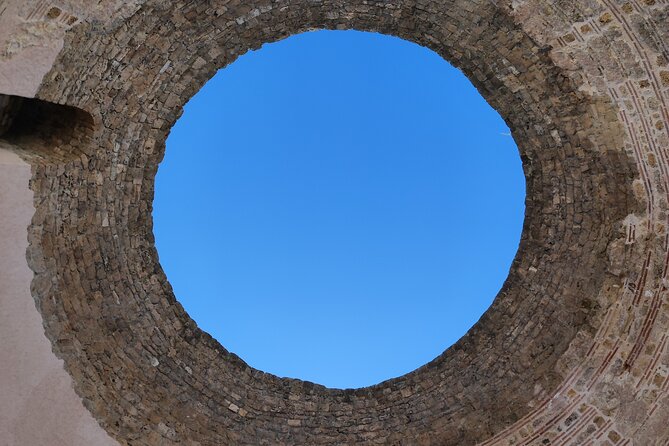
The tour is built around Split itself, but the guide may offer the chance to include other nearby locations if you’re interested. Those extra stops can involve a fee, or they can be as simple as grabbing a coffee.
This is a small but meaningful design choice. It lets you tailor your evening. If you’re in “quick highlights” mode, you can stick to the core walk. If you’re curious and you want a little more, you have a path without having to plan another full tour.
Just be ready for the fact that those optional add-ons may cost extra. If you’re on a tight budget, decide in advance how much flexibility you want.
Price and value: $36.09 for 1 hour 15 minutes with a licensed guide
At $36.09 per person, this isn’t a bargain tour, but it also isn’t priced like a premium private guide. The value comes from what’s included in the experience:
- A licensed local leading the walk
- A small group capped at 15
- History storytelling focused on how Split developed across eras
- Clear practical tips for what to do next (food and photo spots)
- A short, efficient 1 hour 15 minutes format that works for busy itineraries
Also, the tour indicates admission is free. That’s good news for your budget because you’re mostly paying for the guide and the walk, not for site entry tickets that can add up fast.
One more “value” angle: people who book tours farther ahead often do it because they’re trying to lock in a time window. This tour is typically booked well in advance, so if your dates are fixed, you’ll want to reserve early.
Logistics you can plan around (meeting point, walking time, mobile ticket)
This is straightforward to use.
You start at Obala Hrvatskog narodnog preporoda 15, Split, and you end back at the same meeting point. The tour runs for about 1 hour 15 minutes and starts at 8:30 pm.
You’ll receive a confirmation after booking, and you’ll use a mobile ticket. Service animals are allowed, and the meeting area is near public transportation, which helps if you’re moving around the city by bus or on foot.
Weather matters. The experience requires good weather, and if it’s canceled because of poor conditions, you’ll be offered a different date or a full refund. That’s not just fine print—it’s a real planning factor for an evening walk.
Who this tour suits best (and who should skip it)
This fits travelers who want more than a quick circuit of old stones.
Book it if you:
- Want a guided path through Split’s biggest historical layers
- Like a guide who tells stories with humor and keeps things understandable in English
- Want practical help picking restaurants and photo spots after the tour ends
- Prefer a small group where you can ask questions
You might choose a different option if you:
- Don’t enjoy walking at night (it starts 8:30 pm)
- Travel during unpredictable weather and don’t have flexibility for rescheduling
- Want a tour that focuses only on one single era. This one purposely moves across many reigns, so it’s more “big picture” than “one period deep.”
Should you book the Split Walking Tour with a Licensed Local Guide?
Yes, if your goal is to leave Split with context and momentum. The guide-led storytelling approach makes the city easier to read, and the added tips for attractions, restaurants, and photo moments give the tour a practical payoff.
The main reason to hesitate is the weather requirement and the evening start time. If you can’t adjust your schedule and the forecast looks rough, it’s smart to wait—or plan a backup day.
If you’re flexible and you want a compact, high-value way to understand why Split looks and feels the way it does, this tour is a solid choice.
FAQ
How long is the Split walking tour?
It lasts about 1 hour 15 minutes.
What time does the tour start?
The start time is 8:30 pm.
Where does the tour meet?
The meeting point is Obala Hrvatskog narodnog preporoda 15, 21000, Split, Croatia.
What language is the tour in?
The tour is offered in English.
What is the price per person?
The price is $36.09 per person.
Is there an admission ticket cost?
Admission is listed as free, and it’s a walking tour experience.
What happens if the weather is bad?
This experience requires good weather. If it’s canceled due to poor weather, you’ll be offered a different date or a full refund.
How big is the group?
The tour has a maximum of 15 travelers.
Note on cancellations and refunds
You can cancel for a full refund up to 24 hours before the experience starts.