REVIEW · SPLIT
Walking tour of Split old town and craft beer tasting
Book on Viator →Operated by Private Tourist Guide Croatia · Bookable on Viator
Beer and Roman ruins in one tight walk.
This two-in-one outing ties together UNESCO-listed Diocletian’s Palace and a real craft beer stop, all in about two hours. I like how the route starts along the promenade and keeps feeding you context, so the palace stops feel less like random ruins and more like a functioning city that grew around the emperor’s world.
I love the focused pacing through major palace spaces like the Peristyle and the palace substructures, where the guide explains why they’re so important. I also like that the walk ends at a microbrewery for a tasting, so you get local flavor right after local history. In the best runs, guides like Darijo make the palace details click, then keep the conversation moving.
One drawback to plan for: beers aren’t included in the $30.04 price, so you’ll pay for samples at Leopolds at the end.
In This Review
- Key things to know before you go
- Timing in Split: 6:00 pm walking makes Diocletian’s Palace feel alive
- Riva Harbor to the Palace cellars: the UNESCO story in 10 minutes
- Peristyle and the palace streets: emperor worship to everyday town
- Vestibulum acoustics, klapa singing, and the emperor’s dining room
- Golden Gate, city legends, and Gregory of Nin’s toe-touch
- Two squares and a Guinness chocolate stop
- Leopolds Craft Beer Bar tasting: budget, pace, and what to ask for
- Price, group size, and logistics you should know
- Should you book this history-and-beer tour?
- FAQ
- How long is the walking tour?
- What time does the tour start in Split?
- How big is the group?
- Is the tour in English?
- Where do I meet the guide?
- Where does the tour end?
- What’s included in the $30.04 price?
- Are beer tastings included in the price?
- Are there admission tickets required for the sights?
- What is the cancellation policy?
Key things to know before you go

- Small group (max 8) keeps questions easy and the pace comfortable in the old town.
- Most sites are ticket-free on the stops inside Diocletian’s Palace areas, with one interior option that can cost extra.
- Start at 6:00 pm, when stone, shadows, and evening crowds can feel more manageable for walking.
- Craft beer tasting is built in at a brewery that brews its own beer (you pay for drinks).
- End location is different from the start, so you’ll finish at Leopolds Craft Beer Bar for drinks and lingering.
Timing in Split: 6:00 pm walking makes Diocletian’s Palace feel alive
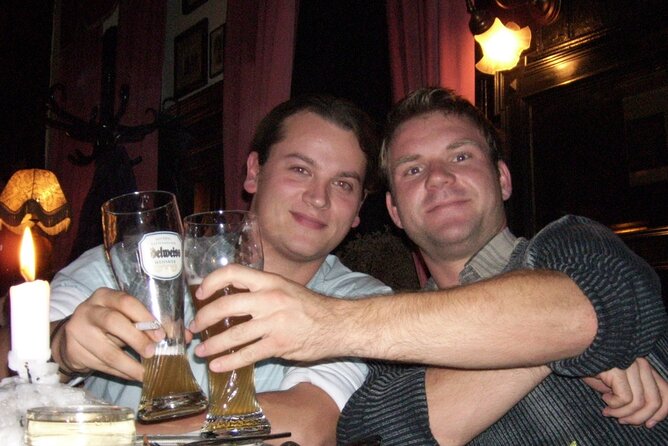
This tour starts at 6:00 pm, and that timing matters in Split’s old town. After afternoon heat, the stone seems to hold a calmer kind of light, and you’re walking through spaces that were built for long days of public life. You’re also moving at a speed that fits a history-and-beer combo—enough time to learn the names and ideas, without rushing you to the next stop like a sprint.
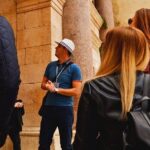
The format is also built for real conversation. It’s a small-group experience capped at eight people, led by a professional, licensed local guide who lives in Split. That makes the explanations feel practical—less textbook, more how locals think about the place today.
One more thing I appreciate: the tour pairs big headline moments (palace squares, gateways, cathedral conversion) with quick micro-stops that give you a feel for daily life in Split—like squares you’ll recognize instantly once you’re there. You get the best of both worlds in one go: major monuments and the street-level details that help you picture how people used to move.
You can also read our reviews of more walking tours in Split
Riva Harbor to the Palace cellars: the UNESCO story in 10 minutes
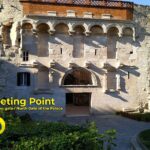
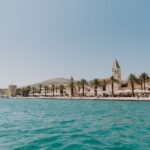
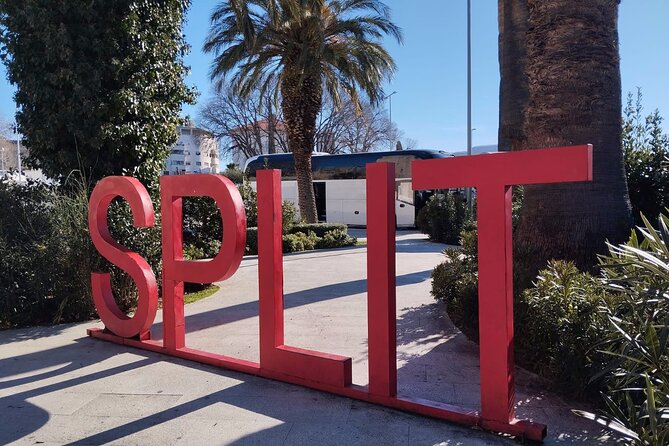
You meet at the Split sign in the Grad area, then begin at Riva Harbor. This start point isn’t just for scenery. It frames Split’s central question: how a palace waterfront became a promenade that locals treat like a living room. Your guide connects the dots between the Roman power layout and the modern city habit of meeting, strolling, and hanging out.
From there, you’re led into the palace substructures—specifically the palace’s cellars, described as one of the best preserved vaulted complexes from late antiquity. Even if you only see the central portion, the value is in the explanation: vaulted spaces weren’t just storage. They were part of a whole built system, and once you understand the purpose, the shapes stop looking like random stone and start looking like engineering.
A practical note: these stops are marked with admission ticket-free time on the tour plan. In plain terms, you’re not usually stuck budgeting for entry fees at every pause. If you’re tight on cash and want your time to feel efficient, that matters.
Also, this is a good moment to get your bearings. Once you’ve seen the waterfront-to-palace logic and the scale of the vaulted areas, everything else—Peristyle, gates, streets—starts to fall into place.
Peristyle and the palace streets: emperor worship to everyday town
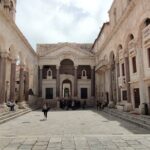
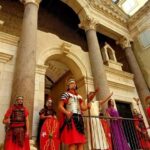
Next comes the Peristyle of Diocletian’s Palace, one of those spaces that makes you slow down without trying. You step into a square framed by columns and feel the mood shift from tight alleyways to something that reads as ceremonial and public at the same time.
Your guide doesn’t just point out what you’re standing in. You get the idea of what it meant to gather here when this was an emperor-centered setup—then you trace how later centuries changed the area. The explanation also covers the Cardo and Decumanus, the two main streets associated with the palace layout, and how they changed through time with different architectural styles.
This is where I like the tour’s balance most. It’s not only about naming monuments. It’s about teaching you how to “read” the place. Once you learn the street logic and how it adapted, you can look at the town around you and understand why Split is built the way it is.
One more cool detail: there’s a stop near Peristyle for a small antiquity tucked between houses, tied to famous European architectural appreciation. The tour highlights a connection to Robert Adam, a British architect who visited Split in the 18th century, and placed the site among the most beautiful monuments in Europe. The interior visit is listed as available for an additional fee, so if you want more depth, you can plan to pay extra. If you don’t, you still get the story and the context from the outside.
Vestibulum acoustics, klapa singing, and the emperor’s dining room
If you think you’re walking from one highlight to the next, the tour still finds a way to keep things interesting.
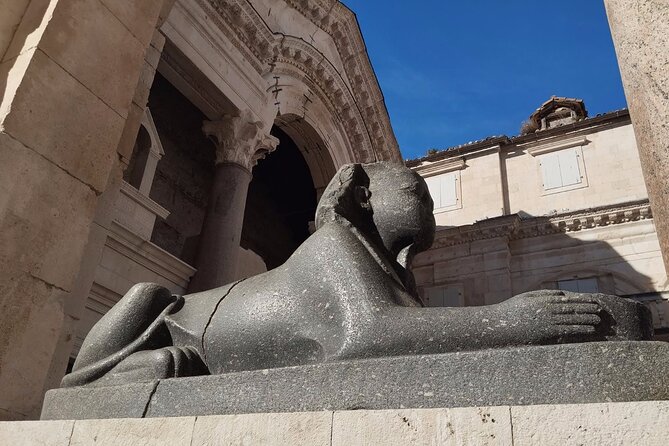
In the Vestibulum of Diocletian’s Palace, you’re guided to a circular building with an open ceiling, with attention paid to both looks and acoustics. That matters because it explains why the space still functions culturally today. Because of the sound, it’s used by klapa, Dalmatian a capella singing groups. The tour connects this tradition to UNESCO world heritage protection, so you’re not just hearing that music exists—you’re hearing why the buildings themselves support it.
Then you move to Triklinij, the remains of what was essentially an emperor’s dining room. This stop is short, but the focus is smart: you’re shown what you’re looking at and you’re told why Roman daily life and dining weren’t separate from the larger rhythm of power. The idea of the dining space ties to the guide’s explanation around visiting vomitorium frequently and the phrase Carpe Diem—meaning seize the day—so you get a human-sized takeaway rather than a cold description.
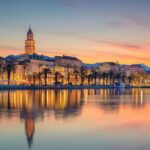
After that, the route shifts toward how imperial parts became something else. The tour points out how Diocletian’s Mausoleum became an impressive cathedral, including mention of an elegant bell tower on the Dalmatian coast. Even if you’re not religious yourself, it’s a fascinating conversion story: this is how cities keep using the strongest structures they inherit.
If you love “how did this become that?” explanations, this middle section is the best part to catch your attention.
Golden Gate, city legends, and Gregory of Nin’s toe-touch
Then the tour moves outward, toward the palace’s defensive and symbolic edge.
At the Golden Gate, you step through a monumental area tied to how hard it was to enter a palace built as a military camp. The tour also calls out the best preserved wall of the palace, which helps you picture how the place worked not just as a residence, but as a fortress with controlled access.
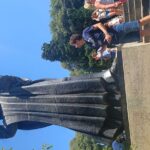
From there, you hit the iconic Grgur Ninski Statue. It’s a photo magnet, yes, but the guide’s explanation turns it into a quick legend lesson. You’re told the story that your wish will come true if you touch his golden toe—so you’ll see plenty of people doing exactly that. It’s silly in the best way, and it’s also the kind of local tradition you remember when you walk away.
Both stops work well in a walking tour like this because they give you a break from the palace’s interior drama. You’re still inside the historic fabric, but the mood is more city-like, with streets and landmarks that connect to the squares right after.
You can also read our reviews of more food & drink experiences in Split


Two squares and a Guinness chocolate stop
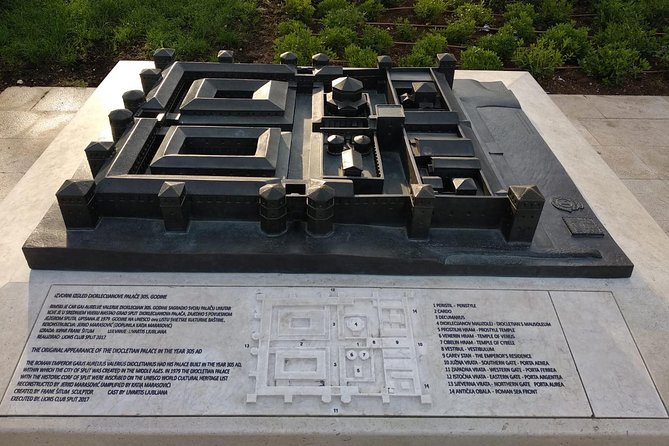
After the gates and statue, you reach Pjaca, the old town’s main square. This is one of those places where your guide’s job is to make the layers make sense. You learn that the square changed name several times, and you’re encouraged to notice the architecture that reflects those shifts. It’s not just a scenic stop—you learn how the square became a “center” in different eras.
Then comes Fruit’s Square (Trg Brace Radic), also a favorite because it gives you baroque details in a setting that still feels very Split. The tour highlights it as one of Split’s best examples of baroque style architecture, and it threads in the story of how the Venetian Republic protected Split from attacks by the Ottoman Empire. You also hear about Marko Marulić, described as the father of Croatian literature, and his place in the local memory.
And yes, there’s a fun curveball stop: a small chocolate producer in Split that won a Guinness world record for the biggest slab of chocolate in the world. It’s brief, but it’s exactly the kind of human detail that keeps a history-and-beer tour from feeling like one long museum walk.
By the time you reach the end, you’ve covered palace, streets, defensive points, churches, legends, and local culture. You’ll feel oriented enough to explore on your own right after—without needing to re-learn the town’s layout.
Leopolds Craft Beer Bar tasting: budget, pace, and what to ask for
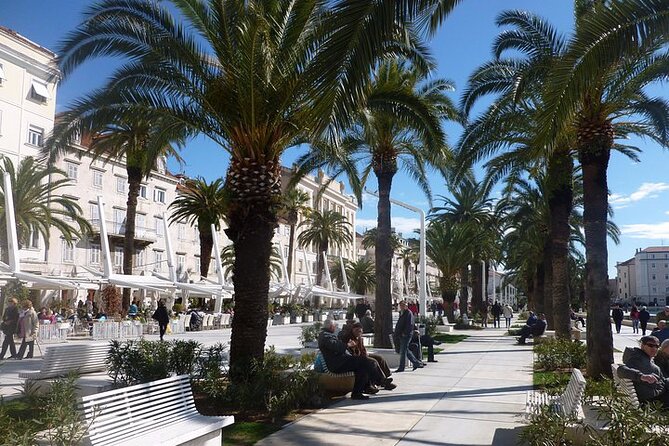
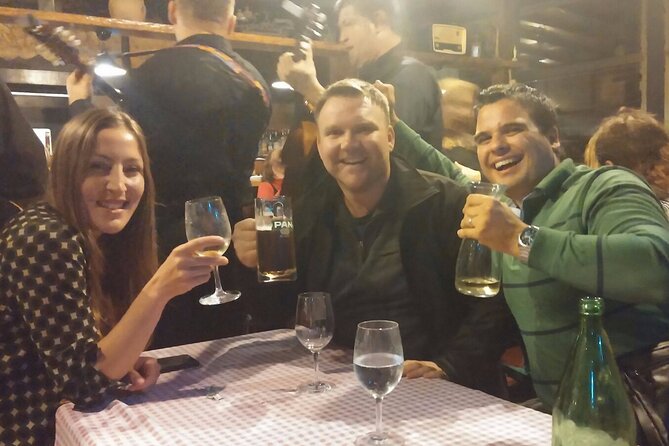
The tour ends at Leopolds Craft Beer Bar on Dosud ul 5. This is where the craft beer side takes over, and the format is straightforward: you get about 30 minutes at the bar for a tasting.
Important money note: beers and other drinks are not included. The price you paid covers the guided walking and the UNESCO-focused sightseeing time, not the actual beer samples. So I suggest you treat the tasting as an extra, not as something already paid for. If you’re watching your budget, check what tasting options are offered at the bar before you order.
What you can count on from the tour description is that Leopolds is a boundary-pushing pub that brews its own beer. That means your tasting isn’t just about buying random bottles—it’s about experiencing a brewery’s output in the place where it’s made.
Ask the guide (or the bar staff) simple questions that make a tasting more fun: which beer they recommend for first-timers, and what style they brew most often. Since you’ve just spent the evening learning about Roman space, this is a good moment to switch gears into something sensory and modern. The contrast is part of the charm.
Price, group size, and logistics you should know
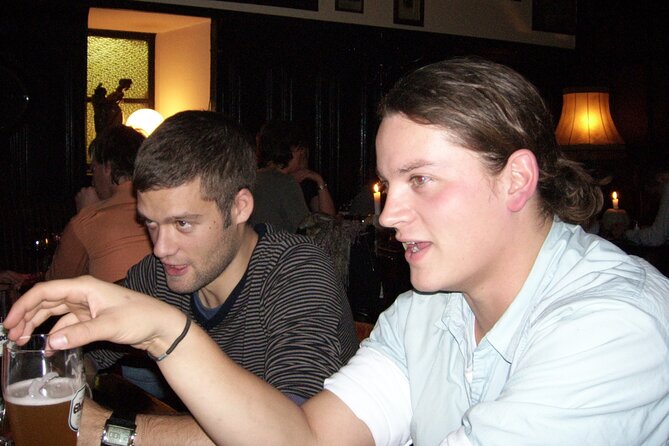
At $30.04 per person for around two hours, this tour is priced like a guide-led experience focused on one major site: Diocletian’s Palace. That’s a solid value if you like structured explanations and want to see multiple palace areas without guessing your way through.
Here’s the practical breakdown:
- You’re in a licensed local guide format.
- Many stops are listed with admission ticket-free time.
- The group is limited to eight, which usually helps you get answers instead of hearing just background noise.
- You finish at a specific bar, so you’re not left scrambling for dinner plans.
Also, you’ll need to plan for the beer side of the evening since it’s not included. If you come expecting beers to be free, you’ll be surprised. If you come expecting to pay for samples, you’ll enjoy it more.
Most people can participate, and the tour notes that service animals are allowed. It’s also near public transportation, which helps if you’re starting or ending your day across town.
Should you book this history-and-beer tour?
Yes—if you want your Split time to feel like more than photos. This is a good pick when you want guided UNESCO palace context and you also want the evening payoff to be a real craft beer stop, not just a quick sip and a walk away.
Book it especially if:
- you like small groups and a guide who answers questions,
- you want a fast way to understand how Diocletian’s Palace became the town you walk through today,
- you’re happy to pay extra for beer samples at the end.
Skip it if:
- you hate paying for drinks after a ticketed experience,
- you’re hoping for a long, slow sit-down beer tasting. This is about 30 minutes at the bar, then done.
FAQ
How long is the walking tour?
It runs for about 2 hours.
What time does the tour start in Split?
The start time is 6:00 pm.
How big is the group?
The tour is limited to a maximum of 8 travelers.
Is the tour in English?
Yes, it’s offered in English.
Where do I meet the guide?
The meeting point is at the Split sign, 21000, Grad, Split, Croatia.
Where does the tour end?
The tour ends at Leopolds Craft Beer Bar, Dosud ul 5, 21000, Split, Croatia.
What’s included in the $30.04 price?
You get a professional, licensed local guide and sightseeing of Diocletian’s Palace, a UNESCO world heritage site.
Are beer tastings included in the price?
No. Beers and other drinks are not included. You’ll pay at the craft beer bar for the tasting.
Are there admission tickets required for the sights?
Many of the stops are listed as admission ticket free, but the itinerary notes one interior visit option is available for an additional fee.
What is the cancellation policy?
You can cancel for free up to 24 hours in advance of the experience start time for a full refund.