REVIEW · SPLIT
Discover The Old Town Split 1.5h walking Small group tour
Book on GetYourGuide →Operated by Gray Line Croatia - A4y · Bookable on GetYourGuide
Split’s Old Town is Roman first, then medieval, then somehow both at once. This 90-minute small-group walk is built to help you read the city instead of just passing through it, with stops tied directly to the UNESCO story. I especially like how the tour starts right at the Roman Emperor Diocletian’s Palace and then keeps connecting those ruins to what you see today, street by street, square by square. And you’ll get a guide-led path through the UNESCO-listed center that makes the place feel understandable fast, not overwhelming.
One thing to consider: it’s a walking tour on uneven old streets, and it’s not designed for wheelchair access. So bring comfortable shoes and plan to do some steady footwork, even though the time is short.
In This Review
- Key Things You’ll Notice on This Split Walking Tour
- Split’s Roman Roots Start at the Harbor
- Meeting on the Riva: Where Your Tour Really Begins
- Diocletian’s Palace: The Fortress That Became a City
- Narrow Streets, Real Life: Lanes That Still Work
- St Domnius Cathedral: The Mausoleum Chapter
- The UNESCO Angle: Learning the City Without Feeling Tested
- How the Stops Work Together (So You Don’t Miss the Point)
- Price and Value: Why $29 Usually Makes Sense Here
- Who This Tour Fits Best
- Practical Tips So the Walk Feels Good
- Should You Book This Split Old Town Tour?
- FAQ
- How long is the Discover The Old Town Split walking tour?
- What is the price per person?
- Where do I meet the guide?
- What’s included in the tour price?
- Are entrance fees included?
- Is the tour wheelchair accessible?
Key Things You’ll Notice on This Split Walking Tour
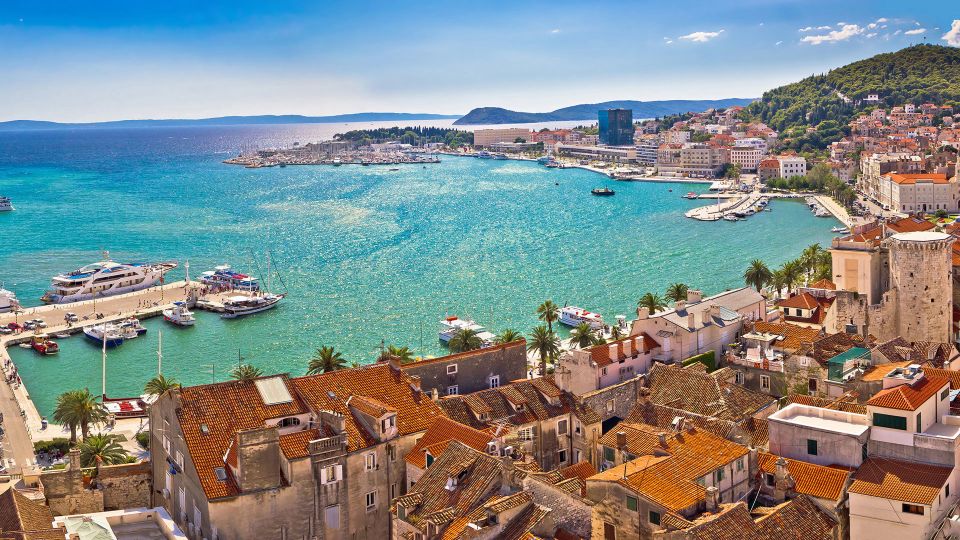
- Diocletian’s Palace as your starting point: the harbor-facing fortress ruins set the theme immediately
- Peristyle courtyard and cellars: you’ll see how the palace functioned, not just how it looks
- St Domnius Cathedral and the mausoleum site: the Roman imperial story continues into a major landmark
- Small-group pacing: you can ask questions without being swallowed by the crowd
- Narrow lanes with cafés and souvenir shops: you’ll connect daily life to the UNESCO framework
- Shade and comfort help: guides often adjust where they stand so the walk feels manageable in warm weather
Split’s Roman Roots Start at the Harbor
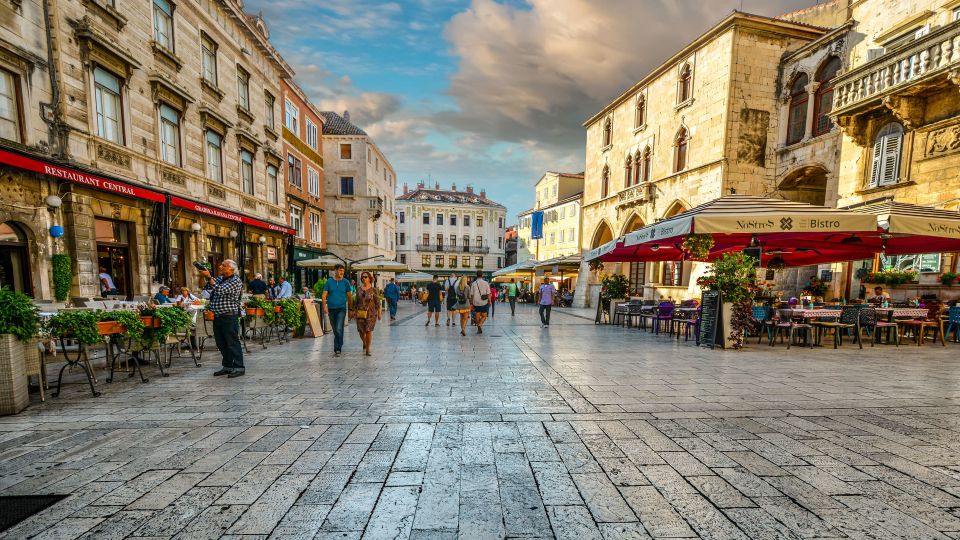
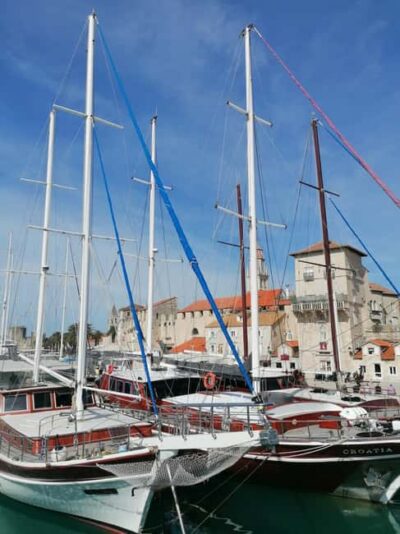
If you’ve ever wondered why Split feels like a city wearing two eras at the same time, this tour gives you the answer without a lot of lecturing. You begin near the harbor, at the imposing ruins of Diocletian’s palace, the kind of place where your brain immediately goes: how did this become a living city?
What I like most is that the history isn’t treated like a separate museum layer. The guide keeps tying the Roman structures to what still exists in the streets around them, so the city reads like one continuous scene. And because you’re on foot for about 1.5 hours, you get a strong overview without burning your whole day.
The other big plus is the people part. On past departures, the tour has been led by local guides such as Aneka and Anita, and you can see the pattern: they bring the city down to human scale. Even names like Marko, Toni, Roko, and Maja show up in guide credits, and the common thread is confident local storytelling with a sense of humor that keeps the walk from feeling stiff.
You can also read our reviews of more walking tours in Split

Meeting on the Riva: Where Your Tour Really Begins
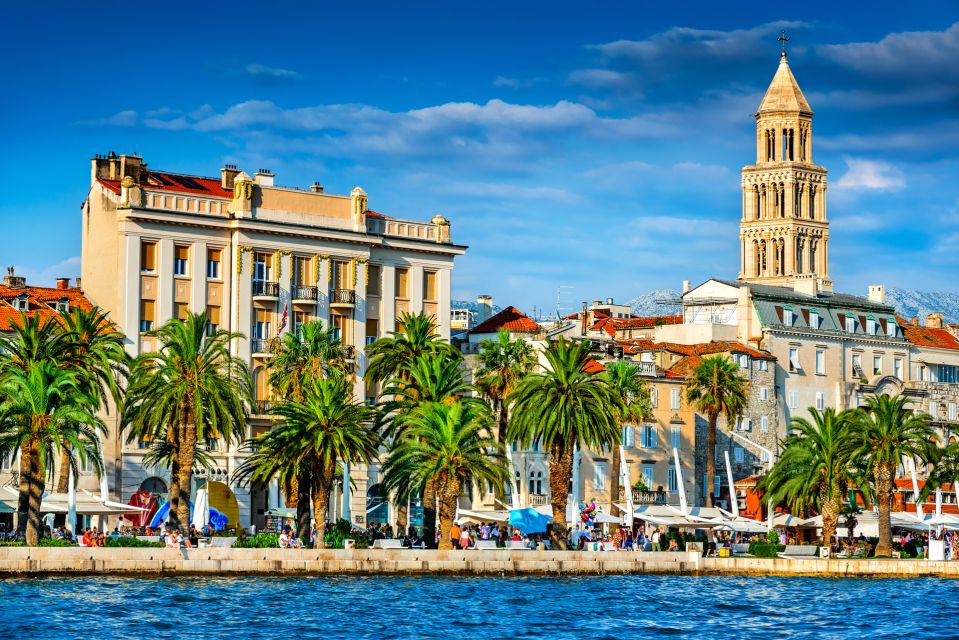
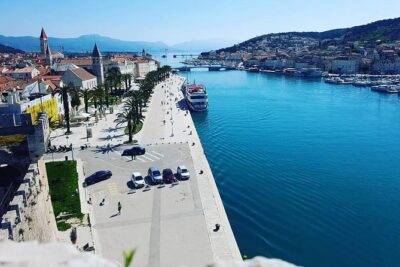
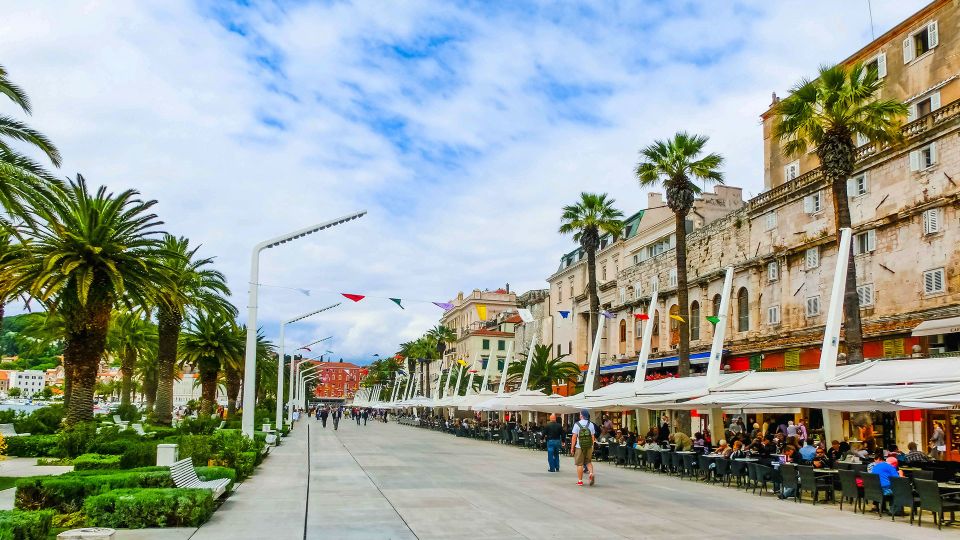
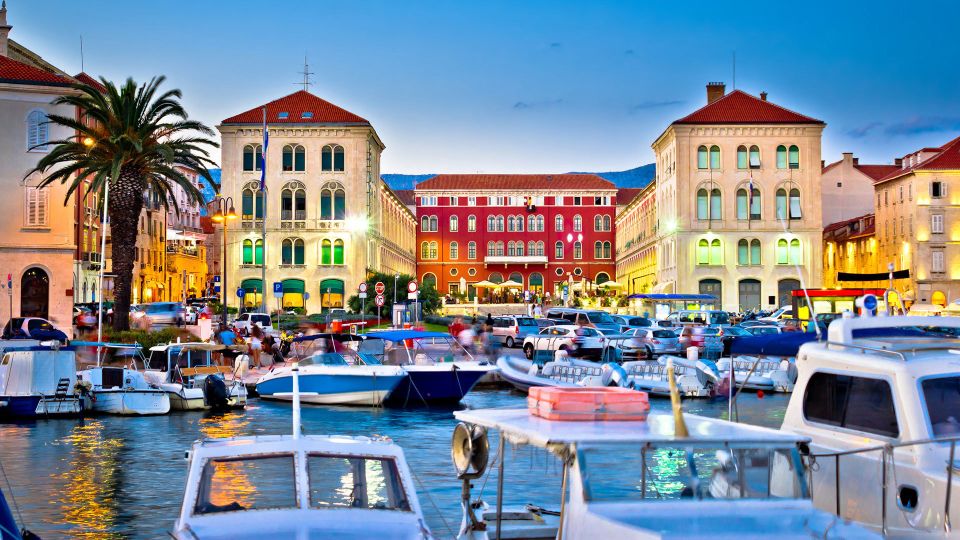
The tour’s official start is at the Gray Line Croatia office on Split’s famous Riva promenade, address Obala Hrvatskog narodnog preporoda 21, 21000 Split. Look for the supplier sign and staff wearing matching t-shirts, then check in about 15 minutes early.
This matters more than it sounds. Arriving early lets you settle your group and meet your guide before you start walking, which helps the first stretch run smoothly. And because the tour covers a defined loop through the Old Town, getting that early alignment helps you feel like you’re following a plan instead of wandering randomly.
Diocletian’s Palace: The Fortress That Became a City
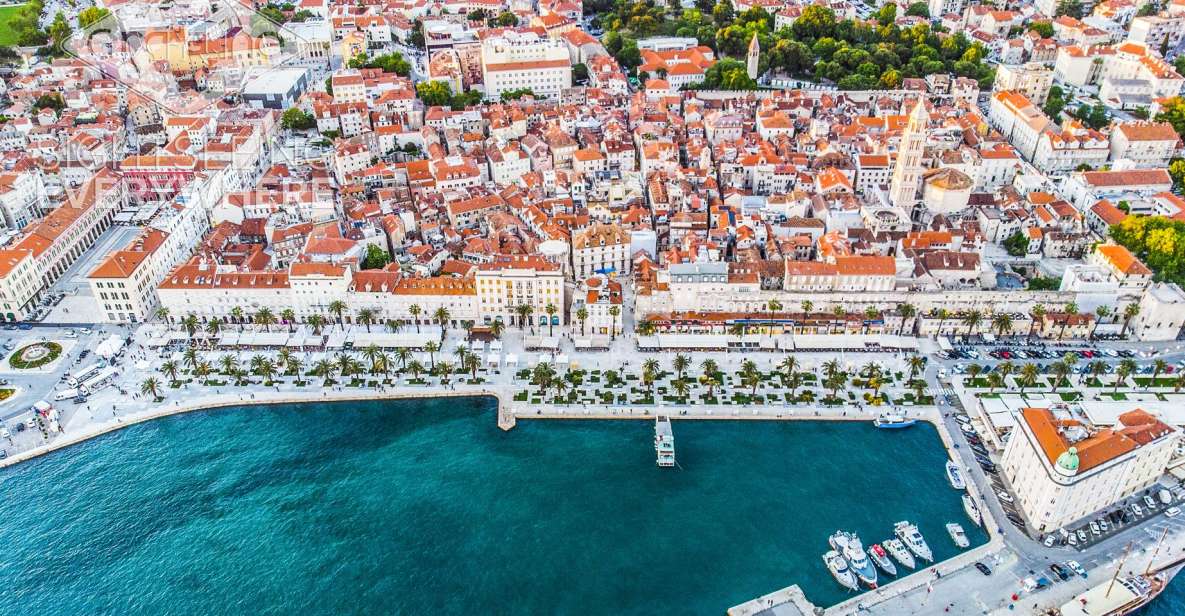
From the harbor-facing side, Diocletian’s palace is hard to ignore. It’s one of the most imposing Roman ruins still standing, and it works perfectly as a first stop because it’s both grand and practical: a fortress designed for control, administration, and daily life.
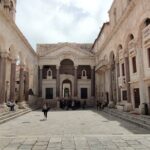
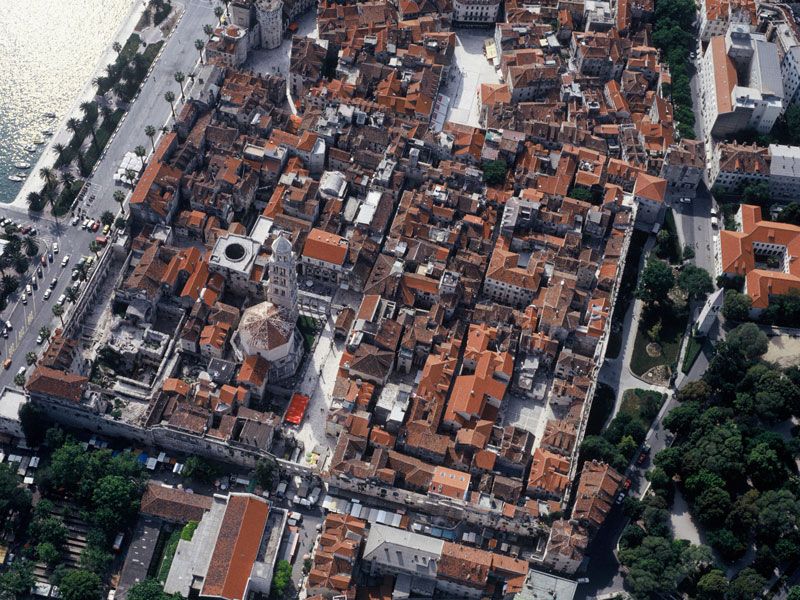
You’ll get a guided walk around the stone complex and see elements such as the peristyle courtyard and the cellars associated with the palace. Those details are key. If you only glance at the outside walls, Roman Split can feel like ruins-as-a-photo. But when you understand the palace’s internal layout, you start noticing why streets and buildings in the Old Town feel “built around” the palace instead of placed on top of it.
Also, pay attention to how the palace anchors the rest of the walking route. The guide uses it like a map—you’ll keep hearing references to how this Roman structure created the urban skeleton that later layers of Split filled in.
Narrow Streets, Real Life: Lanes That Still Work
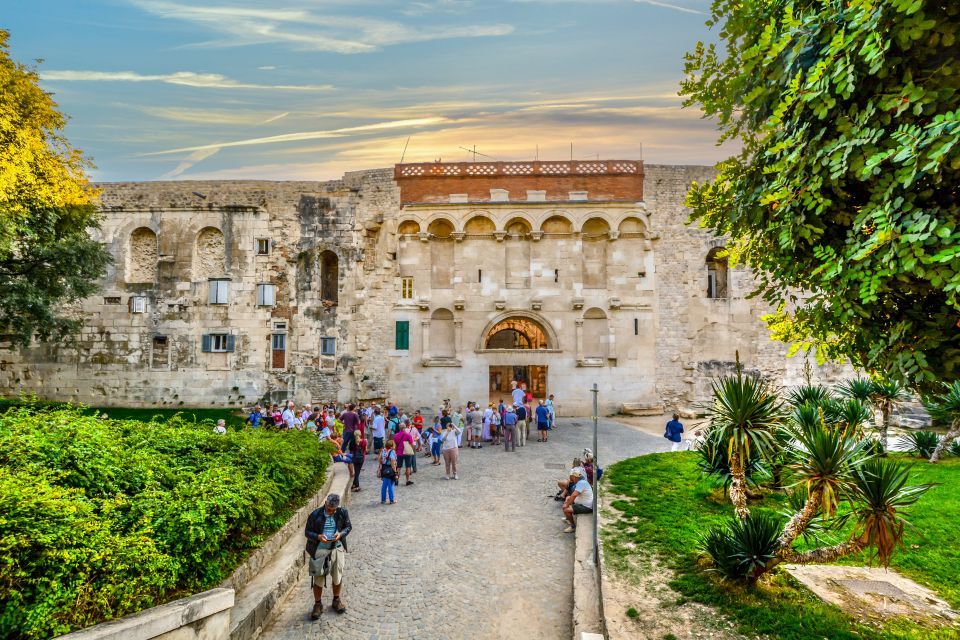
After the palace, the tour shifts to the Old Town streets—tight, picturesque lanes lined with cafés and souvenir stores. That part might sound like basic sightseeing, but here’s why it’s actually useful: you’ll learn how the UNESCO story connects to everyday patterns of movement and commerce.
Split’s Mediterranean rhythm comes through fast. Expect a mix of stone, shade gaps between buildings, small plazas, and storefront energy. It’s the kind of walk where you can start to understand the city as a system: Roman groundwork, medieval evolution, and a present-day city that still uses those same corridors.
In warm weather, a smart guide makes a difference. Some guides have a habit of adjusting where they pause—looking for shady places to stand or sit—so you’re not stuck overheating while waiting for the next explanation.
St Domnius Cathedral: The Mausoleum Chapter
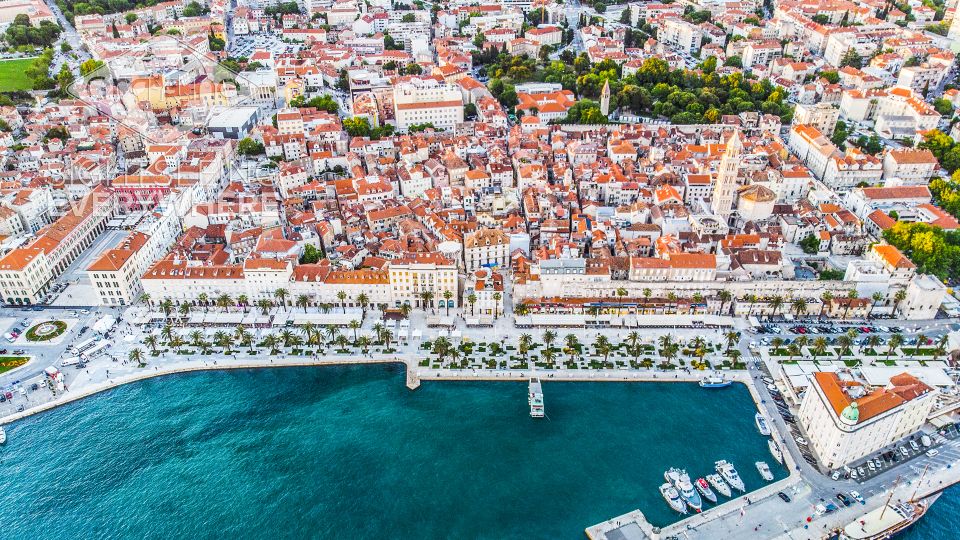
One of the most compelling connections on this walk is at St Domnius Cathedral, where you’ll learn about the site of the emperor’s mausoleum. This is the spot where the Roman storyline doesn’t end with ruins. It transitions into a living landmark that still pulls people in, day after day.
The value here is in the continuity. It’s easy to think of Roman history as something finished and sealed behind archaeology. But the mausoleum location shows how the imperial era left an imprint that kept shaping what came later.
Even if you decide not to enter any optional monuments, the outside context you get on this tour can make later visits make sense. You’ll know what you’re looking at and why it matters, instead of relying on guesswork.




The UNESCO Angle: Learning the City Without Feeling Tested
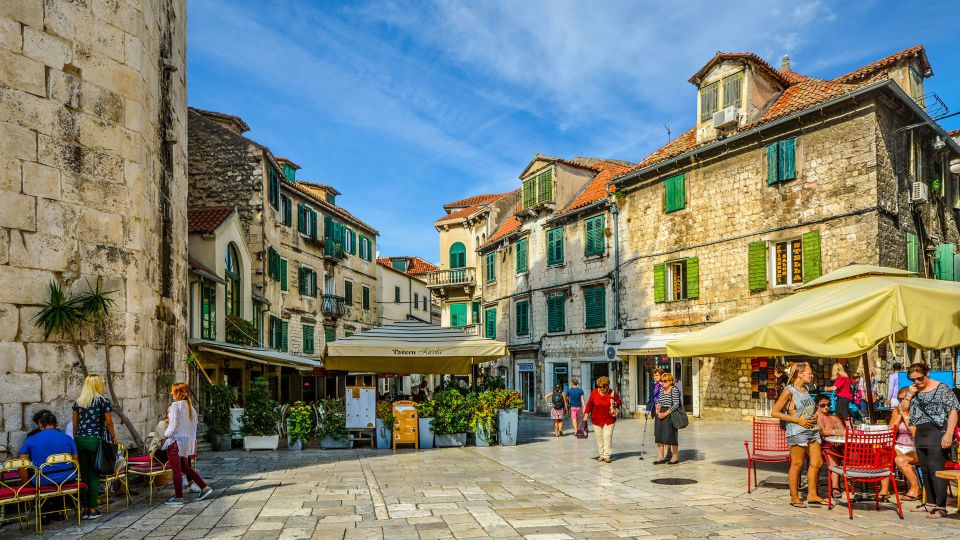
Split’s UNESCO listing isn’t just a label. On this tour, it becomes a way to understand why the city center has a specific kind of importance—because Roman foundations and later development didn’t wipe each other out. They layered.
You’ll hear how Diocletian’s palace connects to ruins and sites scattered around the city center, which helps you see the Old Town as one interlinked setting rather than separate attractions. That’s one of the best outcomes of a small-group walking tour: the guide can pace the story so you can actually follow it.
This is also a tour that helps you pick what to do next. Once you know where the Roman anchors are—like the palace complex and the cathedral mausoleum connection—you can walk the streets afterward with a clearer sense of direction and meaning.
How the Stops Work Together (So You Don’t Miss the Point)
Here’s the practical logic behind the route. The palace gives you the Roman framework. The medieval and street-level wanderings show how that framework became a daily city. Then St Domnius Cathedral adds the emotional and symbolic link: the imperial story continues in a major landmark you can’t really ignore.
That structure helps whether you’re:
- seeing Split for the first time and want a fast orientation, or
- returning later and wanting a cleaner mental map.
And because the tour is only 90 minutes, you’re not stuck on a long slog. You’ll still have plenty of time to wander further on your own once your bearings are set.
Price and Value: Why $29 Usually Makes Sense Here
At $29 per person for about 90 minutes, this is priced like an overview tour. The big value is that the tour includes a professional licensed local guide, which means you’re paying for interpretation and connections—not just movement through old stones.
What you should consider is how you treat entrance fees. Monument entry is not included, and entrances are optional. That actually can be good value for you if you prefer a lighter schedule: you can learn the major story points without paying for every ticket in the moment. If you do want to enter monuments, you can add that later based on your interests and budget.
Also, small-group dynamics matter at this price point. When you’re not in a huge group, it’s easier for the guide to answer questions and tailor the narration to what you care about—something guides have been praised for, including adjusting commentary to group interests.
Who This Tour Fits Best
This one fits best if you want a guided start that makes the Old Town feel coherent. It’s also a good choice if you’re the type who likes asking why things are where they are, not just what year they are.
You’ll likely enjoy it if:
- you want Roman Split plus the medieval streets without a full-day plan
- you like learning through walking and seeing the sites in context
- you want a guide who can explain the UNESCO story in plain terms
It may not be ideal if you’re very mobility limited, since it’s not wheelchair accessible and involves walking on old city surfaces.
Practical Tips So the Walk Feels Good
Keep it simple: wear comfortable shoes. Old stone and narrow lanes can feel fine at first, then start to nag if your footwear isn’t up to it.
Also, plan on it being a street-focused tour with frequent viewing and short pauses. You’ll want to stay present—if you constantly stop to check your phone maps, you’ll miss some of the guide’s connections.
One more detail: the tour is in English with a live guide. If you’re traveling with kids, note that children must be accompanied by an adult.
Should You Book This Split Old Town Tour?
I’d book it if you want a fast, guided way to understand what makes Split special—especially if you’re interested in the Roman core of the city and how it still shapes daily life. At $29, the combination of a licensed local guide, a focused 90-minute route, and the key connections to Diocletian’s palace and St Domnius makes it a solid value move.
Skip it only if you already know the Roman story well and you’d rather spend your time doing deeper individual site visits on your own. Otherwise, this tour works great as your first step in Split—so you can wander after with a sharper sense of where you are and why it’s there.
FAQ
How long is the Discover The Old Town Split walking tour?
The tour lasts about 90 minutes (listed as 1.5 hours).
What is the price per person?
It costs $29 per person.
Where do I meet the guide?
Meet at the local supplier’s office on the Riva promenade: Obala Hrvatskog narodnog preporoda 21, 21000 Split, Croatia. Look for the supplier’s sign and staff in t-shirts with the same sign.
What’s included in the tour price?
The tour includes a professional licensed local guide.
Are entrance fees included?
No. Entrance fees are not included, but monument entrances are optional.
Is the tour wheelchair accessible?
No. The tour is not wheelchair accessible and is not suitable for wheelchair users.