REVIEW · SPLIT
Split: Group or Private Walking Tour with Art Historian
Book on GetYourGuide →Operated by Aspalathos Guided Tours · Bookable on GetYourGuide
Split feels like a time machine with good shoes. This walking tour with Josipa, an Art Historian tied to archaeological work, turns Diocletian’s Palace into a story you can actually read as you walk. I especially like how you get off-the-usual-routes explanations and how she answers questions with an expert, human touch. One drawback to plan for: you pass major sites without going inside paid attractions.
I like that you start in Strossmayer Park, just outside the palace walls, with a calm green breather before the centuries pile up. You also finish in the older, more local side of town—Varoš—so the experience doesn’t end once the classic photo spots are done.
At $32 per person for 2 hours in English, this is strong value if you care about architecture, symbols, and why the city looks the way it does. It’s also rain-or-shine, so come ready for real outdoor Croatia weather and real walking.
In This Review
- Key things I think you’ll like
- Entering Split from the calm side: Strossmayer Park to the palace walls
- Gregory of Nin, gates, and church corners: how the tour sets the timeline
- Peristyle and Jupiter’s Temple: learning to read the palace from inside your head
- Peristil (Peristyle)
- Jupiter’s Temple area
- The palace’s surprising details: sphinxes, Street Let Me Pass, and photo moments
- Triklinij and Diocletian’s Cellars: where the engineering story takes over
- Triklinij
- Diocletian’s Cellars (Diocletian Cellars)
- Riva waterfront and fruit-squares energy: architecture meets real life
- Why the finish in Varoš changes your whole picture of Split
- Not entering paid attractions: how to plan follow-ups without feeling shortchanged
- Timing, weather, and walking reality: what to expect on the ground
- Price and value: $32 for a 2-hour art-historian walkthrough
- Who should book this, and who should skip it
- Should you book Aspalathos Guided Tours with Josipa?
- FAQ
- FAQ
- How long is the walking tour?
- Where does the tour start?
- Is the tour in English?
- Does the tour enter paid attractions like the Cathedral or substructures?
- What’s included in the price?
- Does the tour run in bad weather?
- Is it suitable for people with mobility or hearing impairments?
Key things I think you’ll like
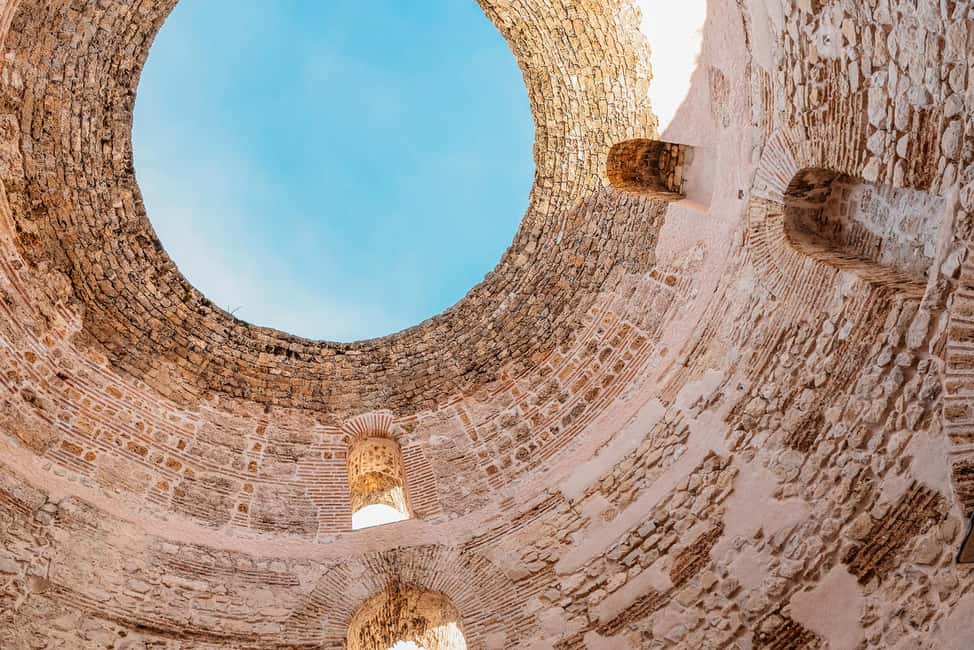
- Art-history focus with real-world context, led by Josipa from Aspalathos Guided Tours
- A route that prioritizes your time, with smart alleyway guidance through Old Town
- Low-fuss, no gimmicks sightseeing, just stories and what to notice as you go
- Egyptian sphinxes, Peristyle, and Diocletian’s Cellars explained in plain language
- A finish in Varoš, where Roman fabric has been repurposed over time
- Practical local advice, including the best time to visit Split and Croatia
Entering Split from the calm side: Strossmayer Park to the palace walls

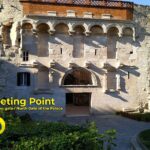
You meet at Strossmayer Park, near the Strossmayerova Fountain. If you plug those names into your map app, you should land right by the fountain in the park’s center area. You’ll spot Josipa holding a yellow-and-blue Aspalathos Guided Tours sign.
What I like about starting here is simple: it gets you oriented without immediately fighting a crowd inside the palace core. The park sits just above the Golden Gates, so you’re mentally “outside” the palace at first, then you step into it with a better sense of walls, gates, and views.
Also, this first stop helps you reset your brain for a city built on layers. Split isn’t one era. It’s Roman foundations plus medieval reuse plus modern life still happening in the same spaces.
You can also read our reviews of more walking tours in Split

Gregory of Nin, gates, and church corners: how the tour sets the timeline
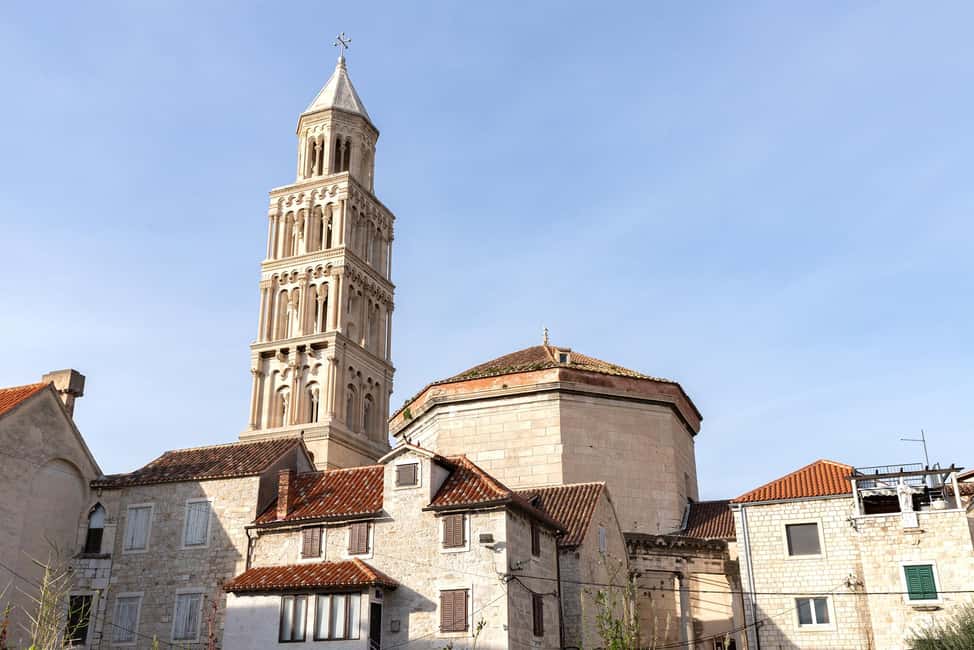
From the park, the walk rolls toward the main palace-world. You’ll make quick stops that function like anchors in your mind. They’re short, but they’re chosen so you can “place” what you see later.
Here’s the order you’ll get:
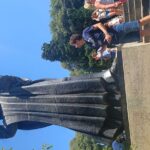
- Gregory of Nin (a brief guided introduction)
- Golden Gate
- Sv. Martin
- Silver Gate
These stops matter because they teach you the city’s logic: entry points, religious shifts, and how the palace boundary shaped daily movement. The gates aren’t just decorative. They’re part of why certain alleys, viewpoints, and street rhythms exist where they do.
If you like asking questions, this is also the kind of tour where you’ll likely do it a lot. Josipa’s approach is friendly and approachable, and she’s the type who can answer the many little “why is that there?” questions that pop up when you start looking closely.
Peristyle and Jupiter’s Temple: learning to read the palace from inside your head
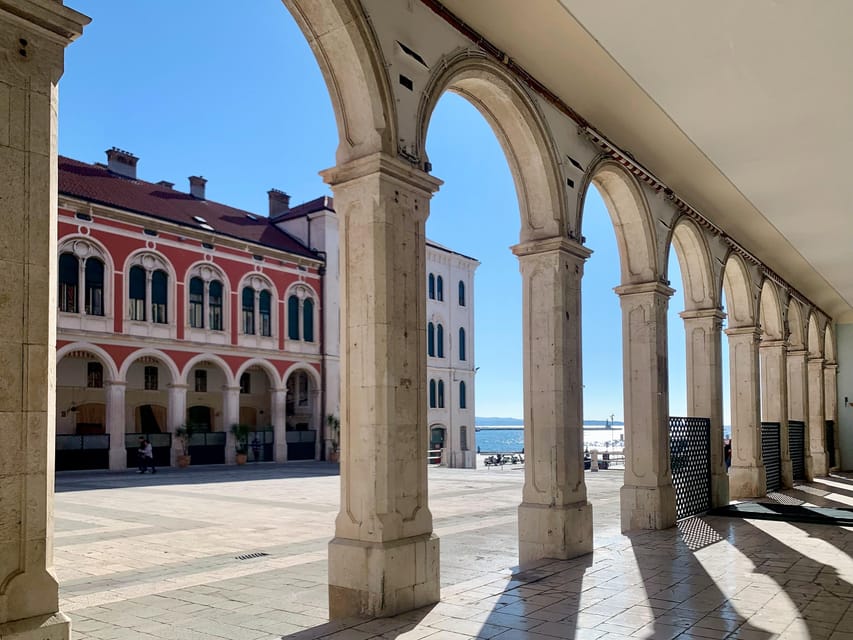
Once you hit the heart of Diocletian’s Palace, you’ll move through the iconic spaces in a logical sequence. The goal isn’t just to see them. It’s to understand how they work.
Peristil (Peristyle)
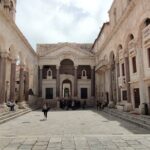
You’ll spend time at the Peristil area, with guided sightseeing that focuses on the architecture. This is where you start recognizing the palace not as ruins, but as designed space: what people likely saw, how movement probably worked, and why certain elements were placed where they were.
Jupiter’s Temple area
Next comes Jupiter’s Temple. You won’t be going into paid interiors during this tour, but you will hear the story of the site and how it fits into the broader layout. That’s valuable even if you plan to come back later, because your second visit becomes much more meaningful when you already know what you’re looking for.
You can also read our reviews of more private tours in Split






The palace’s surprising details: sphinxes, Street Let Me Pass, and photo moments
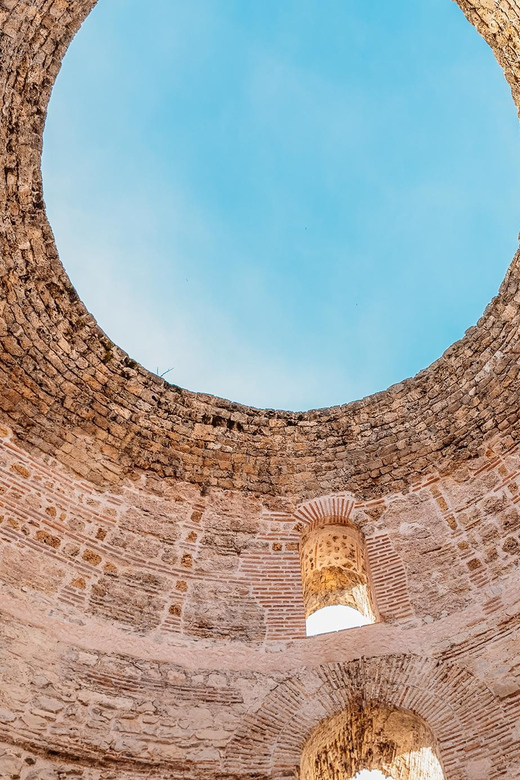
One of the tour’s best strengths is that it doesn’t treat “must-sees” like a checklist. You’ll get details that change how you interpret the place.
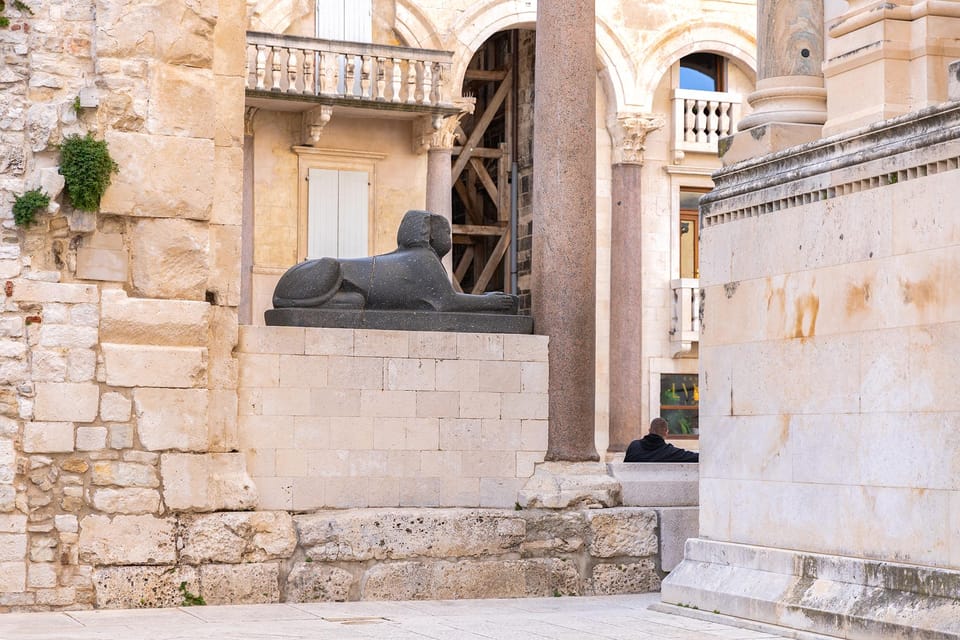
You’ll be guided toward features such as Egyptian sphinxes—a detail many people miss when they’re only chasing the biggest names. Seeing them with context helps you connect the palace to the larger story of symbols and reuse.
You’ll also pass through stop points that sound almost whimsical, but they’re actually useful landmarks:
- Street Let Me Pass (guided sightseeing)
- Vestibul (including a photo stop, plus explanation)
These smaller named spots are a big reason the tour feels different from a standard quick lap. They give your brain something specific to remember, which is the whole point of a walking history tour.
Triklinij and Diocletian’s Cellars: where the engineering story takes over
After you’ve built your timeline and your “reading skills,” you’ll move to spaces that emphasize how the palace functioned day to day.
Triklinij
At Triklinij, the guide helps you understand the space with a focus on structure and use, not just the idea that it existed. It’s the kind of stop where you start noticing proportions and design choices.
Diocletian’s Cellars (Diocletian Cellars)
Then comes Diocletian’s Cellars. This is where a lot of people start feeling the weight of the place. Even on a walking tour that doesn’t go inside paid attractions, the guide’s stories help you appreciate the underground and storage logic behind the dramatic above-ground architecture.
And since you’re not entering paid sites as part of the walk, this is still useful. You’ll get guidance on what to visit later on your own, so the tour becomes a plan, not a one-off event.
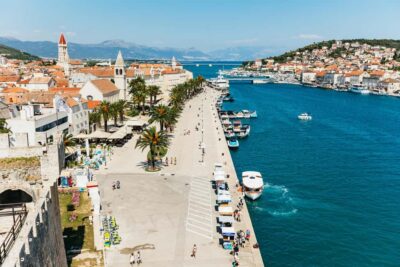
Riva waterfront and fruit-squares energy: architecture meets real life
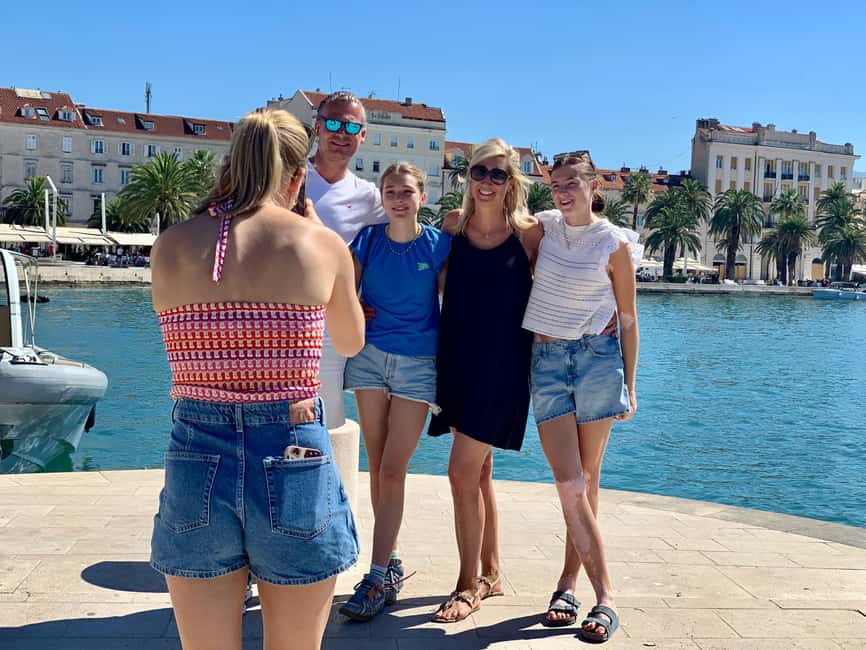
After the palace core, the tour swings you toward the lively public face of Split.
You’ll visit:
- Riva, Split (guided sightseeing)
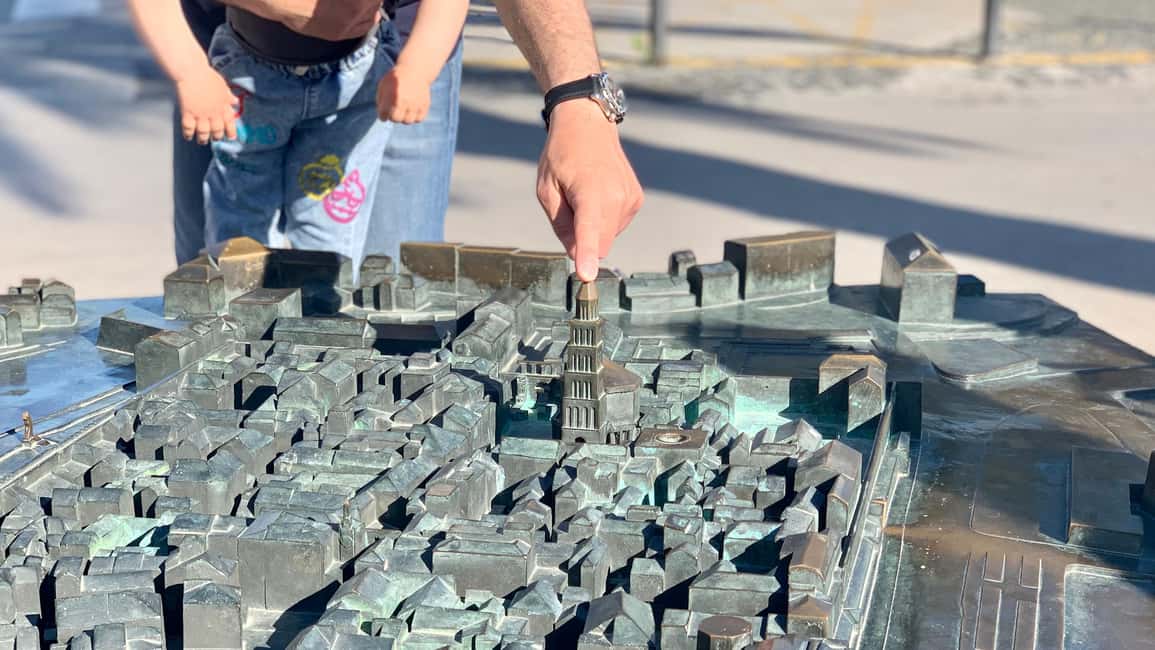
- Maketa grada Splita
- Fruit Square, Split
- People’s Square
- Split Fishmarket
- Republic Square
This sequence works well. You first learn the palace walls and gates, then you watch how life occupies the city around them. Riva isn’t just a pretty stretch of waterfront; it’s part of how Split feels today—people moving, chatting, and living right next to ancient stone.
Maketa grada Splita is a nice bridge between eras. It helps you visualize the city’s layout so the walk you’ve already done doesn’t stay abstract.
Fruit Square and People’s Square give you a sense of how markets and civic life sit alongside monument spaces. The inclusion of the Split Fishmarket is practical too. If you’re trying to understand what daily rhythm looks like, this is where it shows up fast.
Finally, you finish at Republic Square, a strong place to consolidate everything you’ve seen.
Why the finish in Varoš changes your whole picture of Split
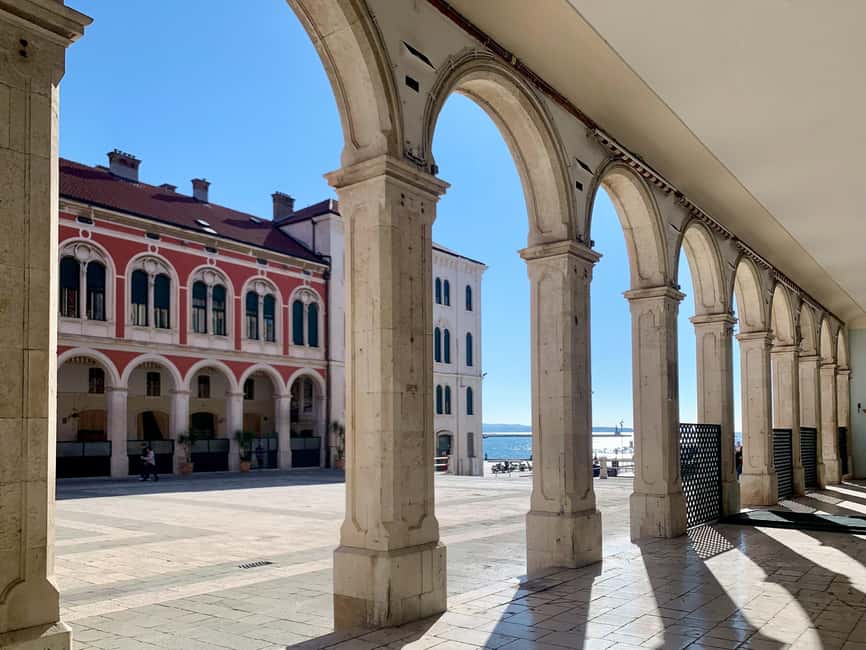
Unlike tours that end after the famous core, this one finishes in Varoš, described as one of Split’s oldest and most authentic neighborhoods. The emphasis here is on preserved 4th-century Roman architecture and how it has been repurposed over the centuries.
This is where you get a different kind of satisfaction. You stop thinking of old buildings as museum objects and start seeing them as reused infrastructure—places people kept adapting to new needs. If you care about how cities evolve, this stop is a quiet highlight.
Not entering paid attractions: how to plan follow-ups without feeling shortchanged

The tour passes big-ticket sites but doesn’t enter paid spaces like the Substructures, the Cathedral, and the Temple of Jupiter. That matters, so you’re not surprised later.
The smart way to think about it: you’re getting the orientation and the story threads here. Then you pick which paid interiors you want to do on your own.
This also keeps the tour moving. A 2-hour walk is tight enough that spending time buying tickets and waiting around could cut the quality of the route. Here, you get a guided “map in your head” first, then you choose your deeper dives.
Josipa also provides suggestions for what to visit after, based on what you seem most interested in—architecture, symbolism, or the practical layout of streets and gates.
Timing, weather, and walking reality: what to expect on the ground
This tour takes place rain or shine. So bring weather-ready clothing and plan for slick stone if the sky opens up.
There are also unavoidable steps. The route is not described as wheelchair-friendly, and it’s explicitly not suitable for people with mobility impairments or wheelchair users. Hearing-impaired guests are also listed as not suitable. If you’re unsure, it’s worth reaching out before booking so you don’t get stuck making a hard choice mid-trip.
One more practical note: Split traffic in summer can be heavy. There’s a max waiting time of 10 minutes after which the group departs from the starting point. In plain terms: don’t arrive late, and don’t assume you can wander in and still catch up.
Price and value: $32 for a 2-hour art-historian walkthrough
At $32 per person for a 2-hour English-guided walking tour, you’re paying for a licensed local guide who can connect visual details to meaning. This isn’t just sightseeing. You’re learning how to look at Split’s architecture like a puzzle with clues.
You also get flexibility:
- Choose private for a fully personalized route
- Choose small group for an intimate feel with room for conversation
For me, the value comes from the guide’s role, not from the number of stops. When a guide can answer questions clearly and build a route that saves you from zigzagging through alleys, the cost feels justified fast.
Who should book this, and who should skip it
This is a great fit if you:
- Care about architecture and urban design
- Want more than a photo stop list
- Like guides who can answer lots of questions
- Prefer walking tours that teach you how to notice details yourself
- Want local advice for timing your Croatia trip
You might want to look for something else if you:
- Need a fully step-free route
- Use a wheelchair
- Need accommodation for hearing impairment
- Want a tour that includes paid interiors as part of the main ticket
Should you book Aspalathos Guided Tours with Josipa?
If you’re spending a limited amount of time in Split and you want to understand what you’re seeing, I’d book this. The combination of Roman-to-modern storytelling, a thoughtful route through the palace and Old Town, and the finish in Varoš makes the tour feel like a real orientation to the city, not a rushed highlights walk.
It’s also a smart choice for your first or second day in Split. After this walk, you’ll start noticing details and stories sitting in plain sight—your self-guided time afterward gets easier, not harder.
FAQ
FAQ
How long is the walking tour?
It’s listed as 2 hours.
Where does the tour start?
You meet in Strossmayer Park, around the Strossmayerova Fountain. Search those names on your map to find it.
Is the tour in English?
Yes, the live tour guide speaks English.
Does the tour enter paid attractions like the Cathedral or substructures?
No. The tour does not enter paid sites. It passes major attractions and includes stories plus suggestions for visiting later.
What’s included in the price?
The price includes your licensed local tour guide, Josipa of Aspalathos Guided Tours. No other items are listed as included.
Does the tour run in bad weather?
Yes. It takes place rain or shine.
Is it suitable for people with mobility or hearing impairments?
It’s not suitable for people with mobility impairments, wheelchair users, or hearing-impaired people, based on the provided information.