REVIEW · SPLIT
Split: city center private walking tour 2 h
Book on GetYourGuide →Operated by Marina Mariposa Travel · Bookable on GetYourGuide
Split’s stones tell stories fast. In this private 2-hour walk, you focus on what matters most: Diocletian’s Palace and its cellars, where you’ll get clear context for spaces you’d otherwise just rush past.
I also love how this tour is paced for you. The guide can keep it at your tempo and shape the stops around your interests, which is a big deal when you’re only in town for a short window.
One possible drawback: you won’t be doing a deep rabbit-hole of every alleyway. The emphasis stays on the key monuments and squares, so if you’re craving lots of tiny side streets, plan to explore those on your own afterward.
In This Review
- Key Highlights You’ll Feel Immediately
- Diocletian’s Palace Cellars: The Best Reason to Start Here
- From Riva to the Green Market: Getting Your Bearings in 2 Hours
- Peristil and the Palace Steps: Understanding the Roman Plan
- St. Duje Cathedral: Mausoleum Roots and a Dress-Code Reality Check
- Golden Gate, Gregory of Nin, and the Big Photo Stops That Still Teach You Something
- People’s Square and the Venetian-Era Feel in Pjaca
- Fishmarket and the Ending at Riva: Food Energy Before You Depart
- Private Guidance and the Guides Who Bring Split to Life
- Price and Value: When $141 Per Group Makes Sense
- Practical Tips So Your Feet Match Your Ambition
- Who This 2-Hour Split Walk Is Best For
- Should You Book This Split City Center Private Walk?
- FAQ
- How long is the Split city center private walking tour?
- Is this tour private?
- Where do we meet?
- What’s included in the price?
- What isn’t included?
- Which languages are available for the live guide?
- Is the tour wheelchair accessible?
- What should I wear for the cathedral?
- Is free cancellation available?
Key Highlights You’ll Feel Immediately
- Diocletian’s Palace cellars with on-site explanations (and yes, they’ve been used as a Game of Thrones filming location)
- Peristil and the route up the palace steps, so you understand how the complex works from lower spaces to ceremonial areas
- St. Duje Cathedral with the note that it’s said to be the oldest cathedral in the world, built on Diocletian’s mausoleum
- Golden Gate, Gregory of Nin, and the big squares that stitch together Roman, medieval, and Venetian-era Split
- Market stops around the Green Market and the Fishmarket, for that day-to-day city feeling
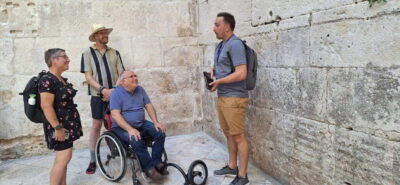
- Wheelchair accessible, with the honest heads-up that you’ll still encounter uneven ground and stairs
Diocletian’s Palace Cellars: The Best Reason to Start Here
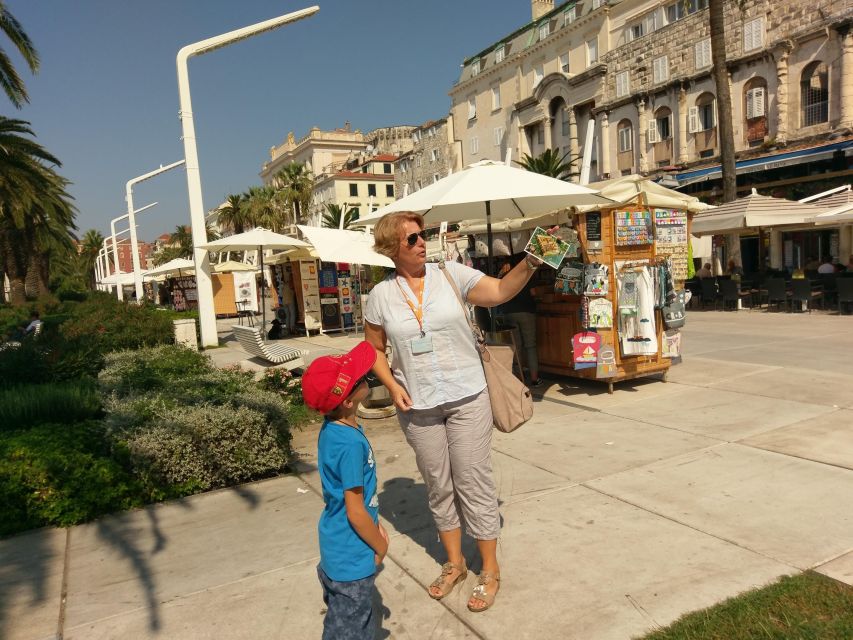
If Split feels like it has layers, it’s because it does. This tour anchors you in the Diocletian’s Palace, a UNESCO core that still functions as the heart of the city. You’re not just looking at ruins behind ropes. You’re walking through a living built environment—homes, passages, and spaces that show how power shaped everyday movement.
The cellars are the standout. They’re well preserved and they help explain the palace’s architecture: the cellars’ purpose ties directly to how the imperial residential area rose above. That’s the kind of detail that makes the whole complex click. Instead of thinking, so what is this basement level? you understand what the builders were trying to achieve.
You’ll also hear how these cellars connect to popular culture. They’ve served as a Game of Thrones filming location, which adds an easy hook for photos and a quicker mental map for first-timers. It’s not about trivia for trivia’s sake; it helps you recognize locations fast.
One practical note: entrance fees for the cathedral and cellars are not included. If you hate surprises, budget for that ahead of time so your guide time stays focused on the walk.
You can also read our reviews of more walking tours in Split

From Riva to the Green Market: Getting Your Bearings in 2 Hours
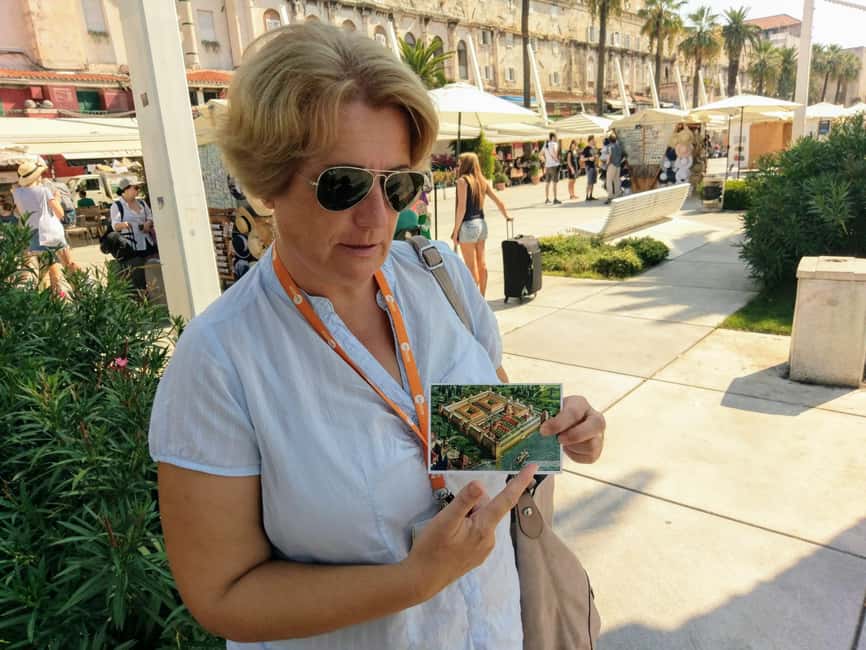
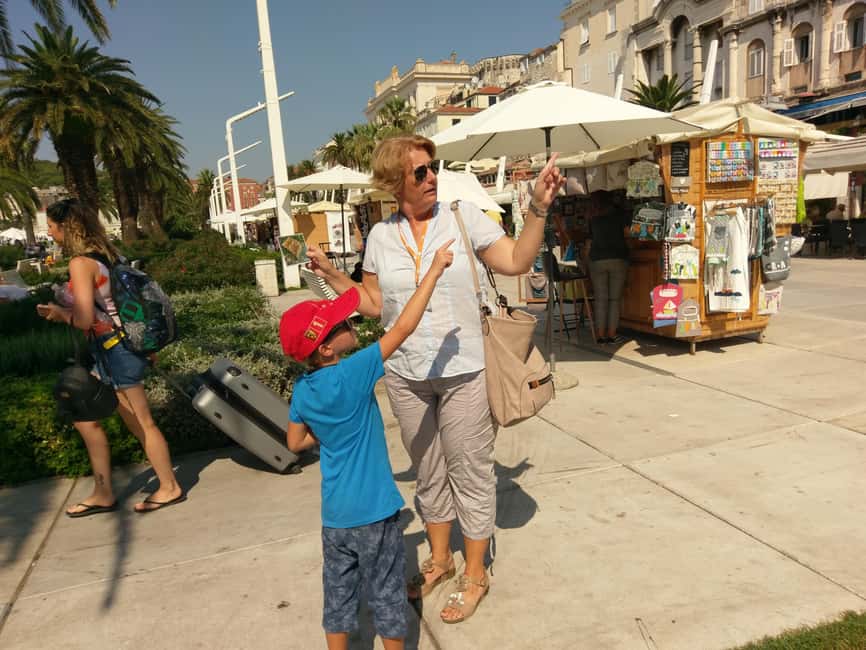
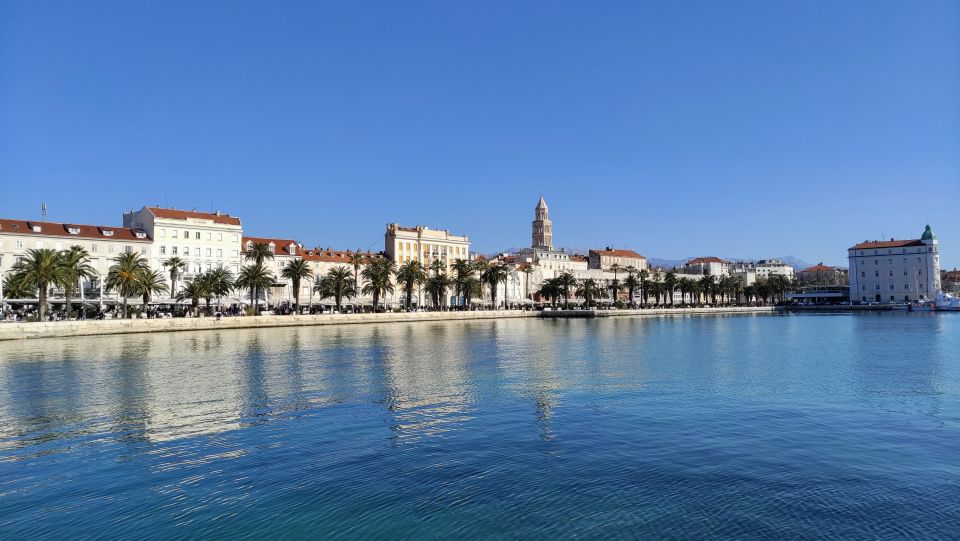
This experience starts on the promenade at Riva, right in front of the cellars entrance. It’s a smart setup. Riva gives you instant orientation—waterfront energy, the main stage where people gather—and then you move from open air into the palace core.
You’ll spend a short stretch at Riva first. That matters because Split’s old town can feel tight and confusing. Taking a quick moment at the waterfront helps your brain build a reference point before you start climbing into history.
Then you’ll hit the Green Market. Even with limited time, the point isn’t to shop for hours. It’s to get that real Split texture: produce, everyday commerce, and the sense that locals still use these spaces, not just tourists. If you’re sensitive to crowds, markets can be a mixed bag in summer—bright, busy, and a little chaotic—but it’s also one of the fastest ways to feel the city beyond monuments.
There’s a second market stop later at the Split Fishmarket, and that one tends to feel even more “this is how the day starts” than the Green Market. If you like watching daily routines, you’ll appreciate having both.
Peristil and the Palace Steps: Understanding the Roman Plan
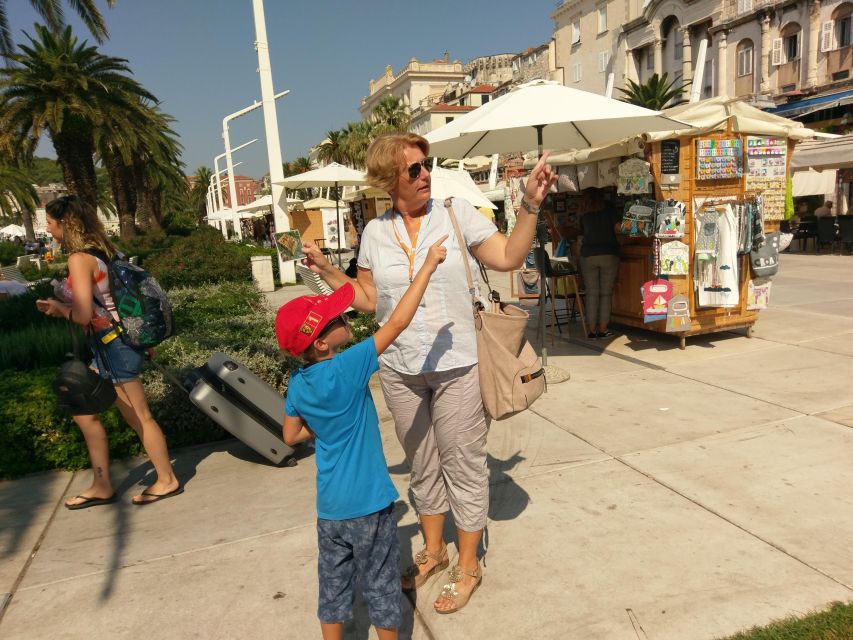
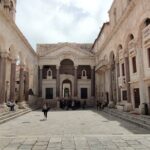
The walk up to Peristil is where the pace starts to feel like a story, not a list of stops. Peristil is the ceremonial center linked to Diocletian’s vision and the cult of the living son of Jupiter. Your guide points out what the spaces were for, so the geometry makes sense.
You’ll also see the temple tied to that cult. Even if you’re not a Roman-nerd (no judgment), it’s one of those moments where your understanding improves in minutes. You stop seeing random buildings and start recognizing intended movement: where you would gather, where you would approach, and where rituals would belong.
This part of the tour also includes stairs. The good news is you’re doing it as part of a guided explanation, not as a random climb. The downside is simple: bring comfortable shoes, because there will be uneven surfaces and you don’t want sore feet by the time you reach the best viewpoints.
St. Duje Cathedral: Mausoleum Roots and a Dress-Code Reality Check
After Peristil, you’ll get to St. Duje Cathedral, dedicated to St. Duje, who’s the patron of Split. The guide will connect it back to the palace, because the cathedral is originally the mausoleum of Diocletian.
It’s also described as being said to be the oldest cathedral in the world. Even if you treat that as a claim with a wink, it still gives you context for why Split guards this site so closely. It’s not just a church you pass through. It’s a major marker of how ancient power transformed into later religious life.
Here’s the practical bit: shoulders and knees must be covered to enter the cathedral. In summer, that can catch you off guard if you show up in light shorts and a tank top. Carry a lightweight layer or choose clothing that already fits the rule. Your guide can’t fix your outfit at the doorway, and it would be a shame to lose this stop because of fabric.
Golden Gate, Gregory of Nin, and the Big Photo Stops That Still Teach You Something
This tour includes classic Split icons: the Golden Gate, the Gregory of Nin Statue, and several stops around the squares. They’re photo-friendly, sure. But with a good guide, they also become shortcuts to understanding the city’s timeline.
Golden Gate is one of those landmarks you can’t really miss once you see it. The guide frames it within the palace layout so it feels less like a standalone monument and more like a built entrance to an imperial world.
Then you’ll stop at Gregory of Nin for photos. It’s a statue that locals treat like a point of pride, and your guide helps explain why it matters. This is one of the moments where a little context makes the picture better later, especially if you’re sharing it and want to add something meaningful in the caption.
You can also read our reviews of more city tours in Split





People’s Square and the Venetian-Era Feel in Pjaca
Next comes People’s Square, also known as Pjaca, connected to the Venetian rule period. If you’ve ever wondered why some old towns feel more “European city” than “ancient site,” this kind of square is why. It’s where you feel everyday urban life set inside monumental walls.
You’ll have a photo stop and time to look around, and there are shops nearby. The goal here isn’t a shopping spree, but you’ll get a feel for the neighborhood rhythm. If you want a quick snack or coffee near the end of the tour, this is a good area to understand first.
You’ll also pass by the Old Town Hall area and the Fruit Square, with more short photo-and-look stops. These aren’t the kind of spots where you need to linger for an hour. Think of them as punctuation marks: quick, sharp, and helpful for building a mental map of central Split.
Fishmarket and the Ending at Riva: Food Energy Before You Depart
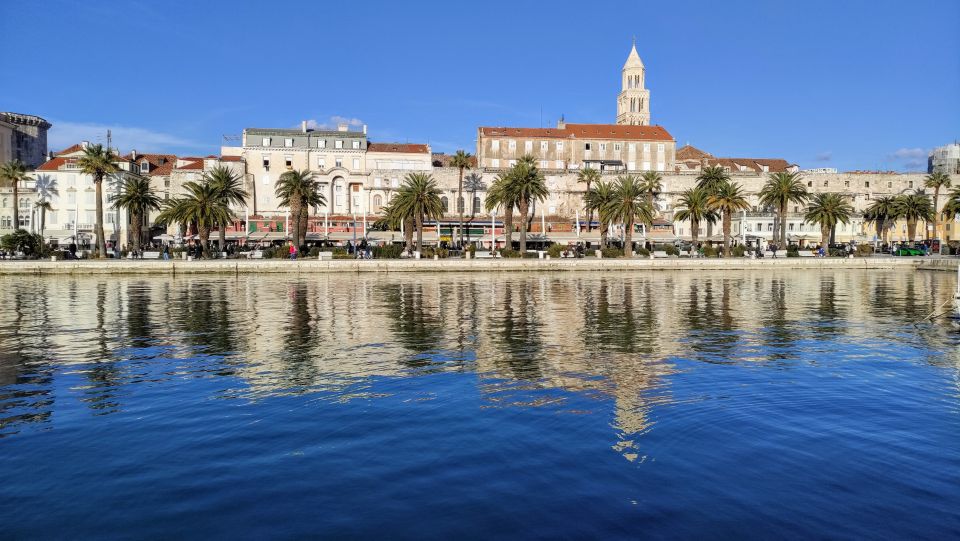
By the time you reach the Split Fishmarket, you’re shifting from monument mode to city-life mode. The fishmarket is short, but it’s effective. You see what the area smells like and feels like when the city isn’t doing history performance. If you like watching people work—vendors, customers, the flow of movement—you’ll appreciate the brief stop.
Then the tour wraps back at Riva, the waterfront packed with restaurants and cafes. That timing is practical. You’ve just been on your feet through stone corridors and stairs. Ending by the water gives you an easy transition to dinner or a relaxed last look at the city lights.
It also helps if you’re planning a later evening activity. You’ll finish in the kind of location where it’s easy to meet up, take a break, or head somewhere else without guessing your route.
Private Guidance and the Guides Who Bring Split to Life
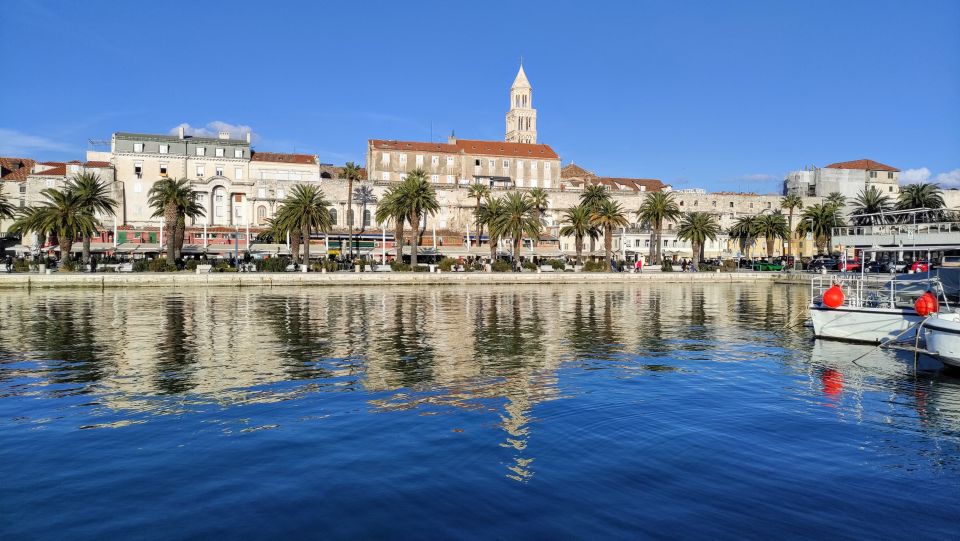
The best part of a private walking tour is simple: you don’t fight for the guide’s attention. Your guide can adjust the tempo, slow down for questions, and choose how much focus to place on the parts you care about most.
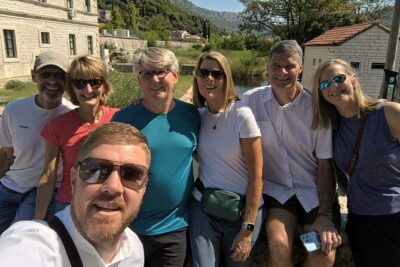
This is where guide personalities matter. In past tours, Zrinka and Zinka have shown up as engaging guides with strong command of French and plenty of humor, plus a habit of sharing helpful local tips for what to do next. Yvonna has been praised for bringing genuine love for the city and making the experience feel personal. That combination—accuracy plus personality—is the difference between hearing facts and actually enjoying the walk.
If you’re someone who likes to ask why something was built, what a symbol means, or how Roman design connects to later Split, you’ll likely get a lot from the one-on-one format.
Price and Value: When $141 Per Group Makes Sense
The price is listed as $141 per group (up to 20 people). That pricing model can be a strong value if you’re traveling with friends or family and can share the cost. For a solo traveler, it may feel steeper, but the private format still gives you flexibility that group tours often don’t.
Also remember what’s and isn’t included. You get a licensed guide, but entrance fees to the cathedral and cellars are extra. Factor that in and your true total becomes clearer. If you’re budgeting tightly, it’s worth planning for those entries so you don’t end up cutting the experience short.
Duration is 2 hours, which is a sweet spot for a first taste of Split’s core. You’ll leave with a solid mental map and enough stops covered that returning later feels easier.
Practical Tips So Your Feet Match Your Ambition
A few things you should take seriously before you go:
- Wear comfortable shoes. The walking surfaces include uneven ground, and there are stairs as you move toward Peristil.
- Dress for the cathedral. Bring something that covers shoulders and knees.
- Expect some stairs. This tour includes moving up from the palace areas toward Peristil.
- Bring water in summer. The tour is short, but Split heat can still hit hard.
- Plan for entrances. Cellars and cathedral entry are not included, so have some cash/card ready.
Also, the tour is listed as wheelchair accessible. That’s great, but it doesn’t erase real-world movement challenges like curb cuts and uneven stone. If you rely on a wheelchair, it’s worth confirming what routes and assistance you’ll have so you don’t meet surprises mid-walk.
Who This 2-Hour Split Walk Is Best For
This tour fits you if:
- you’re visiting Split for the first time and want the core sites in a tight timeframe
- you like architecture explanations that turn a confusing maze into a logical route
- you want a private experience with pace control
- you’re interested in how Roman structures shaped later city life
It’s less ideal if:
- you want lots of wandering through small alleyways for hours
- you prefer slow, open-ended exploration instead of monument-and-squares coverage
Should You Book This Split City Center Private Walk?
I’d book it if you want a fast, confident introduction to Split’s most important places—Diocletian’s Palace, Peristil, St. Duje Cathedral, and the central squares—while keeping the walk manageable at 2 hours. The private format makes it easier to ask questions and tailor the tempo, and the guide-led connection between spaces is the real value.
If your idea of the perfect Split day is hours of side streets and random corners, consider doing this as your morning plan or first orientation, then spend the afternoon roaming on your own. That way you get both the big landmarks and the quieter discoveries.
FAQ
How long is the Split city center private walking tour?
It lasts 2 hours.
Is this tour private?
Yes. It’s a private group.
Where do we meet?
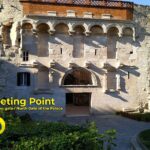
Meet on the promenade Riva in front of the entrance to the cellars of Diocletian’s Palace, Obala Hrvatskog narodnog preporoda 15b, 21000 Split, Croatia.
What’s included in the price?
A licensed guide is included.
What isn’t included?
Entrance fees to the cathedral and cellars are not included, and transfers are not included.
Which languages are available for the live guide?
The guide offers English, French, and Croatian.
Is the tour wheelchair accessible?
Yes, it is listed as wheelchair accessible.
What should I wear for the cathedral?
You need shoulders and knees covered to enter the cathedral.
Is free cancellation available?
Free cancellation is offered up to 24 hours in advance for a full refund, and the information also notes free cancellation up to 14 days before the tour for a full refund.