REVIEW · SPLIT
Split: Walking tour of Split with a ‘Magister’ of History
Book on GetYourGuide →Operated by HISTORY TOURS SPLIT, vl. Toni Šare · Bookable on GetYourGuide
A quiet doorway into Roman life is hard to beat. This walking tour of Split’s old core is led by Toni Šare, a local history master and former teacher, and it turns stone and shadows into a story you can actually follow. I love how the pacing moves from the palace origins toward later layers of Split, and you’ll get real dialogue along the way, not just a lecture.
Second, I really liked the way Toni uses 3D reconstructions to show what the palace buildings looked like when they were whole. You don’t just see a wall and guess. You see the ruins, then the likely original form, then how medieval and later life worked itself into that same space.
One consideration: this is a walking tour with palace steps and uneven old-town ground. It’s not suitable for wheelchair users, and it may feel like a lot if you’re sensitive to sun or rain (they run it rain or shine), so plan for comfort and bring water.
In This Review
- Key things that make this tour worth your time
- Entering Split at the Bronze Gate, and why the start matters
- Diocletian’s Palace: where Roman power became the city center
- Cellars and basement halls: the hidden machinery under the palace
- The Peristyle square: where 3D visuals make the ruins legible
- Vestibule, Triklinij, and the palace’s daily rhythm
- The Cathedral of Saint Domnius and Jupiter’s Temple: old worship, new meaning
- Golden Gate and the palace walls: Roman spine, medieval and Venetian layers
- Where Toni’s teaching background shows: questions, pace, and how you learn fast
- 3D reconstructions: the tool that turns guessing into understanding
- Price and time: does $33 deliver real value?
- What you’ll see, in plain walking order
- Who should book this tour
- Should you book this Split history walk?
- FAQ
- Where is the meeting point?
- How long is the walking tour?
- What is included in the price?
- Do I need to pay for entry to museums during the tour?
- Is there food included?
- What language is the tour guide?
- What should I bring?
- Does the tour run in bad weather?
- What are the cancellation and pay later options?
Key things that make this tour worth your time
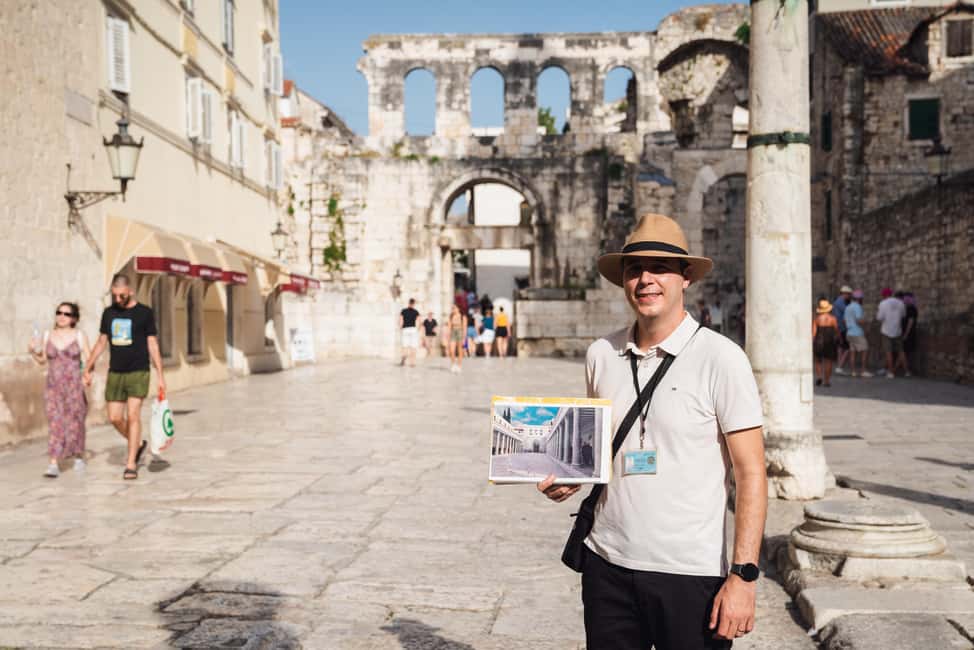
- Toni Šare’s history background as a Master of History and ex teacher means clear explanations and lots of room for questions
- Diocletian’s Palace from the inside, starting at the Bronze Gate and moving through the Roman core
- 3D reconstructions on the walk, so iconic buildings stop being vague shapes
- Layer-by-layer storytelling, from Roman to medieval/Venetian heritage to modern Split
- Smart crowd-and-shade habits, including suggestions to choose an earlier start if you can
Entering Split at the Bronze Gate, and why the start matters
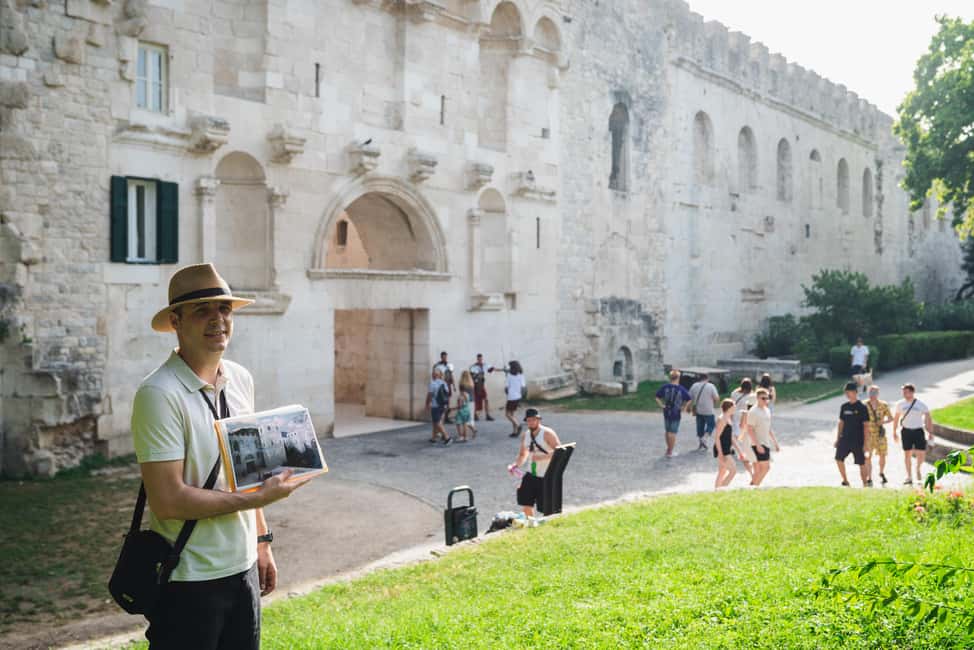
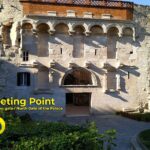
Your tour begins at the Bronze Gate (also called the Brass Gate) of Diocletian’s Palace, on the seafront side near the Riva Promenade. The meeting address is Obala Hrvatskog narodnog preporoda 22, and the easiest way to find it is to locate the promenade first, then walk toward the palace gate along the water.
This matters more than you might think. Starting at the southern entrance gives you an immediate sense of the palace as a designed world, not just a pile of ruins in the old town. When the guide points out where people entered, worked, or moved through, the rest of the walk clicks into place.
Toni leads with context fast, then slows down when the palace architecture gets interesting. You’ll get a short intro near the water, and then you’re walking into the Roman-era spine of Split.
You can also read our reviews of more walking tours in Split

Diocletian’s Palace: where Roman power became the city center
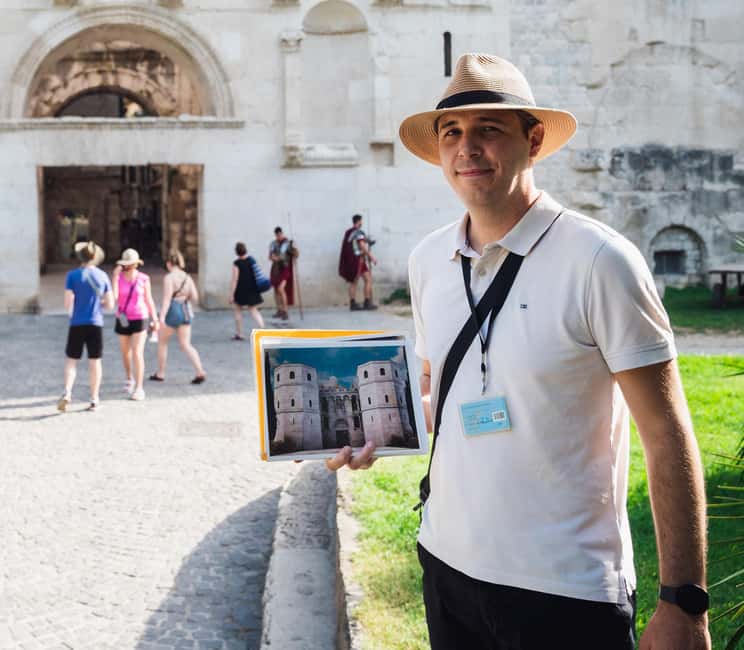
The heart of Split is Diocletian’s Palace, and Toni frames it as the origin point of the old town. Over time, the palace stopped being only a private Roman residence and became the direct center of Split, with later residents building into and around what was already there.
The palace has a rare feature: it isn’t just ruins you peer at from a distance. You can walk through major architectural spaces that still have structure, proportions, and recognizable functions. That is why this tour works even if you’ve seen photos before. Here, you’re building a mental map in real time.
At the Bronze Gate, you move into the palace quarter and start seeing how the city’s later layers grew on top of Roman foundations. Toni keeps the conversation going, so if you’re the type who asks why a place looks the way it does, this tour rewards that habit.
Cellars and basement halls: the hidden machinery under the palace
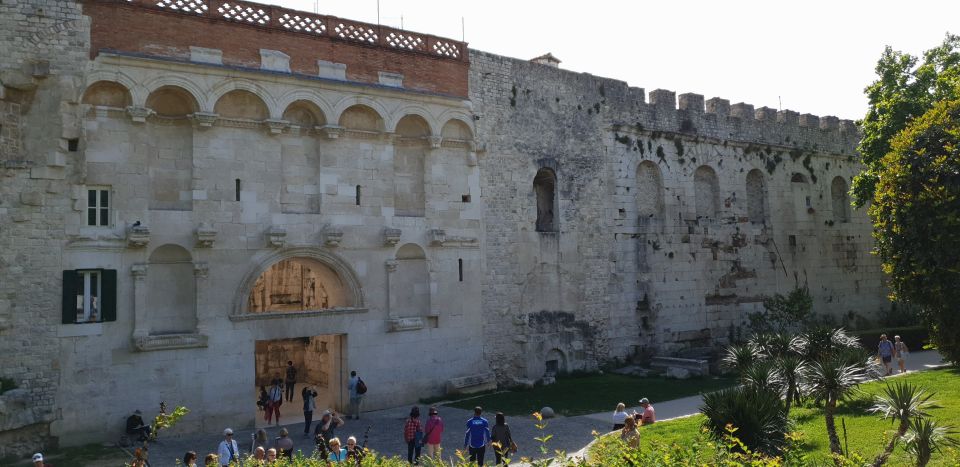
One of the stops is Diocletian’s cellars, also referred to as basement halls. You pass by them first, then there’s a brief pause where Toni addresses questions. This is a good segment if you like practical explanations, because underground spaces force you to think about daily life: storage, organization, and how power protected itself.
The layout here can be confusing if you’re wandering on your own. A guided walk helps you connect what you see above ground with what likely happened below. Toni’s teaching style shows up most in moments like this, when he slows down, checks understanding, and answers in plain language.
If you’re traveling with kids or teenagers, this is often where attention stays locked in. Not because it’s scary, but because the rooms feel like a puzzle with a clear solution.
The Peristyle square: where 3D visuals make the ruins legible
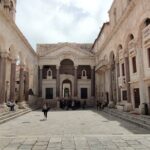
Next you reach the Peristyle, a preserved Roman-made square that functions like the palace’s central room. Toni takes this space seriously, because it holds some of the most iconic structures tied to Diocletian’s presence: the Mausoleum of Diocletian, the Temple of Jupiter, and the Vestibule.
Here’s the big value of the tour: you see the modern condition of the site, then you’re shown what those parts may have looked like in their original form. With the help of Toni’s 3D reconstructions, the palace stops being a collection of separated points and starts reading like a connected complex.
The Peristyle is also the best place to notice how Roman architecture carries forward into later religious and civic life. Even when buildings change use, the Roman skeleton still influences scale and movement. Toni points out those links as you stand in the square.
Vestibule, Triklinij, and the palace’s daily rhythm
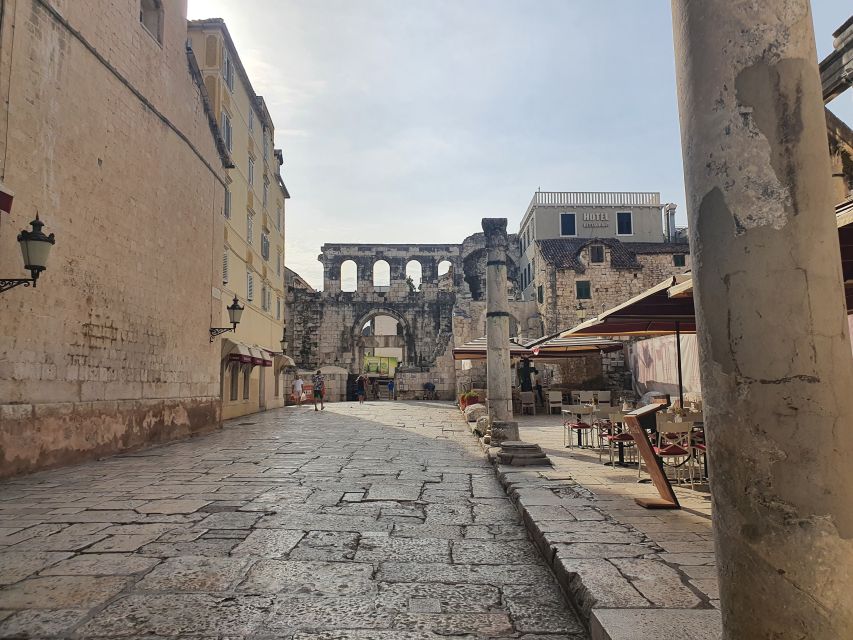
You’ll also move through key interior-adjacent areas: the Vestibule and the Triklinij. These are palace spaces that help answer a common visitor question: what did it feel like to live inside a fortress-palace that was also a residence?
The Vestibule segment is short, but it’s useful because it bridges the public-looking spaces and the more private world within the palace. The Triklinij is tied to dining and ceremonial life, so Toni’s explanations typically focus on function—how space shaped behavior.
If you’re picturing these places as dark, empty corridors, Toni’s reconstructions and context help you imagine them in motion. That’s the difference between seeing “ancient stuff” and understanding how people used it.
You can also read our reviews of more historical tours in Split

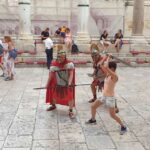
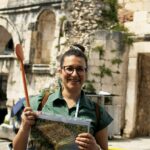
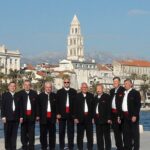
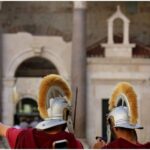
The Cathedral of Saint Domnius and Jupiter’s Temple: old worship, new meaning
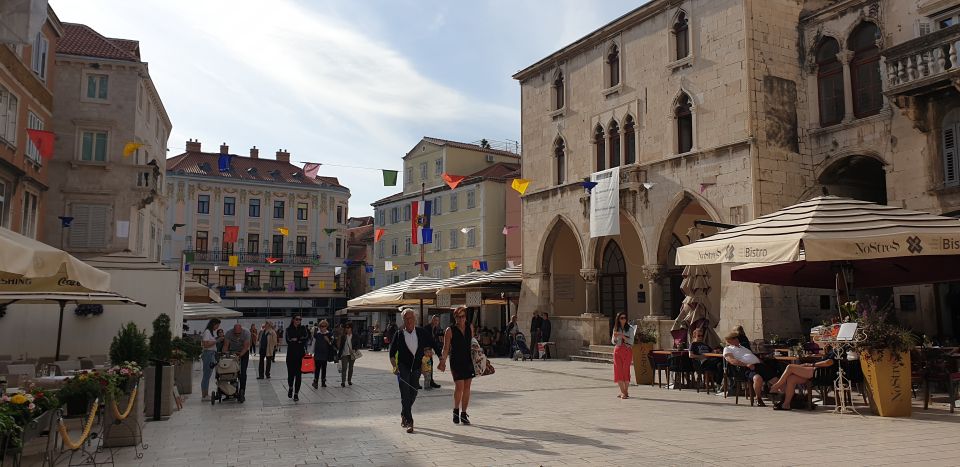
As your walk continues, you pass by the Cathedral of Saint Domnius and Jupiter’s Temple. Toni uses these stops to show that Split didn’t erase the Roman past. It repurposed parts of it, and that repurposing shaped the city’s identity.
Even if you’re not a church person, this part can be rewarding because it teaches you how religious architecture often grows from earlier sacred sites. The forms may change over centuries, but the sense of continuity stays visible if you know what to look for.
In a place like Split, where multiple eras share the same street corners, a guide’s ability to explain cause and effect makes your own self-guided wandering afterward easier. You start recognizing what you’re looking at.
Golden Gate and the palace walls: Roman spine, medieval and Venetian layers
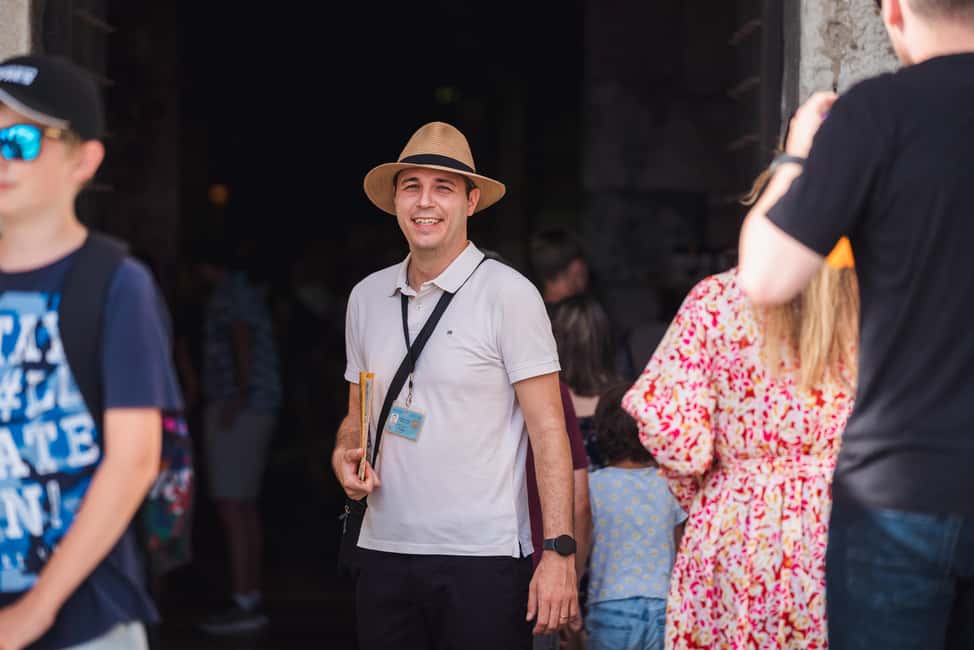
You’ll pass through the Silver Gate and then reach the Golden Gate area. Toni guides you through key transitions, the moments where one kind of building logic stops and another starts.
One of the most memorable visual anchors is the statue of Bishop Gregory of Nin, visible along the North Wall of the palace. It’s an easy landmark to remember later when you’re exploring the square areas around the palace walls.
Toni also brings you out through parts of the palace boundary so you can see the remnants of Venetian and medieval heritage. This matters because Split’s old town isn’t only Roman shell. The city is a set of historical overlays, and the walk shows how the layers relate instead of treating them as separate tourist checklist items.
Where Toni’s teaching background shows: questions, pace, and how you learn fast
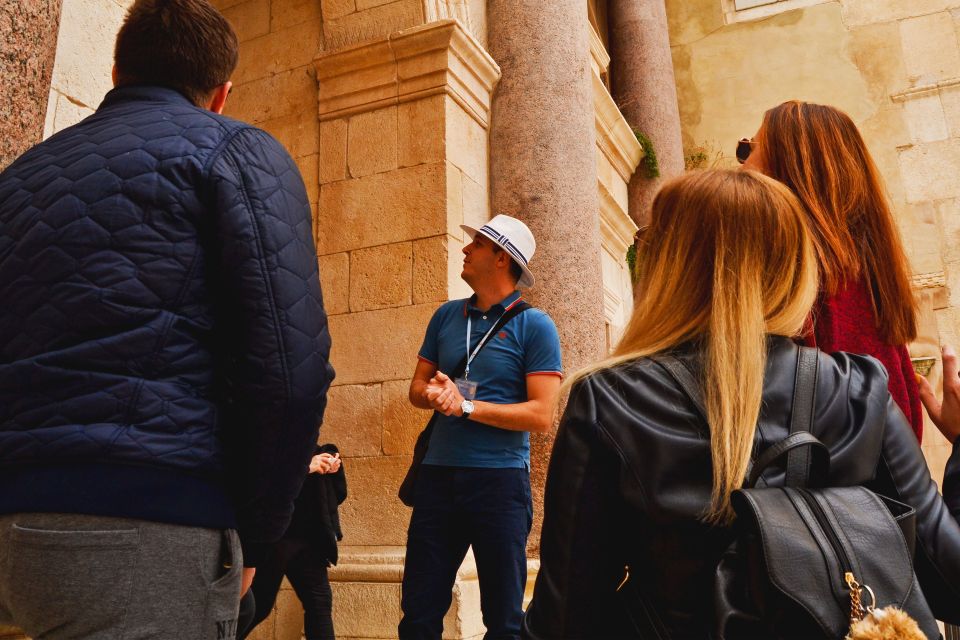
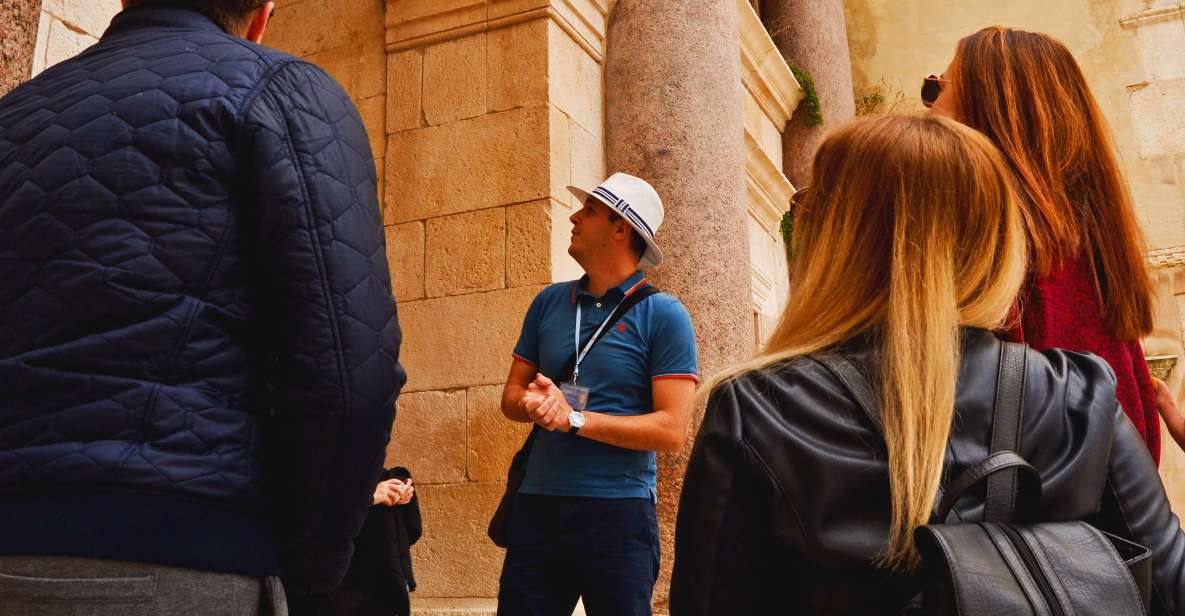
Toni’s former teacher background comes through in the structure of the tour. He encourages questions, and the tour includes moments where the group can pause and get answers instead of being dragged onward before you understand what you’re seeing.
The pace also helps. Several people note that Toni takes care with shade and quieter routes when possible, and it makes a difference in a coastal old town where the sun and crowds can hit fast. If you have a choice of time slots, I’d pick an earlier start. You get more control over your comfort and fewer bottlenecks for photos and listening.
One more detail that adds value: Toni uses visual materials beyond what you can read from plaques. Some guests mention printed images and his custom reconstructions, and that kind of added support makes the Roman scenes feel more concrete.
3D reconstructions: the tool that turns guessing into understanding
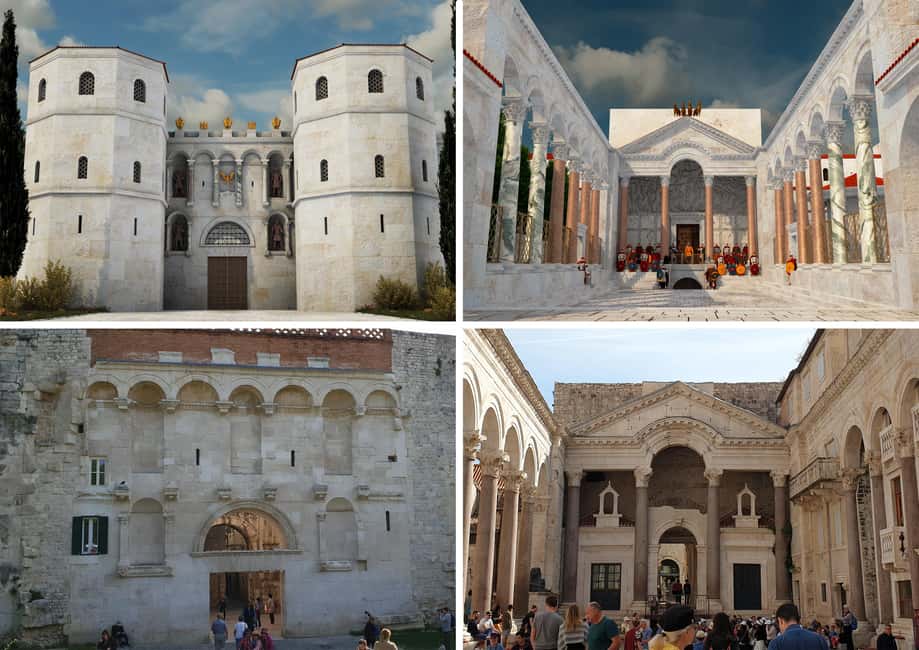
Let’s talk about the reconstructions, because this is the core differentiator. The tour includes 3D reconstructions of the most iconic structures, and they help you compare today’s ruins with what the buildings likely looked like at their peak.
This doesn’t turn Split into a theme park. It does something more practical: it gives your brain an anchor. When you stand in the Peristyle or near the vestibule areas, you can visualize sightlines and building heights. When you see a gate, you can imagine traffic and movement through the palace entry system.
For value, that’s huge. A walking tour without visuals can still be good, but with reconstructions you get a stronger payoff per minute. You leave with fewer blank spots, and you notice more on the walk back outside the palace.
Price and time: does $33 deliver real value?
At $33 per person for about 110 minutes, you’re paying for three things: a local historian with a history master’s background, a focused route through the palace core, and custom 3D visual storytelling. That’s not the cheapest style of tour, but it’s also not priced like a museum ticket.
The value argument gets stronger because you are not dependent on paid museums during the walk. You won’t enter ticketed sites or museums, and the palace itself doesn’t require admission to view during this experience. So your money goes toward interpretation and explanation, not queues and entry fees.
Is it worth it if you only want a casual stroll? If you’re happy with “pretty buildings and cool photos,” you might not get full value. If you want to understand how Split became Split, and you like the why behind the stone, this tour hits its mark.
What you’ll see, in plain walking order
Here’s the practical flow of what you’ll experience, so you can picture it before you go:
- Start at the Bronze Gate near the seafront promenade and get the quick orientation
- Pass by Diocletian’s Cellars, then take a short pause in basement halls for questions
- Walk through Diocletian’s Palace with guided stops and sightseeing, focusing on major palace spaces
- Reach the Peristyle square and connect key structures around it
- Move on through the Vestibul and Triklinij areas as part of understanding daily life and function
- Pass by Saint Domnius Cathedral and Jupiter’s Temple to show the continuity of sacred and monumental spaces
- Go through the Silver Gate, then finish around the Golden Gate area
A lot of tours skim. This one organizes the palace so you can build a mental picture as you walk.
Who should book this tour
This is a strong pick if you:
- Want Roman roots, but also enjoy how medieval and Venetian life shaped the same streets
- Like asking questions and getting straight answers
- Enjoy visuals, especially 3D reconstructions that help you see beyond ruins
It’s less of a fit if you:
- Need wheelchair access (this tour is not suitable for wheelchair users)
- Prefer very short, low-walking experiences
- Have trouble with uneven ground and wet weather conditions, since it runs rain or shine
Should you book this Split history walk?
If your goal is to understand Split beyond surface photos, I think you should book this. You’re not just walking around Diocletian’s Palace; you’re learning how it became the city center and how later eras built their lives over Roman planning. Toni Šare’s teaching tone, the encouraged dialogue, and the 3D reconstructions make the experience feel earned instead of rushed.
If you’d rather stay vague and free-form, you might be fine skipping a guide. But if you want the palace to make sense when you’re done, this is one of the clearest ways to get that outcome in about 2 hours.
FAQ
Where is the meeting point?
The meeting spot is at the Bronze Gate (Brass Gate) of Diocletian’s Palace. The address is Obala hrvatskog narodnog preporoda 22.
How long is the walking tour?
The tour lasts about 110 minutes.
What is included in the price?
The tour includes the guide and 3D reconstructions of sites.
Do I need to pay for entry to museums during the tour?
No. The tour does not enter paid sites or museums, and entering Diocletian’s Palace does not require admission for this experience.
Is there food included?
No. Food and drinks are not included.
What language is the tour guide?
The tour is in English.
What should I bring?
The tour notes say to bring drinks.
Does the tour run in bad weather?
Yes, the tour takes place rain or shine.
What are the cancellation and pay later options?
You can cancel up to 24 hours in advance for a full refund, and there’s a reserve now & pay later option where you can book and pay nothing today.