REVIEW · SPLIT
Split: Private Roman History & Market Tour
Book on GetYourGuide →Operated by Intrepid Urban Adventures - Europe · Bookable on GetYourGuide
Roman walls meet market snacks in Split. This private 2-hour walk pairs Diocletian’s Palace with the Green Market, so you see how history and daily life sit side by side. I especially like that you step into private palace spaces like the Vestibule and Golden Gates, not just the main square view.
I also love the food focus. You’ll sample local seasonal items and hear how locals shop at the Green Market, including why the best way into a Dalmatian’s heart is through the stomach. One drawback to plan around: it’s short, so you won’t include extra paid stops like the Temple of Jupiter, bell tower, or the underground palace.
Quick tip before you go: locals genuinely want you to appreciate Split. If you share that attitude, you’ll find people warm and chatty. This is also a carbon neutral tour run by an eco-certified, B Corp–style operator, so you can feel good about the footprint.
In This Review
- Key things you’ll notice on this Split tour
- Starting on the Riva: where the tour sets the pace
- Diocletian’s Palace: secrets you can feel in the walls
- The Green Market tastings: learn the shopping culture, not just eat samples
- Gregory of Nin’s golden toe: legend you can do in one minute
- Iliryan-to-Dalmatian rituals: how older beliefs stay visible
- Peristil: where Roman scale meets a living city
- Finishing on the Riva: a practical handoff to your evening
- Price and value: what $280 per person actually covers
- Carbon neutral and family-friendly: small details that change the experience
- Should you book this private Split Roman history and market tour?
- FAQ
- How long is the Split Private Roman History & Market Tour?
- Is this tour private or shared?
- Where do we meet for the tour?
- What’s included in the price?
- Are entrance fees included for all palace sites?
- What food will we taste at the Green Market?
- Is the tour carbon neutral?
- Can children join the tour?
Key things you’ll notice on this Split tour
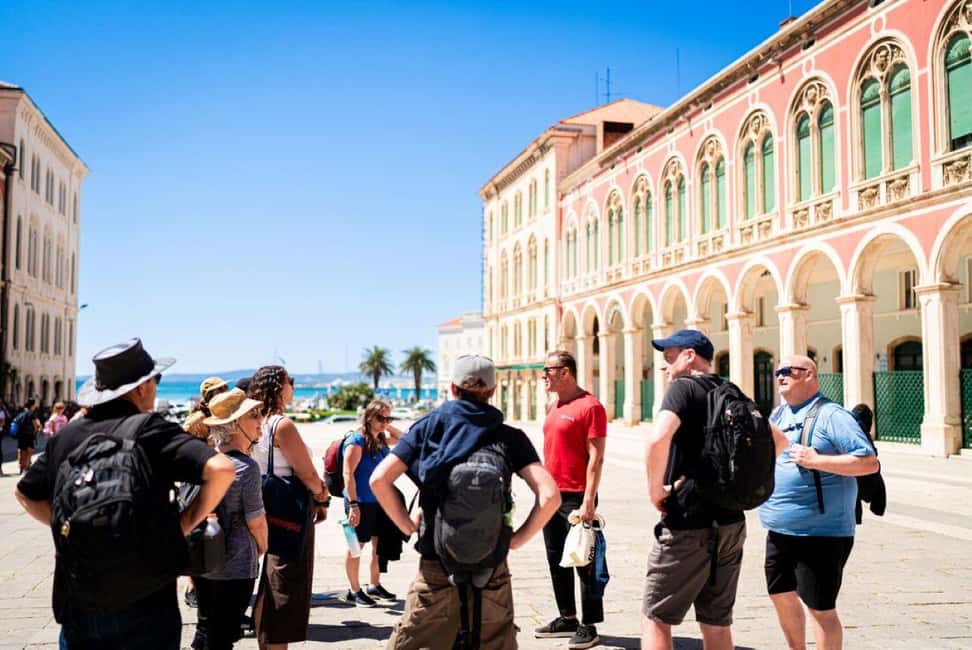
- Diocletian’s Palace access beyond the usual paths, including the Vestibule and Golden Gates
- Green Market tastings like olive oil, rakija, cheese, dry figs, plus seasonal produce
- Local stories tied to rituals reaching back to Iliryan times
- Gregory of Nin’s golden toe wish moment, with context for the local legend
- Hajduk Split explained and why the name shows up around the city
Starting on the Riva: where the tour sets the pace
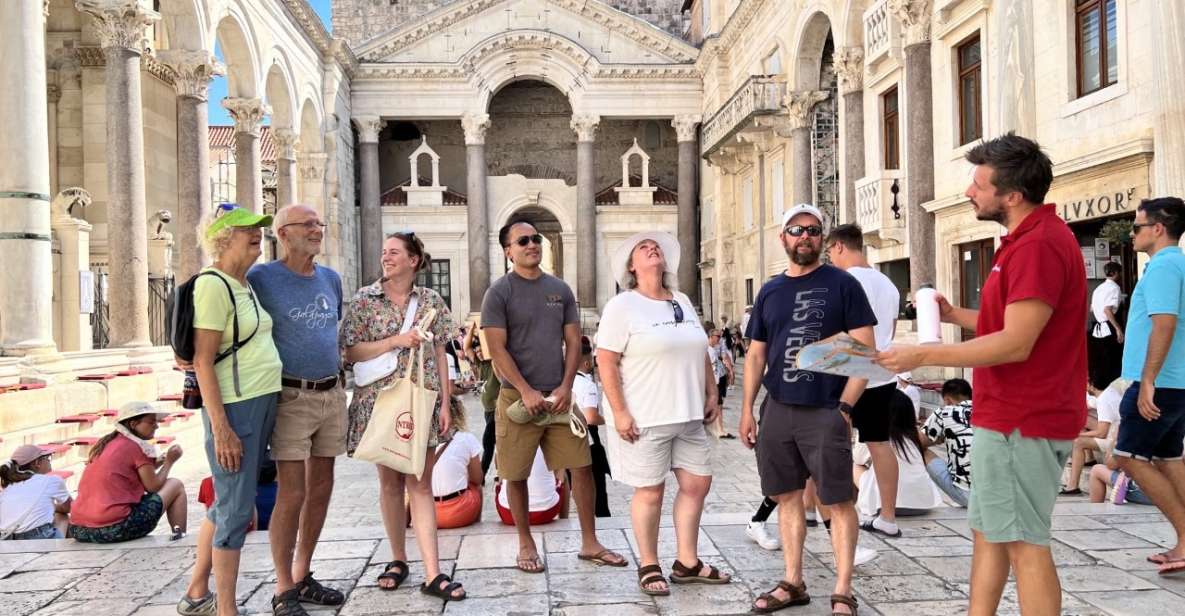
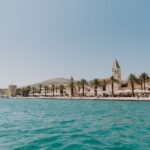
Most good city walks start with a clear place to meet, and this one does. You’ll meet at the beginning of the Riva promenade, near the mock-up model of the city and the iron map. That’s helpful because it gives you an instant sense of where you are in old Split, even before you hit the palace walls.
Because the group is private, the pace usually feels human. You aren’t stuck following a herd, and you can ask questions as you go—especially useful in a place like Diocletian’s Palace, where the layout can feel like a puzzle at first glance.
If you’re sensitive to walking time, note the tour is just 2 hours. That can be perfect for an afternoon, but it does mean there’s no time for long detours or slow browsing in every side street. Think of this as an efficient orientation plus a couple of memorable stops, not a full-day museum tour.
You can also read our reviews of more private tours in Split


Diocletian’s Palace: secrets you can feel in the walls
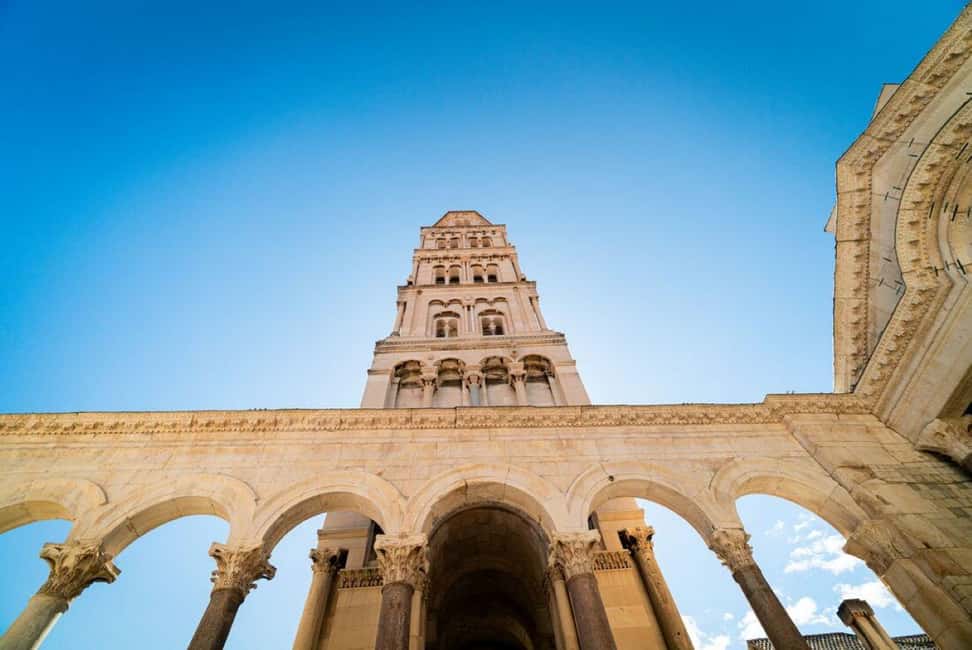
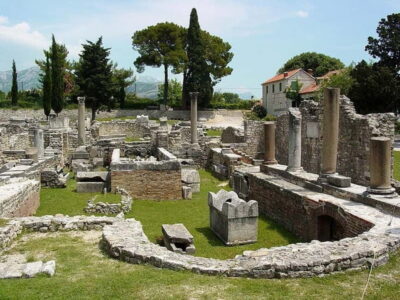
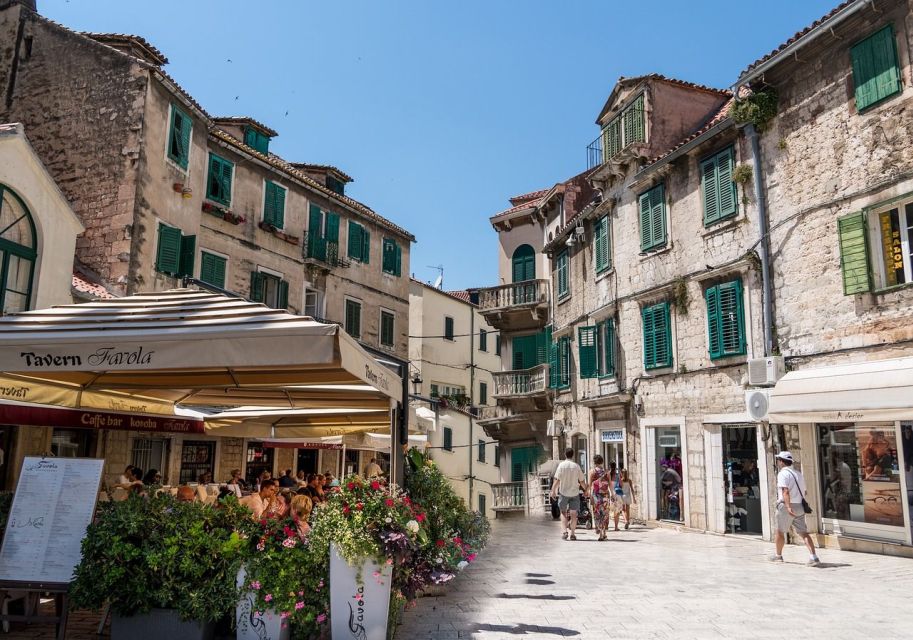
Diocletian’s Palace isn’t just a big ruin. It’s still a lived-in place, with Roman bones under medieval and modern layers. That’s why this tour works: you aren’t only hearing dates. You’re walking spaces that still shape daily life.
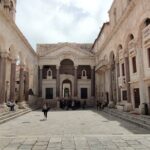
You’ll visit key areas inside the palace walls, including the main square, a private section of the palace, the Vestibule, and the Golden Gates. Those names matter because they’re not all public-facing in the same way. The Golden Gates, for example, are the kind of spot where the stone scale hits you. It’s easier to understand why the emperor’s power was meant to be seen and felt.
One of the tour’s best strengths is how it connects architecture to behavior. You’ll hear explanations that make the palace feel personal—like why Diocletian had a thing for salad, and how a bit of the mythic White Stone can be part of local happiness. Even if you’re not into legends, the stories help you notice what’s otherwise easy to overlook.
The palace also doubles as a local meeting ground. Split residents still use parts of the complex as part of normal life, which changes the vibe from touristy to real. You also might spot pop-culture energy around Game of Thrones connections, but the focus stays on Roman roots and how they grew into today.
The Green Market tastings: learn the shopping culture, not just eat samples
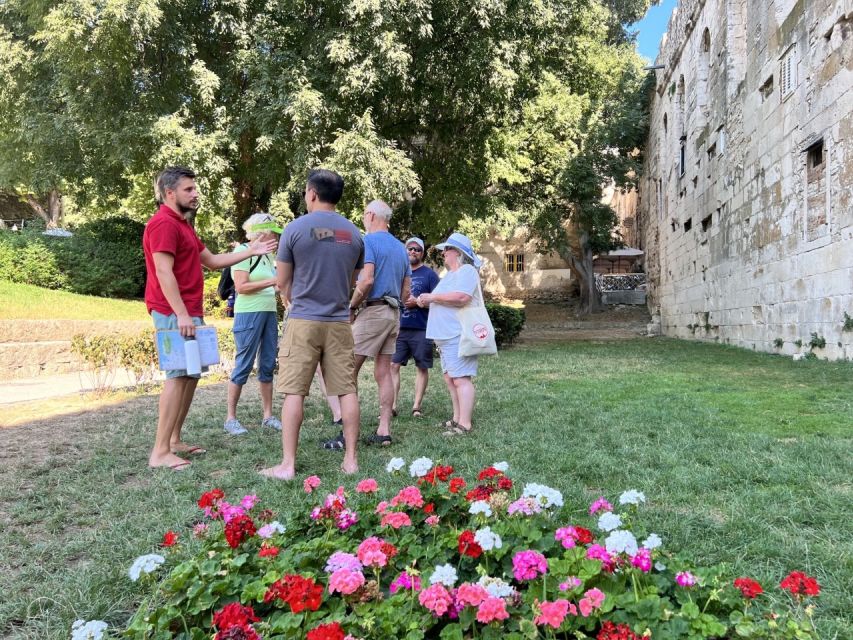
After the palace, the tour pivots to food—and that shift is the whole point. In Split, market culture isn’t a side activity. It’s how locals handle seasons, ingredients, and everyday decisions.
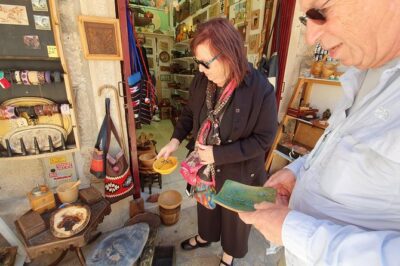
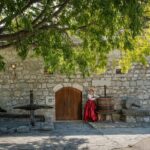
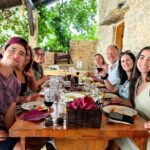
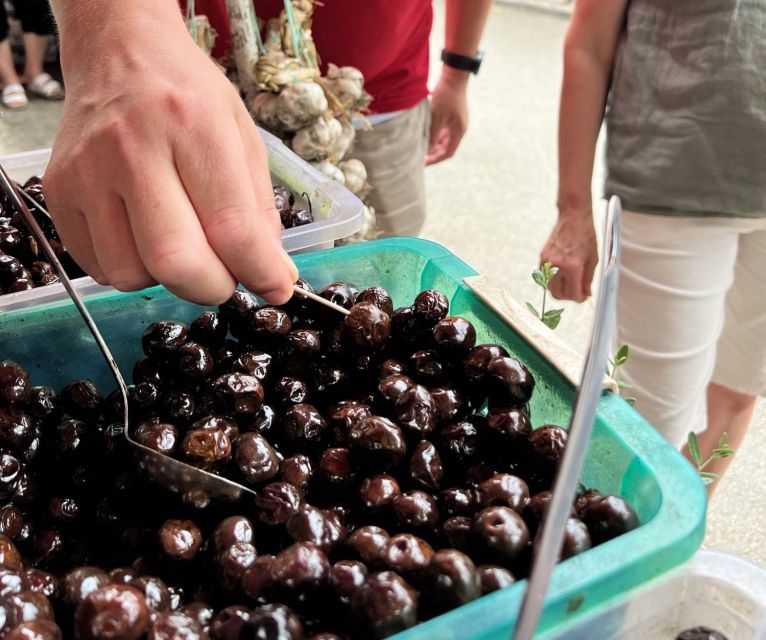
The Green Market stop is built around meeting vendors and tasting seasonal items. Based on what’s included, you may sample fruits, vegetables, olive oil, rakija, cheese, and dry figs. That’s a smart mix because it gives you a few different flavor categories in one quick stretch: fresh produce, a local spirit, dairy, and shelf-stable sweets.
More important than the snacks is what you learn while you’re there. Your guide will explain how locals buy at the Green Market, which helps you shop with confidence later. You’ll start noticing what’s likely to be good that day, how people choose products, and what ingredients show up again and again on Dalmatian plates.
If you’re a foodie, this stop is one of the best “value per minute” moments in the tour. You taste multiple items in a short time, and you also get context so the flavors make sense instead of becoming random bites.
Plan for a light appetite even if you’re not a heavy eater. Tastings can be plenty for a snack, but the tour doesn’t include extra meals or drinks beyond what’s part of the food stop.
Gregory of Nin’s golden toe: legend you can do in one minute
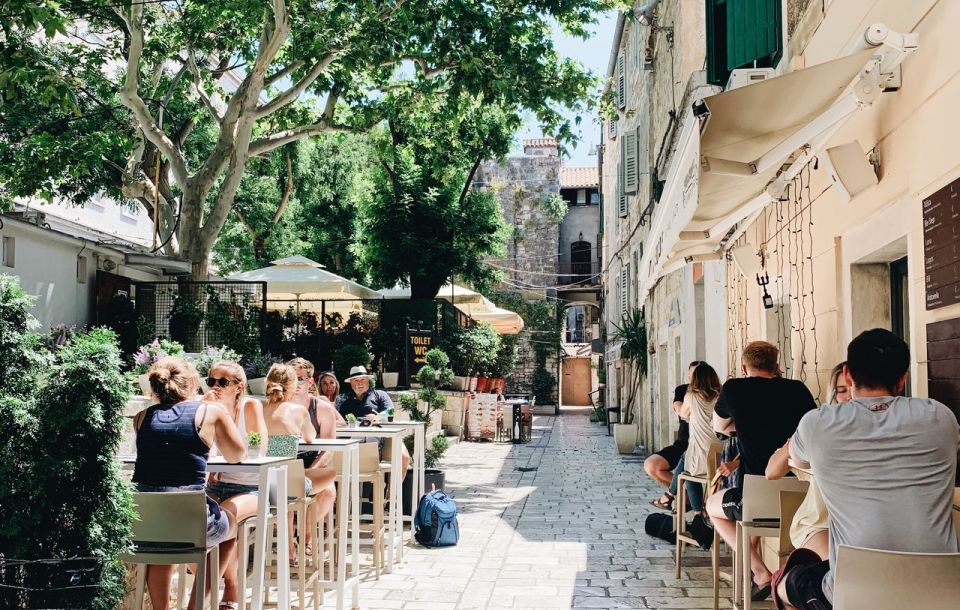
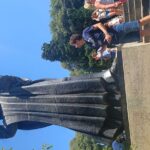
At some point you’ll make a stop for Gregory of Nin—Grgur Ninski—and the famous golden toe. Yes, it’s a small tourist moment. But in Split it also works as a quick doorway into local storytelling.
The guide helps you understand the meaning behind what people do there, rather than treating it as just a photo pose. You’ll be able to make a wish, and more importantly you’ll hear why this figure matters to locals and how that memory survives in public space.
This kind of stop is underrated. In a short 2-hour tour, small landmark moments keep you grounded. You’re not floating from one fact to another. You pause, you participate, and your brain gets an easy anchor for the history.
If you’re traveling with kids, this is also a good moment. It’s interactive without being complicated.
Iliryan-to-Dalmatian rituals: how older beliefs stay visible
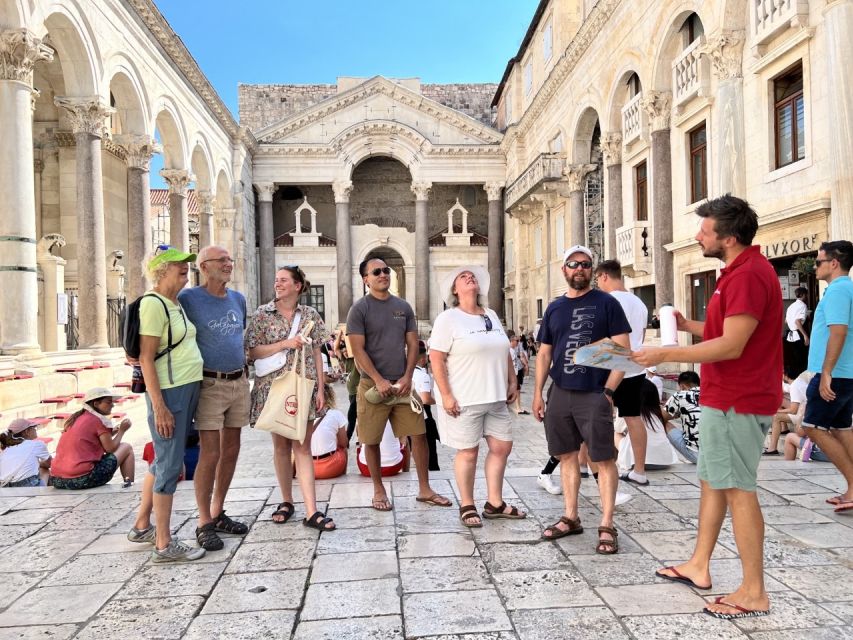
One of the tour’s promises is that you’ll hear about different rituals Dalmatians respect from Iliryan times. Even when you don’t catch every ancient thread, you’ll start seeing how belief systems can echo through rituals, naming, and celebrations.
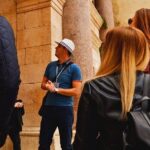
This is where a local guide matters. The tour is led by English-speaking locals born and raised in Split, and you can feel the difference between someone reading facts off a screen and someone translating meaning into plain language. Guides like Ivan and Ted are specifically called out in past experiences, and they’re described as organized, well-paced, and heavy on anecdotes.
You’ll likely hear how these older traditions show up in everyday life. That might mean the way people think about food, symbols, or how they treat certain monuments. The details you get here help you connect the palace stones to the modern streets you’ll walk after the tour.
If you prefer strict dates and timelines only, this portion may feel more story-driven than textbook. Still, for most people, that storytelling approach is what makes ancient places feel human.
You can also read our reviews of more historical tours in Split
Peristil: where Roman scale meets a living city
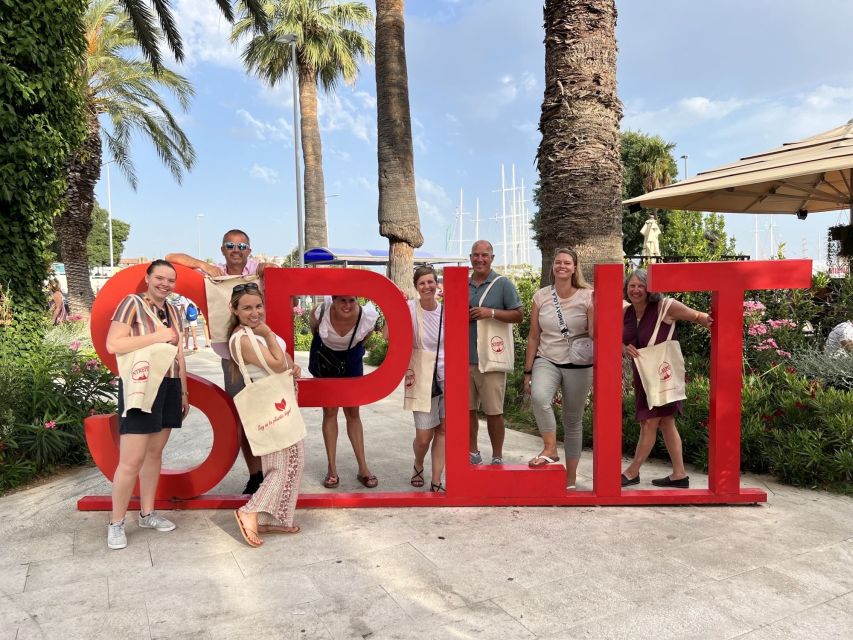
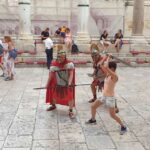
Inside the palace, you’ll reach the Peristil area, the kind of space that gives you an immediate sense of Roman design thinking. The courtyard layout shows power, control, and planning. It’s also a place where you can stand for a moment and notice how the palace’s architecture influences everything around it.
This portion of the tour is where the “world’s best-preserved Roman palace” idea becomes real—not by repeating a slogan, but by letting you feel the layout under your feet. When your guide points out how Diocletian’s life connects to specific zones, you start seeing cause-and-effect instead of scattered sights.
You’ll also get additional touches of legend. The idea of a piece of the White Stone making you happy is one of the ways the tour turns Roman-era space into present-day emotion. It’s a small detail, but that’s what makes it memorable later when you’re walking around on your own.
Because the tour is short, you won’t wander for long. But you’ll get enough of the Peristil to understand why this place is a magnet for both residents and visitors.
Finishing on the Riva: a practical handoff to your evening
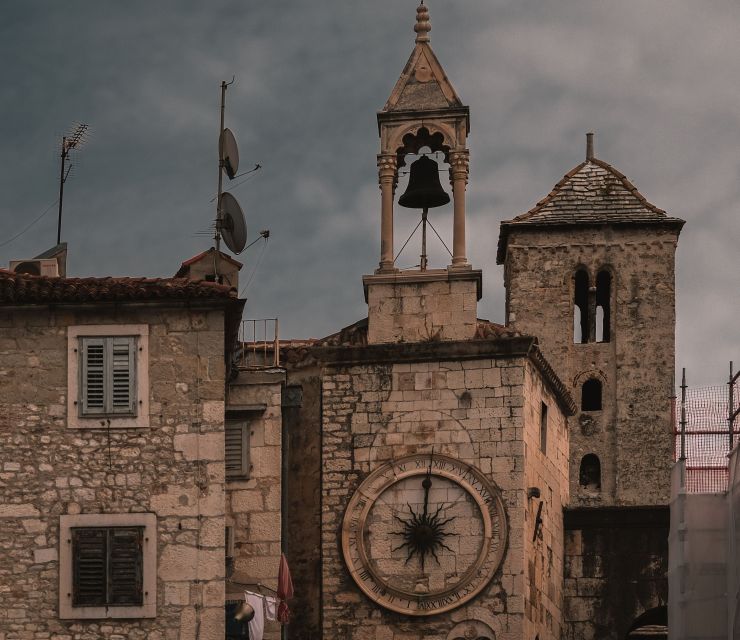
The tour ends on the Riva promenade. That matters because it’s both beautiful and useful. You’ll finish with that satisfied, “I get this place” feeling, and you won’t be left wondering where to go next.
Your guide will point you to favorite coffee shops and good spots for an evening of Dalmatian delicacies and entertainment. Even if you already planned dinner, these recommendations often save you time. In a city with lots of options, direction from someone local is gold.
This is also a good moment to ask follow-up questions while the guide is still with you: what to order next, where to walk for photos, and what neighborhoods feel easiest for an evening stroll.
Price and value: what $280 per person actually covers
At $280 per person for a 2-hour private tour, this isn’t a budget activity. The good news is that the included parts are specific, not vague.
You’re paying for:
- A local English-speaking guide
- A Diocletian Palace visit that includes areas such as the main square within palace walls, a private section, the Vestibule, and the Golden Gates
- A Green Market food stop with tastings, which can include multiple local items such as olive oil, rakija, cheese, and dry figs
What’s not included: extra entrance fees for the cathedral of ex-Emperor mausoleum, the underground of the palace, bell tower, museums, and the Temple of Jupiter. Also, additional food and drinks beyond the tastings aren’t covered.
So the math depends on you. If you want a guided orientation with purposeful stops and you’d otherwise spend time figuring out what to prioritize inside the palace, this price can feel reasonable. If you’re only hunting for self-guided highlights and you plan to pay separate entrances anyway, you might find cheaper options.
For me, the best value angle is the combination: Roman palace structure plus market food culture plus story-based rituals. Many history tours stop at stone. Many food tours stop at snacks. Here, you get both, in one tight package.
Carbon neutral and family-friendly: small details that change the experience
The tour is described as carbon neutral and run by an eco-certified operator committed to using travel as a force for good. That’s not just marketing copy here. It fits the way you’ll experience Split: walking, staying local, and relying on a guide rather than adding extra transport.
It’s also child-friendly. Children under 6 can join free of charge. If you’re traveling as a family, this matters because it turns a “maybe we’ll skip history” day into something workable without burning your budget.
One practical consideration: because most of the tour is walking inside and around palace areas, you’ll want to keep an eye on pacing with little ones. The tour runs only 2 hours, which can be an advantage if your kids have a short attention window.
Should you book this private Split Roman history and market tour?
Book it if you want the fastest way to understand what makes Split tick: Roman palace life layered into modern streets, paired with actual market culture and seasonal food tastings. The private format helps, and the included palace areas plus guided market stop give you enough structure to feel confident exploring afterward.
Skip it or pair it with more time if you’re looking for a deep, full-coverage palace checklist. This tour avoids several extra paid entrances like the underground palace areas, bell tower, museums, and the Temple of Jupiter. If those are must-sees for you, plan an add-on visit before or after.
Also consider your food preferences. Tastings are included, but additional meals aren’t. If you have dietary needs not mentioned in the details, it’s smart to ask ahead so you’re not stuck with mismatched portions.
If you like walking with a local guide who can connect stones to stories and food to daily life, you’ll probably leave Split feeling like you didn’t just see history. You understood it.
FAQ
How long is the Split Private Roman History & Market Tour?
It lasts 2 hours.
Is this tour private or shared?
It’s a private group tour.
Where do we meet for the tour?
You meet at the beginning of the Riva promenade near the mock-up model of the city and the iron map of the city.
What’s included in the price?
A local English-speaking guide, a Green Market food stop with tastings, and a Diocletian Palace visit including the main square within the palace walls, a private section, the Vestibule, and the Golden Gates.
Are entrance fees included for all palace sites?
No. Entrance fees for the cathedral of ex-Emperor mausoleum, the underground of the palace, the Bell Tower, Museums, and the Temple of Jupiter are not included.
What food will we taste at the Green Market?
Tastings can include fruits, vegetables, olive oil, rakija, cheese, or dry figs.
Is the tour carbon neutral?
Yes, the tour is carbon neutral and operated by an eco-certified company.
Can children join the tour?
Yes. Children under age 6 can join for free. You should inform the operator if you’re bringing a child under 6.